Stainless Steel Tubes for Pharmaceutical and Cleanroom Systems – Surface Standards and Certification

DLSS - Tubes For Heat Exchanger - Stainless Steel Tubes for Pharmaceutical and Cleanroom Systems – Surface Standards and Certification

Meta Description:
Explore the critical requirements for stainless steel tubing in pharmaceutical and cleanroom applications. Understand surface finish standards, certifications, and DLSS’s high-purity solutions.


Introduction

In pharmaceutical production and cleanroom environments, the cleanliness and surface integrity of stainless steel tubing are paramount. Even microscopic contamination can compromise product quality, regulatory compliance, or batch sterility.

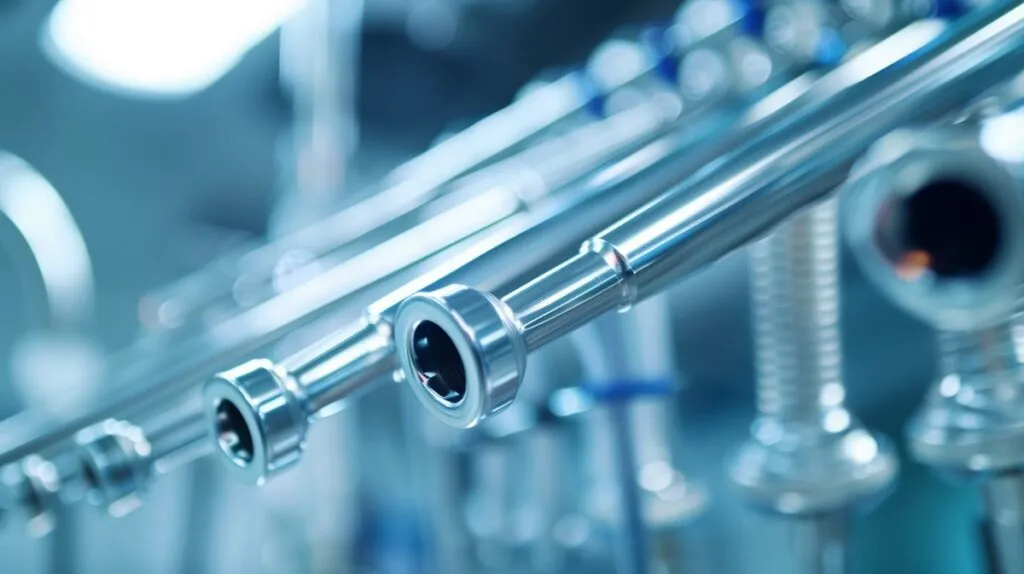
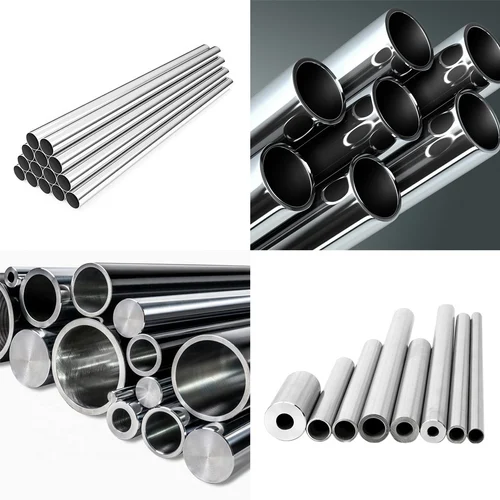
DLSS manufactures high-purity stainless steel seamless tubes with surface finishes and certifications that meet the rigorous demands of pharma piping systems, WFI (Water For Injection) loops, and aseptic processing zones.
Stainless Steel Tubes for Pharmaceutical and Cleanroom Systems – Surface Standards and Certification

1. Why Tubing Matters in Pharma and Cleanrooms

  • Product Contact: Tubing transports purified water, injectable solutions, solvents, gases
  • CIP/SIP Compatibility: Tubes must withstand frequent chemical cleaning and steam sterilization
  • Particulate-Free Flow: Internal Ra < 0.5 μm prevents bacterial adhesion or particle buildup
  • GMP Compliance: Tubing materials are part of regulated critical systems (e.g., FDA, EU GMP)

Reference: FDA CFR Title 21 – Pharmaceutical Manufacturing


2. Critical Surface Standards and Requirements

ParameterStandard ValueImportance
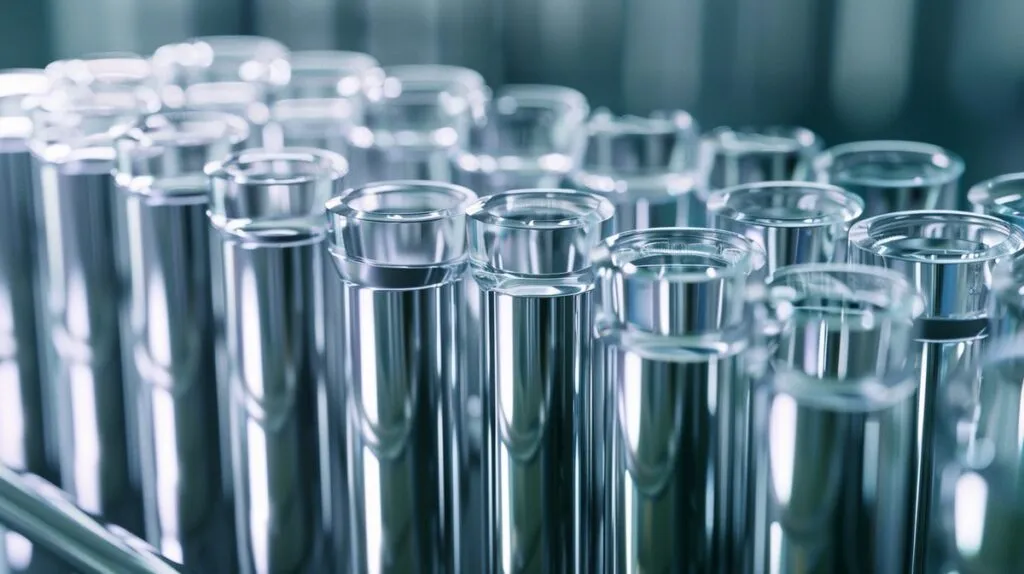
Ra (Roughness average)≤ 0.5 μm (standard), ≤ 0.25 μm (EP)Prevents microbial growth, improves cleanability
Finish TypeBright Annealed (BA), Electropolished (EP)Required for hygienic and ultra-clean piping
Weld Bead ControlFlush or bead-rolledAvoids dead legs and turbulence
PassivationASTM A967 or EN 10357 compliantEnhances corrosion resistance

All DLSS pharma-grade tubes are inspected visually and by profilometry (contact or laser Ra measurement) before shipment.
Stainless Steel Tubes for Pharmaceutical and Cleanroom Systems – Surface Standards and Certification

3. Applicable Standards and Certifications

StandardApplication
ASTM A270 S2Sanitary tubing with controlled Ra and documentation
ASME BPEBio-processing equipment with dimensional and weld finish requirements
EN 10357Stainless steel tubes for food and pharma industry (EU)
ISO 1127Dimensional standards for stainless tubes
3-A 63-03Tubing for dairy and pharma use

Learn more: ASME BPE Guide – Bio-processing Equipment


4. DLSS High-Purity Tubing Capabilities

FeatureDLSS Offering
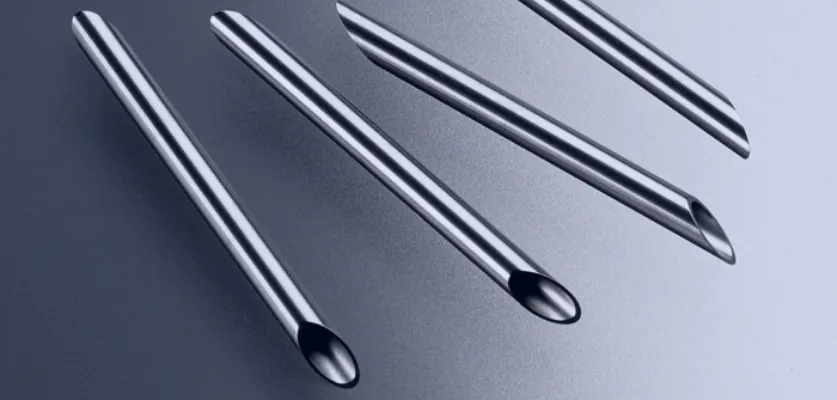
Tube GradesTP316L, TP316Ti, 1.4435, 1.4404, Alloy 22
Surface FinishBA standard, EP optional
Ra CertificationAvailable on request (contact or optical)
Tube TraceabilityLaser-marked with heat number and grade
DocumentationEN 10204 3.1 or 3.2 MTC, with Ra + PMI + ET reports
PackagingCleanroom PE bags, foam-end cap, dust-free export carton

5. Key Applications in Pharma Systems

SystemTube Function
WFI (Water for Injection)Circulates sterile water at high temp and velocity
USP Purified WaterDelivers RO or deionized water
CIP/SIP LoopsCarries cleaning and sterilization media
API Transfer LinesSolvents, liquids, and product batches
Compressed Gas LinesNitrogen, oxygen, clean air in aseptic zones

Related: USP <1231> – Water for Pharmaceutical Purposes


6. Case Study: Biopharma Cleanroom in Southeast Asia

Client: Leading vaccine manufacturer
Project: Expansion of injectable facility cleanroom piping
Scope: 8,000 meters of 1.4435 seamless tubing
Specifications: ASTM A270 S2 + ASME BPE; EP finish Ra ≤ 0.25 μm
Testing: 100% Ra test, PMI, ET, ID video scope inspection
Result: Tubes passed FAT without issues. System certified by TÜV as GMP-compliant.
Stainless Steel Tubes for Pharmaceutical and Cleanroom Systems – Surface Standards and Certification

FAQs: Pharmaceutical Stainless Steel Tubing

Q1: What’s the difference between BA and EP tubing?
A: BA is oxide-free and smooth; EP goes further by electrochemically polishing the surface to Ra ≤ 0.25 μm and removing embedded particles.

Q2: What material is best for WFI lines?
A: TP316L or 1.4435 are most common, with EP finish preferred. Some critical lines use Alloy 22 for high chloride resistance.

Q3: Can DLSS tubes be used in ASME BPE systems?
A: Yes. DLSS provides tubes compliant with BPE dimensional and surface finish tolerances, with complete documentation.

Q4: What’s the cleanroom packaging method?
A: Tubes are bagged in PE sleeves, with end caps and shrink-wrap protection. Packing takes place in a controlled zone to prevent particulate ingress.


Conclusion

Pharmaceutical-grade stainless steel tubing requires more than just corrosion resistance—it demands documented purity, dimensional precision, and flawless surface finish.

DLSS supports pharmaceutical manufacturers and cleanroom integrators with stainless steel tubes engineered for GMP compliance, regulatory traceability, and long-term stability.


Contact DLSS
Email: info@dlsspipe.com
Website: www.dlsspipeline.com

Need EP-certified pharma tubing or assistance with GMP documentation? Contact DLSS for material samples, Ra certificates, and regulatory support.

Wonderful! Share This Case:

Austenitic Stainless Steel

Duplex Stainless Steel

Nickel Alloys

▪ Incoloy Family

▪ Inconel Family

▪ Monel Family

▪ Hastelloy Family

▪ Other Special Alloys

Cobalt Alloys

Related Posts

5 Common Causes of Tube

Heat exchanger tube failure can lead to system shutdowns, costly repairs, and even safety risks. Understanding the causes can help prevent future problems. In this article, we’ll cover the 5 most common reasons tubes fail—and how choosing the right materials and surface treatment can make all the difference. 1. Pitting and Crevice Corrosion Often caused […]

Read More
Green Energy and ESG: How Sustainability Is Reshaping the Stainless Steel Seamless Tube Market

Green Energy and ESG: How

The stainless steel seamless tube industry is undergoing a quiet but profound transformation—not just driven by technical demands, but by Environmental, Social, and Governance (ESG) goals and the global energy transition. As governments, investors, and end-users demand cleaner, longer-lasting, and traceable materials, tube manufacturers are under growing pressure to reduce carbon footprint, improve transparency, and […]

Read More
How to Select the Right Stainless Steel Seamless Pipe for Projects in South America

Why High-Performance Grades Like 904L,

As industrial applications become more extreme—whether due to high chloride content, elevated temperatures, or corrosive media—the demand for high-alloy stainless steel seamless tubes is rising sharply. Materials such as 904L, 2205 duplex, and 2507 super duplex are seeing significant adoption across oil & gas, chemical processing, desalination, and offshore energy sectors. According to recent reports, […]

Read More

Choosing Between 304L, 316L, and

Meta Description:Understand the differences between 304L, 316L, and 904L stainless steel tubes. Learn how to choose the right material based on corrosion resistance, cost, and application requirements. Introduction Stainless steel tube buyers often face the challenge of selecting the most suitable grade for their projects. Among the most widely specified austenitic stainless steels are: Each […]

Read More
ASTM A789 S32750 Super Duplex Steel Seamless Tube 19*2.4MW Bright Annealed Type

ASTM A789 S32750 Super Duplex

Product Overview: ASTM A789 S32750 Super Duplex Seamless Tube (19×2.4mm, BA Surface) ASTM A789 S32750 seamless tubes are manufactured from super duplex stainless steel, known for its exceptional strength and corrosion resistance. This material is designed to perform in aggressive environments where standard austenitic or duplex grades would fail — such as in seawater, chemical processing, […]

Read More
7 Effective Ways to Prevent Fouling in Heat Exchangers for Long-Term Performance

7 Effective Ways to Prevent

1. Introduction – Prevent Fouling in Heat Exchangers Knowing how to prevent fouling in heat exchangers is essential for maintaining high efficiency and reducing maintenance costs. Fouling occurs when unwanted deposits form on heat transfer surfaces, decreasing thermal performance and increasing operational expenses. Whether you operate a shell and tube heat exchanger in a chemical […]

Read More
Understanding EN 10204 3.1 vs 3.2: Certification Types for Stainless Steel Tubes

Understanding EN 10204 3.1 vs

Meta Description:Learn the key differences between EN 10204 3.1 and 3.2 material certificates for stainless steel tubes. Understand which certificate your project needs and how DLSS ensures compliance. Introduction Material certification is essential for traceability and quality assurance in the supply of stainless steel tubes, especially in industries like oil & gas, power generation, and […]

Read More
Material Selection for Seawater-Cooled Heat Exchangers: What Engineers Must Consider

Material Selection for Seawater-Cooled Heat

Seawater is one of the most aggressive environments for heat exchanger systems. High levels of chlorides, biofouling, and oxygenated saline water create ideal conditions for pitting, crevice corrosion, and stress corrosion cracking (SCC). Choosing the wrong material for tubes in seawater-cooled heat exchangers can lead to early failure, frequent maintenance, and high replacement costs. In […]

Read More

Request A Quote

*We respect your confidentiality and all information are protected.