How Global Desalination Projects Are Redefining Stainless Steel Heat Exchanger Tube Standards

DLSS - Pipe&Tube - How Global Desalination Projects Are Redefining Stainless Steel Heat Exchanger Tube Standards

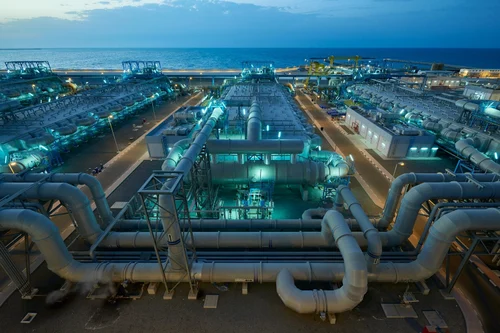
With water scarcity on the rise, seawater desalination has become a critical infrastructure priority—especially in the Middle East, North Africa, Asia-Pacific, and parts of Latin America. These plants rely heavily on heat exchanger systems for energy-efficient freshwater production.

And at the core of those systems? Stainless steel tubes that can withstand aggressive chloride-rich environments, pressure fluctuations, and long service cycles without failure.


1. Why Desalination Is Booming

  • Over 21,000 desalination plants are operational worldwide
  • Most use multi-effect distillation (MED) or reverse osmosis (RO) systems
  • Exposure to salts, sulfates, bacteria, and pressure cycling causes rapid corrosion in inferior materials
  • Desalination now provides over 40% of municipal water in countries like UAE, Saudi Arabia, and Israel

Source: International Desalination Association (IDA)
desalination-projects-stainless-steel-heat-exchanger-tubes

2. Where Stainless Steel Tubes Are Used in Desalination Systems

SystemTube Requirement
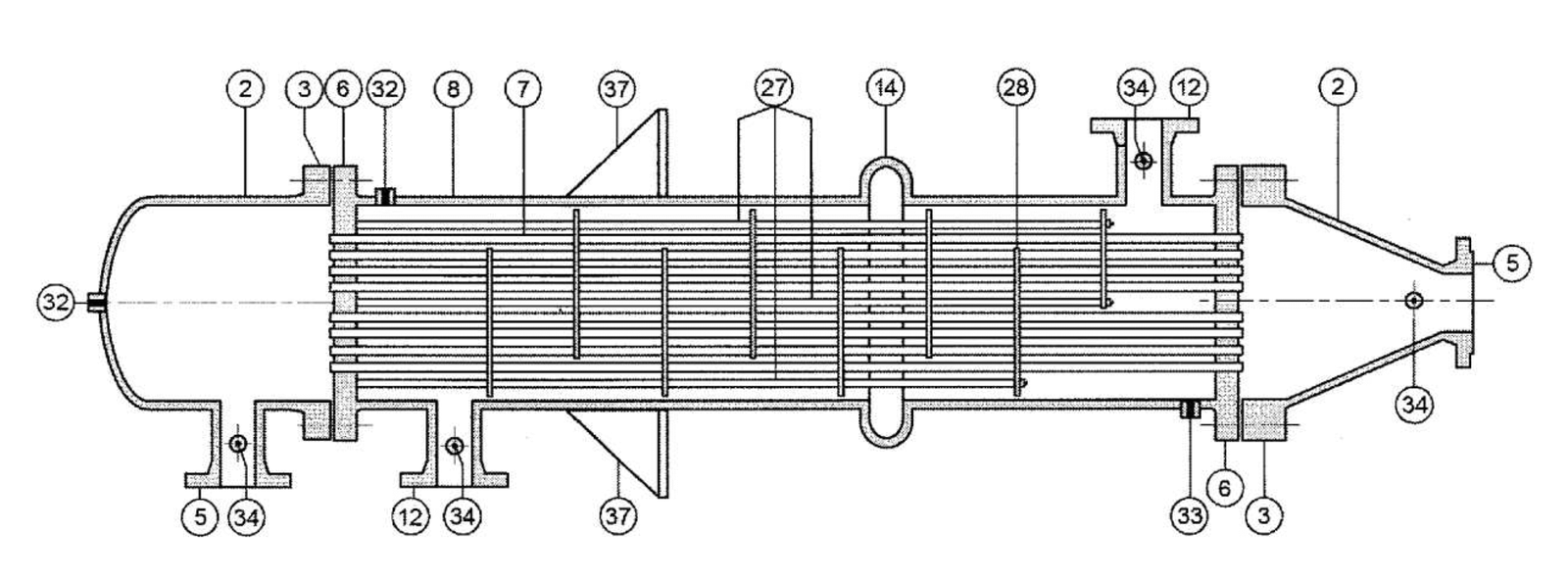
Brine heater / condenserSeamless or welded TP316L / S32205 with smooth ID
Thermal vapor compressorsHigh-pressure tubes, wall thickness control
Energy recovery systems (ERD)Corrosion-resistant duplex grades
RO pretreatment heat exchangersHigh-purity low-S iron with passivated finish
Concentrate cooling modulesAnti-scaling, pickled & passivated tubes

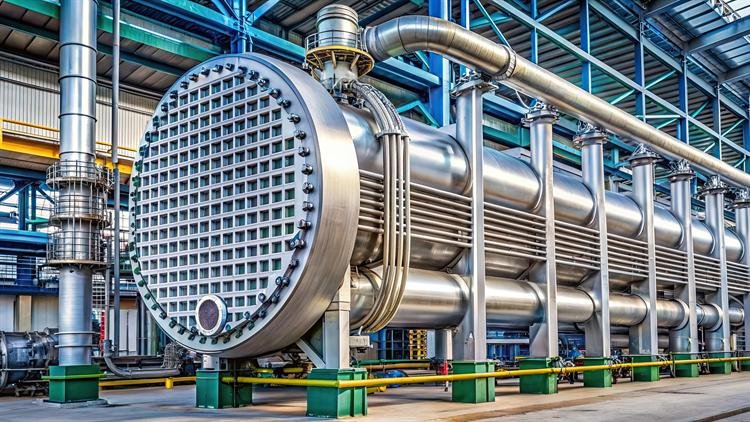
In MED and MSF (multi-stage flash) systems, tubing must endure saline vapor condensation, temperature gradients (60–120°C), and scale deposition.
desalination-projects-stainless-steel-heat-exchanger-tubes

3. What Grades Are Most Common?

GradeUse CaseAdvantage
TP316LBasic thermal desalinationAffordable, easy to fabricate
S32205 (duplex)High-chloride brine areasPitting resistance equivalent (PREN > 35)
S32750 / 904LExtended-lifecycle condensersHigh Mo and Cr, anti-microbial
254SMO / Alloy 625Ultra-aggressive RO conditionsPremium seawater alloy, 20+ year lifespan

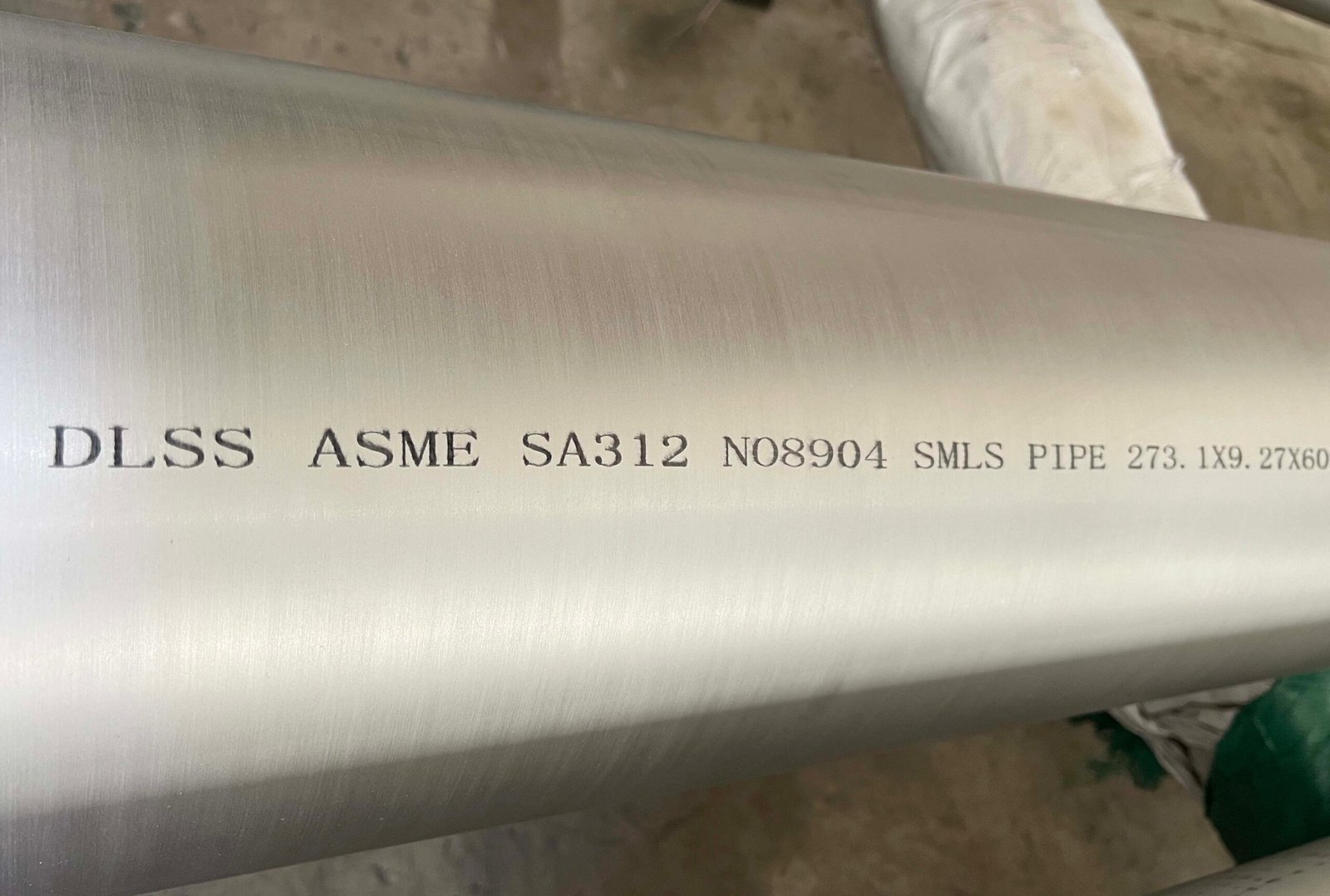
DLSS supplies SA213 / EN10216-5 compliant tubes for global desalination EPCs and operators, with full material certification, PMI, and seaworthy packaging.
hygienic-food-pharma-heat-exchanger-stainless-steel

4. What EPC Contractors and End Users Require

RequirementDLSS Offering
Full traceabilityHeat number, MTC, hydro test report
3.1 / 3.2 certificatesWith BV / SGS / TUV third-party endorsement
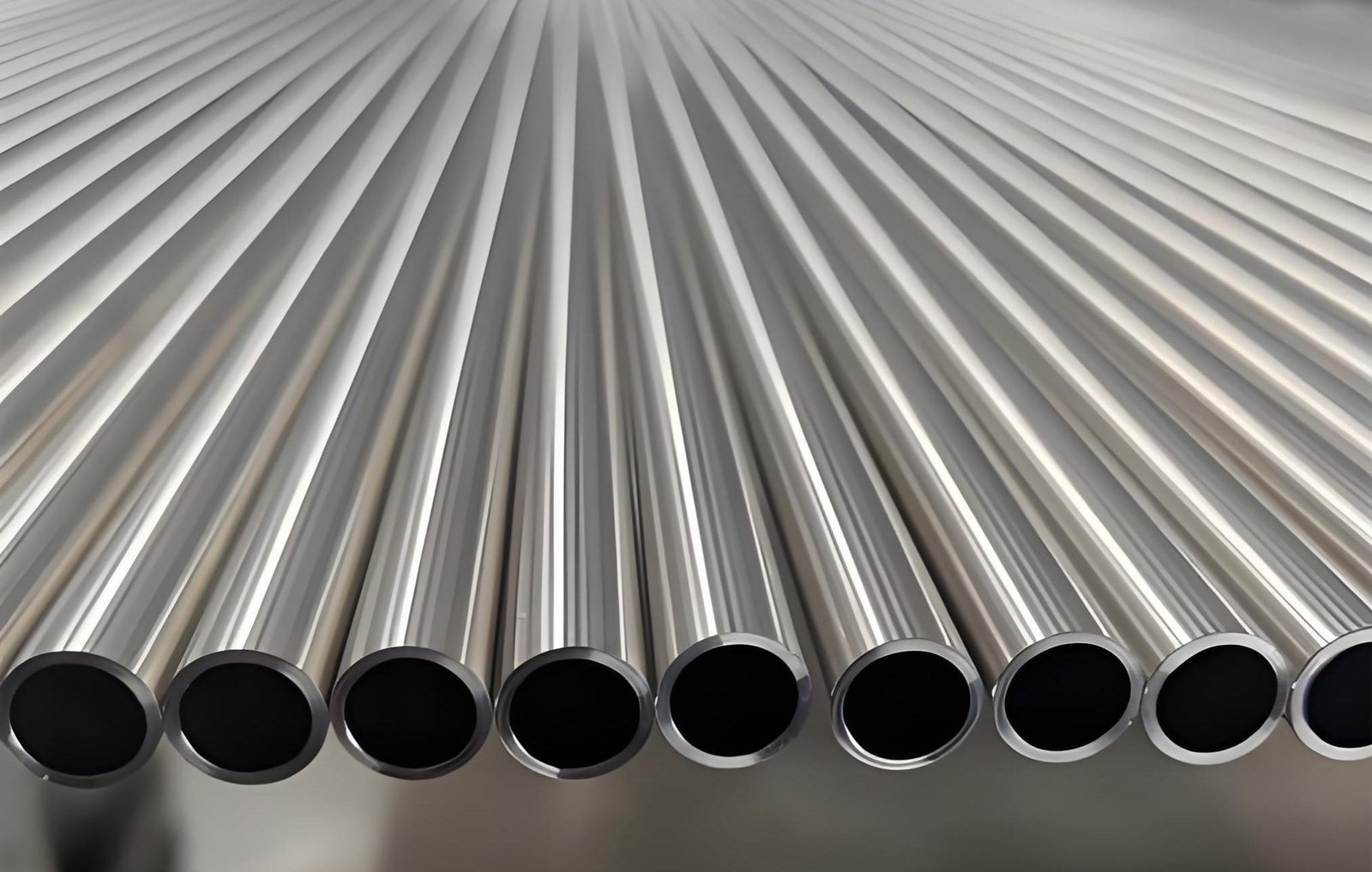
Seamless or TIG-welded tubesFor low fouling, easy cleaning
Low surface roughness (Ra ≤ 0.6 μm)Enhances heat transfer, limits scaling
Export packagingPE caps + VCI film + seaworthy crate + tube tags

DLSS also supports pre-bundling of tube lengths, multi-alloy shipments, and custom engraving or color coding.
hygienic-food-pharma-heat-exchanger-stainless-steel

Frequently Asked Questions (FAQ)

Q1: Why is duplex stainless steel popular in desalination plants?
A: It offers a better strength-to-weight ratio and higher resistance to pitting, crevice, and stress corrosion cracking in chloride-heavy environments.

Q2: Are seamless or welded tubes preferred in MED desalination?
A: Both are used depending on budget and system design. Welded TP316L may be chosen for lower cost; seamless S32205 for durability and low fouling.

Q3: What standards are required for desalination tube supply?
A: ASTM A213 / A789 / EN10216-5, ASME Section VIII, and often EN 10204 3.2 certification for large EPC tenders.

Q4: Can DLSS ship mixed-grade tube orders?
A: Yes. We routinely ship multi-grade orders (e.g., TP316L + duplex) with distinct tagging, packaging, and MTC sets.


Conclusion: In Desalination, Tube Failure Is Not an Option

From Saudi Arabia’s massive Jubail plant to Chile’s copper mining water systems, desalination heat exchangers must operate non-stop, without corrosion, for decades.

That’s why stainless steel tubes—sourced, inspected, and certified correctly—are essential to plant success.

At DLSS, we support desalination projects with the right material, precision manufacturing, and global documentation support—so you can build freshwater reliability from the inside out.

Wonderful! Share This Case:

Austenitic Stainless Steel

Duplex Stainless Steel

Nickel Alloys

▪ Incoloy Family

▪ Inconel Family

▪ Monel Family

▪ Hastelloy Family

▪ Other Special Alloys

Cobalt Alloys

Related Posts

Cómo Prevenir el Agrietamiento por Sulfuro de Hidrógeno (H₂S) en Tuberías Industriales

Cómo Prevenir el

Meta descripción:El H₂S puede causar fallas catastróficas en tuberías de refinería o gasoductos. Descubra cómo prevenir el agrietamiento inducido por hidrógeno (HIC) y la fisuración bajo esfuerzo (SSC) con materiales y pruebas adecuados. Introducción El sulfuro de hidrógeno (H₂S) es uno de los mayores enemigos de la integridad de las...

Read More
Middle East Market Insight: Stainless Steel Seamless Tube Demand in Refining and Desalination Projects

Middle East Market

The Middle East remains one of the world’s largest consumers of stainless steel seamless tubes—driven by oil & gas refining, petrochemical facilities, and mega-scale desalination and water treatment plants. As Gulf countries shift toward more technologically advanced, environmentally compliant, and cost-efficient infrastructure, the demand for U-bent heat exchanger tubes, duplex/super...

Read More
Titanium Tubes vs Stainless Steel Tubes: Which One is Right for Your Heat Exchanger?

Titanium vs Stainless

Titanium tubes and stainless steel tubes are both used as heat exchanger tubes in many industrial systems. But they are not used for the same working conditions. Titanium is often used in seawater, high chloride, desalination, and marine systems. Stainless steel is often used in general heat exchangers, boilers, power...

Read More
Seamless vs. Welded Pipes: Which Is Right for Your Industrial Pipeline?

Seamless vs. Welded

Introduction In pipeline engineering, one of the most common questions from project engineers and procurement teams is:“Should we use seamless pipes or welded pipes?” Each option has distinct advantages and trade-offs, and your decision will affect cost, reliability, inspection requirements, and even compliance with standards such as ASME B31.3 or...

Read More
Low Finned Tubes in Duplex Steel for High-Efficiency Heat Exchangers

Low Finned Tubes

Introduction Heat exchangers play a critical role in maximizing thermal performance across industries such as geothermal energy, petrochemical, and power generation. Among the different tube designs, low finned tubes stand out as a proven solution to increase the surface area and improve heat transfer efficiency without requiring more installation space....

Read More
hardness testing MTC stainless steel tubes

Hardness Testing in

Introduction Mill Test Certificates (MTCs) are essential documents for stainless steel tubes, certifying that products comply with ASTM, ASME, EN, and JIS standards. Among the critical mechanical properties included, hardness values (Brinell, Rockwell, Vickers) are especially important for ensuring suitability in demanding applications like boilers and heat exchangers. 1. Hardness...

Read More
ASTM B163 Incoloy 825 (UNS N08825) Seamless Tube – 25.4 × 2.11 × 5555 mm, Bright Annealed Surface

ASTM B163 Incoloy

Product Details Chemical Composition of Incoloy 825 (UNS N08825) Element Composition (%) Nickel (Ni) 38.0 – 46.0 Chromium (Cr) 19.5 – 23.5 Iron (Fe) Balance Molybdenum (Mo) 2.5 – 3.5 Copper (Cu) 1.5 – 3.0 Titanium (Ti) 0.6 – 1.2 Carbon (C) ≤ 0.05 Incoloy 825 is a nickel-iron-chromium alloy with added molybdenum,...

Read More
How Long Do Stainless Steel Seamless Pipes Last? Lifespan, Factors, and Best Practices

How to Choose

Why Material Selection Matters for Heat Exchanger Tubes In heat exchanger applications, the wrong material can lead to premature corrosion, low thermal efficiency, or even costly shutdowns. Whether you’re designing for a refinery, a desalination plant, or a food-grade chiller, choosing the right stainless steel tube is a crucial step...

Read More

Request A Quote

*We respect your confidentiality and all information are protected.