Europe’s Stainless Steel Tube Market: Compliance-Driven Demand and Strategic Opportunities

DLSS - Pipe&Tube - Europe’s Stainless Steel Tube Market: Compliance-Driven Demand and Strategic Opportunities

Europe is one of the most regulated and compliance-focused markets in the world for stainless steel seamless tubes—especially for heat exchangers, pharma-grade piping, and energy infrastructure. With stringent requirements for traceability, environmental certification, and dual material standards, suppliers must demonstrate not only high product quality but also full alignment with EU directives.

In this blog, we explore how DLSS Pipeline adapts to meet the demands of European customers and what exporters must know to succeed in this region.


1. Why Compliance Matters More Than Ever in Europe

European projects often require:

  • EN 10216-5, PED 2014/68/EU, and ASME SA213 dual-certification
  • EN 10204 3.1 or 3.2 material test certificates
  • Full traceability from raw material to final tube
  • Environmental declarations (RoHS, REACH, CE marking)

Failure to meet these can result in disqualification during bidding or TPI rejection during delivery.


2. What Industries Are Driving Tube Demand?

A. Heat Exchangers for District Heating and Biomass

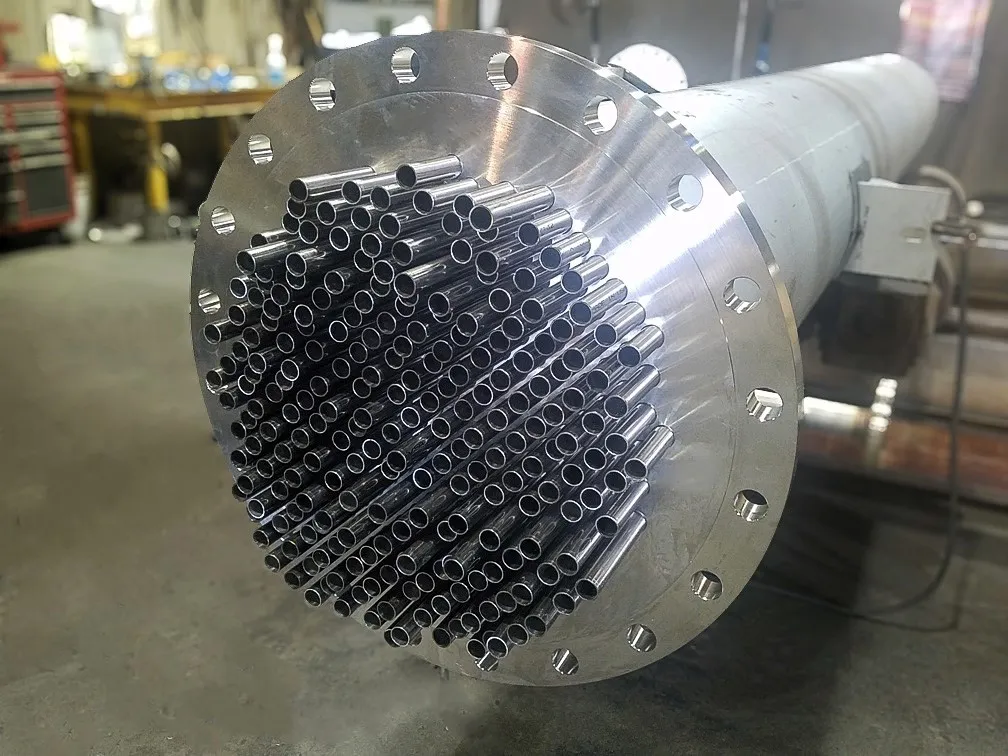
Europe is investing heavily in green thermal networks, requiring U-bend and long-length tubes with excellent corrosion resistance and lifecycle reliability.

B. Food and Pharmaceutical

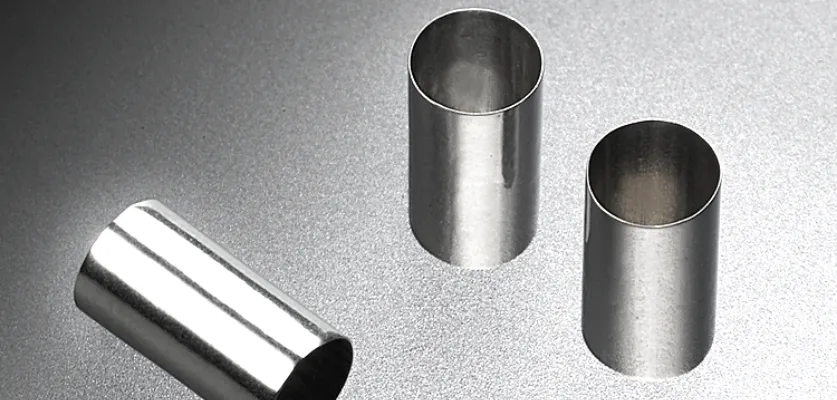
EU regulations are among the strictest globally—DLSS supplies EP/BA tubes with Ra certification and ISO conformity.

C. Hydrogen and Renewable Projects

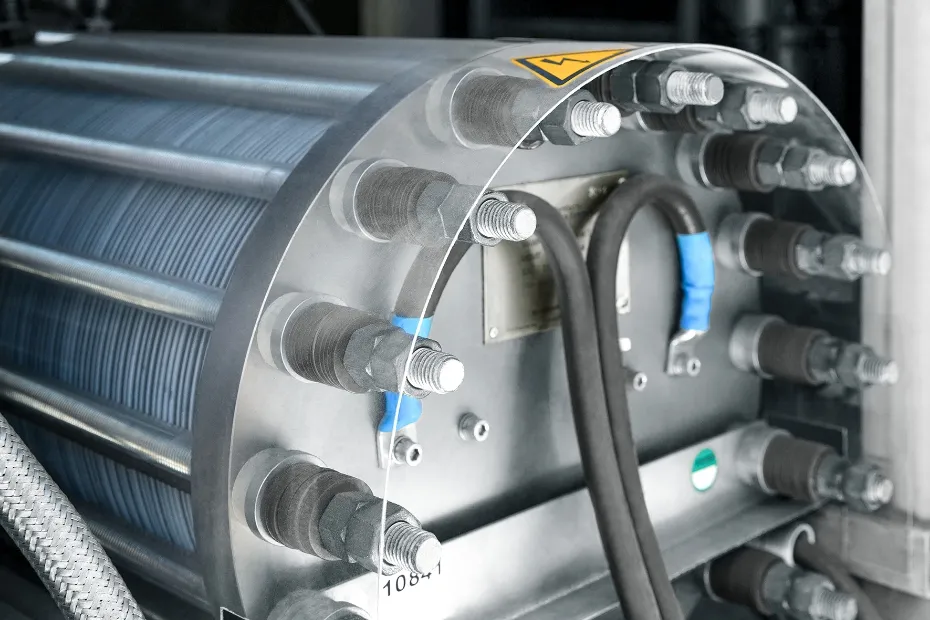
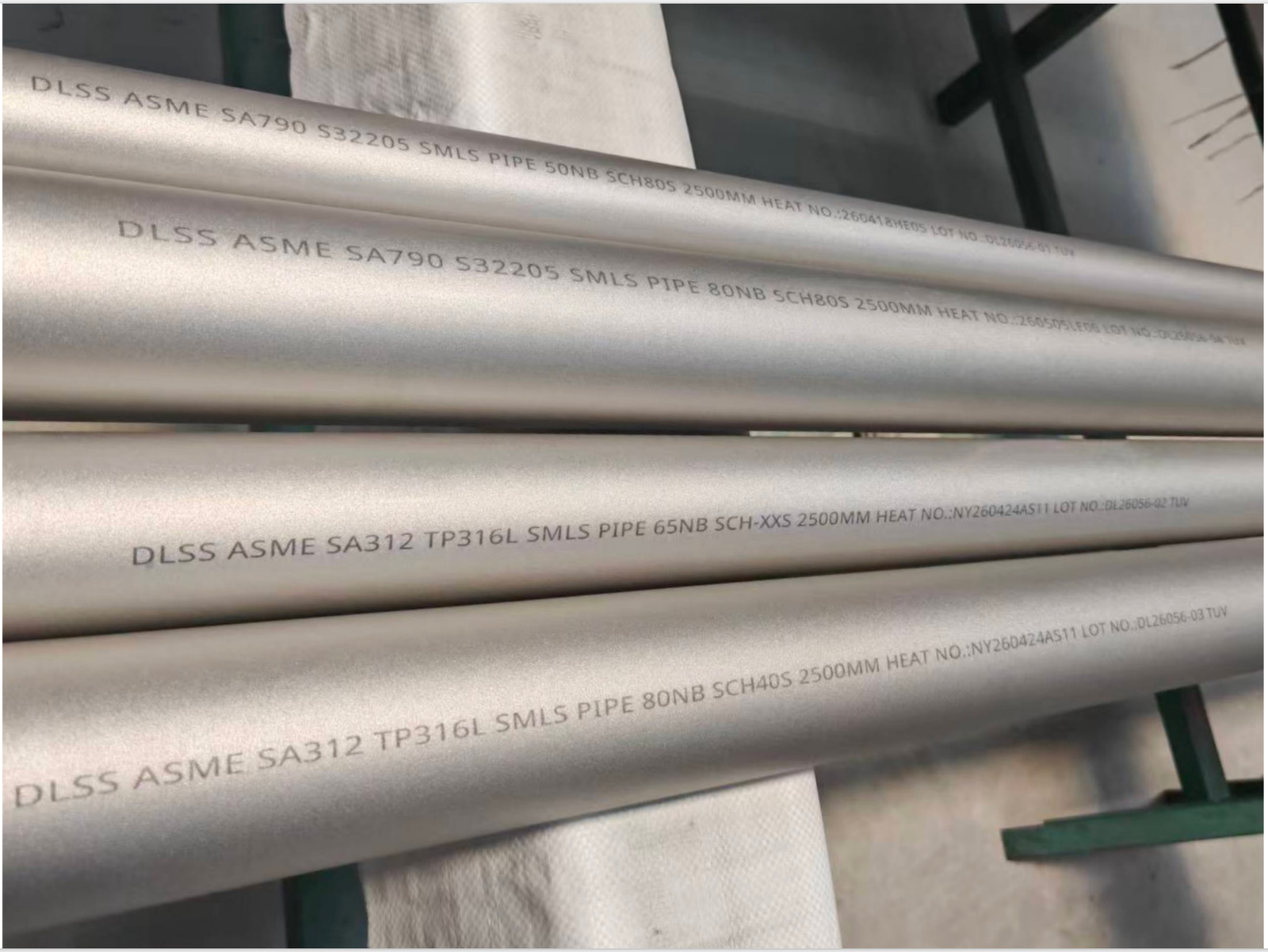
As Europe accelerates its energy transition, 904L, 2205, and 2507 tubes are increasingly used in electrolyzers, hydrogen compressors, and waste-to-energy boilers.


3. Key European Markets & Their Focus

CountrySector FocusTube Requirements
GermanyPharma, HVAC, renewablesHigh-precision BA/EP tubes with 3.2 certification
ItalyRefining, thermal powerU-tubes, 2205/316L, PED compliance
FranceNuclear, food equipmentSmall diameter, orbital weld prep, CE marking
NetherlandsOffshore, hydrogen pilotSuper duplex, corrosion test records
PolandPower boilers, dairyCompetitive 304L/316L with full documents

4. DLSS Compliance & Export Readiness

  • Standards: EN 10216-5, ASME SA213, PED 2014/68/EU
  • Certification: EN 10204 3.1, 3.2; third-party inspection accepted
  • Languages: Docs in English/German/Italian/Spanish on request
  • Packing: Euro-compliant crates, barcode labeling, RoHS declarations
  • Support: CE declaration, REACH statement, mill audit assistance

Explore more at www.dlsspipeline.com


Frequently Asked Questions (FAQ)

Q1: Do all European projects require PED-compliant tubes?
For pressure-bearing equipment, yes. DLSS offers seamless tubes with PED declaration and manufacturing under ISO 9001.

Q2: Can DLSS support MTC 3.2 certification with TÜV or Lloyd’s?
Yes, we coordinate third-party witness inspections and document validation for EU-bound orders.

Q3: What is the standard tolerance range expected in EU tenders?
Typically OD ±0.1 mm, WT ±10%, Ra < 0.8 μm (if polished). Our tubes can be customized accordingly.


Conclusion

Success in the European stainless tube market is all about precision, traceability, and conformity. DLSS combines manufacturing expertise with global compliance to deliver high-quality, project-ready seamless tubes that meet Europe’s highest expectations.

DLSS Pipeline is your trusted partner for EN, PED, and ASME-certified stainless steel tubes in energy, food, pharma, and renewables.


Wonderful! Share This Case:

Austenitic Stainless Steel

Duplex Stainless Steel

Nickel Alloys

▪ Incoloy Family

▪ Inconel Family

▪ Monel Family

▪ Hastelloy Family

▪ Other Special Alloys

Cobalt Alloys

Related Posts

Common Condenser Coil

1. Why Your Condenser Coil Matters for AC Performance The condenser coil is the component in your outdoor air conditioning unit that releases indoor heat to the environment. When clogged or damaged, your AC system can’t cool effectively, leading to high energy bills, system strain, and premature breakdown. 2. Top 5 Common Condenser...

Read More

5 Common Causes

Heat exchanger tube failure can lead to system shutdowns, costly repairs, and even safety risks. Understanding the causes can help prevent future problems. In this article, we’ll cover the 5 most common reasons tubes fail—and how choosing the right materials and surface treatment can make all the difference. 1. Pitting...

Read More
Pickling vs Bright Annealing: Which Surface Treatment Is Best for Stainless Steel Tubes?

Pickling vs Bright

Introduction The performance of stainless steel tubes isn’t just about alloy grade or dimensional accuracy—surface finish plays a crucial role in corrosion resistance, cleanliness, and long-term durability. Two widely used surface treatments are: Each has distinct characteristics, advantages, and ideal applications. This article explores their differences and helps you decide...

Read More
HIC and SSC Testing Explained: What Oil & Gas Engineers Need to Know

HIC and SSC

Oil and gas projects often use sour service pipe materials in H₂S environments. Sour service means the system contains hydrogen sulfide, also called H₂S. H₂S can create serious cracking risks in steel pipes, fittings, flanges, and pressure parts. These cracks may be hard to see at first. But they can...

Read More

5 U-Bending Standards

Introduction U-bent stainless steel tubes are essential in shell-and-tube heat exchangers, widely used in power generation, petrochemical processing, desalination, HVAC, and marine applications. These tubes are designed to efficiently redirect fluid flow while withstanding extreme thermal and mechanical stress. At DLSS, we specialize in producing high-quality U-tubes with tight tolerances and...

Read More
Pickling vs Bright Annealing: Which Surface Treatment Is Best for Stainless Steel Tubes?

How to Select

Introduction In high-pressure systems, tubing failure isn’t just costly—it can be catastrophic. Whether you’re building an offshore platform, a hydraulic power unit, or a supercritical fluid system, choosing the right tubing is critical. This guide breaks down the key factors to consider when selecting high-pressure stainless steel and alloy tubing,...

Read More
Do Stainless Steel Seamless Pipes Leak? Causes, Risks, and How to Prevent It

Can Stainless Steel

Stainless steel seamless pipes are widely used in heat exchangers, boilers, condensers, pressure piping, petrochemical plants, power generation, shipbuilding, and other demanding industrial systems. For heat exchanger and condenser projects, buyers often prefer stainless steel seamless heat exchanger tubes because they offer better pressure resistance, dimensional stability, and corrosion performance....

Read More
Stainless Steel Seamless Pipes for Mining and Metallurgy Projects in South America

Stainless Steel Seamless

Introduction South America is home to some of the world’s most significant mining and metallurgical hubs, particularly in Chile, Peru, and Brazil. With growing global demand for copper, lithium, iron ore, and rare earth elements, mining facilities are expanding—driving up the need for durable, corrosion-resistant piping systems. DLSS supports this...

Read More

Request A Quote

*We respect your confidentiality and all information are protected.