Why Stainless Steel Tube Grain Size Matters in Heat Exchanger Applications

DLSS - Pipe&Tube - Why Stainless Steel Tube Grain Size Matters in Heat Exchanger Applications

Meta Description:
Grain size in stainless steel tubes directly affects corrosion resistance, mechanical strength, and heat exchanger durability. Learn how ASTM grain size ratings influence performance and certification.


Introduction

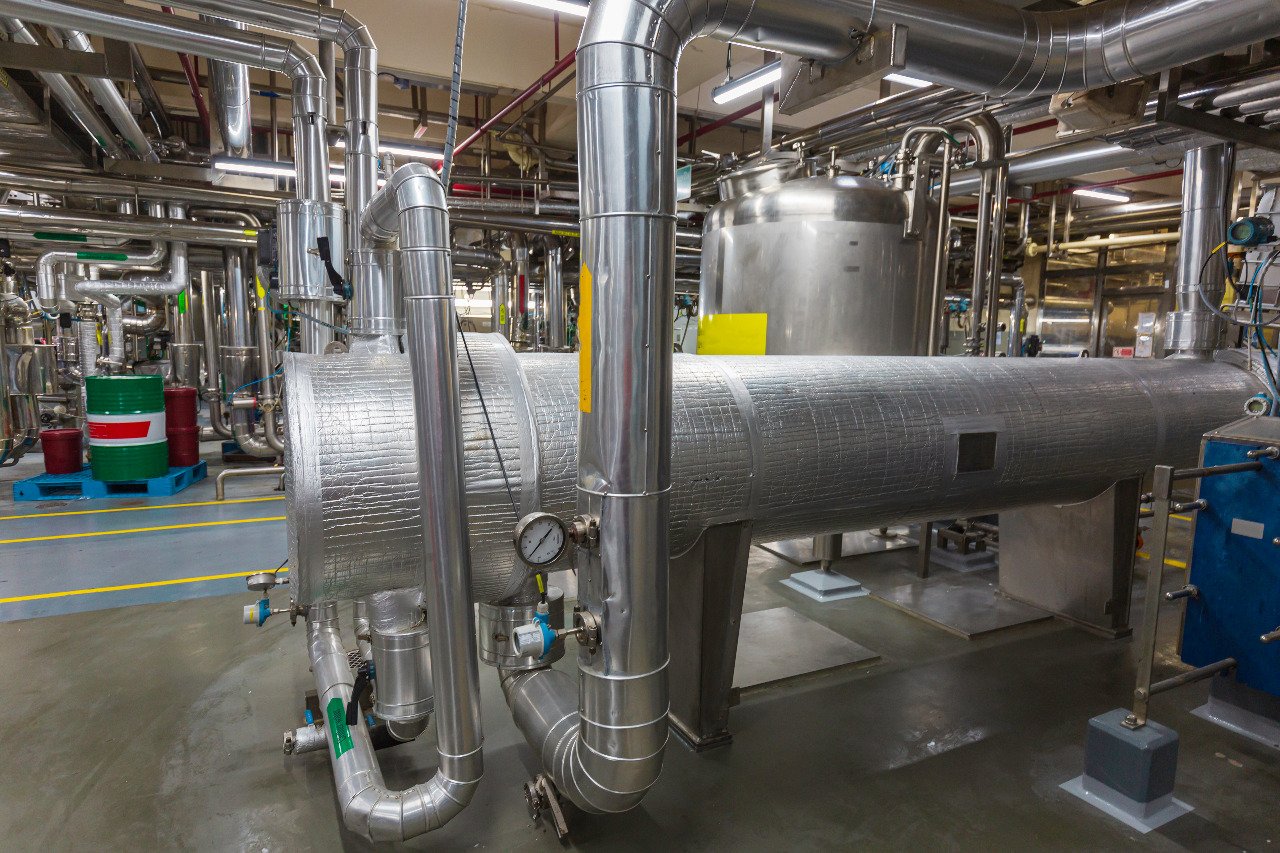
When engineers specify stainless steel tubes for shell-and-tube heat exchangers, attention is often paid to chemical composition, wall thickness, and surface finish. But there’s another hidden factor that critically affects long-term performance: grain size.

Whether you’re sourcing TP316L, TP321, or Duplex tubes, understanding grain size ensures you meet both mechanical strength and corrosion resistance requirements, especially in high-temperature and high-pressure environments.


What Is Grain Size in Stainless Steel?

Grain size refers to the average diameter of the individual crystalline grains in a metal’s microstructure. It is typically measured per ASTM E112, and is reported as a grain number:

  • Larger grain number = finer grain size
  • Smaller grain number = coarser grain

For example:

ASTM Grain NumberApprox. Grain Diameter (μm)Description
3~125Very coarse
5~65Acceptable in general use
7~32Fine grain
≥8~22 or lessUltra-fine, common in 316L BA tubes

Reference: ASTM E112 – Standard Test Methods for Determining Average Grain Size


Why Does Grain Size Matter in Heat Exchanger Tubes?

1. Corrosion Resistance

Finer grain size enhances intergranular corrosion resistance, especially after welding or bending. This is critical in:

  • Seawater applications (e.g., Duplex, 254 SMO)
  • Acidic media in chemical reactors
  • Steam generation in power boilers

Larger grains can act as initiation sites for pitting or SCC (stress corrosion cracking).


2. Mechanical Strength and Fatigue Life

Fine grains improve:

  • Yield strength
  • Tensile strength
  • Fatigue resistance in cyclic thermal conditions

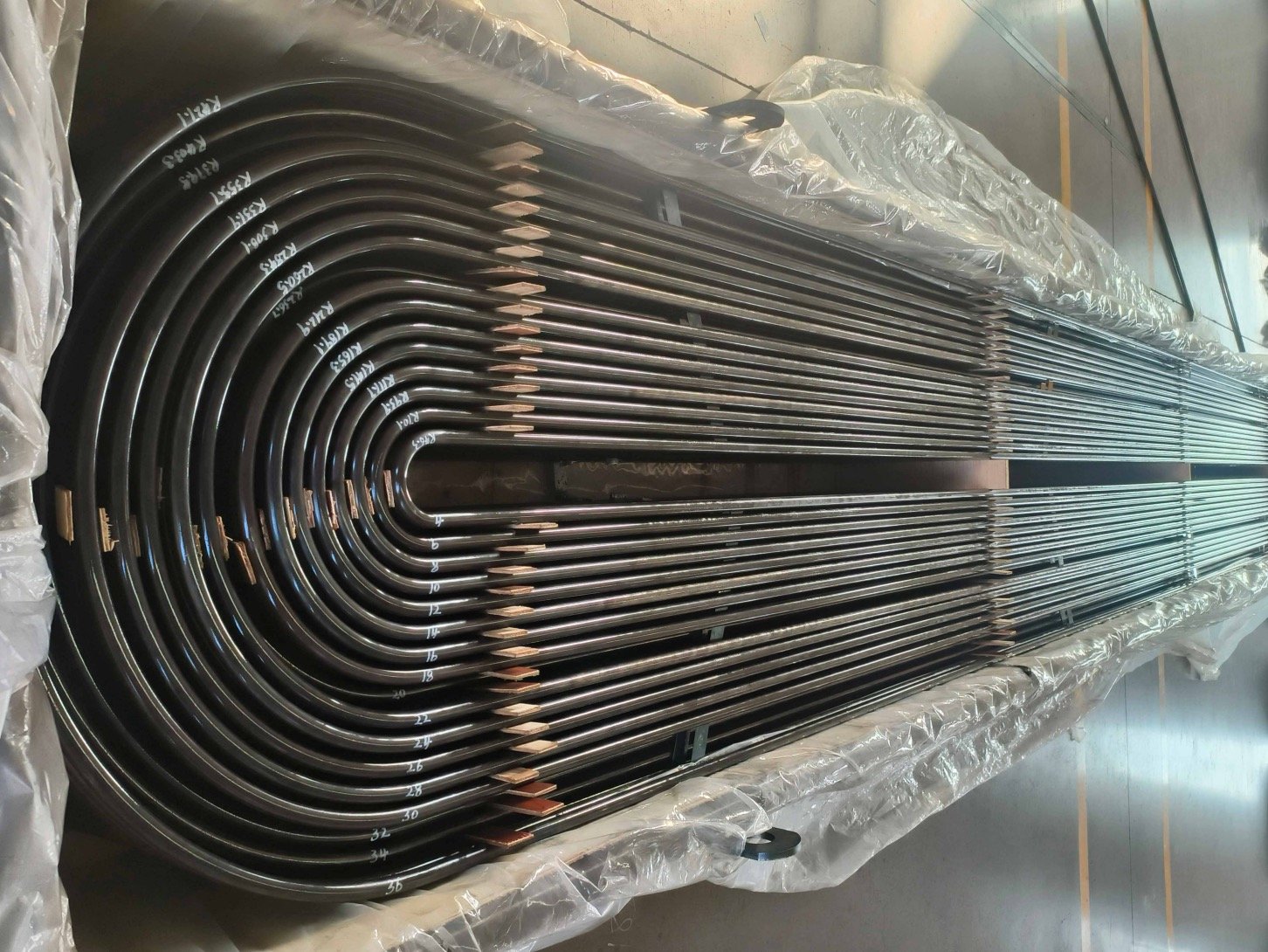
In U-bend tubes or high-vibration environments, finer grains minimize crack propagation.


3. Heat Treatment Responsiveness

Alloys like TP347H or TP321 benefit from controlled grain growth during solution annealing. If grain size is not optimized, the material may become brittle or fail creep resistance tests, particularly above 600°C.


Industry Standards That Require Grain Size Control

  • ASTM A213 / A269 / A789: Often specify ASTM Grain Size ≥ 5 or ≥ 6
  • NACE MR0175 / ISO 15156: Implies control for SSC resistance
  • PED / AD2000-W10: Require documented grain size for pressure vessel tubes
  • TP347HFG: A special grade with “HFG” meaning High Fineness Grain for ultra-long service

How Is Grain Size Tested?

At DLSS, we perform grain size measurement via:

  • Metallographic examination under microscope (ASTM E112)
  • Etching and cross-sectional polishing
  • Certified by third-party labs (SGS, BV) upon request

Each tested tube heat can be linked to its EN 10204 3.1 / 3.2 MTC, with grain size clearly marked.


Real-World Example: 316L U-Bend Tube in a Refinery

A client in Turkey installed ASTM A213 TP316L U-bend tubes in a heat exchanger operating with hot seawater. Due to improper heat treatment at the supplier’s end, grain size averaged ASTM No. 3–4, resulting in:

  • Localized wall thinning
  • Intergranular attack
  • Partial bundle replacement within 18 months

DLSS replaced the bundle with tubes heat-treated to achieve ASTM Grain No. ≥7, and the problem has not recurred since.


How DLSS Ensures Grain Size Compliance

We deliver:

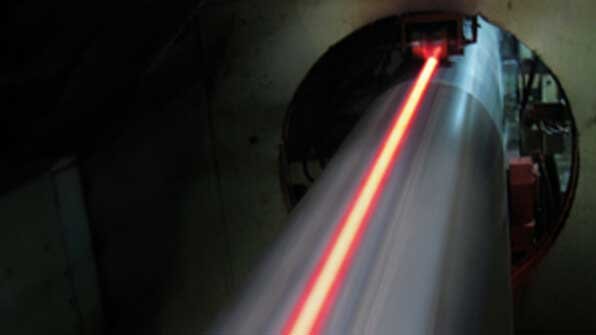
  • Controlled annealing processes (1050–1150°C)
  • Rapid quenching to freeze fine grain structure
  • Grain size reports as part of QA documentation
  • Tubes suitable for sour service, high-temp systems, and EPC acceptance

Conclusion

Grain size may not be visible, but its impact on stainless steel tube performance is enormous. It affects corrosion resistance, strength, weldability, and long-term reliability of heat exchangers.

Always verify grain size requirements when ordering tubes for:

  • Power boilers
  • Chemical plants
  • Oil & gas platforms
  • Seawater cooling systems

DLSS offers precision-engineered stainless steel tubes with documented microstructure control for global industrial applications.


Contact DLSS
Email: info@dlsspipe.com
Website: www.dlsspipeline.com

Looking for tubes with guaranteed fine grain structure and full QA certification? Contact us today for consultation and quotes.

Wonderful! Share This Case:

Austenitic Stainless Steel

Duplex Stainless Steel

Nickel Alloys

▪ Incoloy Family

▪ Inconel Family

▪ Monel Family

▪ Hastelloy Family

▪ Other Special Alloys

Cobalt Alloys

Related Posts

Green Energy and ESG: How Sustainability Is Reshaping the Stainless Steel Seamless Tube Market

Green Energy and ESG: How

The stainless steel seamless tube industry is undergoing a quiet but profound transformation—not just driven by technical demands, but by Environmental, Social, and Governance (ESG) goals and the global energy transition. As governments, investors, and end-users demand cleaner, longer-lasting, and traceable materials, tube manufacturers are under growing pressure to reduce carbon footprint, improve transparency, and […]

Read More
Why Stainless Steel Seamless Tubes Are the Backbone of South America’s Energy Industry

Why Stainless Steel Seamless Tubes

Meta Description:Explore how stainless steel seamless tubes support South America’s oil, gas, and petrochemical infrastructure. Learn about key materials, standards, and corrosion-resistant solutions for high-performance applications. Introduction South America is rich in natural resources—but also in engineering challenges. With vast offshore oil fields, mountainous LNG projects, and acidic mining processes, the region demands durable, corrosion-resistant […]

Read More
Nickel Alloy Steel Seamless Pipes and Tubes: Industrial Advantages and Applications

Alloy Steel Heat Exchanger Tubes

Introduction In high-temperature environments such as boilers, power plants, and petrochemical heat exchangers, alloy steel tubes are indispensable. One common choice is ASTM A199 T11, a Cr-Mo alloy steel that provides excellent creep resistance, mechanical strength, and durability. Recently, a customer requirement for T11 cold drawn tubes offers a valuable example of how this material […]

Read More
Integrated Stainless Steel Piping Solutions for Industrial Projects

Integrated Stainless Steel Piping Solutions

Meta Description:For EPC contractors and system integrators, DLSS offers a one-stop stainless steel piping package: pipes, flanges, fittings, inspection, and global delivery. Introduction In large-scale industrial projects—such as oil refineries, power plants, food processing lines, and chemical facilities—procurement teams often face a key challenge: how to consolidate material supply while ensuring technical compliance and on-time […]

Read More
Corrosion Resistance in Marine Applications: Stainless Tubes for Japan(海洋用途における耐食性:日本向けステンレスチューブ)

Corrosion Resistance in Marine Applications:

1. Introduction Japan, an island nation surrounded by seawater, faces constant challenges from 塩化物腐食 (chloride corrosion) in its marine industries. Stainless steel tubes with high corrosion resistance are essential in 海水淡水化プラント (seawater desalination plants), offshore oil & gas facilities, and shipbuilding. DLSS specializes in supplying marine corrosion resistant tube Japan to meet these demanding conditions. […]

Read More
Low-Fin Tubes: Compact Heat Transfer Solutions for Refrigeration and HVAC

Low-Fin Tubes: Compact Heat Transfer

Low-fin tubes are designed to improve heat transfer efficiency while maintaining a compact design, making them ideal for applications where space and weight are limited. These tubes feature external fins with a low height, which increases the surface area for heat exchange without significantly increasing the overall size. For a broader look at finned tube […]

Read More

Plate Heat Exchanger vs Shell

1. Introduction – Plate vs Shell and Tube Heat Exchanger When selecting a heat exchanger for your application, one of the most common decisions is between a plate heat exchanger (PHE) and a shell and tube heat exchanger (STHE). Both designs have unique advantages and limitations. This guide compares the two to help you choose […]

Read More
Stainless Steel Tube Failure Modes – Cracks, Pitting, and How to Prevent Them

Stainless Steel Tube Failure Modes

Meta Description:Explore the most common failure modes of stainless steel tubes including cracking, pitting, and stress corrosion. Learn how to prevent these issues through material selection, surface treatment, and quality control. Introduction Even the highest-grade stainless steel tubes can fail under extreme or mismanaged conditions. Understanding the failure mechanisms helps design engineers, QA teams, and […]

Read More

Request A Quote

*We respect your confidentiality and all information are protected.