Pickling vs Bright Annealing: Which Surface Treatment Is Best for Stainless Steel Tubes?

DLSS - Pipe&Tube - Pickling vs Bright Annealing: Which Surface Treatment Is Best for Stainless Steel Tubes?

Meta Description:
Pickled or bright annealed? Learn the pros, cons, and applications of these two surface treatment methods used in stainless steel tube manufacturing.


Introduction

The performance of stainless steel tubes isn’t just about alloy grade or dimensional accuracy—surface finish plays a crucial role in corrosion resistance, cleanliness, and long-term durability.

Two widely used surface treatments are:

  • Pickling (Acid Cleaned)
  • Bright Annealing (BA)

Each has distinct characteristics, advantages, and ideal applications. This article explores their differences and helps you decide which finish is most suitable for your industrial or hygienic systems.
Pickling vs Bright Annealing: Which Surface Treatment Is Best for Stainless Steel Tubes?

What Is Pickling?

Pickling is a chemical process that removes:

  • Oxide scale
  • Welding discoloration
  • Surface contaminants
Pickling vs Bright Annealing: Which Surface Treatment Is Best for Stainless Steel Tubes?

How It Works:

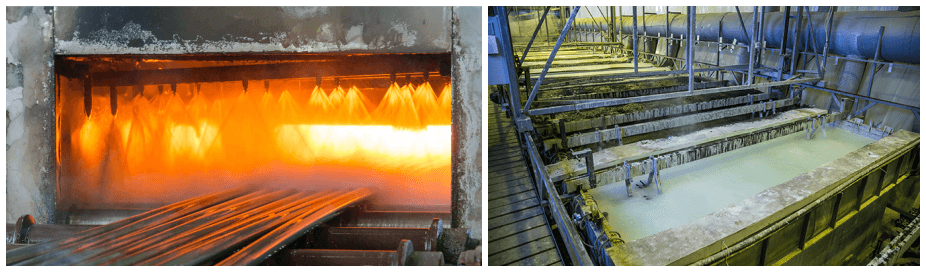
  • Tubes are immersed in a mixture of nitric and hydrofluoric acids
  • Oxide layers formed during hot forming or welding are dissolved
  • A passive chromium-rich layer reforms after rinsing

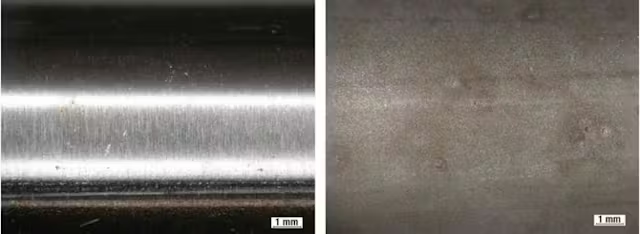
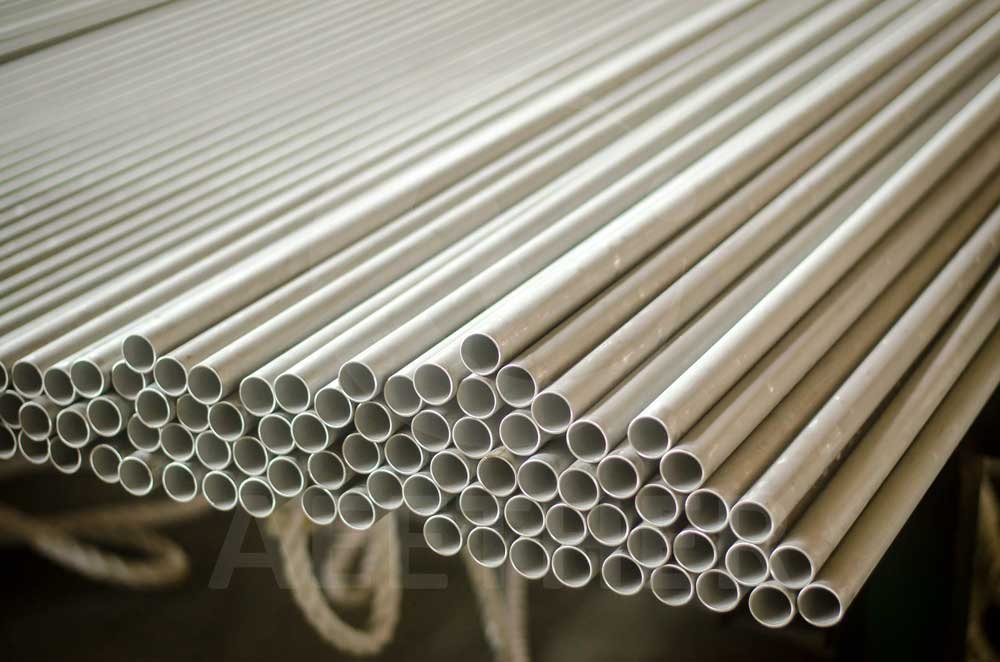
Resulting Appearance:

  • Matte, dull gray surface
  • Uniform, clean but slightly rough texture
Pickling vs Bright Annealing: Which Surface Treatment Is Best for Stainless Steel Tubes?

Benefits:

  • Removes embedded iron, carbon deposits, and heat tint
  • Restores corrosion resistance
  • Cost-effective for industrial-grade tubing

Standards Involving Pickled Finish:

  • ASTM A269 (pickled or polished)
  • ASTM A213 (solution-annealed + pickled)
  • EN 10216-5 TC1/TC2

Learn more about pickling from Outokumpu’s surface finish guide


What Is Bright Annealing (BA)?

Bright annealing is a heat treatment process performed in a controlled reducing atmosphere (usually hydrogen or nitrogen/hydrogen mixture) to achieve:

  • Recrystallization of grains
  • Stress relief
  • Oxide-free surface
Pickling vs Bright Annealing: Which Surface Treatment Is Best for Stainless Steel Tubes?

How It Works:

  • Tubes are annealed at 1050–1150°C
  • Cooling is rapid under inert gas
  • No acid pickling is required post-treatment

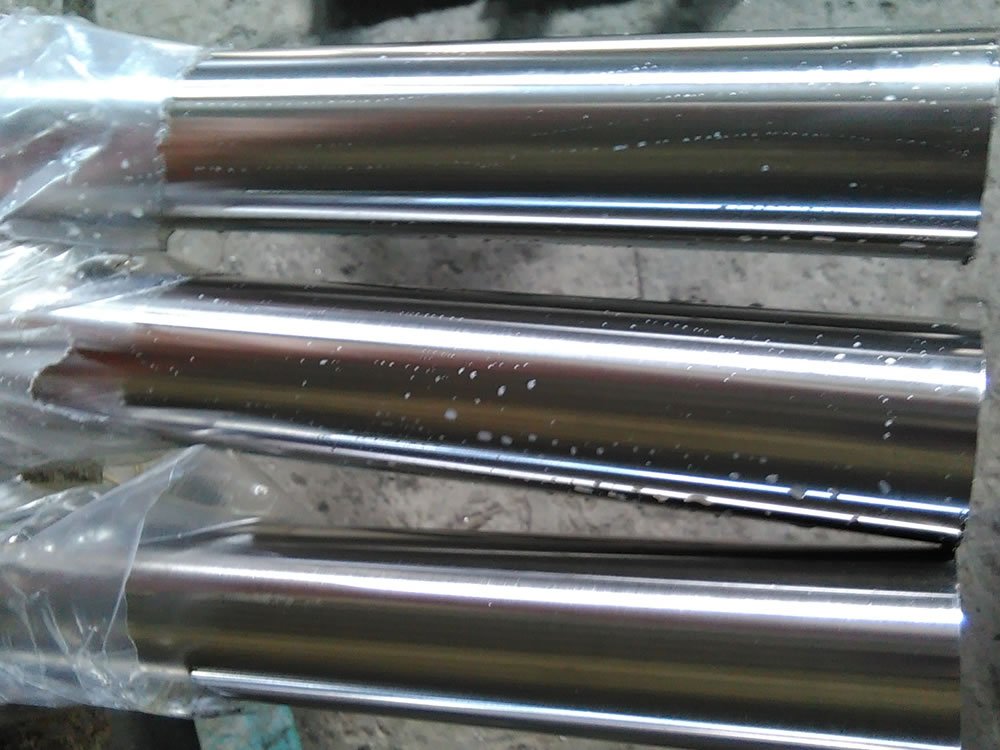
Resulting Appearance:

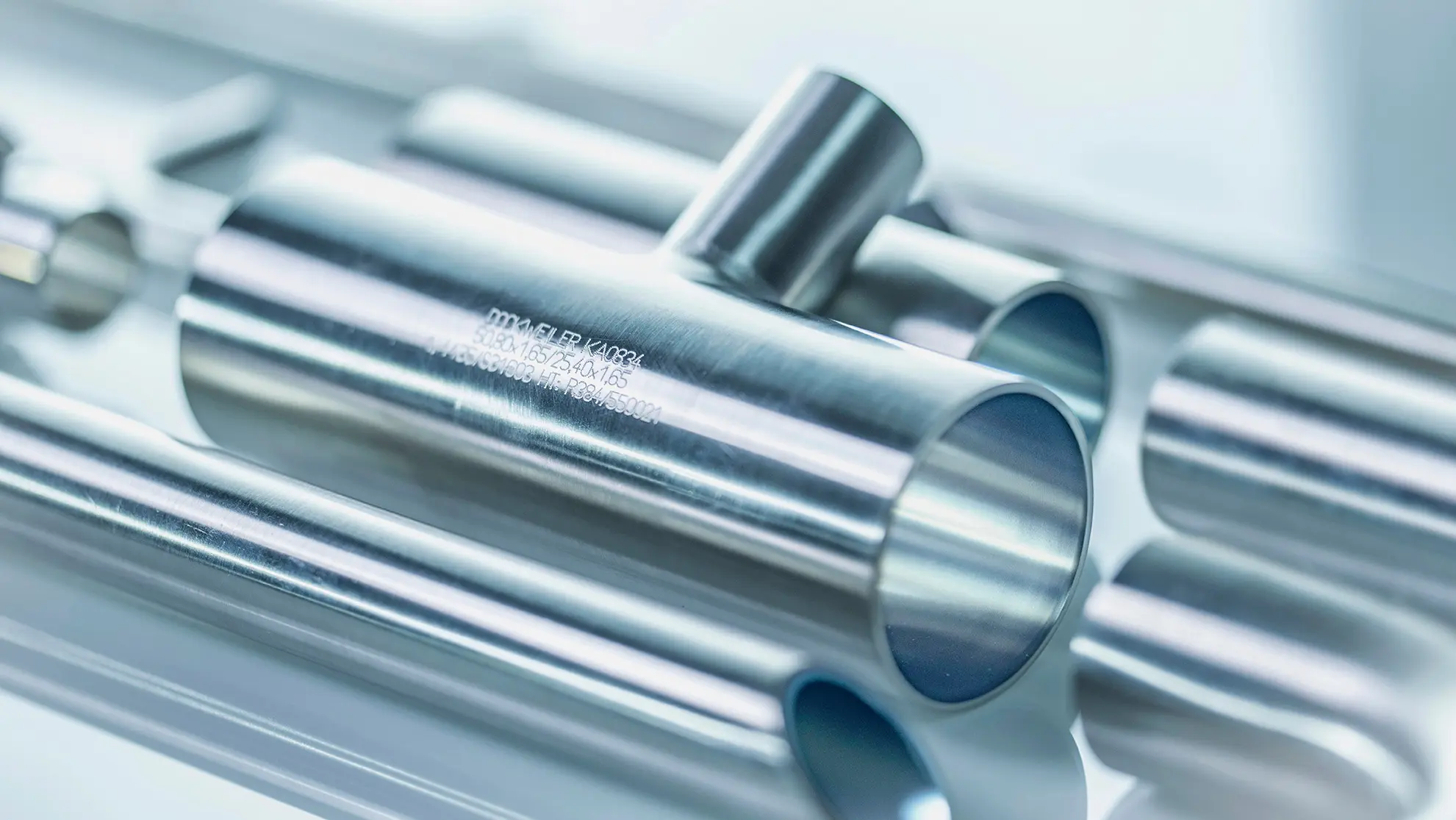
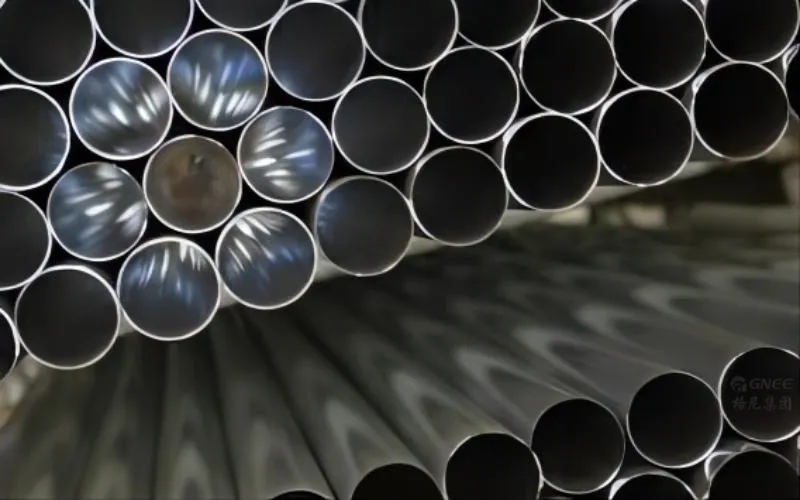
  • Mirror-like, reflective surface
  • Extremely smooth and clean

Benefits:

  • Ideal for hygienic applications (food, pharma, biotech)
  • Low Ra value (≤0.5 μm), suitable for CIP/SIP systems
  • Better resistance to particle adhesion and fouling
  • Often meets ASME BPE and 3-A Sanitary Standards

Reference: ASME BPE Standard Overview


Pickling vs Bright Annealing: Side-by-Side Comparison

FeaturePickled SurfaceBright Annealed Surface
AppearanceDull gray, matteShiny, mirror-like
Roughness (Ra)~1.2 – 3.2 μm~0.3 – 0.5 μm
Ideal ApplicationHeat exchangers, power plantsFood, pharma, cleanrooms
Corrosion ResistanceModerateExcellent (no oxide scale)
CostLowerHigher (special furnace needed)
Weld Seam RemovalYesNo (unless polished separately)
CleanabilityGoodSuperior
Industry StandardsASTM A269 / A213ASTM A270 / ASME BPE

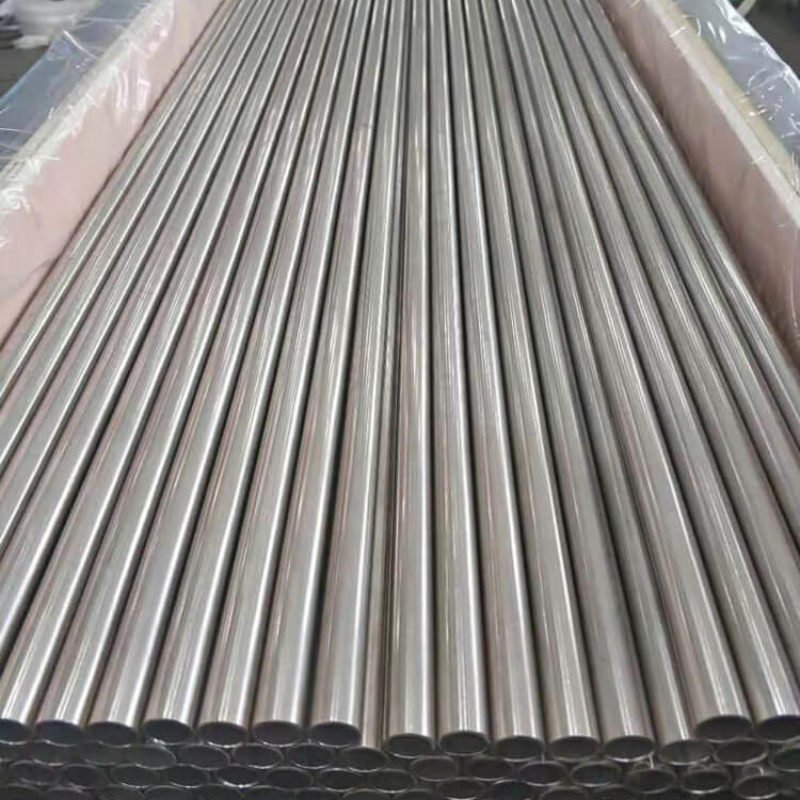
When to Choose Pickled Tubes

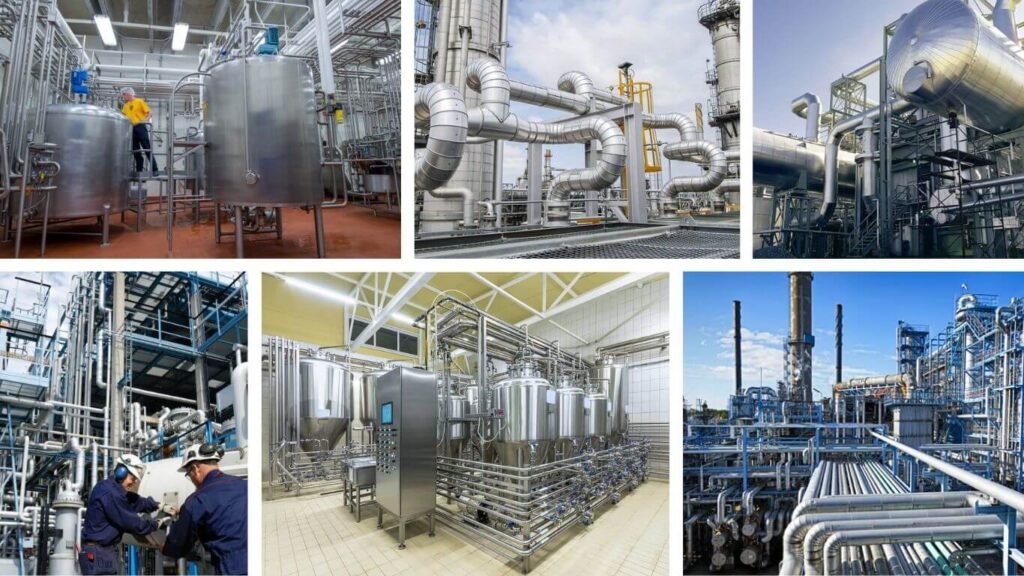
  • Power boiler and refinery heat exchangers
  • General industrial piping
  • Non-hygienic systems
  • Projects with tight budgets
  • Applications involving painting, galvanizing, or cladding
Pickling vs Bright Annealing: Which Surface Treatment Is Best for Stainless Steel Tubes?

When to Choose Bright Annealed Tubes

  • Dairy, brewery, beverage, and pharmaceutical plants
  • Semiconductor-grade water systems
  • UHT sterilizers and heat exchangers in sterile environments
  • Client requires electropolishing (BA is the base surface)

DLSS Surface Finish Capabilities

We offer:

  • Pickled Seamless Tubes in TP304L, TP316L, TP321, and Duplex
  • Bright Annealed Tubes with Ra ≤ 0.5 μm, available in long length or U-bent
  • Optional inner polishing, ID buffing, or EP (Electropolishing)
  • Full test reports with surface finish measurements and MTC EN 10204

Whether your priority is corrosion protection or sanitary perfection, we have a finish to match.
Pickling vs Bright Annealing: Which Surface Treatment Is Best for Stainless Steel Tubes?

Conclusion

The right surface treatment for stainless steel tubes depends on your industry, performance expectations, and regulatory requirements.

  • Use pickling for structural and high-temperature applications
  • Choose bright annealing for ultra-clean, hygienic systems

DLSS provides both solutions with quality control, documentation, and global export expertise.
Pickling vs Bright Annealing: Which Surface Treatment Is Best for Stainless Steel Tubes?

Contact DLSS
Email: info@dlsspipe.com
Website: www.dlsspipeline.com

Not sure which surface treatment your application needs? Our engineers are ready to advise.

Wonderful! Share This Case:

Austenitic Stainless Steel

Duplex Stainless Steel

Nickel Alloys

▪ Incoloy Family

▪ Inconel Family

▪ Monel Family

▪ Hastelloy Family

▪ Other Special Alloys

Cobalt Alloys

Related Posts

Finned Tube Cleaning and Maintenance Best Practices – Keep Your Heat Exchanger at Peak Performance

Finned Tube Cleaning and Maintenance

Finned tube cleaning and maintenance are critical to ensuring optimal heat transfer performance and extending the service life of heat exchangers. Without proper care, fouling, corrosion, and fin damage can reduce efficiency and increase operating costs. For background on preventing fouling, read our article How to Prevent Corrosion and Fouling in Finned Tubes. If you […]

Read More
Pickling vs Bright Annealing: Which Surface Treatment Is Best for Stainless Steel Tubes?

Pickling vs Bright Annealing: Which

Meta Description:Pickled or bright annealed? Learn the pros, cons, and applications of these two surface treatment methods used in stainless steel tube manufacturing. Introduction The performance of stainless steel tubes isn’t just about alloy grade or dimensional accuracy—surface finish plays a crucial role in corrosion resistance, cleanliness, and long-term durability. Two widely used surface treatments […]

Read More
Titanium Tubes vs Stainless Steel Tubes: Which One is Right for Your Heat Exchanger?

Titanium Tubes vs Stainless Steel

Meta Description:Compare titanium tubes and stainless steel tubes in terms of corrosion resistance, mechanical strength, cost, and applications. Find out which is the better material for your heat exchanger or industrial system. Introduction In corrosive or high-performance environments—such as desalination, chemical processing, or marine applications—material selection is crucial. Two common choices for heat exchanger tubing […]

Read More
Understanding Pickling and Passivation in Stainless Steel Tube Production

Understanding Pickling and Passivation in

Meta Description:Learn how pickling and passivation improve corrosion resistance in stainless steel tubes. Explore DLSS’s cleaning methods, ASTM standards, and industry-specific applications. Introduction Even the highest-grade stainless steel can suffer from surface contamination during tube forming, welding, or heat treatment. To restore the full corrosion resistance of stainless steel tubes, manufacturers must apply pickling and […]

Read More
Effective Cleaning Methods for Heat Exchangers: Techniques, Intervals, and Best Practices

Effective Cleaning Methods for Heat

Over time, all heat exchangers are affected by fouling, which leads to reduced heat transfer efficiency, increased pressure drop, and higher energy costs. Selecting the proper cleaning method is critical to maintaining system performance, extending service life, and ensuring process safety. This article explores the most widely used heat exchanger cleaning techniques, their advantages and […]

Read More
Improving Heat Exchanger Efficiency: Practical Strategies for Performance Optimization

Improving Heat Exchanger Efficiency: Practical

Whether in power plants, chemical facilities, HVAC systems, or food processing lines, heat exchanger efficiency directly impacts energy consumption, process reliability, and operating cost. Over time, even well-designed systems can suffer from performance degradation due to fouling, improper flow, or suboptimal configurations. This article outlines practical and engineering-proven methods to improve the efficiency of shell-and-tube […]

Read More
A Guide to Bright Annealed Stainless Steel Tubes – Benefits, Production, Applications

A Guide to Bright Annealed

Meta Description:Discover what bright annealed stainless steel tubes are, how they’re produced, and why they are essential in hygienic and high-purity applications such as pharmaceuticals, food processing, and semiconductors. Introduction In industries where surface finish, corrosion resistance, and cleanliness are critical, Bright Annealed (BA) stainless steel tubes are the preferred solution. With a mirror-like internal […]

Read More
The Role of Heat Treatment in Stainless Steel Tube Manufacturing

The Role of Heat Treatment

Meta Description:Understand the critical role of heat treatment in the manufacturing of stainless steel tubes. Learn about solution annealing, stress relieving, grain size control, and how these affect tube performance and quality. Introduction Heat treatment is not just a step in the production of stainless steel tubes—it is a fundamental quality determinant that affects corrosion […]

Read More

Request A Quote

*We respect your confidentiality and all information are protected.