Common Condenser Coil Problems and How to Prevent Them (Ultimate HVAC Maintenance Guide)

DLSS - Pipe&Tube - Common Condenser Coil Problems and How to Prevent Them (Ultimate HVAC Maintenance Guide)

What Is a Condenser Coil in an Air Conditioner?

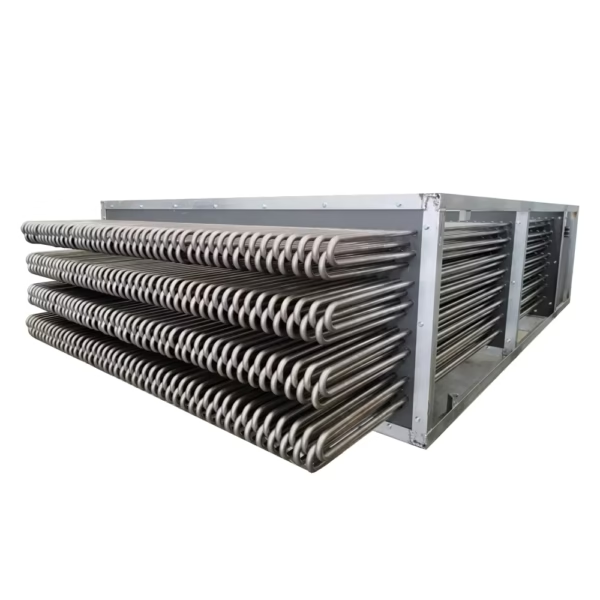
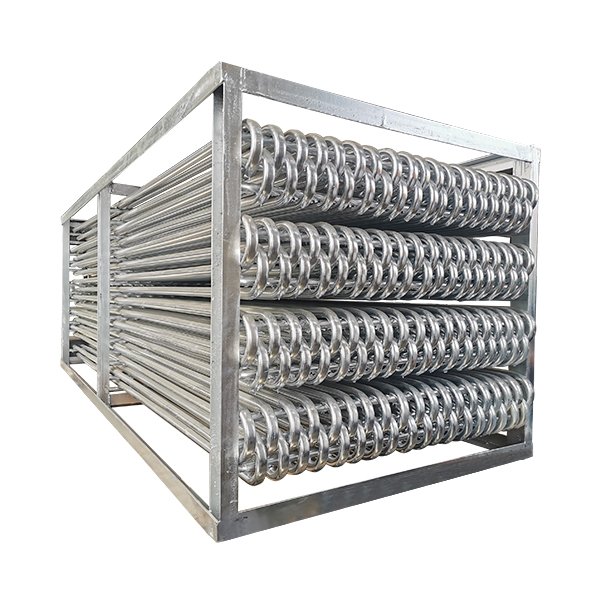
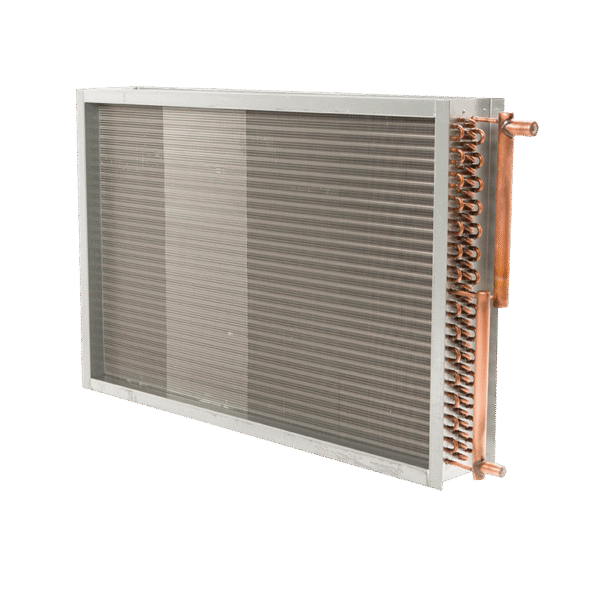
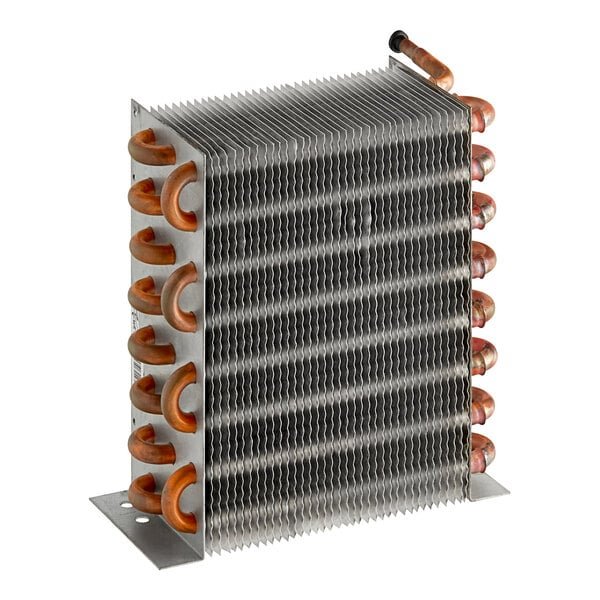
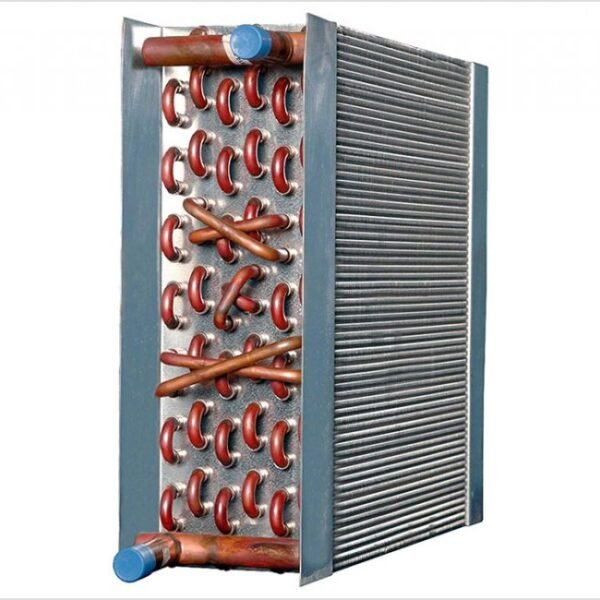
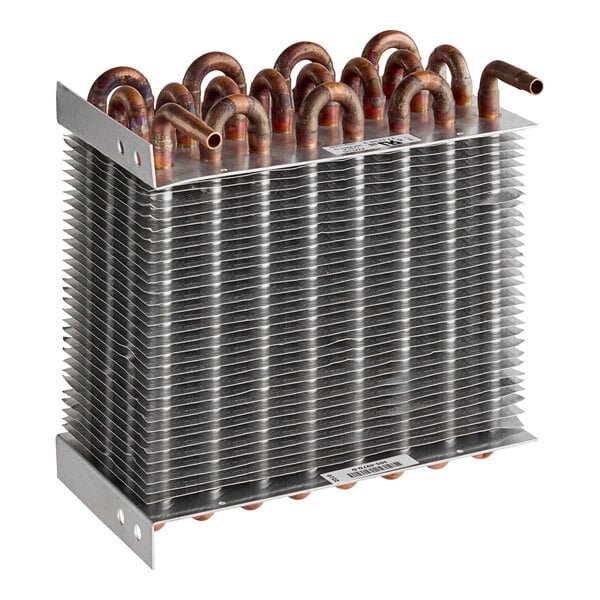
The condenser coil is the heart of your outdoor HVAC system. It’s responsible for releasing the heat collected indoors by your refrigerant. When the coil fails—due to dirt, leaks, or damage—your air conditioner stops cooling, your energy bills rise, and long-term system damage becomes inevitable.

Keyword Targets: condenser coil, HVAC system, air conditioner cooling problem, outdoor AC unit, refrigerant heat transfer
Common Condenser Coil Problems and How to Prevent Them (Ultimate HVAC Maintenance Guide)

6 Common Condenser Coil Problems That Lead to AC Failure

  1. Dirty Condenser Coil
    Dust, pollen, leaves, and debris build up on the coil fins and block heat transfer, leading to poor cooling performance and higher electricity bills.
  2. Bent or Damaged Fins
    Fins help disperse heat. When they’re bent by pressure washers or debris, airflow is restricted, causing compressor strain and AC inefficiency.
  3. Refrigerant Leak
    Corrosion, vibration, or age-related wear can cause the refrigerant lines to crack, resulting in low refrigerant levels, coil freezing, and system shutdown.
  4. Corrosion and Rust
    Coastal salt air, pollution, or industrial fumes can corrode condenser coils, reducing conductivity and accelerating failure.
  5. Overheating Condenser Unit
    Poor airflow and blocked coils force the AC compressor to overwork, leading to premature breakdown or expensive replacement.
  6. Electrical Faults & Sensor Failures
    Faulty sensors or burnt wiring may cause the condenser fan to stop, which leads to coil overheating and potential system damage.

Keyword Targets Added: dirty condenser coil, bent fins, refrigerant leak, condenser fan problems, overheating condenser, AC efficiency problems
Common Condenser Coil Problems and How to Prevent Them (Ultimate HVAC Maintenance Guide)

Signs Your Condenser Coil Might Be Failing

  • Air conditioner is not cooling properly
  • Noticeably higher utility bills
  • Outdoor unit is hot to the touch
  • Frequent system cycling (on and off)
  • Unusual AC noises
  • Water leaks or ice buildup on condenser coil

Keyword Targets: AC not cooling, high energy bills, air conditioner leaking water, frequent HVAC cycling
Common Condenser Coil Problems and How to Prevent Them (Ultimate HVAC Maintenance Guide)

How to Clean & Maintain a Condenser Coil (DIY + Professional Tips)

Basic DIY Coil Maintenance

  • Turn off power at the breaker
  • Gently remove visible debris from the coil surface
  • Use a coil cleaner spray or hose (never high pressure) to rinse dirt
  • Use a fin comb to straighten bent fins
  • Keep surrounding area clear for airflow

When to Call an HVAC Technician

  • Suspected refrigerant leak or low pressure
  • Frozen coil or iced fins
  • Ongoing cooling problems despite cleaning
  • Yearly HVAC tune-ups

Keyword Targets: condenser coil cleaning, HVAC maintenance, fin comb, refrigerant pressure check, professional AC repair
Common Condenser Coil Problems and How to Prevent Them (Ultimate HVAC Maintenance Guide)

7 Preventive Tips to Avoid Condenser Coil Damage

  1. Schedule biannual coil cleanings (spring & fall)
  2. Maintain 2–3 feet clearance around the outdoor unit
  3. Never use pressure washers on fins
  4. Apply protective coating in coastal or polluted areas
  5. Fix bent coil fins immediately
  6. Install leaf guards or mesh screens
  7. Perform regular HVAC inspections and change filters

Keyword Targets Added: preventive maintenance, condenser coil protection, AC inspection checklist, coil fin repair, dirty AC coil prevention
Common Condenser Coil Problems and How to Prevent Them (Ultimate HVAC Maintenance Guide)

Repair vs Replace: Is It Time for a New Coil?

ConditionRecommended Action
Minor dirt/bendsClean & maintain
Corrosion + leakReplace coil
AC over 12 years oldReplace full unit
Repair cost > 50% of newUpgrade system

Sometimes, upgrading to a new energy-efficient AC unit saves more in the long term, especially with modern HVAC systems offering better SEER ratings and eco-friendly refrigerants.

Keyword Targets: condenser coil replacement, energy-efficient AC, SEER rating, upgrade HVAC system
Common Condenser Coil Problems and How to Prevent Them (Ultimate HVAC Maintenance Guide)

Final Thoughts: Stay Cool, Save Money

clean and functional condenser coil means faster cooling, lower bills, and longer AC life. By addressing issues early—whether it’s a bent fin, refrigerant leak, or dirty coil—you avoid expensive breakdowns and uncomfortable summer days.

 Need help with condenser coil repair or HVAC maintenance? Work with licensed HVAC contractors who offer trusted, affordable, and fast service.

  • condenser coil problems
  • dirty condenser coil
  • refrigerant leak
  • bent condenser fins
  • HVAC maintenance tips
  • condenser coil cleaning
  • AC not cooling
  • air conditioner repair
  • high energy bills
  • replace condenser coil
  • preventive HVAC maintenance
  • corrosion on condenser coil

Wonderful! Share This Case:

Austenitic Stainless Steel

Duplex Stainless Steel

Nickel Alloys

▪ Incoloy Family

▪ Inconel Family

▪ Monel Family

▪ Hastelloy Family

▪ Other Special Alloys

Cobalt Alloys

Related Posts

Why Stainless Steel Seamless Tubes Are the Backbone of South America’s Energy Industry

Why Stainless Steel Seamless Tubes

Meta Description:Explore how stainless steel seamless tubes support South America’s oil, gas, and petrochemical infrastructure. Learn about key materials, standards, and corrosion-resistant solutions for high-performance applications. Introduction South America is rich in natural resources—but also in engineering challenges. With vast offshore oil fields, mountainous LNG projects, and acidic mining processes, the region demands durable, corrosion-resistant […]

Read More
ASTM vs JIS Standards: Choosing the Right Stainless Tube for Japan(ASTM規格とJIS規格の比較:日本市場向けステンレスチューブの選び方)

ASTM vs JIS Standards: Choosing

1. Introduction In the Japanese stainless steel tube market, buyers often compare ASTM (American Society for Testing and Materials) and JIS (Japanese Industrial Standards) specifications. Both systems have rigorous requirements, but understanding their differences is key to choosing the right stainless steel seamless tube Japan for specific applications such as 熱交換器 (heat exchangers) and 産業配管 […]

Read More

Disadvantages of Copper Tubes in

Copper tubes have been widely used in heat exchangers for decades, thanks to their excellent thermal conductivity and workability. However, as industries evolve and system requirements become more demanding, copper tubes are facing several limitations in terms of performance, durability, and lifecycle cost. In this blog, we’ll explore the main disadvantages of copper tubes in heat exchangers—and […]

Read More
belt-road-orders-stainless-steel-tube-strategy

Winning Orders in Belt and

With over 140 participating countries, China’s Belt and Road Initiative (BRI) has become one of the largest infrastructure investment programs in history. From oil pipelines in Pakistan to power plants in Southeast Asia and desalination facilities in Africa, the demand for stainless steel pipes, tubes, and heat exchanger systems is rapidly expanding. For Chinese manufacturers, […]

Read More
Choosing Between Seamless and Welded Stainless Steel Tubes: Which One Fits Your Project?

Choosing Between Seamless and Welded

Meta Description:Understand the pros and cons of seamless vs welded stainless steel tubes. Learn when to choose each type based on pressure, corrosion, cost, and application requirements. Introduction When specifying stainless steel tubes for your project—whether it’s a heat exchanger, fluid transport system, or structural framework—one of the most important decisions is choosing between seamless […]

Read More
ccus-carbon-capture-stainless-steel-pipe-requirements

Stainless Steel Tube Requirements in

As countries ramp up efforts to reach net-zero emissions, Carbon Capture, Utilization, and Storage (CCUS) technologies are being deployed at scale. These systems capture CO₂ from industrial processes or power generation and inject it deep underground—or repurpose it for industrial use. But behind every CCUS facility lies a network of high-performance stainless steel piping and […]

Read More
Stainless Steel U-Bend Tubes for Japan’s Condenser Systems – 日本向けコンデンサー用Uベンドステンレス管

Stainless Steel U-Bend Tubes for

Introduction In Japan’s power generation, chemical processing, and desalination industries, U-bend stainless steel tubes play a critical role in enhancing the efficiency of condenser systems. DLSS Stainless Steel Seamless Pipes are engineered to meet JIS G3463 – Stainless Steel Boiler and Heat Exchanger Tubes, ensuring precise bending, corrosion resistance, and optimal heat transfer for Japanese […]

Read More
Online Tube Dimension Measurement: Precision in Real-Time Manufacturing

Online Tube Dimension Measurement: Precision

In the modern manufacturing of precision tubing—especially stainless steel heat exchanger tubes—online tube dimension measurement has become an essential quality control tool. As customer requirements become stricter and global standards tighten, real-time monitoring of outer diameter (OD), wall thickness, ovality, and surface defects ensures that every tube leaving the production line meets exact specifications. In […]

Read More

Request A Quote

*We respect your confidentiality and all information are protected.