Stainless Steel Ultra-pure Clean BA/EP Tubes

DLSS - Pipe&Tube - Stainless Steel Ultra-pure Clean BA/EP Tubes

Stainless Steel Ultra-Pure Clean BA/EP Tubes for Semiconductor Applications

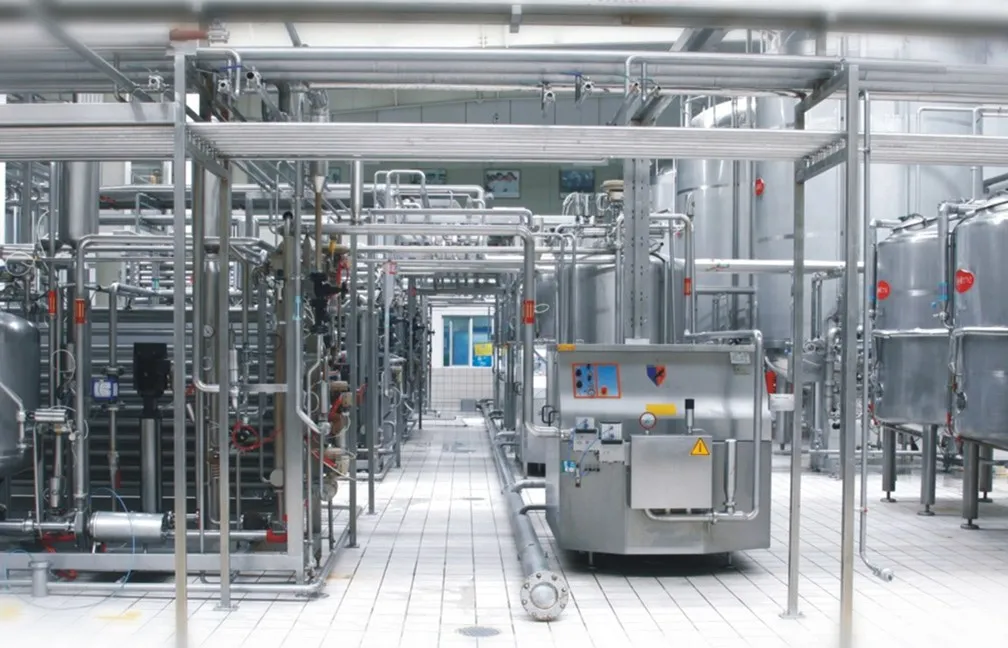
In the high-tech world of semiconductor manufacturing, purity is everything. From the wafers to the equipment, every component must meet stringent cleanliness standards to ensure flawless performance. Among the most critical components are ultra-pure stainless steel tubes, especially those with BA (Bright Annealed) and EP (Electropolished) finishes. These tubes are widely used for gas and liquid delivery systems in semiconductor fabrication equipment, ensuring the transported media remains uncontaminated throughout the process.
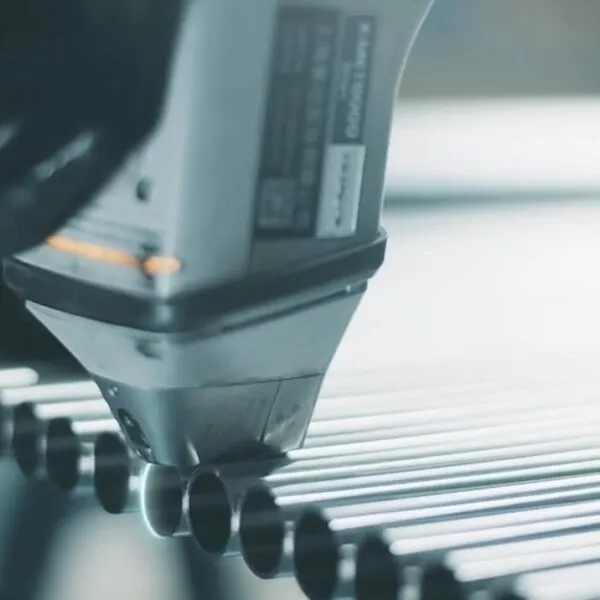
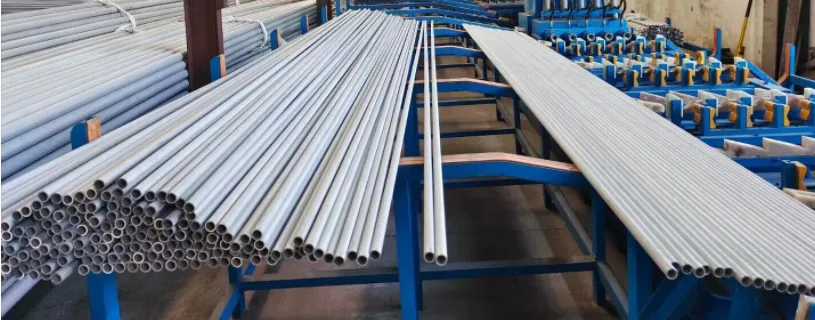
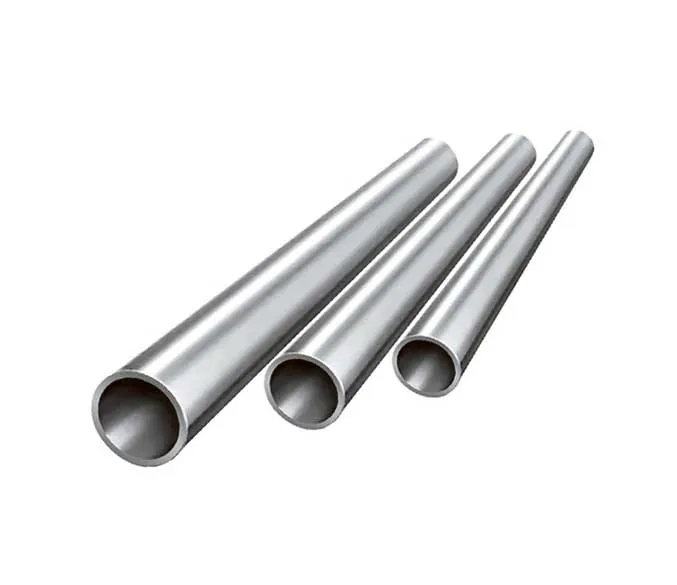
Stainless steel seamless bright tube

Why Ultra-Pure Stainless Steel Tubes Matter

Ultra-pure stainless steel tubing is engineered to deliver exceptional cleanliness, surface smoothness, and corrosion resistance. This makes it ideal for highly controlled environments, such as those found in the semiconductor and electronics industries. To meet such high demands, manufacturers must adopt advanced melting techniques to refine the steel to the highest purity levels.
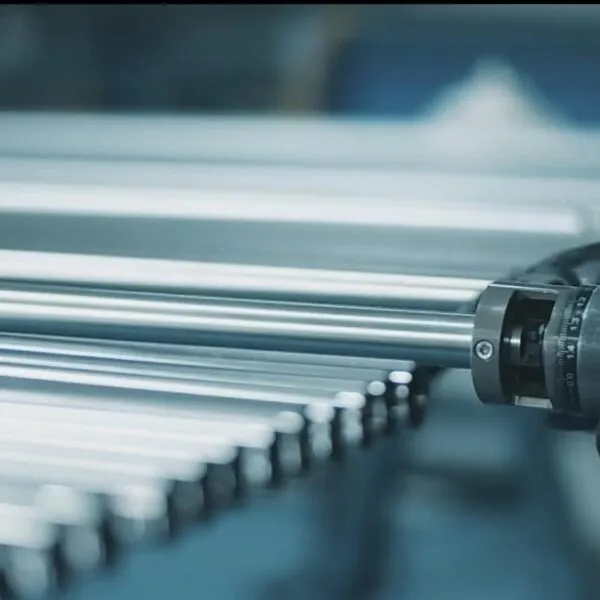
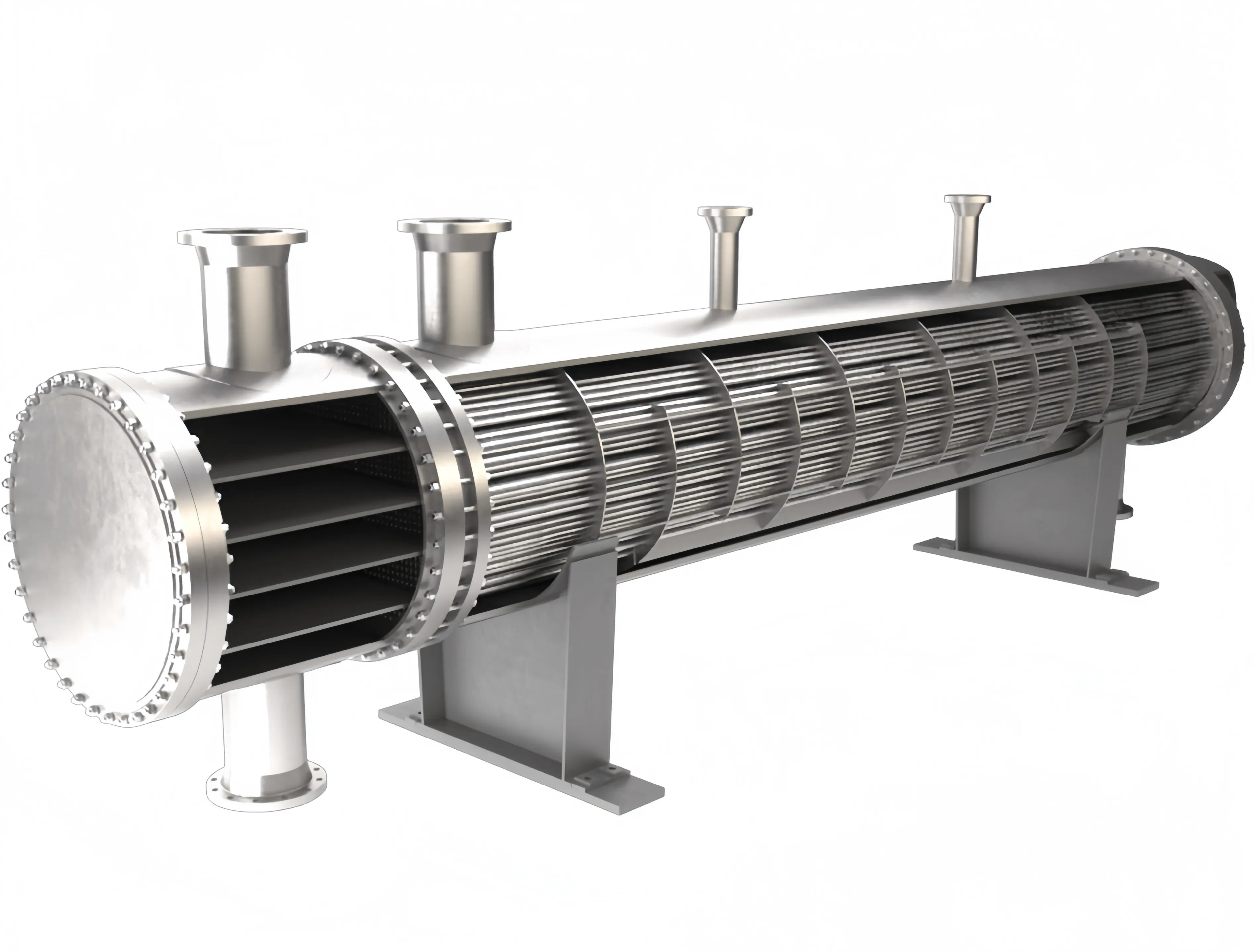
Stainless steel seamless bright tube

Specialized Melting Techniques for Ultra-Clean Tubes

The production of ultra-pure stainless steel tubes involves several advanced remelting processes, each contributing to improved purity, reduced inclusions, and uniformity:

  1. Vacuum Induction Melting (VIM)
    VIM significantly reduces the levels of gases such as oxygen, nitrogen, and hydrogen in the metal. It also helps to eliminate some non-metallic inclusions.
  2. Vacuum Arc Remelting (VAR)
    This secondary melting process further enhances metal cleanliness, minimizes inclusions, and ensures homogeneous composition throughout the ingot.
  3. Electro-Slag Remelting (ESR)
    ESR is particularly effective in removing non-metallic inclusions, thereby improving the purity and structural quality of the steel.
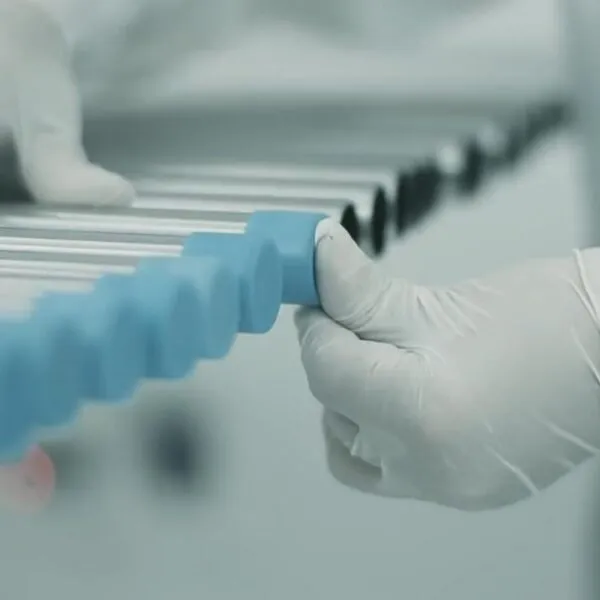
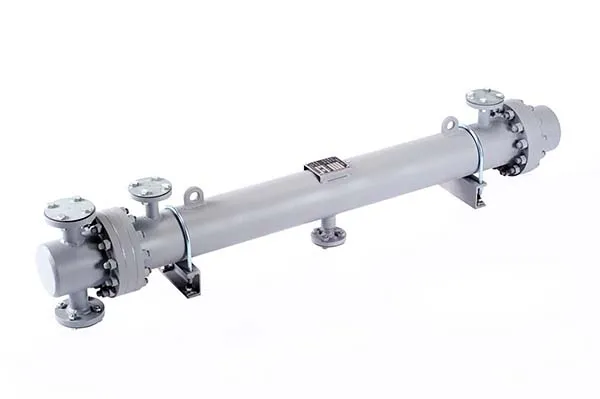
Stainless steel seamless bright tube

Key Product Features

Our BA/EP stainless steel ultra-pure clean tubes are specifically designed for demanding industries like semiconductors. Here’s what makes them stand out:

  • Extremely Low ABCD Inclusion Content
    These tubes maintain the highest level of metallic purity, reducing the risk of contamination.
  • Very Low N, H, O Element Content
    The controlled levels of nitrogen, hydrogen, and oxygen ensure superior corrosion resistance and cleanliness.
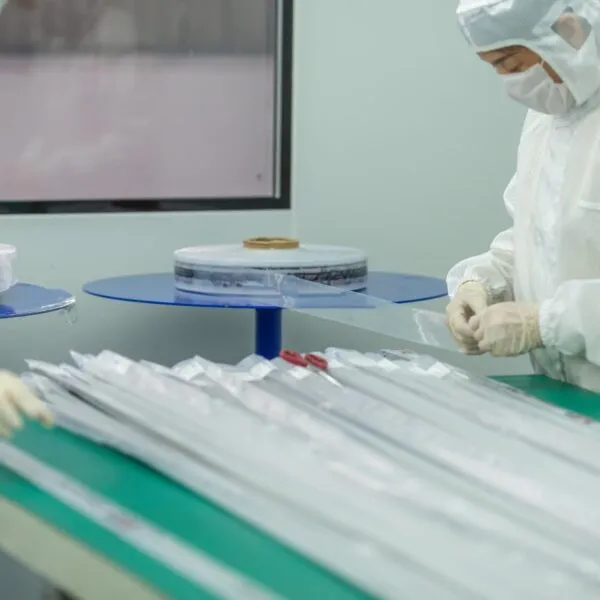
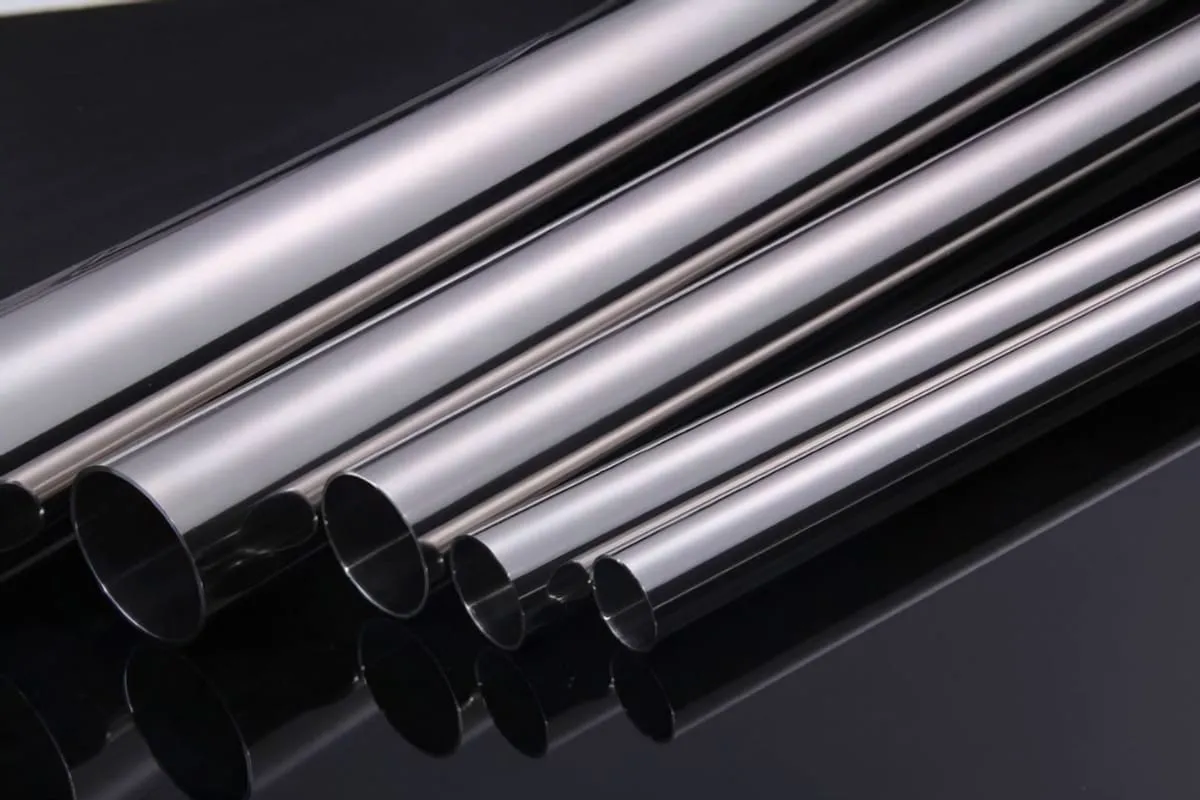
Stainless steel seamless bright tube

Common Grades and Specifications

  • Material Grades: 316L (VIM + VAR)
    Specially melted to meet semiconductor-grade purity standards.
  • Standards: ASTM A269, JIS G3459
    Internationally recognized standards for welded and seamless stainless steel tubing.
  • Size Range:
    Outer Diameter: 3.175 mm to 325 mm
    Wall Thickness: 0.5 mm to 20 mm
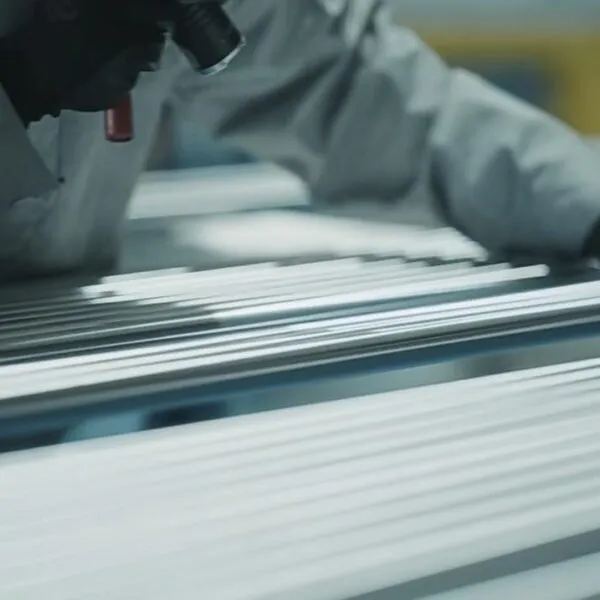
Stainless steel seamless bright tube

Applications in Semiconductor Industry

These ultra-clean tubes are crucial in:

  • High-purity gas delivery systems
  • Chemical distribution lines
  • Ultra-clean water systems
  • Vacuum and process piping

They ensure zero contaminationstable flow, and long-term durability—essential qualities for reliable semiconductor manufacturing.
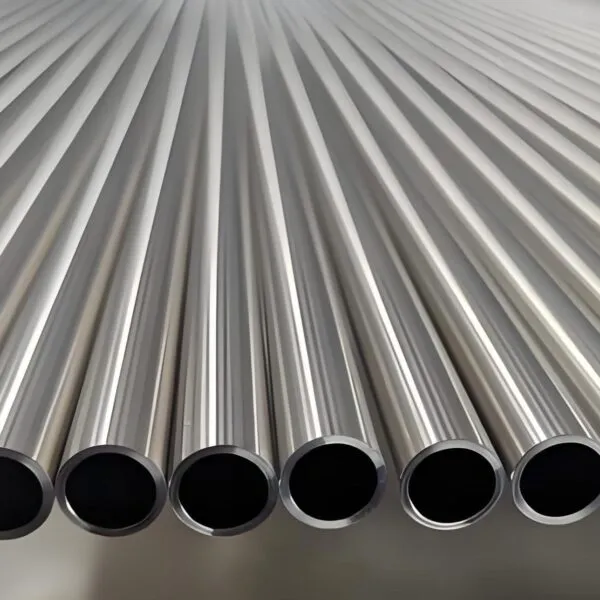
Stainless steel seamless bright tube

Conclusion

DLSS is proud to offer ultra-pure stainless steel tubing solutions that meet the most rigorous demands of the semiconductor industry. With state-of-the-art production and quality control systems, we deliver precision and reliability with every tube.

For inquiries or technical consultations, please contact us at info@dlsspipe.com
Learn more: www.dlsspipeline.com

Wonderful! Share This Case:

Austenitic Stainless Steel

Duplex Stainless Steel

Nickel Alloys

▪ Incoloy Family

▪ Inconel Family

▪ Monel Family

▪ Hastelloy Family

▪ Other Special Alloys

Cobalt Alloys

Related Posts

ASTM A789 S32750 Super Duplex

Meta Description: Explore how ASTM A789 S32750 Super Duplex stainless steel tubes are used in seawater condensers, offering unmatched resistance to corrosion, pitting, and stress cracking in marine environments. Introduction Seawater condenser systems operate in highly aggressive environments, constantly exposed to chloride ions and variable temperatures. Standard stainless steels like 304 or 316 often fail […]

Read More
How Long Do Stainless Steel Seamless Pipes Last? Lifespan, Factors, and Best Practices

How to Choose the Right

Why Material Selection Matters for Heat Exchanger Tubes In heat exchanger applications, the wrong material can lead to premature corrosion, low thermal efficiency, or even costly shutdowns. Whether you’re designing for a refinery, a desalination plant, or a food-grade chiller, choosing the right stainless steel tube is a crucial step in ensuring durability, reliability, and […]

Read More
TP904L Stainless Pipes for Seawater Desalination in Japan – 日本海水淡水化向けTP904Lステンレス管

TP904L Stainless Pipes for Seawater

Introduction Japan’s seawater desalination plants operate in highly corrosive environments due to the presence of chlorides and high salinity. TP904L stainless pipes from DLSS offer superior resistance to pitting and crevice corrosion, making them an ideal choice for JIS G3459 – Stainless Steel Pipes for Corrosion Resistance compliance in marine applications. 1. Why TP904L for […]

Read More
Understanding EN 10204 3.1 vs 3.2: Certification Types for Stainless Steel Tubes

Understanding EN 10204 3.1 vs

Meta Description:Learn the key differences between EN 10204 3.1 and 3.2 material certificates for stainless steel tubes. Understand which certificate your project needs and how DLSS ensures compliance. Introduction Material certification is essential for traceability and quality assurance in the supply of stainless steel tubes, especially in industries like oil & gas, power generation, and […]

Read More
How to Accurately Measure Pipe Wall Thickness Using a Micrometer

How to Accurately Measure Pipe

In the manufacturing and inspection of metal pipes—whether stainless steel, carbon steel, or alloy—the wall thickness is a key dimensional parameter. Precise wall thickness affects mechanical strength, pressure resistance, and long-term reliability, especially in critical applications such as heat exchangers, boilers, and petrochemical piping systems. One of the most accurate methods for determining wall thickness […]

Read More
Custom Finned Tube Solutions for Offshore and Marine Applications

Custom Finned Tube Solutions for

Offshore oil platforms, marine vessels, and coastal industrial facilities require custom finned tube solutions that can withstand the challenges of seawater corrosion, high humidity, and continuous operation. At DLSS, we specialize in designing and manufacturing offshore and marine finned tube heat exchanger components with precision engineering and enhanced durability. For understanding different finned tube types, […]

Read More
global shipbuilding industry trends

Global Shipbuilding Industry: Opportunities and

The shipbuilding industry has long been a foundation of global trade and maritime power. In today’s era of globalization, sustainability challenges, and energy transition, shipbuilding remains one of the world’s most strategic industries. From transporting goods and passengers to supporting defense and offshore energy, shipbuilding shapes the future of international commerce and technology. East Asia’s […]

Read More

TP304 vs TP316L: A Comprehensive

Introduction TP304 and TP316L are the two most widely used austenitic stainless steel grades in industrial piping, particularly in heat exchangers, boiler systems, and chemical plants. While both belong to the same stainless steel family, they differ in corrosion resistance, mechanical properties, and application suitability. In this article, we compare TP304 and TP316L across 5 key aspects to help engineers, procurement teams, and project […]

Read More

Request A Quote

*We respect your confidentiality and all information are protected.