Do Stainless Steel Seamless Pipes Leak? Causes, Risks, and How to Prevent It

DLSS - Pipe&Tube - Do Stainless Steel Seamless Pipes Leak? Causes, Risks, and How to Prevent It

Meta Description:
Are stainless steel seamless pipes leak-proof? Discover the real causes of leakage, how to prevent failures, and what international standards say about pipe integrity.


Introduction

One of the most frequently asked questions by project engineers, maintenance managers, and buyers is:

“Will stainless steel seamless pipes leak?”

The short answer:
Under normal use and proper installation, stainless steel seamless pipes do not leak.
But leaks can still happen due to external factors, poor handling, or incorrect material choice.

In this blog, we’ll explore what causes stainless steel pipes to leak, how to prevent it, and what certifications and standards to look for when sourcing.


Why Seamless Pipes Are Less Likely to Leak

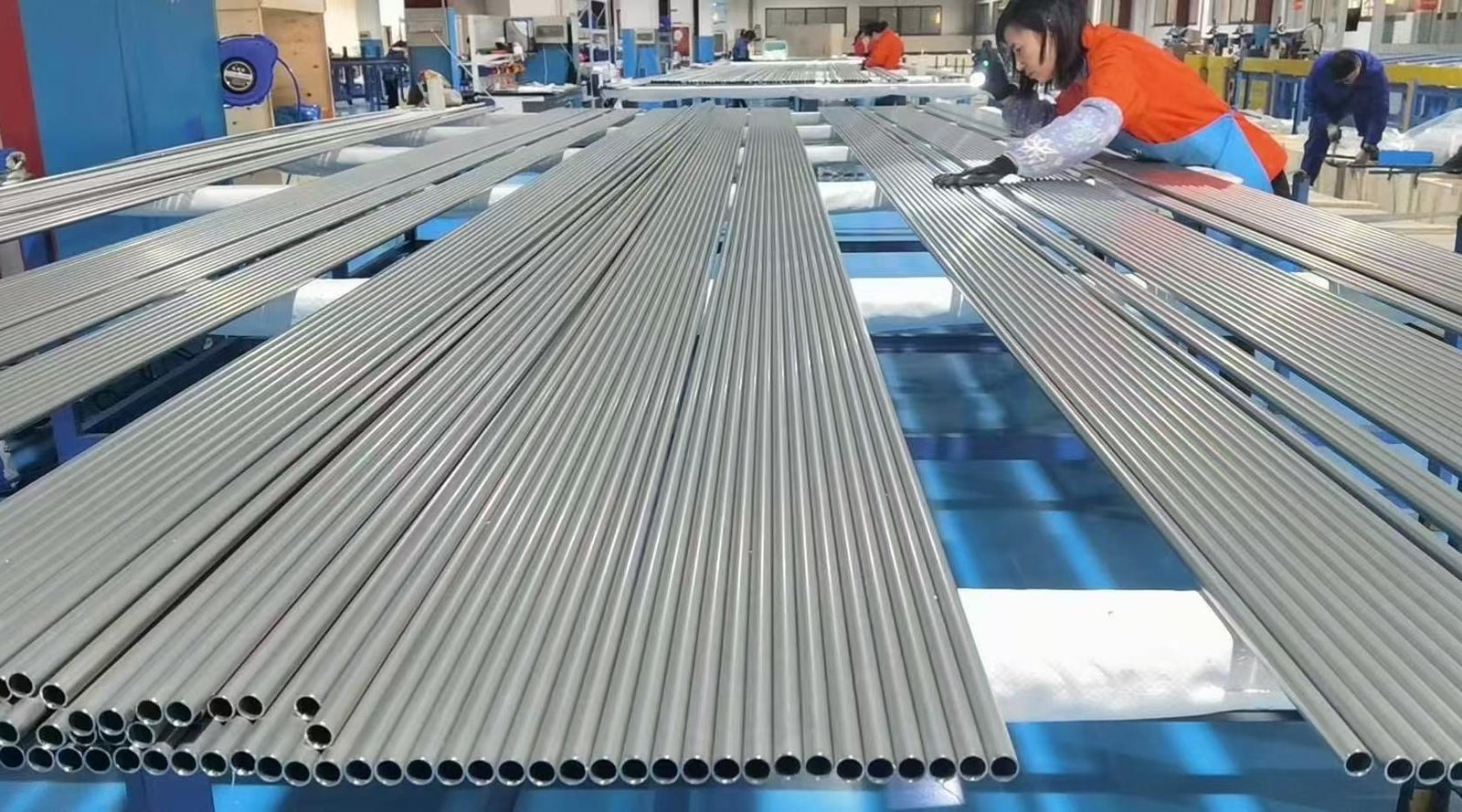
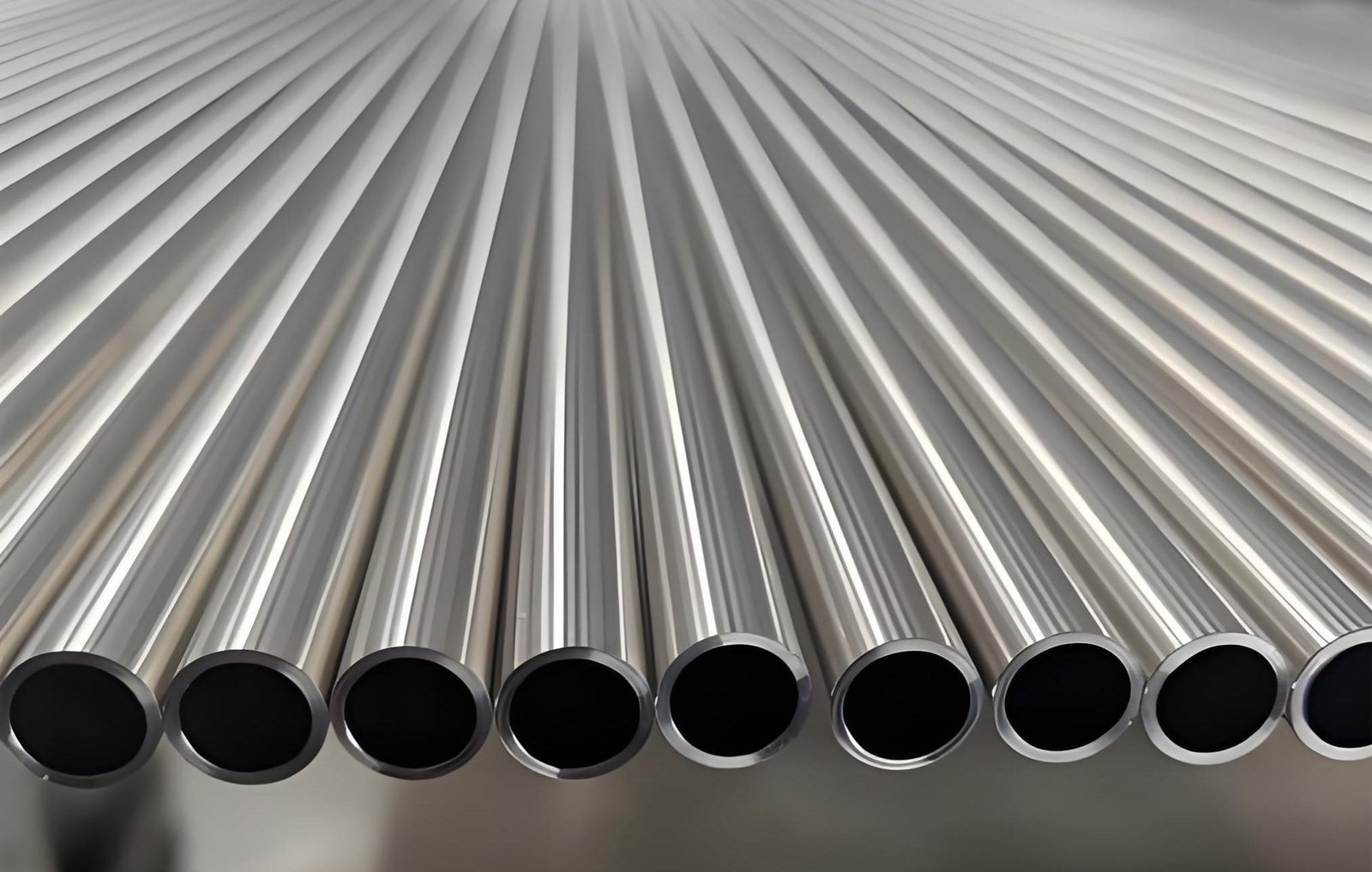
Seamless stainless steel pipes are manufactured without a longitudinal weld, which eliminates a major point of weakness found in welded pipes.

According to the ASTM A312 standard, seamless pipes are recommended for high-pressure or corrosive services because they offer:

  • Uniform wall thickness
  • No weld seam cracking risk
  • Better resistance to thermal fatigue
  • Higher reliability under stress

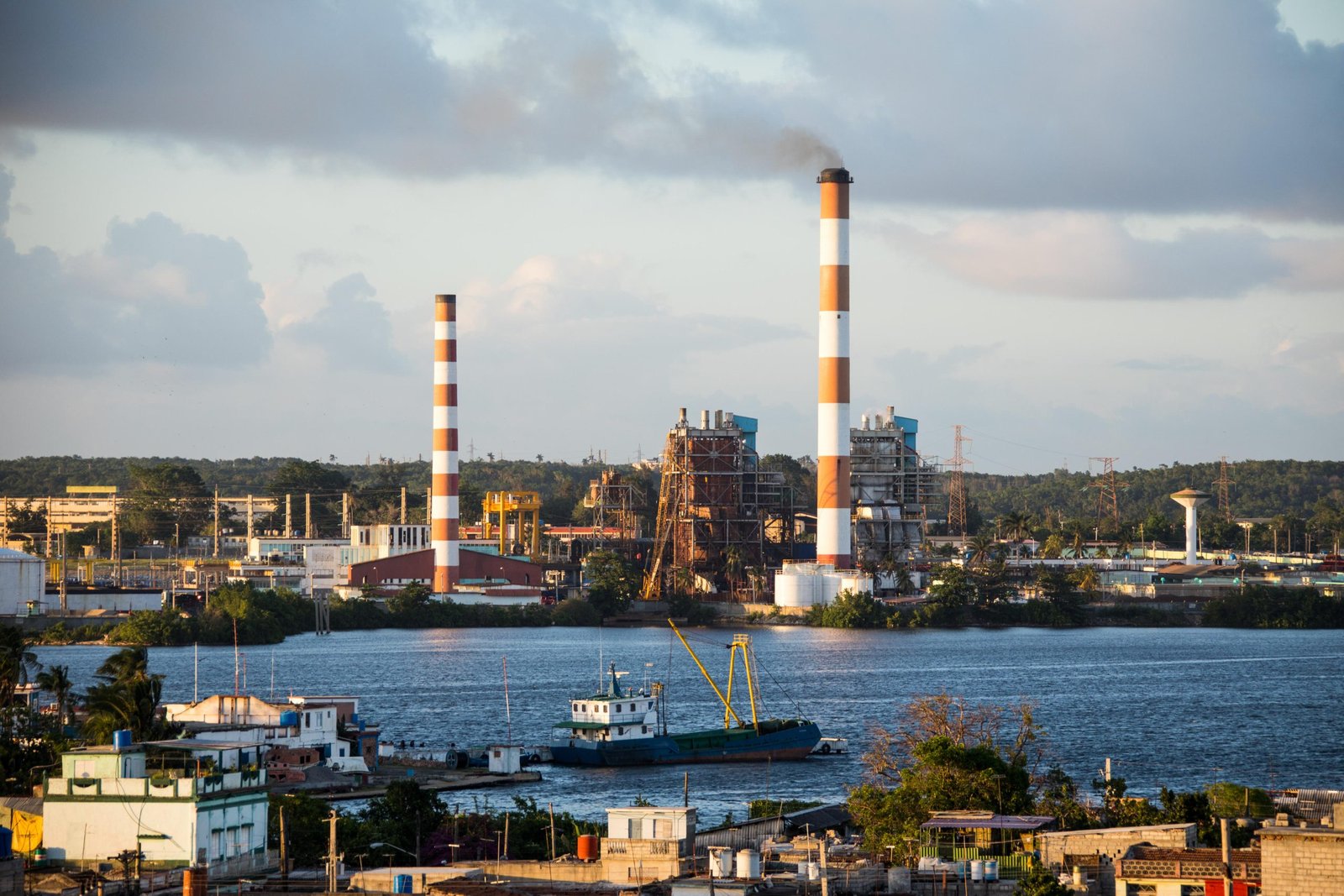
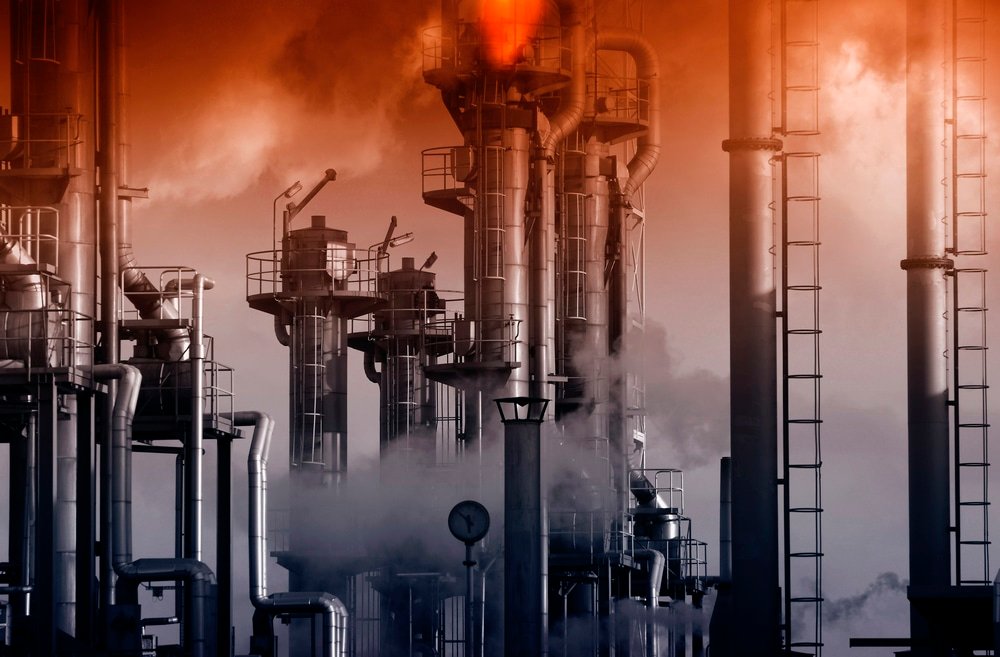
Because of this, seamless pipes are often used in boiler systems, heat exchangers, LNG plants, offshore pipelines, and refineries.


Common Causes of Leakage in Stainless Steel Pipes

Even seamless pipes can leak—but usually not because of the pipe itself. Leaks often stem from:

1. Poor Installation Practices

  • Excessive torque on threaded joints
  • Improper flange sealing or misalignment
  • Lack of support, causing pipe sag and vibration

2. Incorrect Material Selection

  • Using TP304 in chloride-rich environments
  • Choosing thin wall pipes in high-pressure systems
  • No NACE certification in H₂S service

More info: NACE MR0175 Guidelines for sour service

3. External Corrosion or Mechanical Damage

  • Chloride attack in coastal areas
  • Chemical exposure without proper coating
  • Physical denting during transport or handling

4. Thermal Cycling or Stress Fatigue

Repeated heating and cooling can cause joint fatigue or microcracks—especially in systems with expansion or vibration.


How to Prevent Stainless Pipe Leaks

✔ Use the Right Material

For aggressive environments (e.g., seawater, sulfuric acid), consider:

  • TP316L instead of TP304
  • Duplex stainless for better chloride resistance
  • Incoloy 825 or Alloy 625 for sour gas or acid exposure

✔ Follow International Standards

Ensure pipe supply complies with:

  • ASTM A312 or A213
  • EN 10216-5 for seamless stainless tubes
  • NACE MR0175 for sour gas environments
  • ASME B31.3 / B31.1 for pressure piping design

✔ Pay Attention to Surface Finish

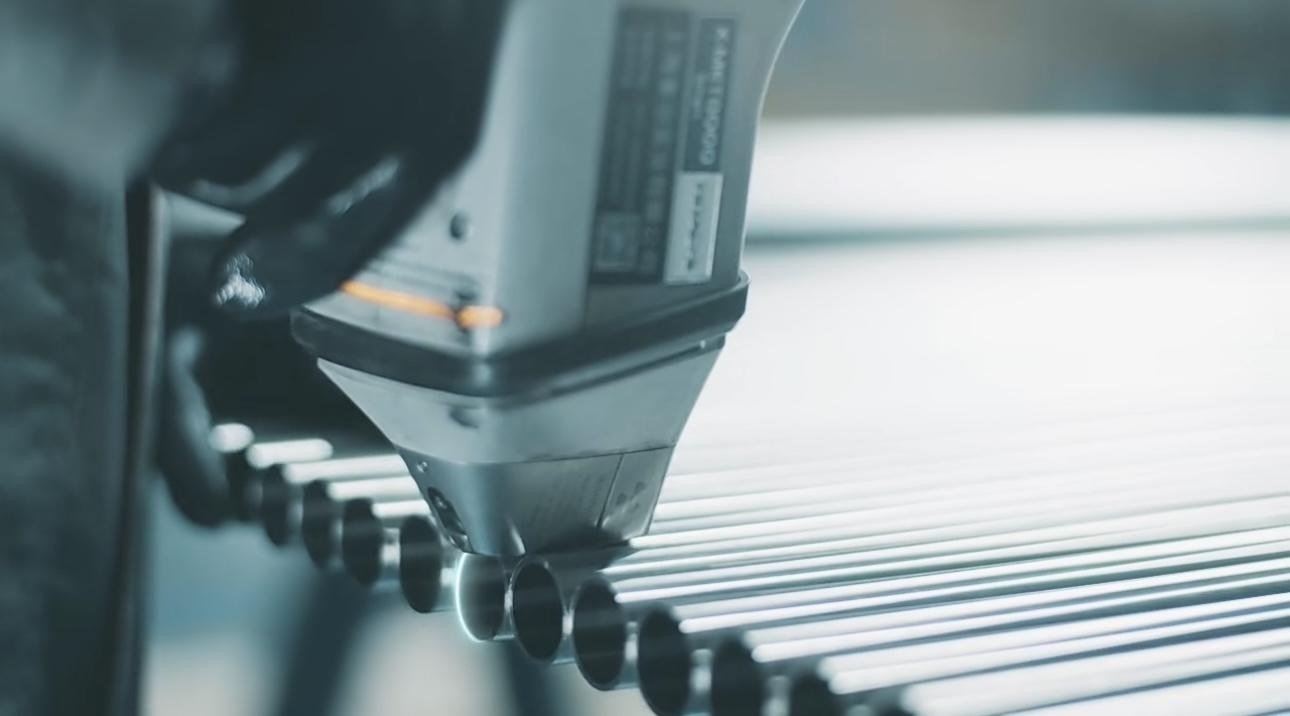
Pickled and passivated pipes resist corrosion better. For sanitary or corrosive applications, bright annealed or electropolished finishes are ideal.

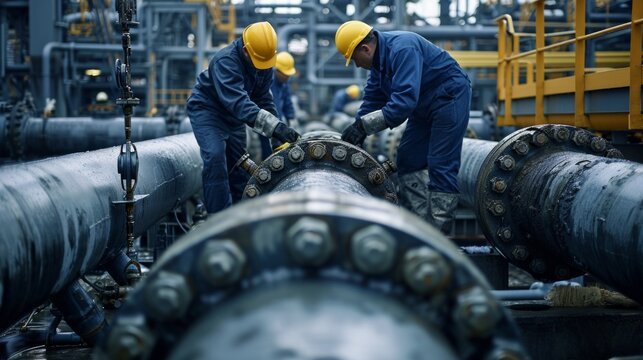
✔ Perform Proper Installation

  • Align flanges and gaskets carefully
  • Support long runs to prevent deflection
  • Use torque charts and tighten joints evenly
  • Avoid field welding unless qualified

Frequently Asked Questions (FAQ)

Q1: Is seamless pipe completely leak-proof?
No pipe is absolutely leak-proof. However, seamless pipes significantly reduce leak risk when properly installed and used within design limits.

Q2: What is the most common reason for a stainless pipe leak?
Poor installation or wrong material choice. The pipe itself rarely fails unless damaged or misapplied.

Q3: Can corrosion cause leaks in stainless steel pipes?
Yes—especially in high-chloride or acidic environments. Material grade and surface treatment matter.

Q4: Does DLSS provide leakage-resistant pipe solutions?
Yes. DLSS supplies ASTM- and NACE-compliant seamless tubes with surface finishing, inspection, and packaging designed to reduce leak risks.


Conclusion

Stainless steel seamless pipes are among the most reliable options for critical piping systems. While no system is immune to leaks, proper installation, material selection, and standards compliance make leakage extremely unlikely.

DLSS supports global projects with certified seamless pipes for heat exchangers, LNG, petrochemical, and high-pressure applications—engineered for long-term reliability.


Contact DLSS
Email: info@dlsspipe.com
Website: www.dlsspipeline.com

Wonderful! Share This Case:

Austenitic Stainless Steel

Duplex Stainless Steel

Nickel Alloys

▪ Incoloy Family

▪ Inconel Family

▪ Monel Family

▪ Hastelloy Family

▪ Other Special Alloys

Cobalt Alloys

Related Posts

Online Tube Dimension Measurement: Precision in Real-Time Manufacturing

Online Tube Dimension Measurement: Precision

In the modern manufacturing of precision tubing—especially stainless steel heat exchanger tubes—online tube dimension measurement has become an essential quality control tool. As customer requirements become stricter and global standards tighten, real-time monitoring of outer diameter (OD), wall thickness, ovality, and surface defects ensures that every tube leaving the production line meets exact specifications. In […]

Read More
ASTM A789 S32750 Super Duplex Steel Seamless Tube 19*2.4MW Bright Annealed Type

Global Heat Exchanger Tube Standards

Meta Description:Compare global heat exchanger tube standards including ASTM, EN, GOST, and JIS. Understand their key differences, material designations, dimensional tolerances, and testing requirements. Introduction In the international heat exchanger industry, buyers and engineers frequently encounter various regional and international standards. The most commonly used include: Understanding the similarities and differences between these standards is […]

Read More
hygienic-food-pharma-heat-exchanger-stainless-steel

Hygienic Stainless Steel Heat Exchanger

In the food and pharmaceutical industries, cleanliness is not optional—it’s mandatory. Heat exchangers in these sectors are integral to pasteurization, sterilization, CIP (clean-in-place) loops, and product temperature control. That’s why the choice of tubing is critical. Sanitary-grade stainless steel tubes ensure both product safety and regulatory compliance, while also withstanding the harsh cleaning agents and […]

Read More

How to Choose High-Quality Stainless

Stainless steel tubes are commonly used in heat exchanger systems because they are corrosion-resistant and have a long lifespan. However, how do you choose the right stainless steel tube? This article will help you understand the key factors to consider when selecting stainless steel tubes. 1、Material Grade Stainless steel tubes are commonly used in heat exchanger […]

Read More
Middle East Market Insight: Stainless Steel Seamless Tube Demand in Refining and Desalination Projects

Middle East Market Insight: Stainless

The Middle East remains one of the world’s largest consumers of stainless steel seamless tubes—driven by oil & gas refining, petrochemical facilities, and mega-scale desalination and water treatment plants. As Gulf countries shift toward more technologically advanced, environmentally compliant, and cost-efficient infrastructure, the demand for U-bent heat exchanger tubes, duplex/super duplex grades, and ASME/PED-certified seamless […]

Read More
Low-Fin vs Corrugated Tubes – Which Is Better for Heat Transfer Efficiency?

Low-Fin vs Corrugated Tubes –

Meta Description:Compare low-fin and corrugated stainless steel tubes for heat exchanger applications. Understand the advantages, design differences, and how to choose the most efficient option for your thermal system. Introduction When optimizing a heat exchanger’s performance, selecting the right tube geometry can dramatically impact thermal transfer efficiency, pressure drop, and equipment footprint. Among the most […]

Read More
Selecting Stainless Steel Tubes for Food, Beverage & Sanitary Applications (2025 Guide)

Selecting Stainless Steel Tubes for

Why Sanitary Tubing Matters in Food and Beverage Systems In the food and beverage industry, stainless steel tubing is not just about mechanical performance—it’s about hygiene, cleanliness, and compliance. Tubes are used to transport milk, beer, juice, water, or cleaning agents in systems that demand zero contamination, excellent cleanability, and corrosion resistance. Improper material selection […]

Read More
Stainless steel seamless bright tube

Stainless Steel Ultra-pure Clean BA/EP

Stainless Steel Ultra-Pure Clean BA/EP Tubes for Semiconductor Applications In the high-tech world of semiconductor manufacturing, purity is everything. From the wafers to the equipment, every component must meet stringent cleanliness standards to ensure flawless performance. Among the most critical components are ultra-pure stainless steel tubes, especially those with BA (Bright Annealed) and EP (Electropolished) finishes. These tubes are widely […]

Read More

Request A Quote

*We respect your confidentiality and all information are protected.