Introduction
In the international heat exchanger industry, buyers and engineers frequently encounter various regional and international standards. The most commonly used include:
- ASTM (American)
- EN (European)
- GOST (Russian)
- JIS (Japanese)
Understanding the similarities and differences between these standards is essential when sourcing or specifying stainless steel seamless tubes, particularly for high-pressure, thermal, or corrosive environments.
This article provides a clear comparison to help you confidently navigate these standards in your next project.
1. ASTM Standards (United States)
ASTM (American Society for Testing and Materials) is widely used globally, especially in the oil, gas, petrochemical, and power generation sectors.
Common Heat Exchanger Tube Standards:
| ASTM Code | Description |
|---|---|
| ASTM A213 | Seamless ferritic and austenitic alloy steel tubes for boilers, superheaters, and heat exchangers |
| ASTM A269 | Seamless and welded austenitic stainless steel tubes (general corrosion resistance) |
| ASTM A789 | Seamless/welded duplex stainless tubes |
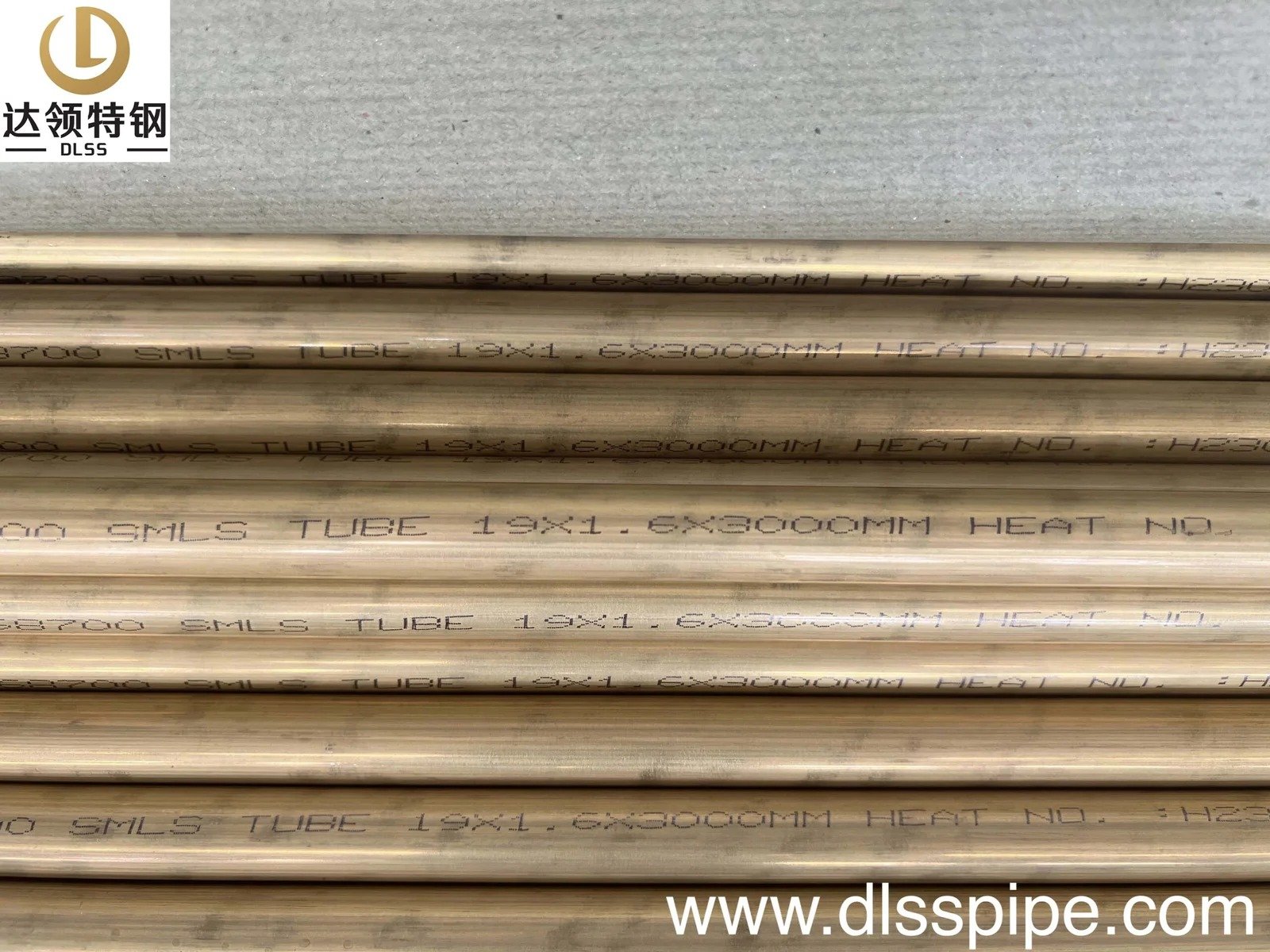
| ASTM B111 | Copper/brass alloys for condensers and evaporators |
Key Features:
- Material grades: TP304, TP316L, TP321, S31803, C44300
- Testing: Eddy Current, Hydrostatic, Flattening, Flare
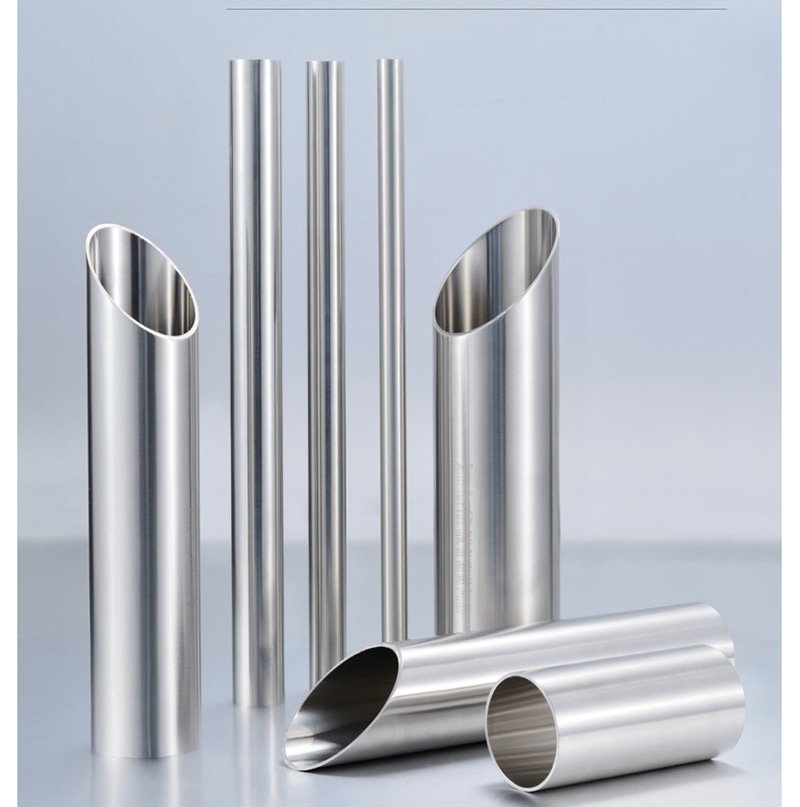
- Surface: Pickled, Bright Annealed (BA)
Reference: ASTM International
2. EN Standards (Europe)
EN standards are prevalent in EU-based EPCs, OEMs, and projects involving CE certification or PED compliance.
Common Standards for Tubes:
| EN Code | Description |
|---|---|
| EN 10216-5 | Seamless stainless tubes for pressure purposes |
| EN 10217-7 | Welded stainless tubes for pressure purposes |
| EN 10357 | Sanitary stainless tubes (replacement of DIN 11850) |
Key Differences from ASTM:
- Dimensional tolerances are often stricter (e.g., OD and WT)
- Material designation uses numeric codes (e.g., 1.4301 for 304)
- Surface finish classification uses codes like D3, D4, M
Example:
- ASTM TP316L = EN 1.4404
- ASTM TP304 = EN 1.4301
European authority: CEN (European Committee for Standardization)
3. GOST Standards (Russia/CIS)
GOST standards are widely used in Russia, Kazakhstan, Uzbekistan, and CIS countries, particularly for oil refineries, chemical plants, and state projects.
Common Tube Standards:
| GOST Code | Description |
|---|---|
| GOST 9941 | Seamless stainless tubes for general use |
| GOST 5632 | Stainless and heat-resistant steel specifications |
| GOST 17375 | Fittings and elbows for pipelines |
Key Characteristics:
- Often includes mechanical properties, chemical composition, and production method in one document
- Metric dimensions
- Typically compared against ASTM equivalents during import/export
Example:
GOST 08X18H10 = AISI 304
4. JIS Standards (Japan)
Japanese Industrial Standards (JIS) are commonly required in Korean and Japanese projects or by Asian OEMs.
Common Standards:
| JIS Code | Description |
|---|---|
| JIS G3459 | Stainless steel pipes for general service |
| JIS G3463 | Stainless steel boiler and heat exchanger tubes |
| JIS H3300 | Copper alloy tubes |
Material Equivalents:
- SUS304 = AISI 304 = EN 1.4301
- SUS316L = AISI 316L = EN 1.4404
JIS standards often specify surface roughness and cleanliness for food and medical-grade tubes.
Source: Japanese Standards Association
Comparison Table
| Feature / Standard | ASTM | EN | GOST | JIS |
|---|---|---|---|---|
| Origin | USA | European Union | Russia/CIS | Japan |
| Pressure rating | Specified | Specified (TC1/TC2) | Must interpret | Specified |
| Dimensional units | Inch / mm | Metric | Metric | Metric |
| Common grades | TP316L, TP304 | 1.4404, 1.4301 | 08X18H10, 12X18H10T | SUS304, SUS316L |
| Inspection terms | MTC 3.1 / 3.2 | MTC 3.1 / 3.2 | Passport + GOST cert | MTC or JIS report |
| Market use | Global, API users | CE-marked projects | Regional, state EPC | OEMs in Asia |
DLSS: Global Supply Partner for Multi-Standard Projects
We offer:
- Tubes compliant with ASTM A213, EN 10216-5, GOST 9941, and JIS G3463
- Seamless tubing in austenitic, duplex, and nickel alloys
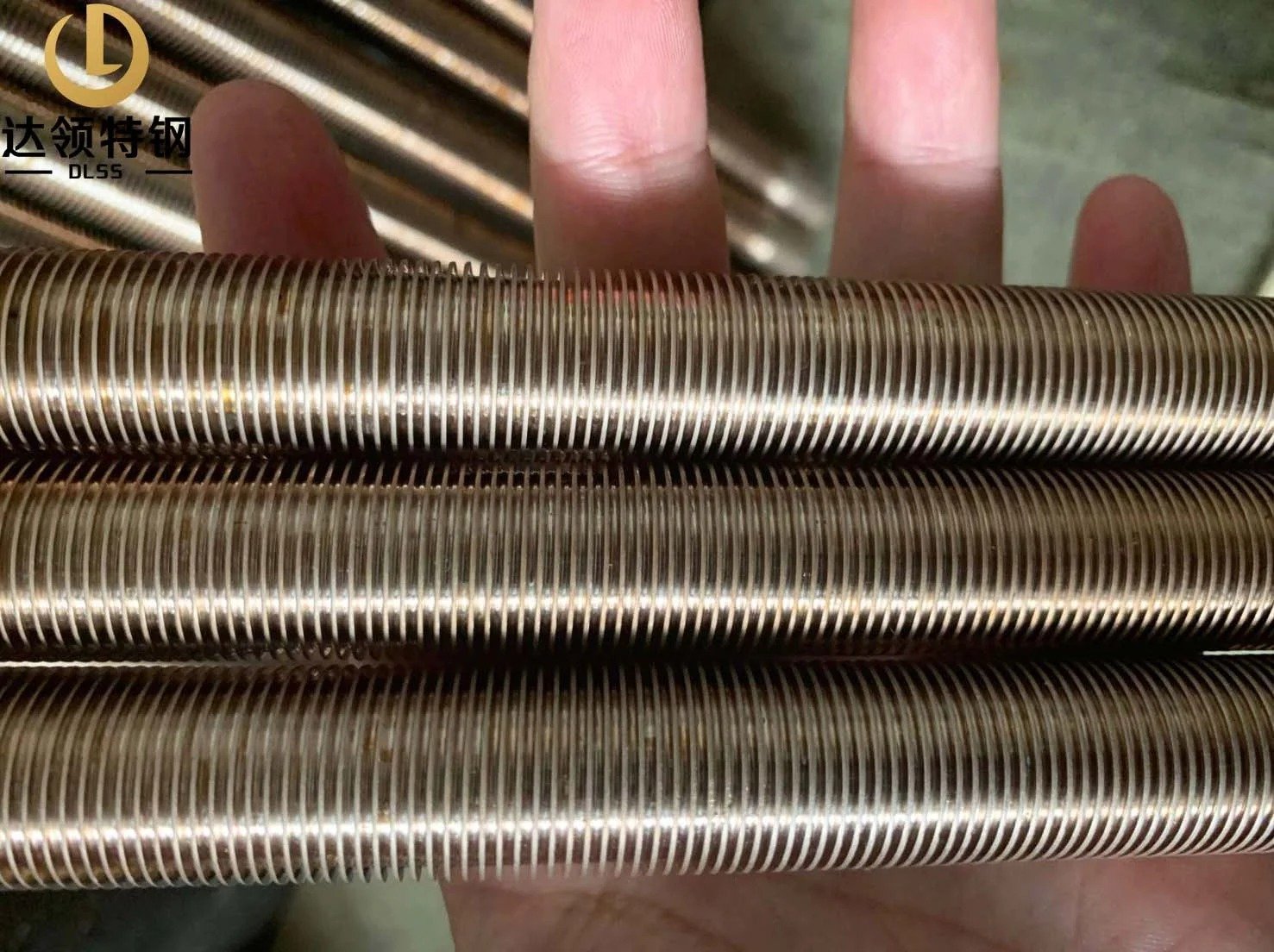
- U-bent tubes, cut-to-length, and finned options available
- 3.1 / 3.2 MTCs, NDT reports, hardness & PMI test results
- Packaging with export markings for Europe, Middle East, and Asia
Conclusion
Whether your project is governed by ASME, PED, GOST, or JIS, understanding the technical and documentation requirements behind each standard is essential for compliance and performance.
DLSS helps EPCs, OEMs, and contractors match standards across borders—ensuring quality, traceability, and on-time delivery.
Contact DLSS
Email: info@dlsspipe.com
Website: www.dlsspipeline.com
Have a cross-border project with different tube standards? We’ll help you decode them and deliver the right products.