U-Bend Stainless Steel Tubes: Design, Manufacturing and Application in Heat Exchangers

DLSS - Pipe&Tube - U-Bend Stainless Steel Tubes: Design, Manufacturing and Application in Heat Exchangers

Meta Description:
Learn how U-bend stainless steel tubes are designed, fabricated, and applied in heat exchangers. Understand the standards, tolerances, heat treatment, and testing required for high-performance U-tube bundles.


Introduction

U-bend stainless steel tubes are a core component in shell-and-tube heat exchangers, used in power plants, refineries, LNG terminals, and petrochemical plants. Their precise bending, dimensional accuracy, and resistance to thermal fatigue directly impact the longevity and performance of the equipment.

This article explores the full lifecycle of U-bend stainless tubes—from design and fabrication to inspection and packaging—helping procurement teams, engineers, and EPCs make the right sourcing decisions.


What Are U-Bend Stainless Steel Tubes?

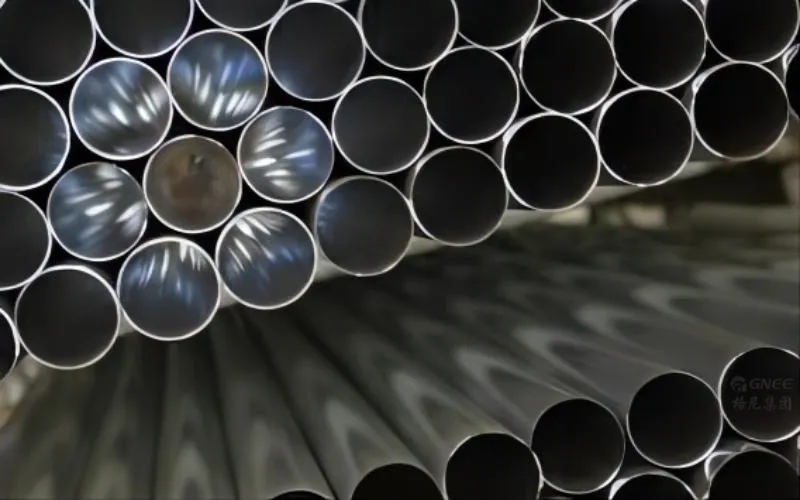
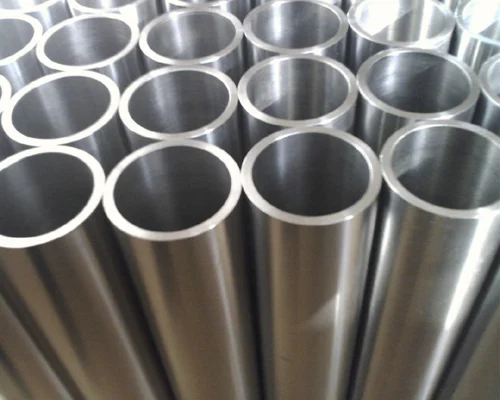
U-bend tubes are seamless or welded tubes that have been bent into a “U” shape, typically with a controlled bending radius and heat-treated to relieve stress. They allow heat exchangers to condense or vaporize fluids within compact designs.

Common Materials:

  • Austenitic: TP304, TP316L, TP321, TP347
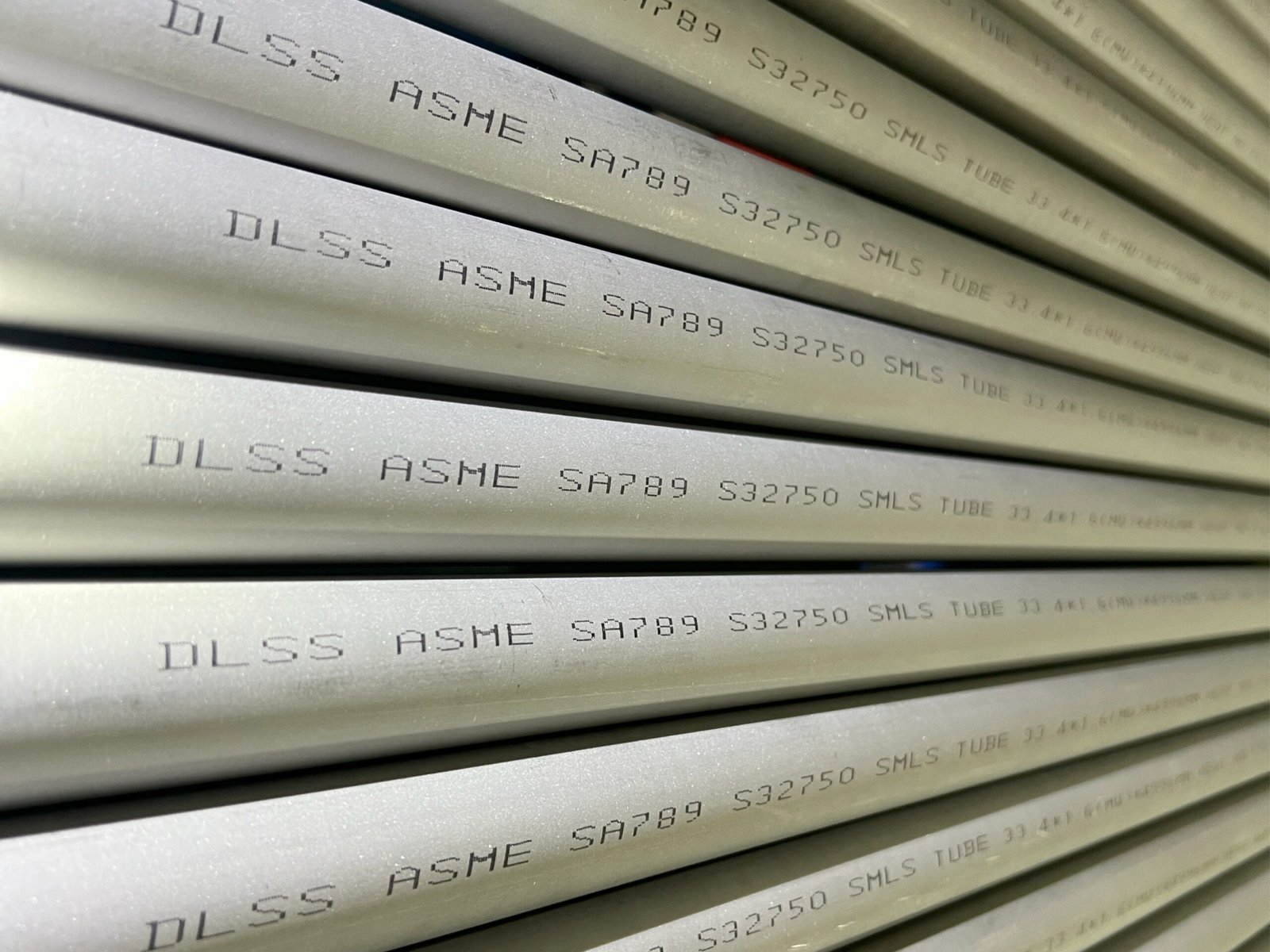
  • Duplex & Super Duplex: S32205, S32750
  • High-nickel alloys: Inconel 600, 625; Incoloy 825
  • Copper alloys: C44300, C70600, C68700 (for condensers)

Applicable Standards

StandardDescription
ASTM A213Seamless ferritic and austenitic heat exchanger tubes
ASTM A269 / A789Welded / duplex tubes for general corrosion resistance
TEMA / HEIHeat Exchanger design and tube bundle standards
EN 10216-5 / EN 10217-7Seamless/welded pressure tubes (EU standard)

All U-tubes must comply with dimensional tolerances, mechanical requirements, and hydrostatic or eddy current testing as specified.


Manufacturing Process of U-Bend Tubes

1. Tube Selection and Inspection

  • Select tube material and dimensions (typically 12.7 mm to 38.1 mm OD)
  • Surface finish: bright annealed, pickled, or polished
  • Perform incoming inspection: PMI, OD/WT measurement, and surface quality

2. Cold Bending with Mandrel Control

  • Tube bending is carried out on CNC U-bend machines
  • Radius = 1.5 × OD or customized (R ≥ 1.0 D)
  • Control of ovality, wrinkle, and wall thinning

3. Stress Relieving Heat Treatment

  • Carried out in argon atmosphere furnace or electrical heating
  • ASTM A213 requires solution annealing for austenitic grades post-bend
  • Duplex and nickel alloys also require post-bending thermal stress relief

4. Leg Length Cutting and Matching

  • Tube legs cut to exact lengths with +/-1.5 mm tolerance
  • Both ends marked, stenciled, and color-coded
  • Leg spacing maintained using spacers or separators

5. Hydrostatic and Eddy Current Testing

  • Each tube is tested after bending if required
  • 100% ET or hydrostatic pressure test at 1.5x design pressure
  • Visual inspection for ID damage, corrosion, or deformation

Packaging and Delivery

  • Tubes bundled and placed on customized tube trays
  • Legs separated with foam or rubber inserts
  • Wood crates with anti-vibration support
  • Export marking includes material, order number, length, and heat number

Typical Applications

  • Shell-and-tube heat exchangers in power plants
  • Condensers in steam turbines
  • Evaporators in desalination systems
  • Heaters and coolers in oil refineries and petrochemical units
  • Gas–liquid heat exchange in LNG plants

Read more: TEMA Standards for Heat Exchangers


Why Choose DLSS for U-Bend Tubes

  • Over 30 years of stainless tube manufacturing
  • Precision U-bend forming with CNC control
  • Full solution annealing and grain size testing
  • Global delivery with 3.1/3.2 certificates
  • Projects delivered in Europe, Middle East, and Southeast Asia

Conclusion

U-bend stainless steel tubes are engineered components—not just bent pipes. Ensuring quality in radius control, heat treatment, and testing is essential for long-term exchanger reliability.

At DLSS, we deliver certified, high-performance U-tube bundles with precision tolerances and professional export packaging. Whether you need TP316L, Incoloy 825, or Duplex S32205, our team ensures strict quality at every stage.


Contact Us
Email: info@dlsspipe.com
Website: www.dlsspipeline.com

Send us your U-bend tube specification or drawing—our technical team will propose the best configuration and quote within 24 hours.

Wonderful! Share This Case:

Austenitic Stainless Steel

Duplex Stainless Steel

Nickel Alloys

▪ Incoloy Family

▪ Inconel Family

▪ Monel Family

▪ Hastelloy Family

▪ Other Special Alloys

Cobalt Alloys

Related Posts

ASTM A269 vs ASTM A213: What’s the Difference for Stainless Steel Tubes?

ASTM A269 vs ASTM A213:

Meta Description:Confused between ASTM A269 and ASTM A213 stainless steel tube standards? This guide compares their differences in application, mechanical properties, testing, and surface finish. Introduction When sourcing stainless steel tubes, understanding the applicable ASTM standards is crucial. Two commonly referenced specifications are ASTM A269 and ASTM A213. While they may seem similar, these standards […]

Read More

How to Select Heat Exchanger

Introduction Heat exchanger tubes are the most critical components in shell and tube heat exchangers. They directly determine the heat transfer efficiency, corrosion resistance, and operational reliability of the entire system. Selecting the wrong tube material can result in serious issues such as: For engineers and procurement specialists, understanding how to properly select heat exchanger […]

Read More
Pickled vs. Bright Annealed Stainless Steel Tubes for Heat Exchangers: What Engineers Need to Know

Pickled vs. Bright Annealed Stainless

The performance and durability of a heat exchanger depend not only on material selection, but also on surface finish quality. Among stainless steel tubes, two of the most common finishing processes are pickling (AP) and bright annealing (BA). Understanding the difference between these two can help engineers and procurement teams select the right tube for […]

Read More
Finned Tube Material Selection Guide for Different Industrial Applications

Finned Tube Material Selection Guide

Selecting the right finned tube material is critical to achieving optimal performance, durability, and cost-effectiveness in heat exchanger systems. Different industries face different environmental and operational challenges, so your material choice should align with your application’s specific needs. If you are new to finned tube technology, start with Different Types of Finned Tubes and Their […]

Read More

Stainless Steel Seamless Pipe for

Meta Description:Explore how stainless steel seamless pipes tested to NACE MR0175 / ISO 15156 and MR0103 standards ensure safety in sour service environments. Learn about SSC, HIC, and corrosion resistance. Introduction Sour service environments—such as oil and gas fields containing hydrogen sulfide (H₂S)—pose serious challenges to piping materials. Without the proper metallurgy and testing, stainless […]

Read More
europe-cbam-stainless-steel-export-guide

How Europe’s CBAM Is Changing

On October 1, 2023, the European Union launched its Carbon Border Adjustment Mechanism (CBAM) — a groundbreaking policy that requires importers to report the embedded carbon emissions of certain goods, including iron, steel, and stainless steel. For stainless steel pipe and heat exchanger tube exporters, this marks a new era. Quality and price are no […]

Read More
Understanding Duplex and Super Duplex Stainless Steel Tubes – Grades, Benefits, Applications

Understanding Duplex and Super Duplex

Meta Description:Explore the differences between duplex and super duplex stainless steel tubes. Learn about their chemical composition, corrosion resistance, mechanical strength, and best-use applications in harsh environments. Introduction When stainless steel isn’t enough for aggressive environments—duplex and super duplex stainless steels step in. These high-performance materials combine the advantages of both austenitic and ferritic structures, […]

Read More
hardness testing MTC stainless steel tubes

Hardness Testing in Mill Test

Introduction Mill Test Certificates (MTCs) are essential documents for stainless steel tubes, certifying that products comply with ASTM, ASME, EN, and JIS standards. Among the critical mechanical properties included, hardness values (Brinell, Rockwell, Vickers) are especially important for ensuring suitability in demanding applications like boilers and heat exchangers. 1. Hardness in MTCs 2. Why Hardness […]

Read More

Request A Quote

*We respect your confidentiality and all information are protected.