Understanding Duplex and Super Duplex Stainless Steel Tubes – Grades, Benefits, Applications

DLSS - Tubes For Heat Exchanger - Understanding Duplex and Super Duplex Stainless Steel Tubes – Grades, Benefits, Applications

Meta Description:
Explore the differences between duplex and super duplex stainless steel tubes. Learn about their chemical composition, corrosion resistance, mechanical strength, and best-use applications in harsh environments.


Introduction

When stainless steel isn’t enough for aggressive environments—duplex and super duplex stainless steels step in. These high-performance materials combine the advantages of both austenitic and ferritic structures, offering exceptional strength and corrosion resistance, particularly in chloride-rich and offshore settings.

At DLSS, we supply duplex and super duplex seamless tubes to industries demanding extreme performance and compliance with ASTM, EN, and NORSOK standards.


1. What Are Duplex and Super Duplex Stainless Steels?

  • Duplex stainless steel has a two-phase microstructure: ~50% austenite and ~50% ferrite.
  • Super duplex stainless steel has higher chromium (Cr), molybdenum (Mo), and nitrogen (N) content for superior corrosion resistance and strength.
PropertyDuplex 2205 (UNS S32205)Super Duplex 2507 (UNS S32750)
Chromium (%)2225
Molybdenum (%)3.14.0
PREN (Pitting Resistance)~35>40
Yield Strength (MPa)≥450≥550
Max Service Temperature300°C250°C

Learn more at: Outokumpu Duplex Handbook


2. Key Benefits of Duplex and Super Duplex Tubes

  • High Corrosion Resistance
    Especially effective against chloride-induced pitting, crevice corrosion, and stress corrosion cracking.
  • Excellent Strength
    Twice the yield strength of 304/316 austenitic grades—ideal for high-pressure and structural applications.
  • Good Weldability
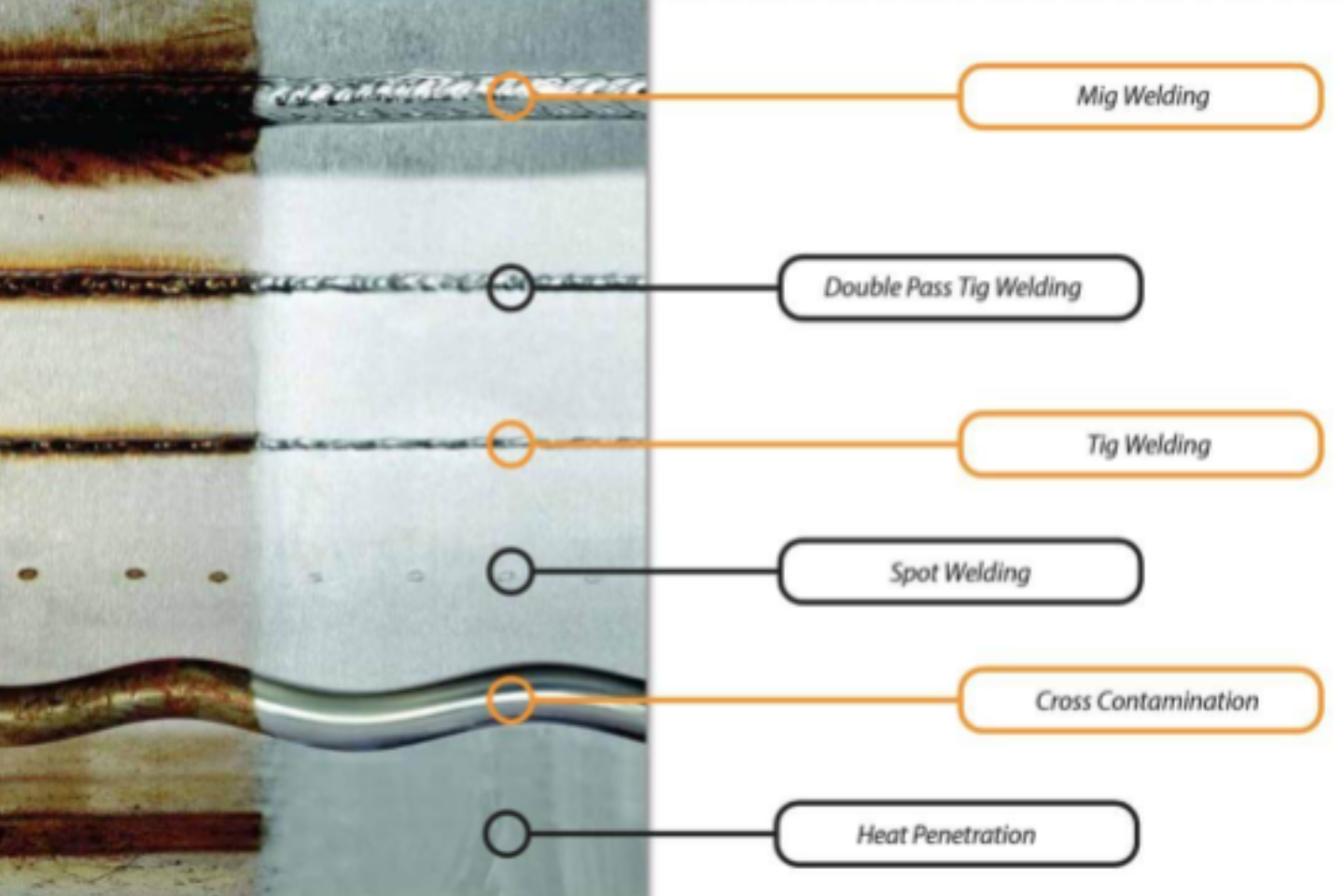
    Can be welded using standard techniques with proper precautions (e.g., heat input control).
  • Cost Efficiency
    Due to high strength, wall thickness can be reduced, leading to material and weight savings.

3. Common Duplex & Super Duplex Grades Supplied by DLSS

GradeUNS NumberStandardApplications
Duplex 2205S32205ASTM A789 / A790Offshore piping, heat exchangers
Super Duplex 2507S32750ASTM A789 / A790Desalination, chemical tank systems
S31803S31803ASTM A789 / EN 10216-5Structural components
Zeron 100S32760NORSOK, ASTM A928Subsea oil & gas systems

All DLSS tubes can be delivered with 3.2 certifications, NDT (UT/ET), PMI reports, and corrosion testing as per NACE MR0175 / ISO 15156.


4. Applications of Duplex Tubes

IndustryApplication Examples
Oil & GasOffshore risers, downhole tubes, manifolds
Desalination PlantsSeawater heat exchangers, brine lines
Chemical ProcessingAggressive acid and salt transport
Pulp & PaperBleaching plant systems
Marine & ShipbuildingBallast water systems, structural tubing

For industry-specific guidelines, refer to: NACE MR0175 Overview


5. How DLSS Ensures Quality

  • Strict Alloy Control – Verified with 100% PMI using XRF/OES
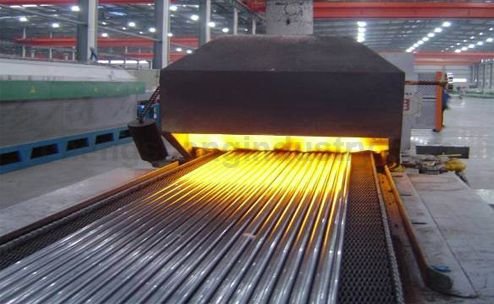
  • Heat Treatment – Solution annealed and water quenched
  • Testing – Includes flattening, flaring, IGC, hardness, and hydro
  • Documentation – Full traceability, 3.1 / 3.2 MTC, third-party witness (BV, SGS)

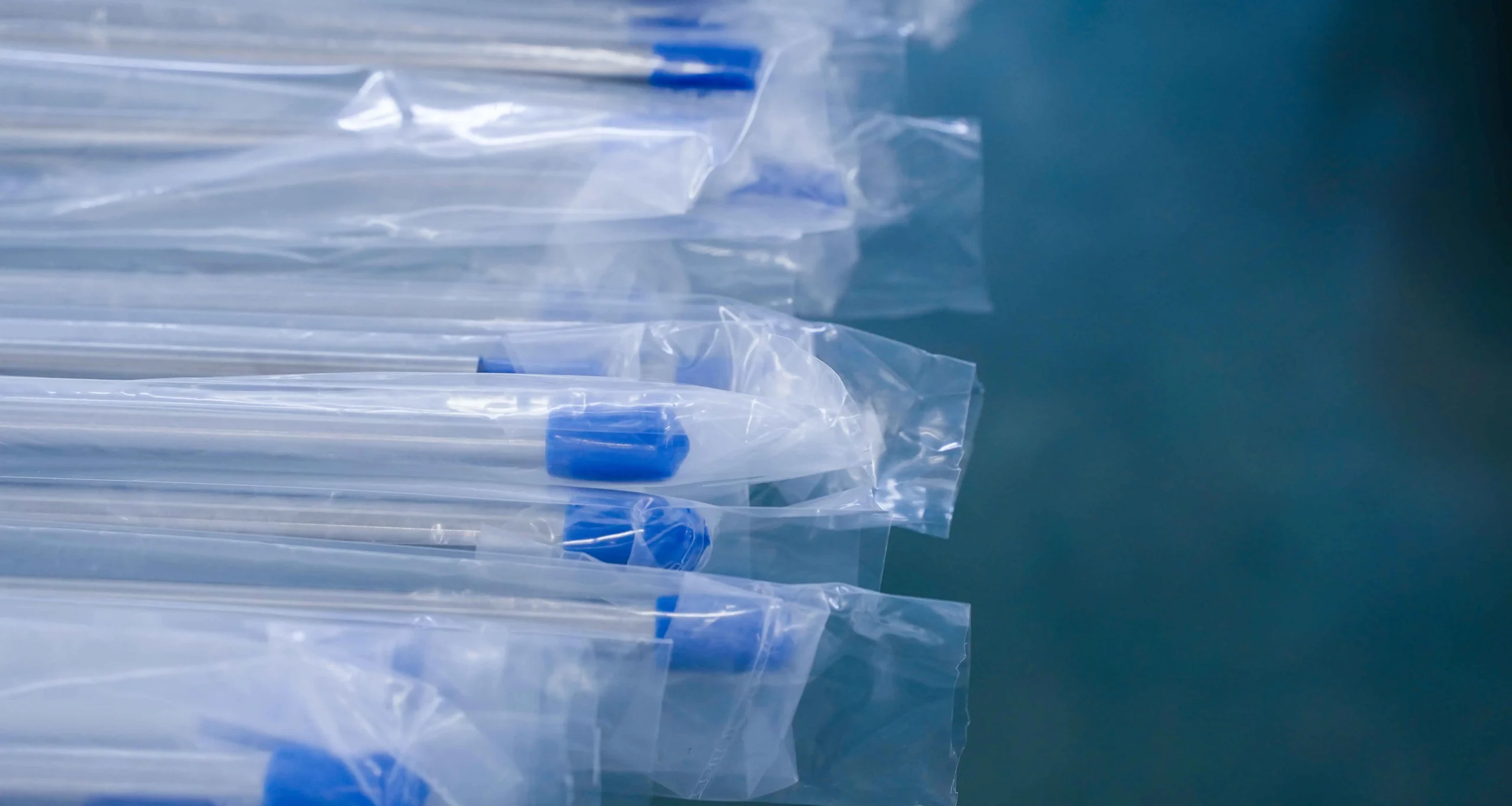
DLSS also offers customized U-bend, low-fin, and corrugated duplex tubes for specialized heat exchanger designs.


FAQs

Q1: Can duplex tubes be used in sour gas environments?
Yes, if they meet hardness and metallurgical requirements of NACE MR0175. DLSS offers certified tubes for sour service.

Q2: Are duplex tubes magnetic?
Partially. Due to the ferritic phase, duplex stainless steels exhibit mild magnetism, unlike fully austenitic grades.

Q3: How do duplex tubes compare to 316L in corrosion resistance?
Duplex 2205 is significantly more resistant to pitting and crevice corrosion, with higher PREN and strength.

Q4: What is the delivery time for super duplex tubes?
Standard sizes are typically shipped within 3–4 weeks. Custom sizes or witness testing may extend lead time slightly.


Conclusion

Duplex and super duplex stainless steel tubes offer a premium solution for challenging applications. Whether it’s offshore platforms or seawater systems, DLSS delivers robust, tested, and certified duplex tubing to meet global demands.


Contact DLSS
Email: info@dlsspipe.com
Website: www.dlsspipeline.com

Need duplex or super duplex tubing for your next high-stress project? DLSS provides full technical support, inspection-ready documentation, and global logistics coverage.

Wonderful! Share This Case:

Austenitic Stainless Steel

Duplex Stainless Steel

Nickel Alloys

▪ Incoloy Family

▪ Inconel Family

▪ Monel Family

▪ Hastelloy Family

▪ Other Special Alloys

Cobalt Alloys

Related Posts

How to Choose Between Seamless and Welded Stainless Steel Tubes

How to Choose Between Seamless

Meta Description:Learn the differences between seamless and welded stainless steel tubes, including performance, cost, applications, and when to choose each for your project. Introduction When specifying stainless steel tubing, one of the first decisions to make is:Should you choose seamless or welded? This choice affects not only performance and reliability but also cost, availability, and […]

Read More
How to Improve Heat Exchanger Efficiency: Practical Tips for Better Heat Transfer Performance

5 Proven Ways: How to

1. Introduction – How to Improve Heat Exchanger Efficiency How to improve heat exchanger efficiency is a key question for operators who want lower energy bills, stable output, and longer asset life. Whether you run a shell and tube heat exchanger, a plate heat exchanger, or an air-cooled design, optimizing heat transfer performance delivers a […]

Read More
green-building-hvac-stainless-steel-heat-exchanger-tube

How Green Buildings and HVAC

With urban centers pushing for net-zero construction and energy-efficient design, HVAC systems—heating, ventilation, and air conditioning—have become the heart of green buildings. This shift is driving new demand for stainless steel heat exchanger tubes, used in chilled water systems, heat pumps, condenser units, and energy recovery modules. 1. Why Stainless Steel Is Replacing Copper and […]

Read More
Stainless Steel Heat Exchanger Tubes

10 Industry Applications of Stainless

Meta Description:From oil refineries to desalination plants, stainless steel heat exchanger tubes are everywhere. Discover 10 major industries that rely on these tubes and why material selection matters. Introduction Stainless steel heat exchanger tubes are vital components in thermal systems that manage fluid and gas temperatures. Known for their corrosion resistance, strength, and versatility, these […]

Read More
Corrosion-Resistant Heat Exchanger Tubes: When to Choose Titanium and Nickel Alloys

Corrosion-Resistant Heat Exchanger Tubes: When

In highly corrosive environments—such as seawater cooling, chemical processing, and offshore oil and gas—traditional stainless steel may not offer sufficient durability. Selecting the right material for heat exchanger tubes in these conditions is crucial for ensuring long service life, process safety, and reduced maintenance costs. This article explores two high-performance materials: Titanium and Nickel Alloy […]

Read More
Heat Exchanger Maintenance Checklist: How to Extend Equipment Life and Improve Performance

Heat Exchanger Maintenance Checklist: How

1. Introduction – Heat Exchanger Maintenance Checklist Following a structured heat exchanger maintenance checklist is the most effective way to keep your equipment running efficiently, avoid costly breakdowns, and extend service life. Whether you operate a shell and tube heat exchanger, a plate heat exchanger, or an air-cooled model, regular preventive maintenance ensures consistent heat […]

Read More
What is a Finned Tube and How It Improves Heat Exchanger Efficiency

What is a Finned Tube

Finned tubes are a specialized type of heat transfer component designed to increase the surface area available for heat exchange between fluids. By adding extended surfaces or “fins” to the tube’s exterior, these components can significantly improve the efficiency of heat exchangers, making them ideal for applications where space is limited, or higher heat transfer […]

Read More
Common Heat Exchanger Tube Failures and How to Prevent Them

Common Heat Exchanger Tube Failures

Meta Description:Heat exchanger tubes can fail due to corrosion, vibration, fouling, and material fatigue. Learn about the most common failure modes and how to prevent them in industrial systems. Introduction Heat exchanger tube failures can lead to: Understanding the most frequent failure mechanisms is key to designing, selecting, and maintaining reliable heat exchanger systems. In […]

Read More

Request A Quote

*We respect your confidentiality and all information are protected.