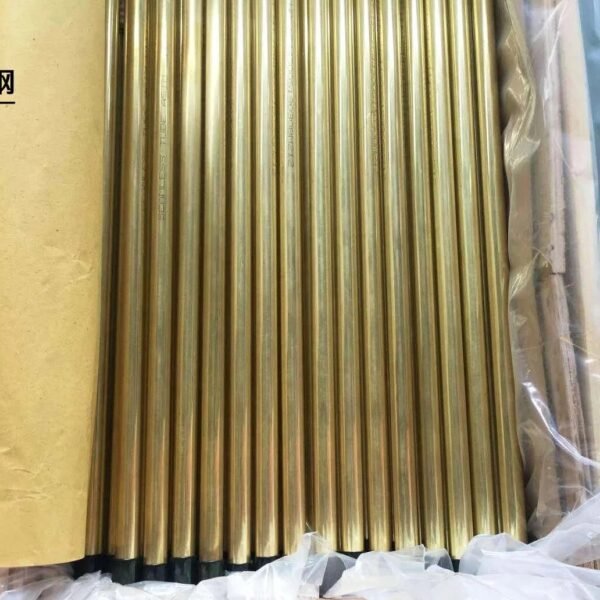
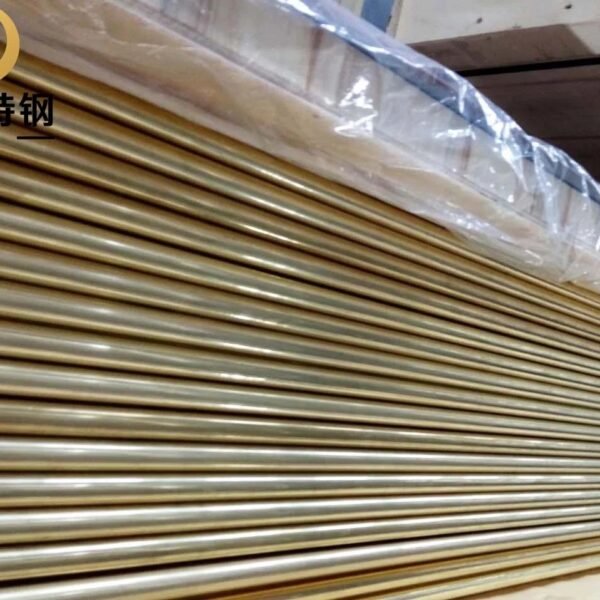
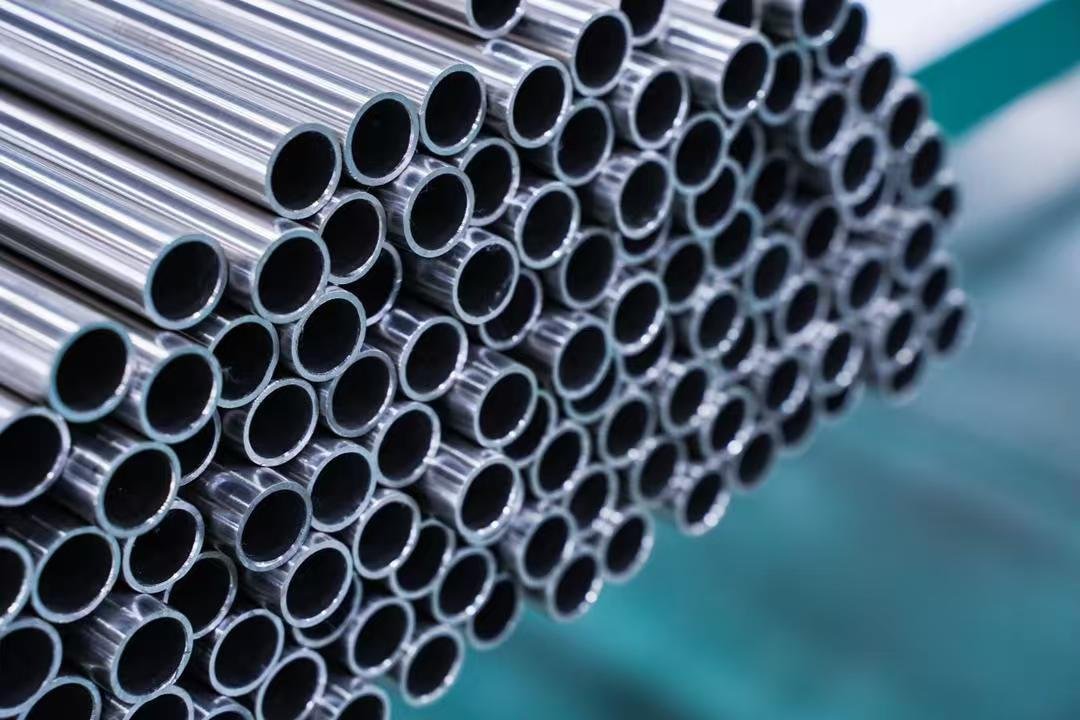
ASTM B111 C44300 (O61) Admiralty Brass Seamless Tube – 19.05 × 1.65 × 6100mm

DLSS - Pipe&Tube - ASTM B111 C44300 (O61) Admiralty Brass Seamless Tube – 19.05 × 1.65 × 6100mm

Product Summary

  • Standard: ASTM B111
  • Grade: C44300 (Admiralty Brass, Annealed O61 Temper)
  • Dimensions: 19.05 mm OD × 1.65 mm WT × 6100 mm Length
  • Type: Seamless Tube
  • Finish: Clean, smooth surface – inside and outside
  • Testing: 100% Eddy Current Test, Hydrostatic Test upon request
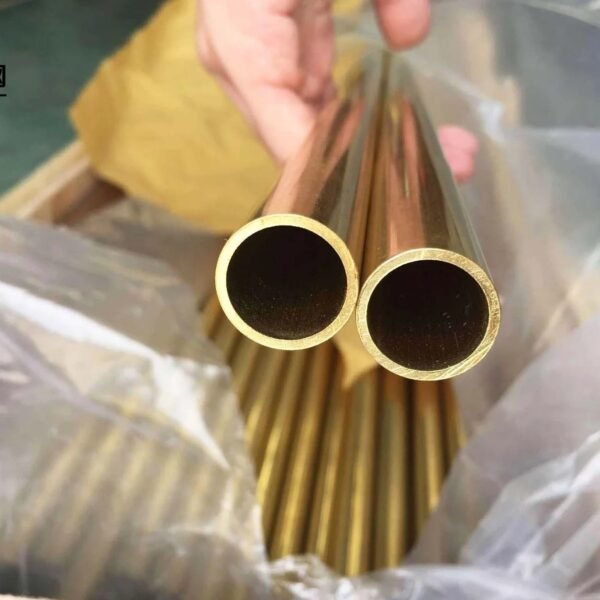
ASTM B111 C44300 (O61) Admiralty Brass Seamless Tube – 19.05 × 1.65 × 6100mm

Material Overview – C44300 Admiralty Brass

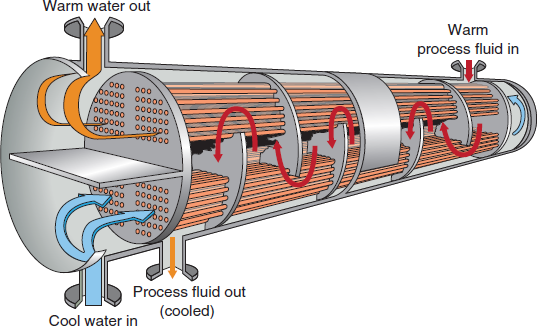
C44300, commonly referred to as Admiralty Brass, is a copper-zinc alloy with a small amount of tin. It is specifically developed for excellent corrosion resistance in seawater and brine environments, making it ideal for refinery and power station heat exchanger tubes.

ElementTypical Composition (%)
Copper (Cu)70.0 – 73.0
Zinc (Zn)Remainder
Tin (Sn)1.0 – 1.5
Iron (Fe)≤ 0.06
Lead (Pb)≤ 0.07
ASTM B111 C44300 (O61) Admiralty Brass Seamless Tube – 19.05 × 1.65 × 6100mm

Mechanical Properties (as per ASTM B111 O61)

PropertyValue
Tensile Strength≥ 241 MPa (35 ksi)
Yield Strength≥ 69 MPa (10 ksi)
Elongation (min)≥ 30%
HardnessHRB ≤ 60
ASTM B111 C44300 (O61) Admiralty Brass Seamless Tube – 19.05 × 1.65 × 6100mm

Key Advantages

  • Excellent resistance to dezincification and stress corrosion
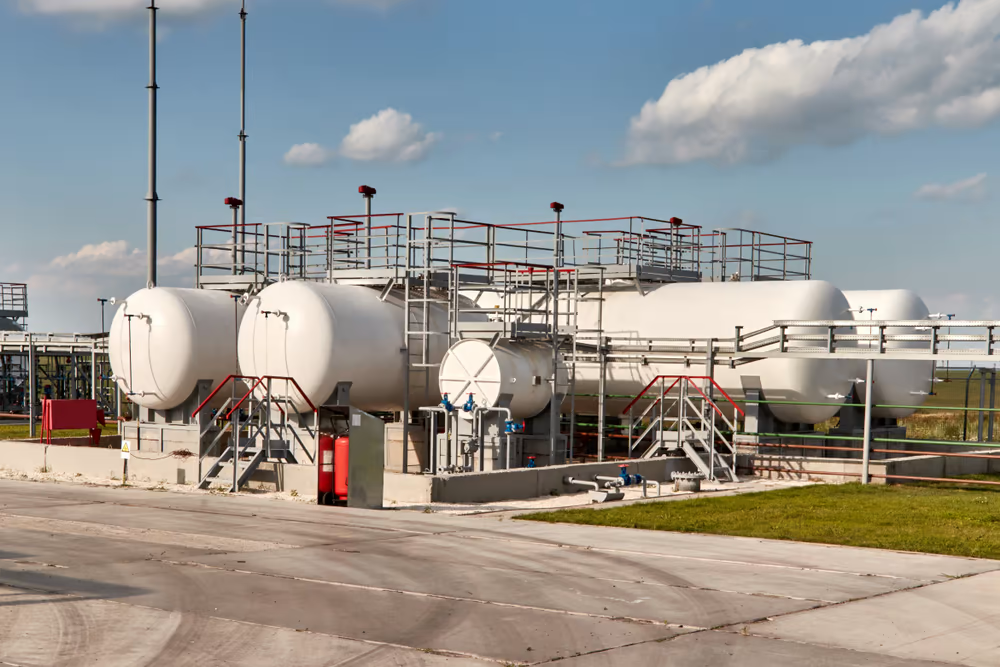
  • Long service life in oil refinery cooling systems
  • Superior heat transfer efficiency
  • Easily expanded or bent for tube sheet installations
  • 100% Eddy Current Test (ECT) for flaw detection
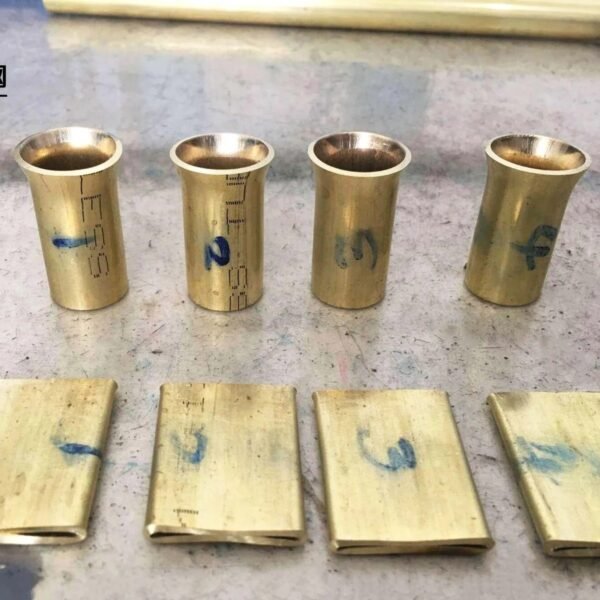
ASTM B111 C44300 (O61) Admiralty Brass Seamless Tube – 19.05 × 1.65 × 6100mm

Industry Applications

IndustryApplication
Oil & Gas RefiningCondenser & Cooler Tube Bundles
PetrochemicalWaste heat recovery units
Seawater DesalinationEvaporator tubes
Power PlantsBoiler and condenser tubes

Certifications & Documentation

  • ASTM B111 Material Certificate (EN 10204 3.1 / 3.2 available)
  • Eddy Current Test Report
  • Dimensional Inspection Report
  • Mill Test Certificate (MTC)
  • Packing List and Invoice for customs clearance
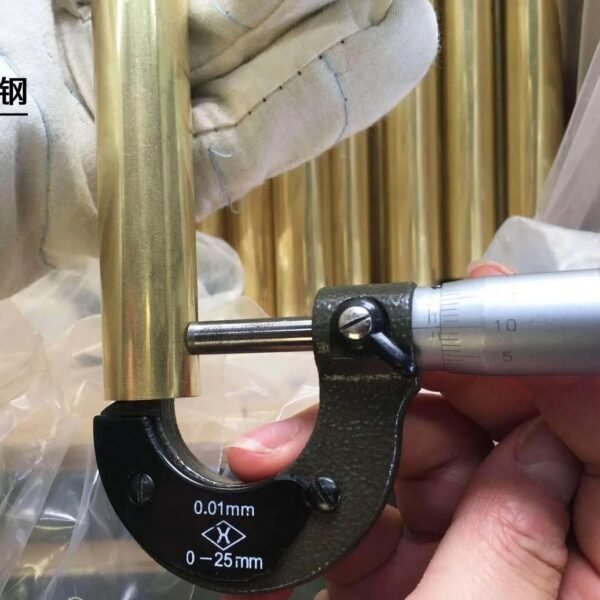
ASTM B111 C44300 (O61) Admiralty Brass Seamless Tube – 19.05 × 1.65 × 6100mm

Packaging

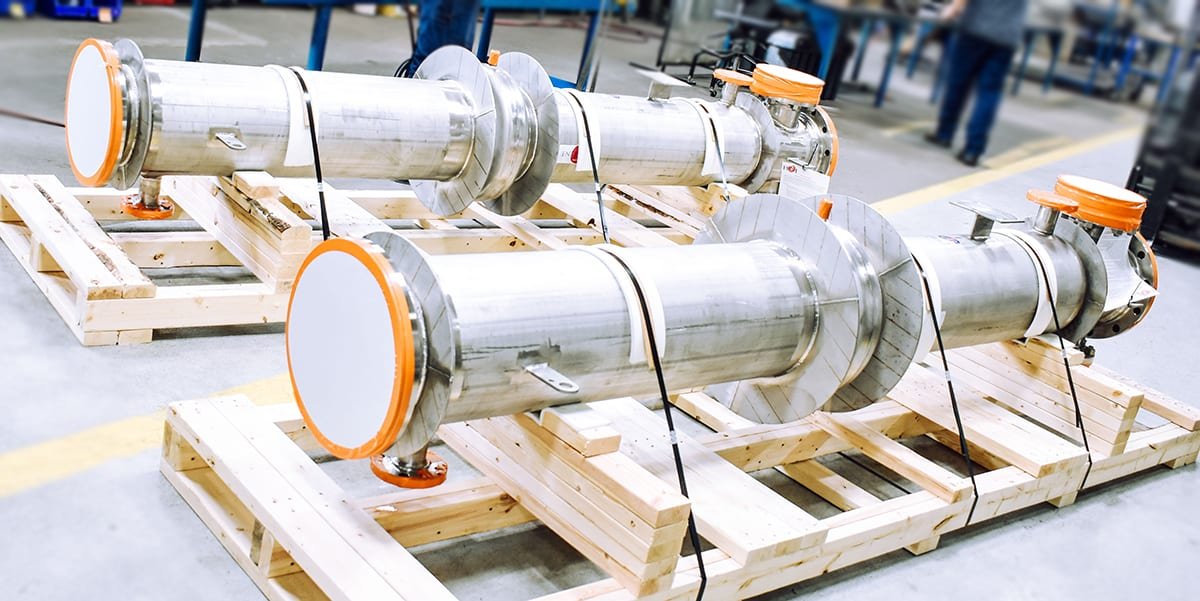
  • Tubes are sealed with plastic end caps
  • Bundled in wooden crates with anti-rust wrapping
  • Labels with full traceability (Heat No., Size, Quantity, etc.)
  • Suitable for sea shipment to Turkey and global destinations
  • Admiralty Brass Tube C44300
  • ASTM B111 C44300 Seamless Tube
  • 19.05mm brass condenser tube
  • Oil refinery heat exchanger tube
  • Turkey oil refinery brass tube supplier
  • Tin brass seamless tube
  • O61 brass tube with eddy current test
  • Marine condenser brass pipe

Contact DLSS for Project Supply

Need ASTM B111 C44300 Admiralty Brass Tubes for your refinery project?

Email: info@dlsspipe.com
Website: www.dlsspipeline.com

We support full technical support, drawing submission, and custom lengths or thicknesses per project requirement.

Wonderful! Share This Case:

Austenitic Stainless Steel

Duplex Stainless Steel

Nickel Alloys

▪ Incoloy Family

▪ Inconel Family

▪ Monel Family

▪ Hastelloy Family

▪ Other Special Alloys

Cobalt Alloys

Related Posts

Stainless Steel Tube Selection for LNG and Cryogenic Applications (2025 Guide)

Stainless Steel Tube

Why Cryogenic Environments Demand Specialized Tubing Cryogenic systems, such as LNG pipelines, vaporizers, and storage tanks, operate at extremely low temperatures — sometimes below –196°C. In such harsh conditions, stainless steel tubes must retain excellent mechanical strength, ductility, and impact toughness. Incorrect tubing materials in LNG systems can lead to...

Read More
What is Electropolished Tubing and When Should You Use It?

What is Electropolished

Introduction In industries where surface cleanliness, corrosion resistance, and bacterial control are critical, standard stainless steel tubing may not be enough. That’s where Electropolished (EP) Tubing comes in. Used in biotech, pharma, semiconductor, and ultra-pure water systems, electropolished tubing delivers a smooth, passive, contamination-resistant internal surface that outperforms mechanically polished...

Read More
Best Material for Seawater Heat Exchanger: 5 Options Compared for Corrosion Resistance and Performance

Seawater Heat Exchanger

Choosing the right seawater heat exchanger tube materials is one of the most important steps in a seawater heat exchanger project. Seawater contains chlorides and dissolved oxygen. It can cause corrosion very fast if the tube material is not suitable. Common problems include: For engineers and buyers, the best material...

Read More
Will Stainless Steel Seamless Pipes Rust? The Truth Behind the Name

Will Stainless Steel

Introduction A common question among engineers and procurement teams is: “If it’s called stainless, can it rust?” The name “stainless steel” suggests perfect rust resistance—but in reality, stainless steel can corrode under certain conditions. Understanding when and why this happens is essential to material selection and system reliability. This article...

Read More
How to Interpret EN 10204 3.1 and 3.2 Material Certificates in Industrial Audits

EN 10204 3.1

Many buyers ask for EN 10204 3.1 or 3.2 certificates when buying stainless steel tubes. But not every buyer knows the real difference. This difference is important. If the wrong certificate type is selected, the project may face delay, extra cost, or end-user rejection. For stainless steel tube projects, a...

Read More
Material Selection for Seawater-Cooled Heat Exchangers: What Engineers Must Consider

Heat Exchanger Tube

The global heat exchanger market is heating up—literally and economically. With rising demand for energy efficiency, industrial process optimization, and sustainable thermal management, stainless steel heat exchanger tubes are becoming a critical infrastructure material across multiple industries. Recent industry research forecasts a compound annual growth rate (CAGR) of 9.5% through...

Read More
Heat Exchanger Troubleshooting Guide: Common Problems and How to Solve Them

Heat Exchanger Troubleshooting

Heat exchangers are critical equipment in chemical plants, refineries, power plants, marine systems, HVAC systems, food processing, pharmaceutical utilities, and heat recovery projects. When a heat exchanger does not work properly, the problem may appear as poor heat transfer, high pressure drop, leakage, vibration, frequent fouling, unstable outlet temperature, or...

Read More
Exploring Different Types of Pipe-Based Heat Exchangers: Double Tube, Stove Pipe, Exhaust Pipe, and Heat Pipe Designs

Exploring Different Types

In various industrial and domestic applications, heat exchangers are essential for optimizing thermal efficiency, reducing energy waste, and lowering operational costs. Among the many designs, pipe-based heat exchangers play a crucial role due to their structural simplicity and high effectiveness. This blog explores four common types: the Double Tube Heat...

Read More

Request A Quote

*We respect your confidentiality and all information are protected.