Sanitary Stainless Steel Tubes for Food and Beverage Applications in Latin America

DLSS - Pipe&Tube - Sanitary Stainless Steel Tubes for Food and Beverage Applications in Latin America

Meta Description:
Learn how stainless steel sanitary tubes support food and beverage production in Latin America. Discover suitable grades, surface finishes, and hygiene standards for long-term performance.


Introduction

The food and beverage industry in Latin America is growing rapidly, driven by both exports and domestic demand. From Brazil’s massive dairy processing sector to Colombia’s coffee production and Argentina’s wineries, the region requires reliable, hygienic, and corrosion-resistant tubing to support safe and efficient food-grade operations.

Sanitary stainless steel tubes are essential in these processes, especially in environments that involve steam, organic acids, high temperatures, and CIP/SIP protocols.


Key Applications in Latin America’s Food Sector

Sanitary tubes are used in:

ApplicationExample CountriesTube Function
Dairy processing plantsBrazil, ArgentinaMilk transfer, pasteurizer coils
Wine & beverage bottling linesChile, ArgentinaFilling lines, pressurized CO₂ flow
Coffee & sugar processingColombia, Peru, BrazilSteam piping, filtration tubing
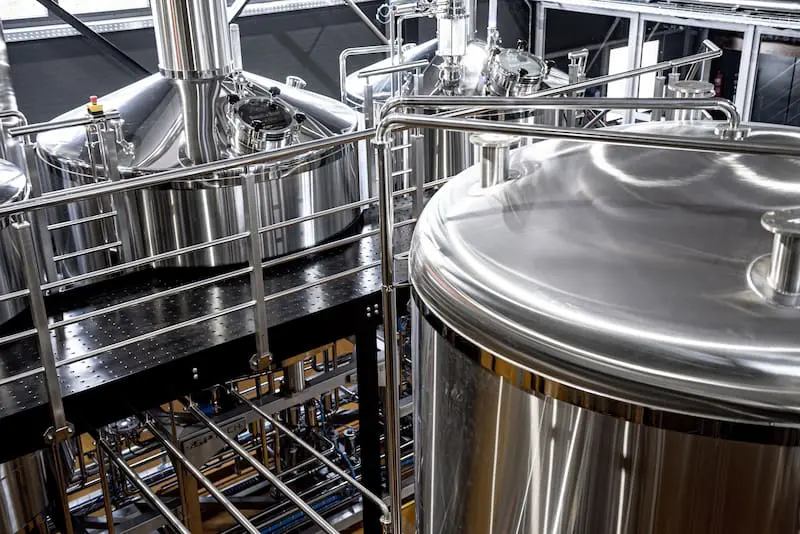
Brewery systemsMexico, ChileFermenter jackets, transfer lines
Fruit juice & pulp productionEcuador, ColombiaEvaporators, sterilizers

Why Stainless Steel Is the Industry Standard

Latin American food plants often deal with:

  • Acidic or organic media
  • High temperature steam cleaning (SIP)
  • Frequent chemical cleaning (CIP)
  • Pressure fluctuation and long pipe runs

Therefore, stainless steel offers:

  • Corrosion resistance to food acids and detergents
  • Smooth surface finishes for easy cleaning and no bacterial retention
  • Durability and weld integrity for continuous operation
  • Compliance with international hygiene standards

Recommended Grades and Standards

GradePropertiesCommon Standards
TP316LExcellent corrosion resistance to chlorides and acidsASTM A270, ASME BPE
TP304/304LSuitable for low-aggressive fluids and dry mediaASTM A249, EN 10357
1.4404European equivalent of 316L, low carbon versionEN 10217-7, DIN 11850
1.4301Equivalent to 304 stainless steelEN 10216-5 TC1

Reference: ASTM A270 Specification


DLSS Sanitary Tube Capabilities

FeatureSpecification
Size Range½” to 6” OD (12.7 mm – 168.3 mm)
Wall Thickness0.7 mm – 3.05 mm
Finish OptionsID: Ra ≤ 0.8 µm (electropolished or mechanically polished), OD: mirror or satin
Testing & InspectionPMI, Eddy Current, Surface Roughness, Hydrostatic
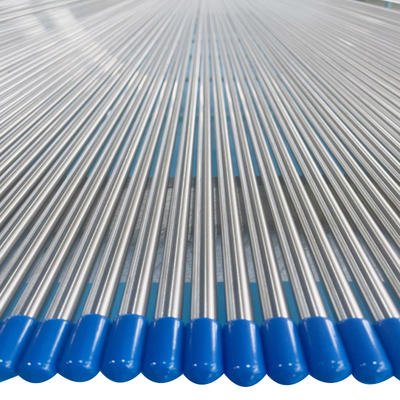
PackagingPE caps, plastic wrap, cardboard tubes, cleanroom packs
CertificationEN 10204 3.1 / 3A, ASME BPE, FDA compliance

Key Considerations When Choosing Sanitary Tubes

Surface Finish (Ra value):
Hygienic tubes must meet roughness limits (usually ≤ 0.8 µm), or bacteria may adhere.

Weld Bead Smoothing:
Internal welds must be bead-rolled and polished to avoid microbial growth.

Compatibility with Cleaning Systems:
Must withstand strong alkali and acid agents in CIP (Clean-in-Place) systems.

Regulatory Compliance:
Latin American exporters often follow FDA, ASME BPE, or EU hygiene directives.


Common Export Destinations for DLSS Sanitary Tubes

  • Chile – Wine and juice bottling projects
  • Colombia – Coffee roaster equipment
  • Brazil – Dairy and brewery steam lines
  • Ecuador – Pulp evaporators and tank systems

FAQs

Q1: Do your sanitary tubes comply with FDA or BPE requirements?
Yes, our TP316L tubes meet ASME BPE and are suitable for FDA-regulated processes.

Q2: Can you supply electropolished inner surface (EP tubes)?
Absolutely. We offer Ra ≤ 0.4 µm EP tubes for the most demanding hygienic conditions.

Q3: Are your sanitary tubes tested for surface roughness?
Yes. Each lot undergoes Ra surface testing, and we provide traceable reports upon request.


Conclusion

Latin America’s food and beverage producers are embracing global hygiene and export standards, and sanitary stainless steel tubing is a critical part of that compliance. DLSS offers high-quality, polished, and certified tubing that helps ensure safety, quality, and durability across the supply chain.


Contact DLSS
Email: info@dlsspipe.com
Website: www.dlsspipeline.com

Looking to source sanitary tubes for your Latin American processing facility? DLSS provides expert recommendations and global delivery support.

Wonderful! Share This Case:

Austenitic Stainless Steel

Duplex Stainless Steel

Nickel Alloys

▪ Incoloy Family

▪ Inconel Family

▪ Monel Family

▪ Hastelloy Family

▪ Other Special Alloys

Cobalt Alloys

Related Posts

Top 10 Applications of Stainless Steel Tubes in the Oil & Gas Industry

Top 10 Applications of Stainless

Meta Description:Explore the top 10 critical applications of stainless steel tubes in the oil & gas industry. Learn how DLSS tubes perform under high pressure, corrosion, and extreme conditions. Introduction The oil and gas industry operates under extreme conditions—high pressure, corrosive environments, and fluctuating temperatures. To ensure safety and durability, stainless steel tubes are essential […]

Read More
Top 7 Types of Finned Tubes and Their Applications Across Industries

Top 7 Types of Finned

Meta Description:Explore 7 common finned tube designs, how they differ, and which applications they serve best. Learn how to select the right fin geometry and material for your heat exchanger project. Introduction Not all finned tubes are created equal. With varying geometries, base materials, and manufacturing techniques, selecting the proper finned tube type can make […]

Read More
Pickling vs Bright Annealing: Which Surface Treatment Is Best for Stainless Steel Tubes?

Top 5 Stainless Steel Tube

Meta Description:Discover the five most common causes of stainless steel tube failures. Learn how to detect, prevent, and solve issues in high-performance piping systems across industries. Introduction Stainless steel tubes are widely used in high-demand applications due to their corrosion resistance, strength, and cleanliness. However, tube failure—when it occurs—can lead to production shutdowns, safety hazards, […]

Read More
ASTM Standards for Nickel and Titanium Pipes: A Complete Guide

ASTM Standards for Nickel and

1. Introduction When sourcing nickel alloy and titanium pipes for chemical plants, desalination projects, or power plants, compliance with ASTM standards is a key requirement. ASTM (American Society for Testing and Materials) specifications define the chemical composition, mechanical properties, testing, and delivery conditions for these critical materials. This article provides a complete overview of the […]

Read More

Understanding NACE MR0175 / ISO

Meta Description:Learn the essential requirements of NACE MR0175 / ISO 15156 for stainless steel tubing. Discover how to ensure compliance in sour gas environments and avoid material failure. Introduction In the oil and gas industry, hydrogen sulfide (H₂S) poses one of the greatest threats to material performance. It causes Sulfide Stress Cracking (SSC) and Hydrogen-Induced […]

Read More
ASTM A270 vs ASME BPE: Understanding the Difference in Sanitary Tubing Standards

ASTM A270 vs ASME BPE:

Meta Description:Confused between ASTM A270 and ASME BPE sanitary tube standards? Learn the key differences in tolerance, surface finish, and certification, especially for food, beverage, and pharmaceutical applications. Introduction When sourcing sanitary stainless steel tubes for use in food, beverage, or pharmaceutical industries in Latin America, two standards dominate global procurement: At first glance, both […]

Read More
Stainless Steel Seamless Pipes for Mining and Metallurgy Projects in South America

Stainless Steel Seamless Pipes for

Meta Description:Discover how stainless steel seamless tubes support high-performance mining and metallurgy operations across Chile, Peru, and Brazil. Learn about corrosion resistance, mechanical strength, and industry standards. Introduction South America is home to some of the world’s most significant mining and metallurgical hubs, particularly in Chile, Peru, and Brazil. With growing global demand for copper, […]

Read More
Heat Exchangers in Renewable Energy: Wind, Hydrogen, and Beyond

Heat Exchangers in Renewable Energy:

As the world transitions toward low-carbon energy, the role of heat exchangers in renewable energy systems is becoming increasingly critical. Whether in wind turbine cooling, hydrogen production, or energy storage, heat exchangers ensure thermal stability, equipment safety, and energy efficiency. This article explores how tubular heat exchangers are integrated into modern renewable energy technologies, what […]

Read More

Request A Quote

*We respect your confidentiality and all information are protected.