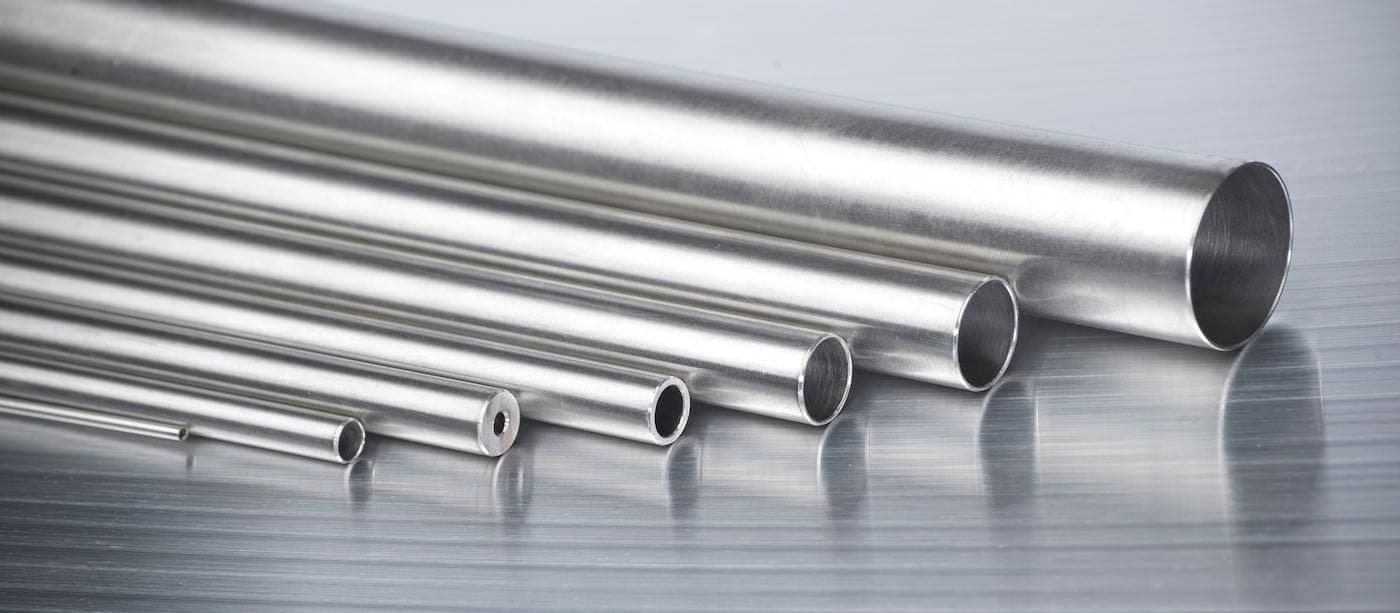
Sanitary Stainless Steel Tubes in South America’s Food and Beverage Industry

DLSS - Pipe&Tube - Sanitary Stainless Steel Tubes in South America’s Food and Beverage Industry

Meta Description:
Discover how sanitary stainless steel tubes support hygiene, durability, and regulatory compliance in food & beverage processing plants across South America.


Introduction

As the food and beverage sector in South America expands rapidly—with leading producers in Brazil, Chile, and Argentina—hygiene and quality control are more critical than ever. From dairy lines in São Paulo to wineries in Mendoza, processing systems depend on stainless steel sanitary tubes to ensure cleanliness, durability, and compliance.

Why Sanitary Tubes Are Essential

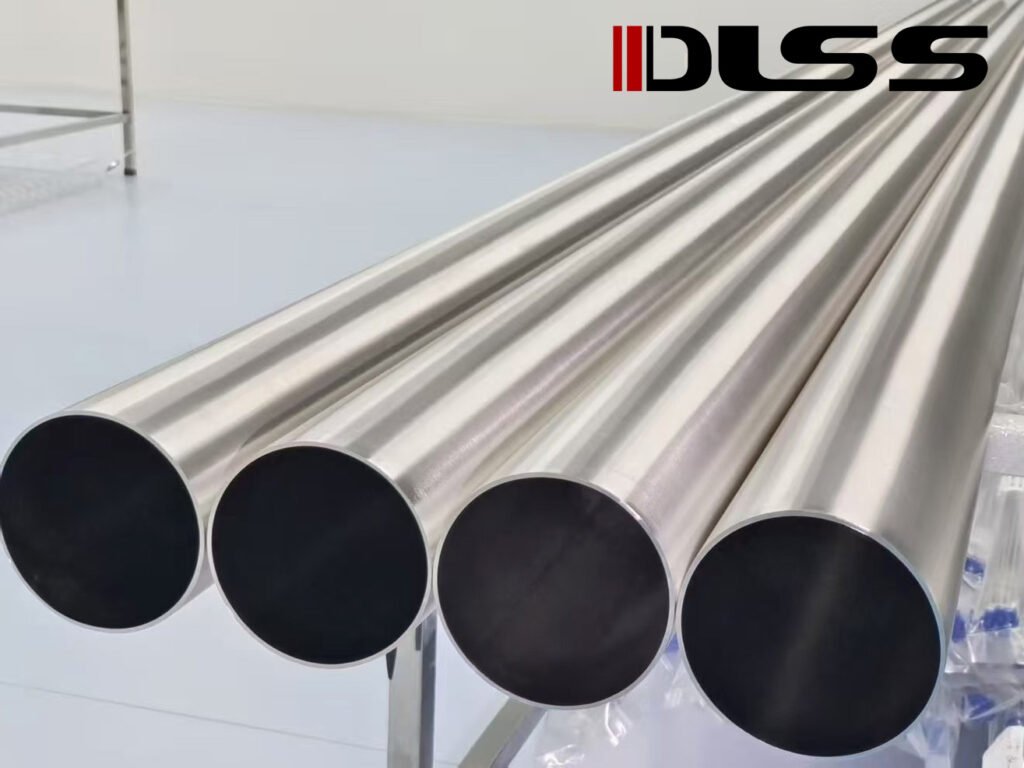
Sanitary stainless tubes differ from industrial piping in several key aspects:

  • Smooth, polished internal surfaces to prevent microbial buildup
  • Corrosion resistance against acidic and alkaline cleaning agents
  • Compliance with ASME BPE and ASTM A270 standards
  • CIP/SIP compatibility for automated cleaning

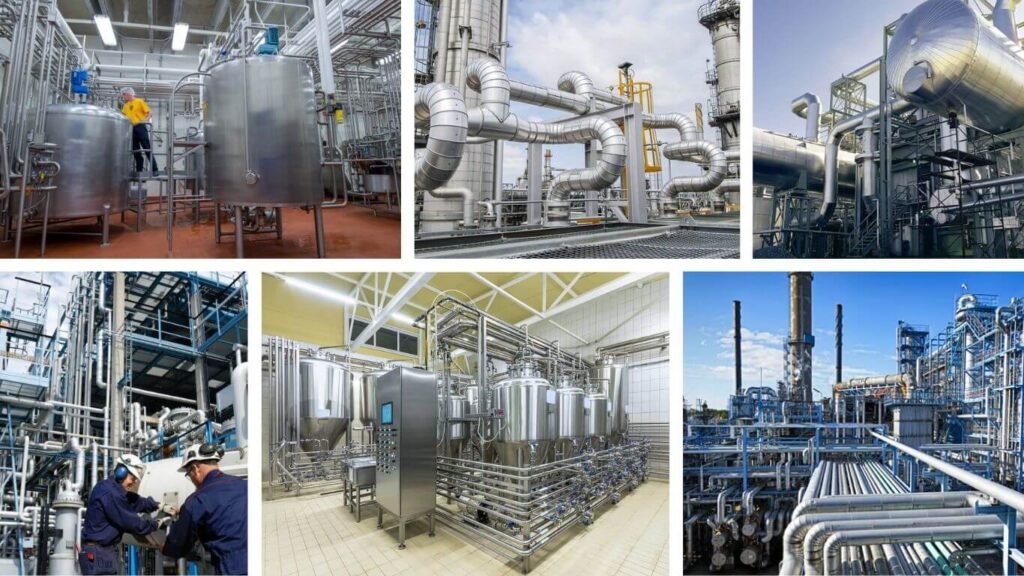
They are ideal for food contact zones like:

  • Milk processing and yogurt tanks
  • Beer brewing and wine fermentation
  • Juice and soft drink filling systems
  • Chocolate and sugar syrup lines

Recommended Tube Grades and Finishes

GradeApplicationFinish TypeStandards
TP316LDairy, wine, acidic juicesElectropolished (EP)ASTM A270, ASME BPE
TP304LWater, soft drinks, general food contactMechanically PolishedASTM A270
TP316TiHigher chloride resistance (fruit pulp)Pickled & PassivatedEN 10217-7

Reference: ASME BPE Standard Overview


DLSS Capabilities

  • Ra surface roughness ≤ 0.4 μm (EP), ≤ 0.8 μm (MP)
  • Tube OD range: 12.7 mm to 76.2 mm
  • Welding bead removal, ID polishing
  • Compliance: ASTM A270, ASME BPE, EN ISO 1127
  • Certifications: 3.1 MTC, Surface Ra reports, FDA material traceability
  • South America service: Supply to Chile, Colombia, Brazil dairy plants

Trusted Source: EHEDG Guidelines on Hygienic Tubing


Case: Chile Juice Processing Plant

In 2023, DLSS delivered 15,000 meters of TP316L electropolished tubing to a juice processing plant in Chile’s Central Valley. Tubes were surface tested (Ra < 0.35 μm) and used in automated CIP/SIP circuits.
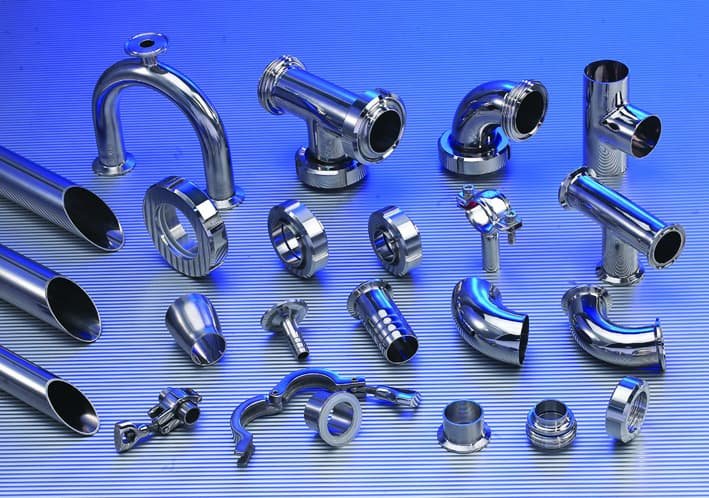
Sanitary Stainless Steel Tubes for Food and Beverage Applications in Latin America

FAQs

Q: What’s the difference between EP and MP tubes?
EP tubes are electrochemically polished for a smoother, more sterile surface. MP tubes are mechanically polished and more economical.

Q: Are DLSS sanitary tubes compliant with FDA or European standards?
Yes. All tubing materials meet FDA CFR 21 177.2600 and EN 10204 3.1 traceability requirements.

Q: Do you offer local support in South America?
DLSS partners with distributors in Brazil and Chile for faster delivery and local after-sales service.


Conclusion

The food industry can’t afford hygiene compromises. DLSS sanitary stainless steel tubes ensure your systems meet the highest safety and regulatory standards—backed by precision manufacturing and global delivery to South America.


Contact DLSS
Email: info@dlsspipe.com
Website: www.dlsspipeline.com

Wonderful! Share This Case:

Austenitic Stainless Steel

Duplex Stainless Steel

Nickel Alloys

▪ Incoloy Family

▪ Inconel Family

▪ Monel Family

▪ Hastelloy Family

▪ Other Special Alloys

Cobalt Alloys

Related Posts

Seamless vs Welded Stainless Steel

Meta Description:Seamless or welded pipe? Learn the structural, performance, and cost differences, and discover which option is better for your industrial application. Introduction One of the most common engineering decisions in piping systems is: “Should we use seamless or welded stainless steel pipes?” While both types comply with international standards, they differ significantly in: This […]

Read More
ASTM A270 vs ASME BPE: Understanding the Difference in Sanitary Tubing Standards

ASTM A270 vs ASME BPE:

Meta Description:Confused between ASTM A270 and ASME BPE sanitary tube standards? Learn the key differences in tolerance, surface finish, and certification, especially for food, beverage, and pharmaceutical applications. Introduction When sourcing sanitary stainless steel tubes for use in food, beverage, or pharmaceutical industries in Latin America, two standards dominate global procurement: At first glance, both […]

Read More
Shell and Tube Heat Exchanger Design Considerations for Optimal Performance

Shell and Tube Heat Exchanger

1. Introduction – Shell and Tube Heat Exchanger Design A shell and tube heat exchanger is one of the most widely used heat exchanger types in industrial applications due to its versatility, durability, and ability to handle high pressures and temperatures. When planning a new installation or upgrading existing equipment, it is essential to consider […]

Read More
heat exchanger tubes

Heat Exchanger Tubes: Standards, Materials,

Heat exchanger tubes are the backbone of many critical industries, including oil & gas, power generation, petrochemicals, shipbuilding, and desalination. Choosing the right tube material and ensuring compliance with international standards are essential to guarantee safety, efficiency, and long-term performance. In this article, we provide a detailed overview of standards, materials, manufacturing processes, and applications […]

Read More
Pickling vs Bright Annealing: Which Surface Treatment Is Best for Stainless Steel Tubes?

Top 5 Stainless Steel Tube

Meta Description:Discover the five most common causes of stainless steel tube failures. Learn how to detect, prevent, and solve issues in high-performance piping systems across industries. Introduction Stainless steel tubes are widely used in high-demand applications due to their corrosion resistance, strength, and cleanliness. However, tube failure—when it occurs—can lead to production shutdowns, safety hazards, […]

Read More
Heat Exchangers in the Food and Beverage Industry: Hygienic Design and Stainless Steel Tube Selection

Heat Exchangers in the Food

In the food and beverage (F&B) industry, heat exchangers play a vital role in processes such as pasteurization, sterilization, CIP cleaning, and temperature control in production lines. These systems must meet stringent hygiene requirements, resist corrosion, and maintain high thermal efficiency under continuous operation. This article explores how heat exchangers are used in F&B, the […]

Read More
Stainless Steel Tubing for Food & Beverage Applications – Sanitary Requirements Explained

Stainless Steel Tubing for Food

Meta Description:Discover the sanitary tubing requirements for food and beverage processing. Learn how stainless steel tubes ensure hygiene, corrosion resistance, and compliance with global standards. Introduction In the food and beverage industry, maintaining product purity, hygiene, and corrosion resistance is non-negotiable. Stainless steel tubing plays a critical role in transporting liquids and gases—from dairy to […]

Read More
Titanium GR2 Condenser Tubes for Seawater Desalination Plants

Titanium GR2 Condenser Tubes for

1. Introduction Seawater desalination projects are expanding rapidly across the Middle East, North Africa, and Asia, with a market size of over 25 billion USD. One of the most critical components in desalination plants is the condenser and heat exchanger tubing, where Titanium Grade 2 (GR2) tubes are the preferred material. With unmatched corrosion resistance […]

Read More

Request A Quote

*We respect your confidentiality and all information are protected.