5 Common Causes of Tube Failure in Heat Exchangers – and How to Prevent Them

DLSS - Pipe&Tube - 5 Common Causes of Tube Failure in Heat Exchangers – and How to Prevent Them

Heat exchanger tube failure can lead to system shutdowns, costly repairs, and even safety risks. Understanding the causes can help prevent future problems. In this article, we’ll cover the 5 most common reasons tubes fail—and how choosing the right materials and surface treatment can make all the difference.

1. Pitting and Crevice Corrosion

Often caused by:

  • Chlorides in water
  • Inadequate surface cleaning
  • Aggressive media accumulation in corners

 Prevention: Use TP316L/317L stainless steel and pickled, smooth-surface tubes.
2. Thermal Fatigue and Stress Cracking

Due to:

  • Rapid temperature fluctuations
  • Poor expansion joint design
  • Incompatible materials

 Prevention: Use low thermal expansion alloys and seamless tubes with high fatigue resistance.
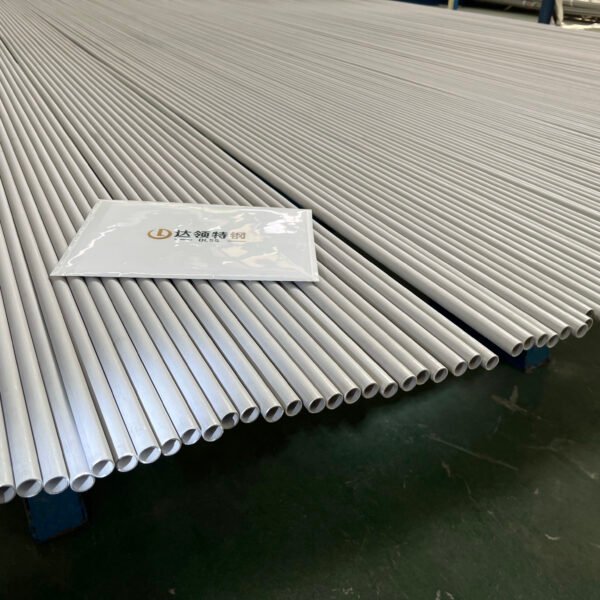
3. Erosion from Turbulent Flow

Caused by:

  • High flow velocities
  • Solid particles in the media
  • Poorly designed tube layout

 Prevention: Choose harder, thicker-walled stainless tubes with clean surface finishes.
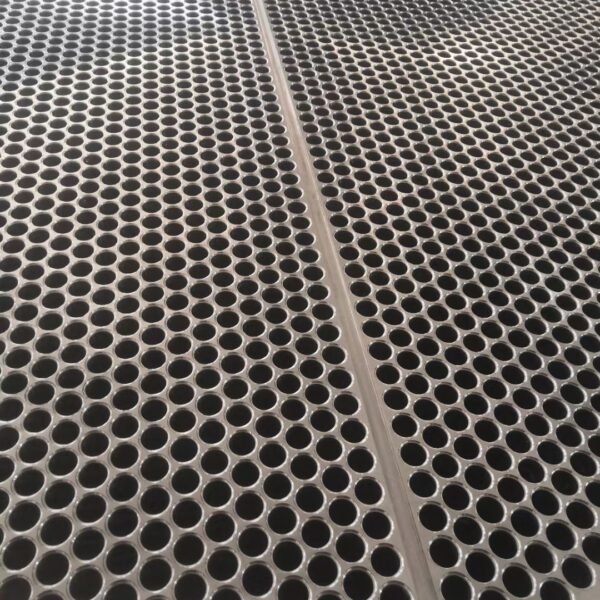
4. Improper Material Selection

Wrong material = faster failure. For example:

  • Copper in seawater
  • Carbon steel in acidic media

 Prevention: Always consult application conditions and choose corrosion-matched alloys.
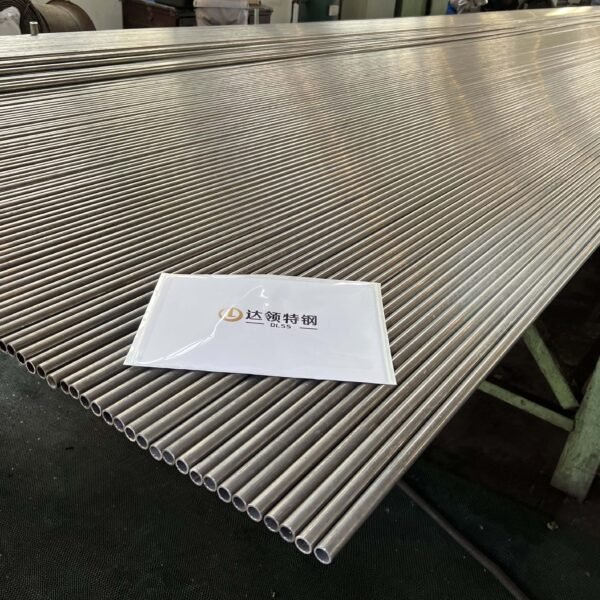
5. Surface Contamination and Residues

Welding oxides or oil residues can trigger localized corrosion.

 Prevention: Use pickled and passivated stainless steel tubes, like those from DLSS.
Final Thoughts

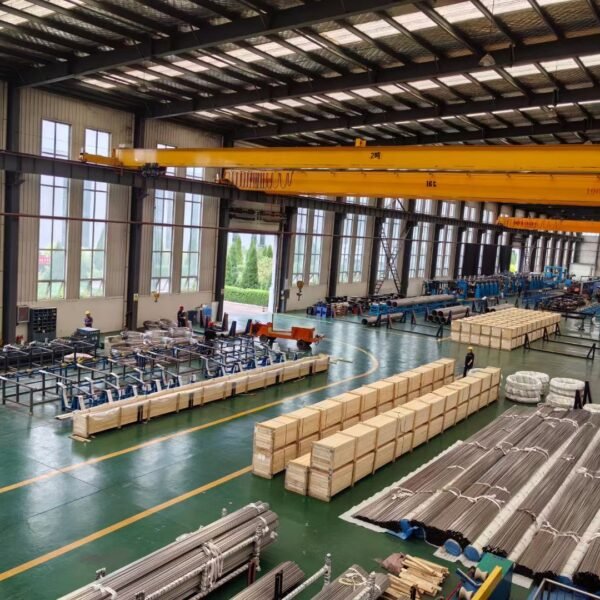
Many heat exchanger tube failures are preventable with smart design and material choices. At DLSS, we provide high-precision seamless stainless tubes that are pickled, inspected, and ready to perform.

 Contact us today to learn how DLSS can help you reduce failure risks and boost system reliability.

Wonderful! Share This Case:

Austenitic Stainless Steel

Duplex Stainless Steel

Nickel Alloys

▪ Incoloy Family

▪ Inconel Family

▪ Monel Family

▪ Hastelloy Family

▪ Other Special Alloys

Cobalt Alloys

Related Posts

Do Stainless Steel Seamless Pipes Leak? Causes, Risks, and How to Prevent It

Do Stainless Steel Seamless Pipes

Meta Description:Are stainless steel seamless pipes leak-proof? Discover the real causes of leakage, how to prevent failures, and what international standards say about pipe integrity. Introduction One of the most frequently asked questions by project engineers, maintenance managers, and buyers is: “Will stainless steel seamless pipes leak?” The short answer:Under normal use and proper installation, […]

Read More
Heat Exchangers in Renewable Energy: Wind, Hydrogen, and Beyond

Heat Exchangers in Renewable Energy:

As the world transitions toward low-carbon energy, the role of heat exchangers in renewable energy systems is becoming increasingly critical. Whether in wind turbine cooling, hydrogen production, or energy storage, heat exchangers ensure thermal stability, equipment safety, and energy efficiency. This article explores how tubular heat exchangers are integrated into modern renewable energy technologies, what […]

Read More

Plate Heat Exchanger vs Shell

1. Introduction – Plate vs Shell and Tube Heat Exchanger When selecting a heat exchanger for your application, one of the most common decisions is between a plate heat exchanger (PHE) and a shell and tube heat exchanger (STHE). Both designs have unique advantages and limitations. This guide compares the two to help you choose […]

Read More
Applications of Stainless Steel Seamless Pipes in the Shipbuilding Industry

Applications of Stainless Steel Seamless

Meta Description:Explore how stainless steel seamless pipes improve corrosion resistance, reliability, and efficiency in shipbuilding. Learn key applications, material grades, and marine standards relevant for Latin American shipyards. Introduction In modern shipbuilding—whether it’s a container vessel in Brazil, a naval patrol boat in Chile, or a passenger ferry in Argentina—material selection is critical. Exposure to […]

Read More
What Is Bright Annealed Tube (BA)? Benefits, Applications, and Surface Control

What Is Bright Annealed Tube

Meta Description:Discover the benefits of Bright Annealed (BA) stainless steel tubes. Learn how BA tubes are manufactured, their key applications, and why they are essential in precision industries. Introduction In industries where cleanliness, precision, and corrosion resistance are critical, the surface finish of stainless steel tubing is just as important as the alloy itself. Bright […]

Read More
Geothermal Heat Exchangers: How They Work and Why Stainless Steel Tubes Matter

Geothermal Heat Exchangers: How They

As global interest in renewable energy grows, geothermal systems are increasingly being adopted for heating, cooling, and even power generation. At the heart of these systems are geothermal heat exchangers, responsible for transferring thermal energy between the ground and the working fluid. This article explains how geothermal heat exchangers work, compares types, discusses key challenges […]

Read More
Titanium Tubes vs Stainless Steel Tubes: Which One is Right for Your Heat Exchanger?

Titanium Tubes vs Stainless Steel

Meta Description:Compare titanium tubes and stainless steel tubes in terms of corrosion resistance, mechanical strength, cost, and applications. Find out which is the better material for your heat exchanger or industrial system. Introduction In corrosive or high-performance environments—such as desalination, chemical processing, or marine applications—material selection is crucial. Two common choices for heat exchanger tubing […]

Read More
heat exchanger tubes

Heat Exchanger Tubes: Standards, Materials,

Heat exchanger tubes are the backbone of many critical industries, including oil & gas, power generation, petrochemicals, shipbuilding, and desalination. Choosing the right tube material and ensuring compliance with international standards are essential to guarantee safety, efficiency, and long-term performance. In this article, we provide a detailed overview of standards, materials, manufacturing processes, and applications […]

Read More

Request A Quote

*We respect your confidentiality and all information are protected.