Alloy Steel Heat Exchanger Tubes (ASTM A199 T11) – Cold Drawn Precision Solutions

DLSS - Pipe&Tube - Alloy Steel Heat Exchanger Tubes (ASTM A199 T11) – Cold Drawn Precision Solutions

Introduction

In high-temperature environments such as boilers, power plants, and petrochemical heat exchangers, alloy steel tubes are indispensable. One common choice is ASTM A199 T11, a Cr-Mo alloy steel that provides excellent creep resistance, mechanical strength, and durability. Recently, a customer requirement for T11 cold drawn tubes offers a valuable example of how this material meets the needs of demanding thermal applications.


Customer Requirement Example

The specific request included:

  • Material: ASTM A199 T11 or equivalent
  • Outside Diameter (OD): 15.875 mm
  • Wall Thickness (WT): 2.11 mm
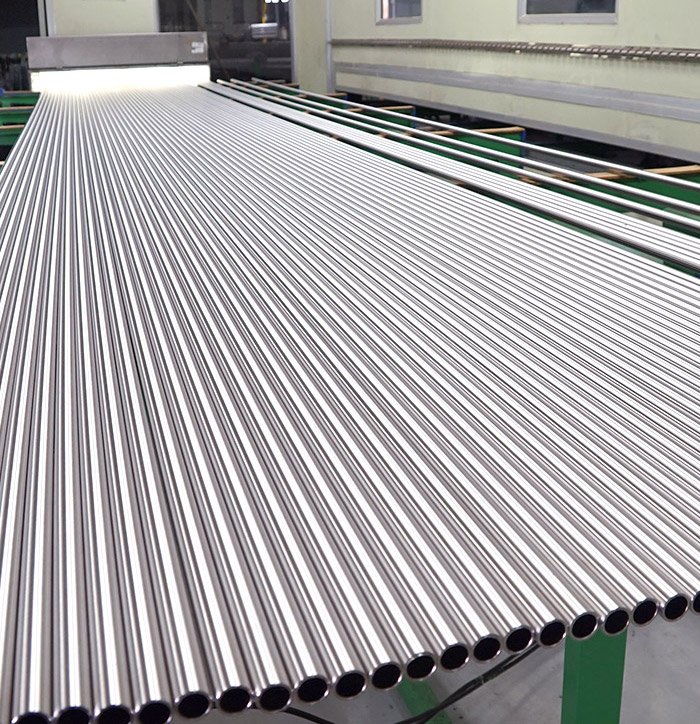
  • Tube Length: 15,000 mm
  • Quantity: 2,225 pieces

This specification reflects the rising demand for long-length, precision alloy steel tubes in heat exchanger and boiler applications.


Why Choose ASTM A199 T11?

T11 alloy steel belongs to the ferritic family of Cr-Mo steels, known for their excellent high-temperature performance:

  • High-Temperature Strength: Resists creep and maintains integrity at elevated operating conditions.
  • Oxidation Resistance: With 1.0–1.5% Cr and 0.44–0.65% Mo, T11 offers good oxidation resistance in flue gas and steam environments.
  • Weldability: T11 tubes can be welded effectively while maintaining stable mechanical properties.
  • Cost Efficiency: Compared to higher-alloy steels, T11 provides a reliable balance between performance and cost.

Technical Challenges of Cold Drawn Alloy Steel Tubes

Producing precision cold drawn tubes at 15 meters in length involves several challenges:

  • Dimensional Accuracy: Maintaining OD and WT tolerances within ±0.05 mm across long lengths.
  • Surface Quality: Smooth inner and outer surfaces to minimize scaling and fouling in service.
  • Straightness: Critical for tube-to-tube sheet fit-up in heat exchanger assemblies.
  • Heat Treatment: Proper normalizing and tempering cycles to ensure creep resistance and toughness.

DLSS Cold Drawing and Quality Solutions

DLSS ensures compliance with stringent requirements for alloy steel tubes:

  • Cold Drawing Technology: Achieves precision tolerances and improved surface finish.
  • Heat Treatment Expertise: Normalizing and tempering processes restore mechanical properties and refine grain structure.
  • Testing & Certification:
    • EN 10204 3.1 or 3.2 certificates
    • 100% Eddy Current + Hydrostatic testing
    • Mechanical and hardness testing for elevated temperature service
  • Inspection Plans: Customized ITPs (Inspection & Test Plans) with third-party inspection options.
  • Packaging: End caps, VCI protection, wooden cases for safe transport of long-length tubes.

Applications of Alloy Steel T11 Tubes

Alloy steel T11 tubes are widely used across industries:

  • Boiler Tubes in thermal and power plants
  • Superheaters & Reheaters in high-pressure steam systems
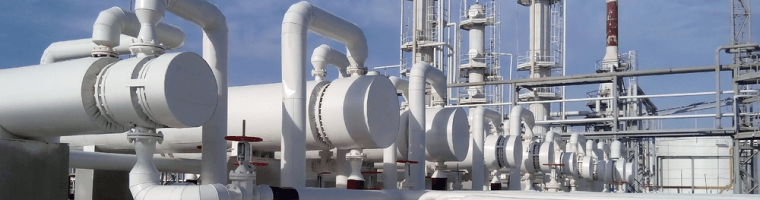
  • Petrochemical Heat Exchangers handling elevated temperatures
  • Economizers in power generation units

Their proven performance makes them a standard choice for operators seeking reliability and long service life.


Conclusion – Partnering with DLSS for Alloy Steel Tubes

This customer requirement for T11 cold drawn tubes illustrates the importance of precision and quality in high-temperature heat exchanger applications. DLSS provides engineered alloy steel tubes with strict dimensional control, certified testing, and international compliance.

For more details, contact info@dlsspipe.com or visit www.dlsspipeline.com. DLSS is your trusted partner for alloy steel heat exchanger tubes.

Wonderful! Share This Case:

Austenitic Stainless Steel

Duplex Stainless Steel

Nickel Alloys

▪ Incoloy Family

▪ Inconel Family

▪ Monel Family

▪ Hastelloy Family

▪ Other Special Alloys

Cobalt Alloys

Related Posts

Stainless Steel Tubing Solutions for South America’s Oil & Gas Industry

Stainless Steel Tubing

Introduction South America is rich in oil and gas reserves—from Brazil’s offshore pre-salt basins, to Argentina’s Vaca Muerta shale, and Colombia’s expanding gas fields. These resources fuel the region’s economy but also demand high-performance, corrosion-resistant piping solutions. In this article, we explore how stainless steel seamless tubes meet the challenges...

Read More
Electropolished vs Mechanically Polished Tubes: What’s Best for Hygienic Applications?

Electropolished vs Mechanically

Introduction In sanitary applications, cleanability is critical. Whether you’re building a milk pasteurizer in Brazil or a pharmaceutical system in Colombia, the inner surface of your stainless steel tubes directly affects hygiene, bacterial resistance, and compliance. The two most common surface finishes used in sanitary stainless steel tubing are: But...

Read More
Choosing Between 304L, 316L, and 317L Stainless Steel Tubes – What’s Right for Your Application?

Choosing Between 304L,

Introduction When selecting stainless steel tubes for industrial use, choosing the right grade can significantly affect corrosion resistance, mechanical performance, and cost efficiency. Among the most widely used austenitic stainless steels are 304L, 316L, and 317L. Though they may appear similar, their chemical makeup and performance differ greatly in environments...

Read More
Asia-Pacific Leads the Global Stainless Steel Seamless Tube Market: Trends and Opportunities Ahead

Asia-Pacific Leads the

Asia-Pacific (APAC) is not just the largest stainless steel seamless tube market—it’s the fastest-growing. Fueled by industrialization, infrastructure investment, and regional manufacturing dominance, APAC accounts for over 40% of global market share and is projected to grow steadily at 7.3%+ CAGR through 2030. For manufacturers, EPC contractors, and material buyers,...

Read More
Material Selection for Seawater-Cooled Heat Exchangers: What Engineers Must Consider

Material Selection for

Seawater is one of the most aggressive environments for heat exchanger systems. High levels of chlorides, biofouling, and oxygenated saline water create ideal conditions for pitting, crevice corrosion, and stress corrosion cracking (SCC). Choosing the wrong material for tubes in seawater-cooled heat exchangers can lead to early failure, frequent maintenance,...

Read More
southeast-asia-industrial-parks-heat-exchanger-demand

Who’s Buying Heat

Southeast Asia is entering a new wave of industrial growth. Governments across the ASEAN region—including Thailand, Vietnam, Malaysia, and Indonesia—are investing billions in industrial parks, refineries, food processing plants, and energy facilities. For global suppliers of heat exchanger tubes, U-bent coils, and industrial stainless steel piping, this presents an exciting...

Read More
green-building-hvac-stainless-steel-heat-exchanger-tube

How Green Buildings

With urban centers pushing for net-zero construction and energy-efficient design, HVAC systems—heating, ventilation, and air conditioning—have become the heart of green buildings. This shift is driving new demand for stainless steel heat exchanger tubes, used in chilled water systems, heat pumps, condenser units, and energy recovery modules. 1. Why Stainless...

Read More
Integrated Stainless Steel Piping Solutions for Industrial Projects

Integrated Stainless Steel

Introduction In large-scale industrial projects—such as oil refineries, power plants, food processing lines, and chemical facilities—procurement teams often face a key challenge: how to consolidate material supply while ensuring technical compliance and on-time delivery. DLSS offers a complete stainless steel piping solution, including seamless pipes, fittings, flanges, and documentation services...

Read More

Request A Quote

*We respect your confidentiality and all information are protected.