Geothermal Heat Exchangers: How They Work and Why Stainless Steel Tubes Matter

DLSS - Tubes For Heat Exchanger - Geothermal Heat Exchangers: How They Work and Why Stainless Steel Tubes Matter

As global interest in renewable energy grows, geothermal systems are increasingly being adopted for heating, cooling, and even power generation. At the heart of these systems are geothermal heat exchangers, responsible for transferring thermal energy between the ground and the working fluid.

This article explains how geothermal heat exchangers work, compares types, discusses key challenges (like corrosion), and shows why stainless steel tubing is a critical component in building long-lasting and efficient systems.


What Is a Geothermal Heat Exchanger?

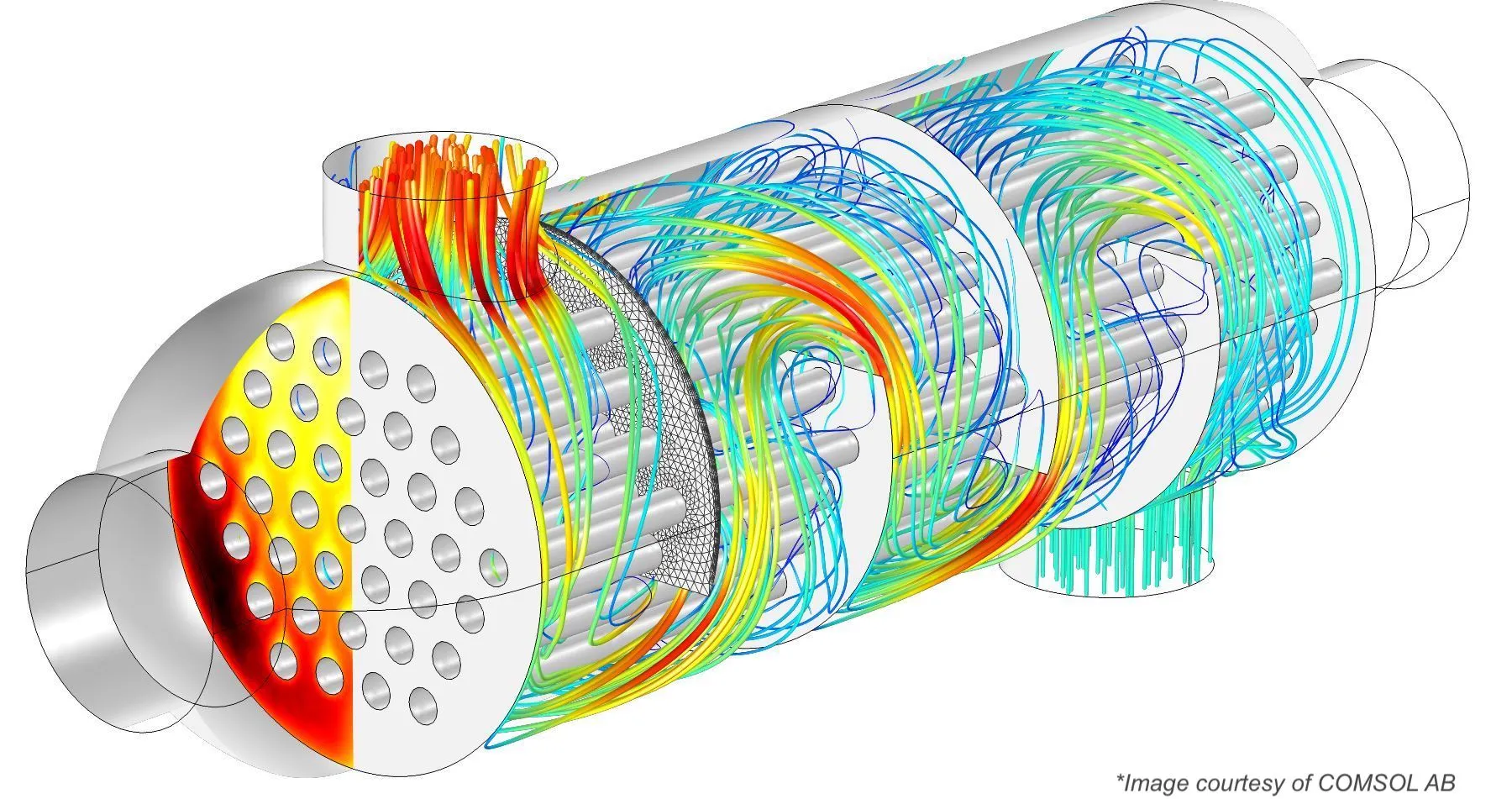
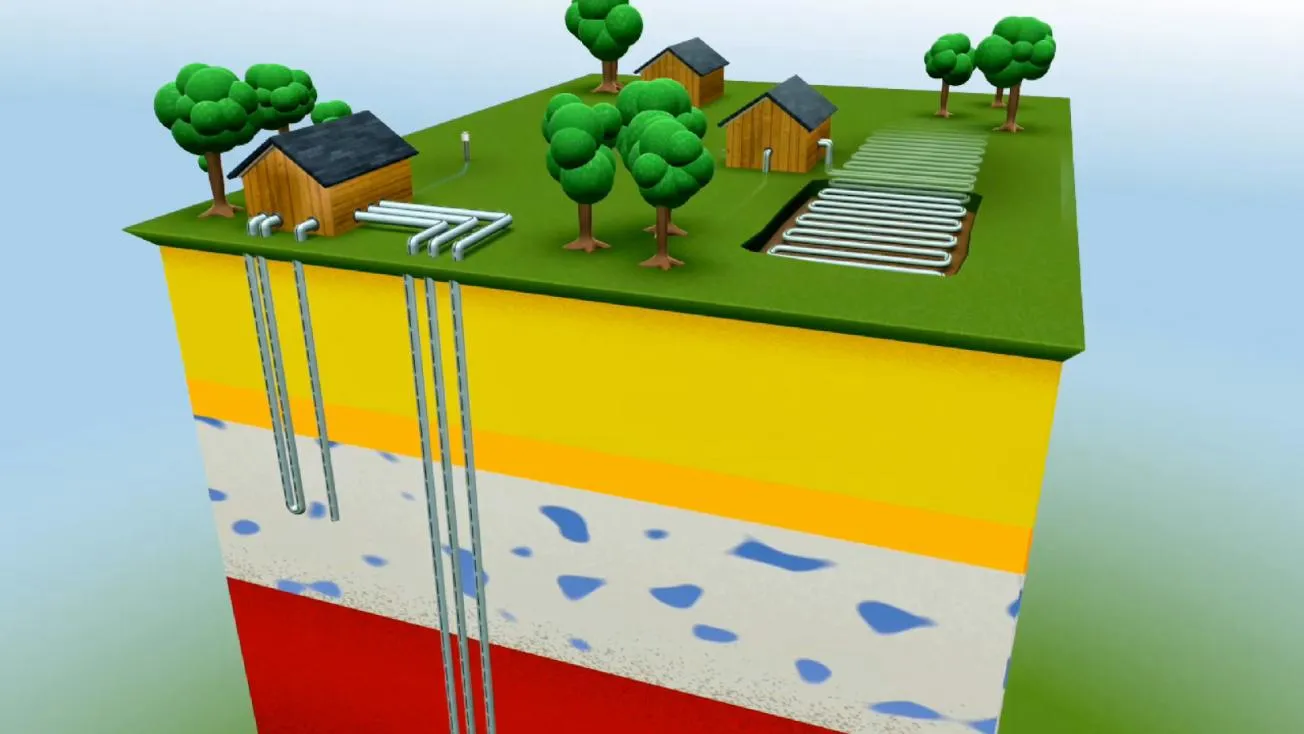
A geothermal heat exchanger is a system that transfers heat between a fluid (typically water or a glycol mix) and the earth. This process enables buildings to draw warmth in winter and release heat in summer using stable subsurface temperatures.

Common system types include:

  • Closed-loop horizontal or vertical systems
  • Open-loop systems using groundwater
  • Direct-use geothermal systems in high-temperature areas

These systems are widely used in residential, commercial, and industrial HVAC and even in geothermal power plants for energy production.


Types of Geothermal Heat Exchanger Configurations

System TypeDescriptionHeat Exchanger Role
Ground-source heat pump (GSHP)Transfers heat between buildings and earth via buried loopsTransfers heat from brine or refrigerant to building loop
Geothermal district heatingLarge-scale systems for urban heating (Europe, China)Often includes plate/shell-and-tube exchangers
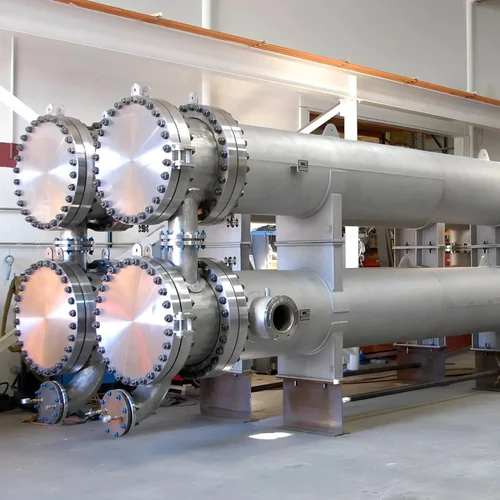
Binary geothermal power plantUses ground heat to vaporize a secondary fluid (like isobutane)Stainless shell-and-tube exchanger between water and vapor
Enhanced geothermal systems (EGS)Injected water into hot dry rock regionsHigh-temperature titanium or duplex tube exchangers

More info: Wikipedia – Geothermal Power


Challenges in Geothermal Heat Exchange

1. Corrosive Groundwater

Many geothermal sources contain chlorides, hydrogen sulfide, CO₂, or minerals that cause corrosion, scaling, and biofouling.

2. Long-Term Durability

Piping and exchangers are expected to operate underground for 25–50 years, often with limited access for maintenance.

3. Thermal Cycling

Frequent heating/cooling cycles require materials with high thermal fatigue resistance.


Why Stainless Steel Tubes Are Essential

DLSS recommends the use of corrosion-resistant stainless steel and titanium tubes in geothermal heat exchanger systems due to:

  • High corrosion resistance in aggressive mineral-rich water
  • Excellent mechanical strength and long service life
  • Weldability and fabrication ease for custom heat exchanger designs
  • Compatibility with ASME, EN, and PED codes
  • Material traceability and certification

Especially recommended grades:

MaterialBest for
316L Stainless SteelShallow ground loop systems with mild chloride levels
Duplex 2205 / Super Duplex 2507High-chloride, deeper geothermal wells
Titanium Gr.2Extreme salinity or sulfur-rich geothermal environments

Explore more: DLSS Stainless and Duplex Tubes for Heat Exchangers


Design Tips for Geothermal Heat Exchangers

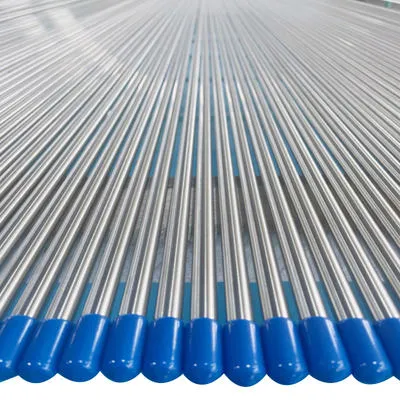
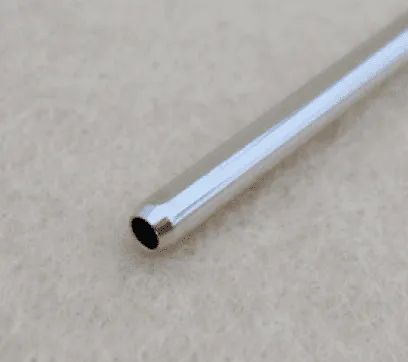
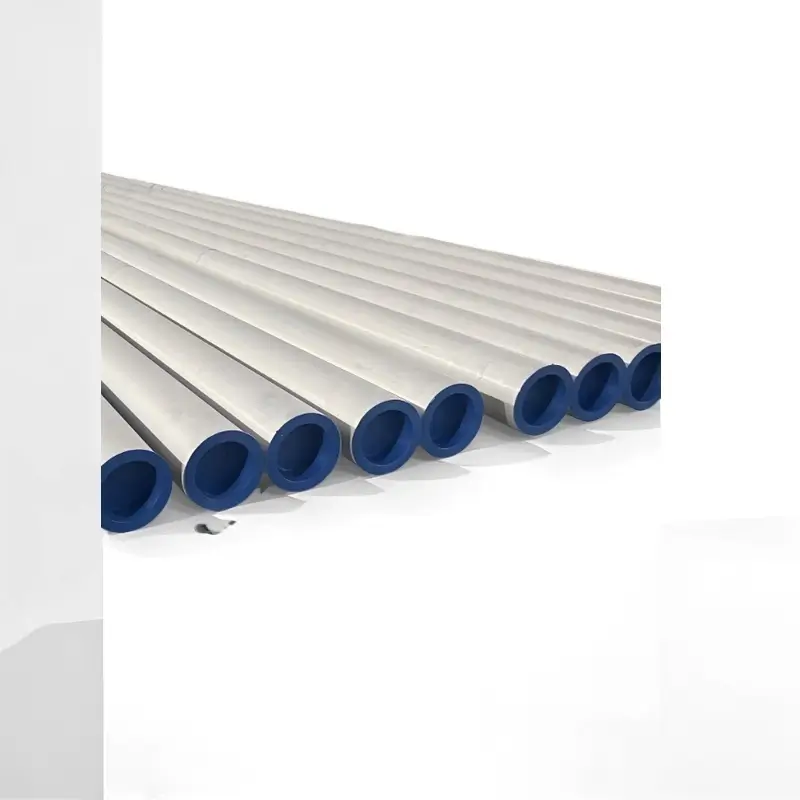
  • Use seamless stainless tubes for corrosion resistance and pressure containment
  • Bright annealed or polished finish reduces fouling and improves flow
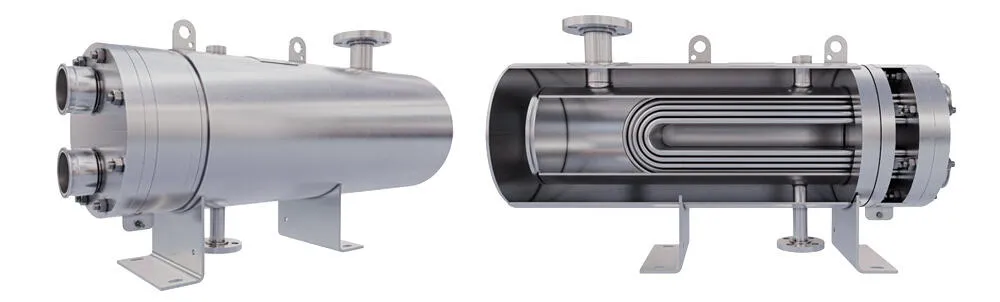
  • Specify U-bent or multi-pass shell-and-tube designs for high-efficiency recovery
  • Use double-tube or double-wall tubes in potable-water applications to prevent cross-contamination

Frequently Asked Questions (FAQ)

Q1: Can geothermal systems use carbon steel tubes to save cost?
No. Carbon steel corrodes rapidly in geothermal fluids. Stainless steel or titanium is highly recommended.

Q2: What are the typical pressure ratings for geothermal exchangers?
Usually from 10 to 35 bar, depending on system depth and configuration.

Q3: Do I need special certifications for geothermal heat exchanger tubes?
Yes. DLSS provides tubes with EN 10204 3.1, ASME, PED, and NACE MR0175 certifications as required.

Q4: How long do geothermal heat exchangers last?
Properly designed and installed systems using stainless steel can last 25–50 years with minimal maintenance.


Contact Us

DLSS helps geothermal developers, EPC contractors, and OEMs build high-efficiency, low-maintenance, and corrosion-resistant heat exchange systems with:

  • Seamless stainless, duplex, and titanium tubes
  • Custom lengths, U-bends, polishing, and surface treatment
  • Full material documentation and export packaging
  • Delivery to over 40 countries

Email: info@dlsspipe.com
Website: www.dlsspipeline.com

Let’s build the future of renewable heat—together.

Wonderful! Share This Case:

Austenitic Stainless Steel

Duplex Stainless Steel

Nickel Alloys

▪ Incoloy Family

▪ Inconel Family

▪ Monel Family

▪ Hastelloy Family

▪ Other Special Alloys

Cobalt Alloys

Related Posts

Stainless Steel Instrumentation Tubing for Japan’s Oil & Gas Projects – 日本石油・ガス産業向けステンレス計装チューブ

Stainless Steel Instrumentation Tubing for

Introduction The oil and gas industry in Japan demands high-precision stainless steel instrumentation tubing for safe and efficient operation of control systems. DLSS supplies JIS G3446-compliant tubes with excellent corrosion resistance, precision dimensional tolerances, and long service life in harsh offshore and onshore environments. 1. Why Stainless Instrumentation Tubes for Oil & Gas(石油・ガスにステンレス計装チューブが必要な理由) 2. Standards […]

Read More
How to Select the Right Stainless Steel Tube for Corrosive Environments – A Practical Guide

How to Select the Right

Meta Description:Learn how to choose the best stainless steel tube for corrosive environments. Explore material selection, corrosion types, industry standards, and real-world applications. Introduction Corrosive environments are among the most demanding settings for stainless steel tubing. Choosing the wrong grade can lead to pitting, cracking, or total system failure—costing both time and money. This practical […]

Read More
Stainless Steel Tube Failure Modes – Cracks, Pitting, and How to Prevent Them

Stainless Steel Tube Failure Modes

Meta Description:Explore the most common failure modes of stainless steel tubes including cracking, pitting, and stress corrosion. Learn how to prevent these issues through material selection, surface treatment, and quality control. Introduction Even the highest-grade stainless steel tubes can fail under extreme or mismanaged conditions. Understanding the failure mechanisms helps design engineers, QA teams, and […]

Read More
Top 7 Types of Finned Tubes and Their Applications Across Industries

Top 7 Types of Finned

Meta Description:Explore 7 common finned tube designs, how they differ, and which applications they serve best. Learn how to select the right fin geometry and material for your heat exchanger project. Introduction Not all finned tubes are created equal. With varying geometries, base materials, and manufacturing techniques, selecting the proper finned tube type can make […]

Read More
Middle East Market Insight: Stainless Steel Seamless Tube Demand in Refining and Desalination Projects

Middle East Market Insight: Stainless

The Middle East remains one of the world’s largest consumers of stainless steel seamless tubes—driven by oil & gas refining, petrochemical facilities, and mega-scale desalination and water treatment plants. As Gulf countries shift toward more technologically advanced, environmentally compliant, and cost-efficient infrastructure, the demand for U-bent heat exchanger tubes, duplex/super duplex grades, and ASME/PED-certified seamless […]

Read More
What’s the Difference Between TP304, TP316, TP321, and Other Stainless Steel Tube Grades?

What’s the Difference Between TP304,

Meta Description:Explore the key differences between TP304, TP316, TP321, and other stainless steel tube grades. Learn how to choose the right material based on corrosion resistance, temperature, mechanical strength, and compliance with ASTM and EN standards. Introduction Choosing the correct stainless steel tube grade is crucial for ensuring performance, longevity, and regulatory compliance in industries […]

Read More
Material Selection for Seawater-Cooled Heat Exchangers: What Engineers Must Consider

Heat Exchanger Tube Demand to

The global heat exchanger market is heating up—literally and economically. With rising demand for energy efficiency, industrial process optimization, and sustainable thermal management, stainless steel heat exchanger tubes are becoming a critical infrastructure material across multiple industries. Recent industry research forecasts a compound annual growth rate (CAGR) of 9.5% through 2032 for the heat exchanger […]

Read More

How to Select Heat Exchanger

Introduction Heat exchanger tubes are the most critical components in shell and tube heat exchangers. They directly determine the heat transfer efficiency, corrosion resistance, and operational reliability of the entire system. Selecting the wrong tube material can result in serious issues such as: For engineers and procurement specialists, understanding how to properly select heat exchanger […]

Read More

Request A Quote

*We respect your confidentiality and all information are protected.