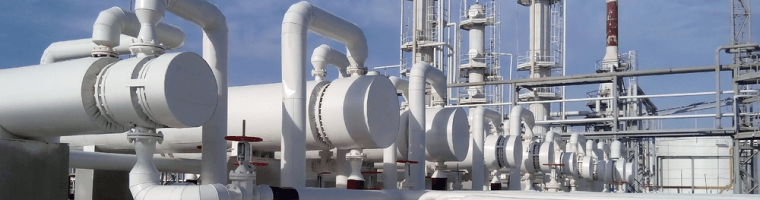
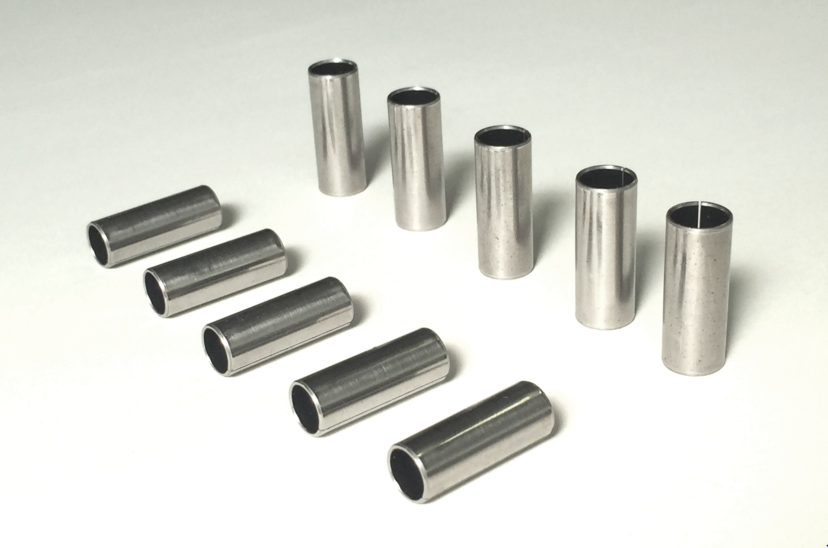
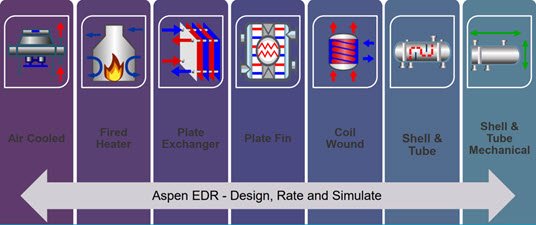
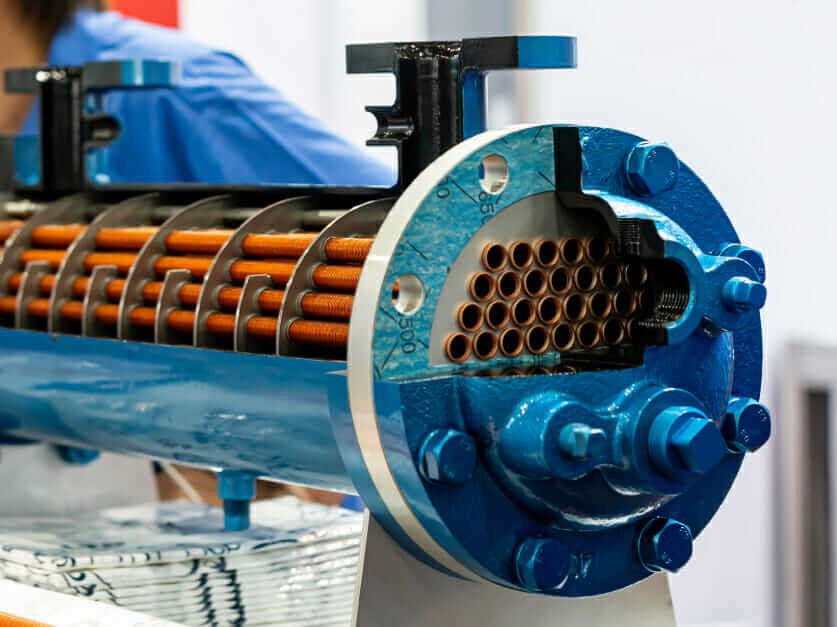
Stainless steel seamless pipes are widely used in heat exchangers, boilers, condensers, pressure piping, petrochemical plants, power generation, shipbuilding, and other demanding industrial systems. For heat exchanger and condenser projects, buyers often prefer stainless steel seamless heat exchanger tubes because they offer better pressure resistance, dimensional stability, and corrosion performance.
A common question from engineers, maintenance teams, and buyers is:
Will stainless steel seamless pipes leak?
The short answer is:
Under proper material selection, manufacturing, inspection, installation, and operation, stainless steel seamless pipes are not expected to leak. However, leakage can still happen due to corrosion, poor installation, wrong material selection, pressure overload, mechanical damage, or connection failure.
This article explains why stainless steel seamless pipes are less likely to leak, what causes leakage in real projects, which tests help reduce leakage risk, and what buyers should confirm before ordering.
Are Stainless Steel Seamless Pipes Leak-Proof?
No pipe material should be described as completely leak-proof under all conditions.
Stainless steel seamless pipes have no longitudinal weld seam, which helps reduce one common weak point found in welded pipes. This makes them a reliable choice for pressure service, corrosive environments, heat exchangers, boilers, and process piping.
However, leakage risk depends on the complete piping system, not only the pipe body.
Possible leakage points include:
- Pipe body
- Weld joint
- Flange connection
- Gasket
- Threaded connection
- Tube-to-tubesheet joint
- Expansion joint
- Damaged surface area
- Corrosion pit
- Improperly installed fitting
In many industrial projects, leakage is not caused by the seamless pipe itself. It is often related to installation, welding, sealing, corrosion, wrong material selection, or operating conditions beyond the original design.
Why Seamless Pipes Are Less Likely to Leak
Seamless stainless steel pipes are produced without a longitudinal weld. Compared with welded pipes, seamless stainless steel tubes eliminate weld-seam-related risks along the pipe length and are widely used in pressure service, heat exchangers, boilers, and process piping.
This is why seamless pipes are commonly selected for:
- High-pressure piping
- High-temperature service
- Heat exchanger tubing
- Boiler systems
- Petrochemical piping
- Corrosive fluid service
- Critical industrial applications
ASTM A312 covers seamless, welded, and heavily cold-worked austenitic stainless steel pipes intended for high-temperature and general corrosive service. In practical procurement, buyers often choose seamless pipes when pressure resistance, reliability, and material integrity are important.
| Factor | Seamless Pipe Advantage |
|---|---|
| No longitudinal weld seam | Reduces weld-seam-related leakage risk |
| Strong pipe body | Suitable for pressure service when correctly specified |
| Better reliability | Commonly used in critical industrial applications |
| Material traceability | Can be supplied with MTC and inspection records |
| Flexible inspection options | Hydrostatic test, ET, UT, PMI, dimensional inspection, and visual inspection can be arranged |
Seamless pipe does not mean “zero risk.” It means one major potential weakness, the longitudinal weld seam, is removed.
Common Causes of Leakage in Stainless Steel Seamless Pipes
1. Poor Installation or Connection
Many leakage problems happen at the connection area, not in the pipe body.
Common installation-related causes include:
- Wrong gasket material
- Uneven bolt tightening
- Incorrect flange alignment
- Poor welding procedure
- Incomplete weld inspection
- Tube expansion problem
- Improper threaded connection
- Poor handling during site installation
For flange connections, gasket selection and bolt tightening are very important. Even a high-quality seamless pipe may leak if the connection is not properly installed.
2. Wrong Material Selection
Material selection is one of the most important factors in preventing leakage.
For example, 304 or 304L stainless steel may work well in many general environments, but it may not be suitable for high-chloride or seawater service. In chloride-rich environments, pitting corrosion or crevice corrosion may occur and eventually cause leakage.
| Service Environment | Possible Risk | Common Material Consideration |
| Clean water | Low corrosion risk | 304 / 316L |
| Coastal environment | Chloride corrosion | 316L / 2205 / 2507 |
| Seawater | Severe pitting risk | Duplex / Super Duplex / Titanium / Copper Nickel |
| Acidic chemical service | Corrosion failure | 904L / Alloy 825 / C276 |
| High-temperature service | Creep or oxidation risk | 321H / 347H / 316H / 310S |
| Heat exchanger service | Corrosion, pressure, and thermal stress | Material should match medium, temperature, and pressure |
Choosing the wrong grade may not cause leakage immediately, but it can shorten service life and increase failure risk.
3. Pitting Corrosion
Pitting corrosion is one of the most common causes of pinhole leakage in stainless steel pipes.
A small pit can gradually penetrate the pipe wall. Once the wall is perforated, leakage may occur even if the pipe was originally seamless and pressure-tested.
Pitting corrosion is more likely to happen in:
- Chloride-containing water
- Seawater
- Salt spray environment
- Poorly drained systems
- Areas with deposits or stagnant liquid
- Unsuitable material grade selection
For severe chloride or seawater service, buyers should not choose stainless steel only by price. The operating environment must be reviewed carefully.
4. Crevice Corrosion
Crevice corrosion may occur in narrow gaps where oxygen access is limited.
Common areas include:
- Gasket contact areas
- Flange joints
- Tube-to-tubesheet joints
- Deposits on pipe surfaces
- Under clamps or supports
- Areas with stagnant fluid
Even stainless steel with good general corrosion resistance can fail in crevice areas if the environment is aggressive.
5. Stress Corrosion Cracking
Stress corrosion cracking may occur when tensile stress, temperature, and corrosive media exist at the same time.
This risk is especially important in:
- Chloride environments
- High-temperature service
- Welded areas
- Systems with residual stress
- Poorly controlled fabrication or installation
Stress corrosion cracking may be difficult to detect at an early stage, so correct material selection and proper inspection are important.
6. Mechanical Damage During Handling or Transportation
Surface damage can also increase leakage risk.
Examples include:
- Deep scratches
- Dents
- Impact marks
- Pipe end damage
- Poor lifting method
- Unprotected pipe ends
- Loose packing during shipment
For export projects, proper packing is not just a cosmetic issue. It helps protect pipe surfaces, ends, and dimensions during long-distance transportation.
7. Pressure Overload or Wrong Wall Thickness
Leakage may happen when the actual working condition is more severe than the pipe design.
Before ordering, buyers should confirm:
- Working pressure
- Design pressure
- Test pressure
- Working temperature
- Medium
- Corrosion allowance
- Minimum wall thickness
- Standard and tolerance
- End connection
- Inspection requirement
Only asking for OD and material grade is not enough for critical pressure service.
8. Poor Quality Control Before Shipment
If inspection is not properly arranged, defects or material mistakes may not be found before shipment.
Important quality checks may include:
- PMI test
- Hydrostatic test
- Eddy current test
- Ultrasonic test
- Visual inspection
- Dimensional inspection
- Wall thickness inspection
- Surface inspection
- MTC review
- Third-party inspection
For critical projects, inspection records are just as important as the pipe itself.
Leakage Symptom, Possible Cause, and Prevention
| Leakage Symptom | Possible Cause | Prevention Method |
| Leakage at flange | Gasket failure, poor bolt tightening, flange misalignment | Use correct gasket, proper installation procedure, and flange inspection |
| Leakage at weld joint | Poor welding, incomplete penetration, wrong WPS | Use qualified welding procedure and weld inspection |
| Pinhole leakage on pipe body | Pitting corrosion | Select suitable material for chloride or corrosive service |
| Leakage after short service time | Wrong material grade or wrong environment assessment | Confirm medium, temperature, chloride content, and corrosion risk before ordering |
| Leakage during pressure test | Defect, wrong wall thickness, poor connection, or damage | Arrange hydrostatic test, ET, UT, dimensional inspection, and visual inspection |
| Leakage after transportation | Surface damage or pipe end damage | Use seaworthy wooden case, end caps, and proper protection |
| Leakage near tubesheet | Tube expansion or welding problem | Confirm tube-to-tubesheet design, expansion procedure, and inspection method |
How to Test Stainless Steel Seamless Pipes for Leakage Risk
Different tests are used for different purposes. No single test can replace all inspection methods. A complete DLSS quality control process usually includes material verification, dimensional inspection, surface inspection, pressure testing, and documentation review before shipment.
| Test Method | Main Purpose | When to Use |
| Hydrostatic Test | Checks pressure resistance and leakage under water pressure | Pressure piping, boiler tubes, heat exchanger tubes |
| Eddy Current Test | Detects surface and near-surface defects | Heat exchanger tubes and seamless tubes |
| Ultrasonic Test | Detects internal defects or wall-related issues | Critical pressure service |
| PMI Test | Confirms material grade | Avoids wrong material risk |
| Dimensional Inspection | Checks OD, WT, length, straightness, and tolerance | Before shipment |
| Visual Inspection | Checks surface, ends, dents, scratches, and packing condition | Before shipment |
| MTC Review | Confirms chemical composition and mechanical properties | Every formal order |
| Third-Party Inspection | Independent verification by BV, SGS, TUV, LR, ABS, or other inspection company | Critical projects or end-user requirements |
For process piping systems, ASME B31.3 is commonly referenced for pressure and leak testing requirements. In practice, the final testing method should follow the project specification, applicable standard, and end-user requirement.
How to Prevent Leakage Before Procurement
Leakage prevention should start before production, not after installation.
Before placing an order, buyers should confirm the real working condition and inspection requirements.
Buyer Checklist Before Ordering
- What is the working medium?
- Is the medium water, steam, seawater, gas, oil, acid, alkali, or chemical fluid?
- What is the chloride content?
- What is the working pressure?
- What is the design pressure?
- What is the test pressure?
- What is the working temperature?
- Is corrosion allowance required?
- Is minimum wall thickness required?
- Which standard should be followed?
- Is the pipe used for heat exchanger, boiler, condenser, or process piping?
- Is hydrostatic test required?
- Is ET or UT required?
- Is PMI required?
- Is third-party inspection required?
- What documents are required before shipment?
- What packing method is required for export?
The more information confirmed before production, the lower the risk of leakage, delay, or rejection.
Material Selection Guide for Leakage Prevention
| Application | Common Risk | Material Selection Direction |
| General industrial piping | Pressure, corrosion, installation | 304 / 304L / 316L |
| Heat exchanger tubes | Corrosion, temperature, pressure, vibration | 316L / 321 / 2205 / 904L / Nickel Alloy |
| Boiler tubes | High temperature and pressure | 321H / 347H / 316H / 310S |
| Condenser tubes | Water-side corrosion | 316L / Duplex / Copper Nickel / Titanium |
| Seawater cooling | Chloride and pitting corrosion | 2205 / 2507 / Titanium / Cu-Ni |
| Chemical processing | Acid or aggressive fluid | 904L / Alloy 825 / Alloy 625 / C276 |
| Offshore projects | Chloride, salt spray, high corrosion risk | Duplex / Super Duplex / Nickel Alloy |
The final material choice should be based on actual service conditions, not only on price or availability.
How DLSS Helps Reduce Leakage Risk
At DLSS, leakage prevention starts before production.
We review the project requirements, material grade, wall thickness, standard, inspection method, packing method, and delivery condition before confirming the order.
For stainless steel seamless pipes and heat exchanger tubes, DLSS can support:
- Material grade verification by PMI
- OD, WT, and length inspection
- Hydrostatic testing when required
- Eddy current testing when required
- Ultrasonic testing when required
- Surface and end-condition inspection
- MTC review before shipment
- Third-party inspection by BV, SGS, TUV, LR, ABS, or other inspection companies
- Seaworthy wooden case packing
- Pipe end protection
- Inspection photos and videos before shipment
For critical projects, DLSS can also provide third-party inspection support before shipment, so buyers and end users can verify product quality before goods leave the factory.
What Documents Should Buyers Request?
For formal stainless steel seamless pipe orders, buyers should request clear documentation.
Common documents include:
- Mill Test Certificate
- Chemical composition report
- Mechanical property report
- Heat treatment record when applicable
- PMI report when required
- Hydrostatic test report when required
- ET or UT report when required
- Dimensional inspection report
- Packing photos
- Marking photos
- Third-party inspection report when required
These documents help buyers confirm material traceability and reduce project risk.
FAQ
Are stainless steel seamless pipes completely leak-proof?
No. Seamless pipes reduce weld-seam-related leakage risk, but leakage can still occur due to corrosion, poor installation, wrong material selection, pressure overload, or connection failure.
Is leakage usually caused by the seamless pipe body?
Not always. In many industrial projects, leakage comes from flange connections, gaskets, weld joints, installation issues, corrosion, or wrong material selection rather than the seamless pipe body itself.
Can 304 stainless steel pipes leak in seawater?
Yes. 304 stainless steel is not recommended for seawater service. In chloride-rich environments, pitting corrosion may occur and eventually cause leakage. 316L, Duplex 2205, Super Duplex 2507, Titanium, or Copper Nickel may be more suitable depending on the project.
Which test can confirm pipe leakage risk?
Hydrostatic testing is commonly used to check pressure resistance and leakage. ET, UT, PMI, visual inspection, dimensional inspection, and MTC review can also help reduce quality risks before shipment.
What should buyers confirm before ordering stainless steel seamless pipes?
Buyers should confirm medium, pressure, temperature, material grade, standard, OD, WT, length, tolerance, inspection requirements, packing method, and required documents.
Can DLSS support third-party inspection?
Yes. DLSS can support third-party inspection by BV, SGS, TUV, LR, ABS, or other inspection companies according to project requirements.
Conclusion
Stainless steel seamless pipes are reliable and widely used in critical industrial systems. Because they have no longitudinal weld seam, they reduce one common leakage risk compared with welded pipes.
However, seamless pipes are not automatically leak-proof in every environment. Leakage can still happen because of corrosion, poor installation, wrong material selection, mechanical damage, pressure overload, or insufficient inspection.
To reduce leakage risk, buyers should confirm service conditions before ordering, choose the correct material grade, request proper testing, review MTC documents, and use reliable packing for shipment.
DLSS supplies stainless steel seamless pipes, heat exchanger tubes, boiler tubes, condenser tubes, and special alloy tubes with inspection and documentation support for global industrial projects.
If you are not sure which material or inspection method is suitable for your project, send us your specifications, drawings, medium, pressure, and temperature. Our team will help review the requirements before quotation.