Over time, all heat exchangers are affected by fouling, which leads to reduced heat transfer efficiency, increased pressure drop, and higher energy costs. Selecting the proper cleaning method is critical to maintaining system performance, extending service life, and ensuring process safety.
This article explores the most widely used heat exchanger cleaning techniques, their advantages and limitations, recommended cleaning intervals, and materials compatibility—helping you build a smart maintenance strategy.
Why Cleaning Is Essential
According to Wikipedia – Heat exchanger fouling, fouling is the accumulation of unwanted material on heat transfer surfaces. Common fouling types include:
- Scaling (e.g., calcium carbonate in water systems)
- Particulate fouling (dust, sediment, sludge)
- Chemical fouling (polymer or chemical film buildup)
- Biological fouling (biofilms, algae)
- Corrosion products
Uncontrolled fouling can reduce thermal efficiency by 20–40%, shorten equipment lifespan, and increase operational risk.
Common Heat Exchanger Cleaning Methods
1. Mechanical Cleaning (Manual or Automated)
Best for: Shell-and-tube heat exchangers with removable bundles or U-tubes.
Techniques include:
- Tube brushing or rod cleaning
- High-pressure water jetting
- Pneumatic tube punching
Pros:
- No chemical handling
- Ideal for heavy scaling and hard deposits
- Reaches internal surfaces
Cons:
- Requires shutdown and disassembly
- May not reach complex geometries
2. Chemical Cleaning (CIP – Clean-in-Place)
Best for: Plate heat exchangers and systems requiring hygienic standards.
Typical chemicals:
- Acidic descalers (e.g., citric, sulfuric acid) for scaling
- Alkaline cleaners for grease, biofilms
- Biocides for microbiological fouling
Pros:
- Non-invasive; no need to disassemble equipment
- Cleans internals thoroughly
- Efficient for smooth and compact exchangers
Cons:
- Must manage waste and neutralization
- May not remove thick or hard scaling
- Material compatibility must be verified
See Wikipedia – Clean-in-Place
3. Hydroblasting / High-Pressure Jetting
Best for: Industrial shell-and-tube units with moderate to heavy fouling.
Key features:
- Pressures from 5,000 to 20,000 psi
- Robotic or manually guided jets
Pros:
- No chemicals involved
- Very effective on large-scale fouling
- Short cleaning time with trained personnel
Cons:
- High noise, water consumption
- Safety precautions required
4. Ultrasonic Cleaning (Less Common)
Best for: Small heat exchangers, medical and precision systems.
Principle: Uses cavitation bubbles generated by high-frequency sound waves to dislodge contaminants.
Pros:
- Delicate and precise
- No abrasive contact
Cons:
- Limited to smaller units or components
- Higher equipment cost
How Often Should Heat Exchangers Be Cleaned?
There is no universal schedule—it depends on:
- Fluid type (dirty vs. clean service)
- Operating hours
- Water chemistry or contamination risk
- Design (PHE vs. STHE)
General guidelines:
| Application | Typical Cleaning Interval |
|---|---|
| Food & beverage (CIP) | Every 2–4 weeks |
| HVAC / Chiller | Every 6–12 months |
| Oil & Gas Processing | Every shutdown / turnaround |
| Boilers / Steam | 1–2 times per year |
| Offshore Systems | As per inspection cycles |
DLSS Tips: Designing for Cleanability
When designing or selecting a heat exchanger, consider:
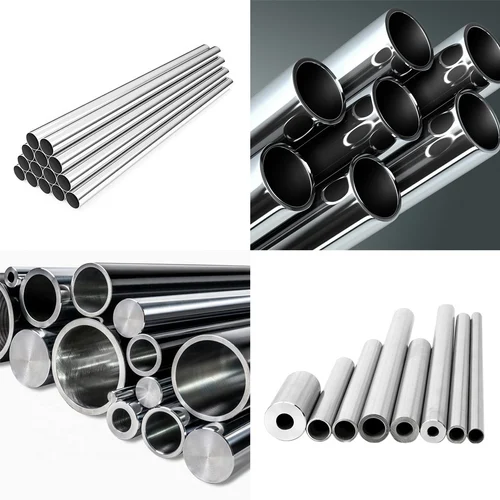
- Tube material: Stainless steel, Duplex, and Titanium resist scaling and fouling
- Surface finish: Polished or bright-annealed surfaces reduce adhesion
- Removable tube bundles: Simplifies mechanical cleaning
- Flow velocity: High enough to minimize deposition
- CIP-compatible design: Especially for food, pharma, and HVAC
More on materials: DLSS Heat Exchanger Tubing Solutions
Frequently Asked Questions (FAQ)
Q1: Can I use acid to clean stainless steel tubes?
Yes, but only compatible acids like citric or phosphoric. Avoid high-concentration HCl or sulfuric acid on 304/316L.
Q2: What are the signs my heat exchanger needs cleaning?
Reduced heat transfer, increased pressure drop, abnormal energy consumption, or inspection showing deposits.
Q3: What tube materials are easiest to clean?
316L, Duplex, and Titanium offer superior resistance to both fouling and chemical attack.
Q4: Can I clean U-bend tubes with mechanical brushes?
Yes, but flexible or rotary brush systems are needed due to the curved geometry.
Contact Us
DLSS supports global clients with high-performance tubing designed for durability, cleanability, and chemical resistance. Whether you operate in clean service or heavy-fouling environments, we offer:
- Stainless steel, Duplex, and Titanium tubes
- Custom surface finishes (polished, bright-annealed)
- Material testing and documentation for aggressive media
- Fast lead times and global logistics
Email: info@dlsspipe.com
Website: www.dlsspipeline.com
Let DLSS help you build efficient, low-maintenance heat exchanger systems.