Finned Tube Material Selection Guide for Different Industrial Applications

DLSS - Finned Tube Knowledge Hub - Finned Tube Material Selection Guide for Different Industrial Applications

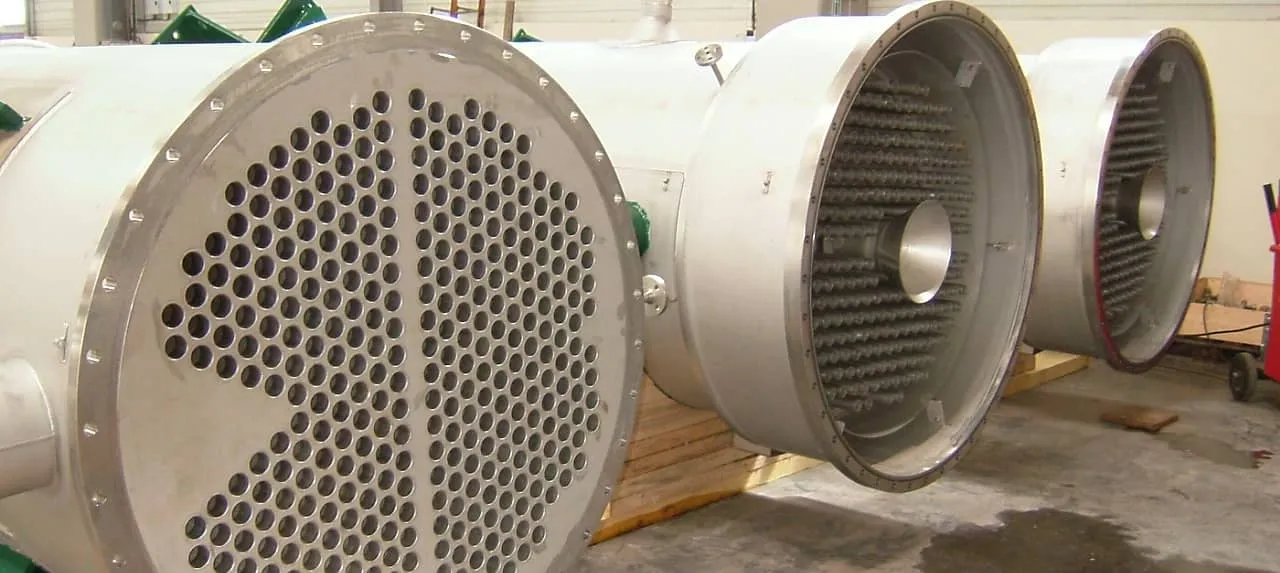
Selecting the right finned tube material is critical to achieving optimal performance, durability, and cost-effectiveness in heat exchanger systems. Different industries face different environmental and operational challenges, so your material choice should align with your application’s specific needs.

If you are new to finned tube technology, start with Different Types of Finned Tubes and Their Applications. For corrosion-critical environments, see Extruded Finned Tubes: Corrosion Resistance and Marine Applications.


Common Finned Tube Materials

1. Stainless Steel

  • High corrosion resistance
  • Suitable for high-temperature and high-pressure applications
  • Ideal for chemical plants, power generation, and marine environments

2. Carbon Steel

  • Cost-effective for non-corrosive environments
  • Commonly used in oil refineries and process heating systems

3. Copper

  • Excellent thermal conductivity
  • Best for refrigeration, HVAC, and desalination systems

4. Aluminum

  • Lightweight with good corrosion resistance
  • Popular in air-cooled heat exchangers and automotive applications

5. Titanium

  • Exceptional corrosion resistance in seawater and aggressive chemicals
  • Perfect for desalination and offshore oil & gas platforms

Matching Material to Application

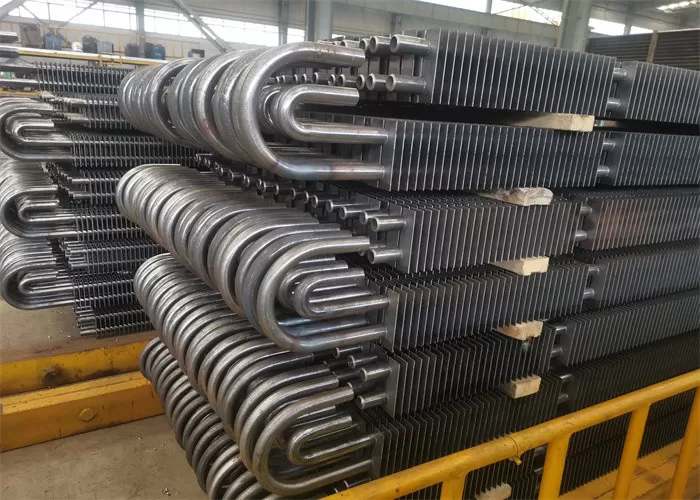
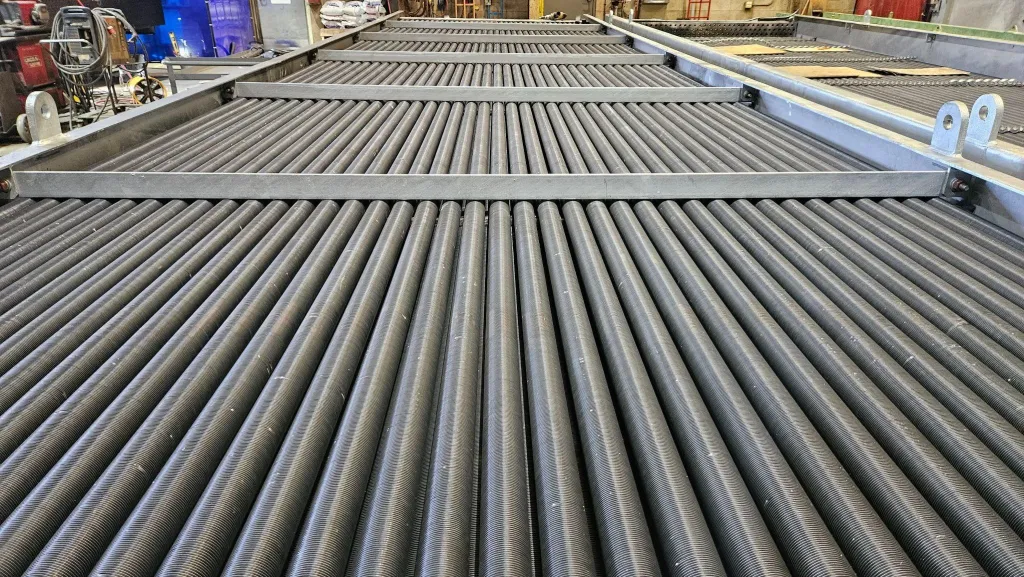
  • Marine and Offshore – Choose titanium or Extruded Finned Tubes for maximum corrosion resistance.
  • HVAC and Refrigeration – Consider copper or Low-Fin Tubes for high thermal efficiency in compact systems.
  • High-Temperature Processing – Stainless steel or alloy steel for long-term durability.

Balancing Cost and Performance

Material selection is a balance between initial cost and lifecycle value. While titanium may have a higher upfront cost, its long service life in corrosive environments can make it the most economical choice over time.


Conclusion

The right finned tube material ensures not only efficient heat transfer but also reduced maintenance and longer service life.
DLSS provides custom finned tube solutions in stainless steel, carbon steel, copper, aluminum, and titanium, designed for your specific operating conditions.

Contact our engineers at www.dlsspipeline.com or email info@dlsspipe.com for material selection advice and tailored quotations.

Wonderful! Share This Case:

Austenitic Stainless Steel

Duplex Stainless Steel

Nickel Alloys

▪ Incoloy Family

▪ Inconel Family

▪ Monel Family

▪ Hastelloy Family

▪ Other Special Alloys

Cobalt Alloys

Related Posts

Spiral Finned Tube vs Extruded Finned Tube: Which is Better for Your Project?

Spiral Finned Tube vs Extruded

When selecting spiral finned tube vs extruded finned tube for a heat exchanger, engineers must weigh performance, durability, and operating costs. Both fin types enhance heat transfer, but their differences can significantly affect long-term efficiency. If you’re new to finned tubes, start with What is a Finned Tube and How It Improves Heat Exchanger Efficiency. […]

Read More
Top 5 Causes of Heat Exchanger Tube Failures — and How to Prevent Them

Top 5 Causes of Heat

Meta Description:Learn the five most common causes of heat exchanger tube failure, including corrosion, fouling, and thermal fatigue. Find out how to prevent costly shutdowns through material selection and design. Introduction Heat exchanger tubes are critical components in industries ranging from petrochemical and power generation to pharmaceutical and food processing. Yet, even with high-quality stainless […]

Read More
Heat Exchanger Troubleshooting Guide: Common Problems and How to Solve Them

Heat Exchanger Troubleshooting Guide: Common

1. Introduction – Heat Exchanger Troubleshooting A heat exchanger is a critical component in many industrial systems, and any performance issue can lead to reduced efficiency, higher operating costs, or even production downtime. This heat exchanger troubleshooting guide covers the most common problems, their likely causes, and practical solutions to get your system back on […]

Read More
Why NACE MR0175 & ISO 15156 Matter When Sourcing Tubes for Sour Service

Why NACE MR0175 & ISO

Meta Description:Learn why compliance with NACE MR0175 / ISO 15156 is essential when selecting stainless steel or alloy tubes for sour gas environments. Understand testing, materials selection, and DLSS compliance offerings. Introduction In oil and gas applications—especially those involving sour service environments with hydrogen sulfide (H₂S)—selecting the wrong material can lead to catastrophic failure. To […]

Read More
fraudulent steel suppliers in China

Beware of Fraudulent Companies Among

In recent months, several cases have surfaced regarding fraudulent activities among certain steel and metal material suppliers in China. One particular case highlights the risks faced by overseas buyers when dealing with unreliable companies. Case Study: Brazilian Importer Defrauded In April and May 2025, a Brazilian company reported that it had purchased approximately 125 tonnes […]

Read More
steel demand Global Market Outlook for Stainless Steel Seamless Pipes (2025–2030)

Global Market Outlook for Stainless

Meta Description:Explore global market trends, key drivers, and regional opportunities shaping the future of stainless steel seamless pipe demand between 2025 and 2030. Introduction The stainless steel seamless pipe industry is entering a new growth phase driven by infrastructure investments, energy transition, and decarbonization.From oil & gas to clean energy, seamless pipes play a vital […]

Read More

How to Ensure NACE MR0175

Meta Description:Discover how to meet NACE MR0175/ISO 15156 compliance when sourcing stainless steel seamless tubes for sour service. Learn about materials, testing, certifications, and supplier selection. Introduction Sour gas environments—containing hydrogen sulfide (H₂S)—pose one of the greatest challenges for stainless steel tubes in the oil and gas industry. The presence of H₂S increases the risk […]

Read More
Material Selection for Seawater-Cooled Heat Exchangers: What Engineers Must Consider

Heat Exchanger Tube Demand to

The global heat exchanger market is heating up—literally and economically. With rising demand for energy efficiency, industrial process optimization, and sustainable thermal management, stainless steel heat exchanger tubes are becoming a critical infrastructure material across multiple industries. Recent industry research forecasts a compound annual growth rate (CAGR) of 9.5% through 2032 for the heat exchanger […]

Read More

Request A Quote

*We respect your confidentiality and all information are protected.