Plate Heat Exchanger vs Shell and Tube Heat Exchanger: Which to Choose?

DLSS - Heat Exchanger Knowledge Hub - Plate Heat Exchanger vs Shell and Tube Heat Exchanger: Which to Choose?

1. Introduction – Plate vs Shell and Tube Heat Exchanger

When selecting a heat exchanger for your application, one of the most common decisions is between a plate heat exchanger (PHE) and a shell and tube heat exchanger (STHE). Both designs have unique advantages and limitations.

This guide compares the two to help you choose the right solution based on efficiency, maintenance, cost, and application suitability.

For related insights, see Shell and Tube Heat Exchanger Design Considerations, 5 Proven Ways to Improve Heat Exchanger Efficiency, and Heat Exchanger Maintenance Checklist.


2. Design Differences

Plate Heat Exchanger (PHE)

  • Consists of multiple thin plates with corrugated surfaces to increase turbulence and heat transfer area.
  • Compact design, ideal for space-constrained installations.

Shell and Tube Heat Exchanger (STHE)

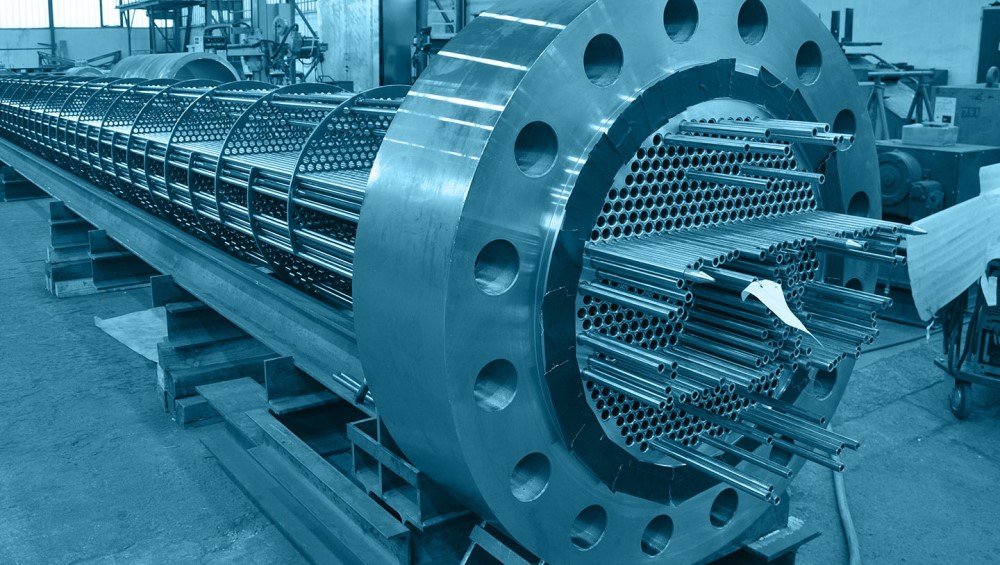
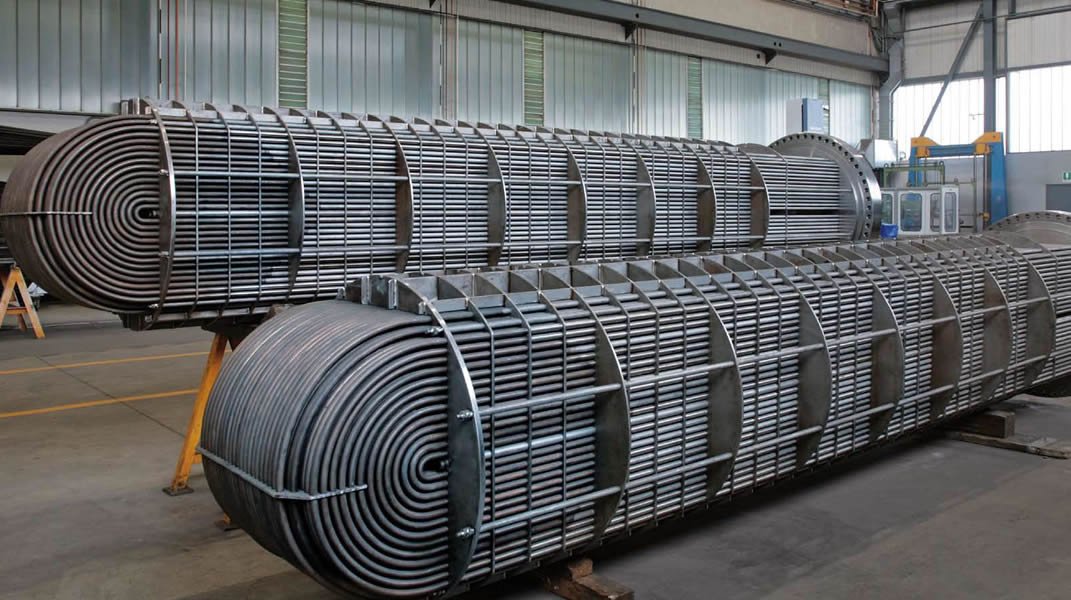
  • Comprises a cylindrical shell containing a bundle of tubes.
  • Handles higher pressures and temperatures, suitable for heavy-duty industrial applications.

3. Efficiency Comparison

  • PHE: Higher heat transfer efficiency due to increased surface area and turbulence.
  • STHE: Lower efficiency per unit volume but better for handling large temperature differences and phase changes.
    See 5 Proven Ways to Improve Heat Exchanger Efficiency for optimization tips.

4. Maintenance and Cleaning


5. Cost Considerations

  • PHE: Lower initial cost for small to medium duty applications.
  • STHE: Higher initial cost but potentially lower lifecycle cost in aggressive or high-pressure services due to longer durability.

6. Application Suitability

  • PHE: Food & beverage, HVAC, low-viscosity fluids.
  • STHE: Oil & gas, chemical processing, marine cooling, steam condensing.

7. Real-World Example

A chemical plant replaced a plate heat exchanger with a duplex stainless steel shell and tube design to handle seawater cooling. The change reduced maintenance frequency by 50% and improved system uptime, offsetting the higher initial cost within two years.


8. Conclusion

Choosing between a plate heat exchanger and a shell and tube heat exchanger depends on your process requirements, space constraints, budget, and maintenance capabilities.

For marine and aggressive environments, material selection is critical—see Best Material for Seawater Heat Exchanger for guidance. For fouling prevention, read 7 Effective Ways to Prevent Fouling in Heat Exchangers.


Contact DLSS
At DLSS, we manufacture high-quality stainless steel tubes for heat exchanger applications, ensuring optimal heat transfer, corrosion resistance, and long service life.
Email: info@dlsspipe.com
Website: www.dlsspipeline.com

Related Reading

Wonderful! Share This Case:

Austenitic Stainless Steel

Duplex Stainless Steel

Nickel Alloys

▪ Incoloy Family

▪ Inconel Family

▪ Monel Family

▪ Hastelloy Family

▪ Other Special Alloys

Cobalt Alloys

Related Posts

Seamless vs. Welded Pipes: Which Is Right for Your Industrial Pipeline?

Seamless vs. Welded Pipes: Which

Meta Description:Compare seamless and welded pipes in terms of cost, pressure capacity, corrosion resistance, and industrial use. Learn how to choose the right pipe for your project. Introduction In pipeline engineering, one of the most common questions from project engineers and procurement teams is:“Should we use seamless pipes or welded pipes?” Each option has distinct […]

Read More

Common Condenser Coil Problems &

1. Why Your Condenser Coil Matters for AC Performance The condenser coil is the component in your outdoor air conditioning unit that releases indoor heat to the environment. When clogged or damaged, your AC system can’t cool effectively, leading to high energy bills, system strain, and premature breakdown. 2. Top 5 Common Condenser Coil Problems 3. Warning Signs […]

Read More
Stainless Steel Tubing for Food & Beverage Applications – Sanitary Requirements Explained

Stainless Steel Tubing for Food

Meta Description:Discover the sanitary tubing requirements for food and beverage processing. Learn how stainless steel tubes ensure hygiene, corrosion resistance, and compliance with global standards. Introduction In the food and beverage industry, maintaining product purity, hygiene, and corrosion resistance is non-negotiable. Stainless steel tubing plays a critical role in transporting liquids and gases—from dairy to […]

Read More
Nickel Alloy Steel Seamless Pipes and Tubes: Industrial Advantages and Applications

Alloy Steel Heat Exchanger Tubes

Introduction In high-temperature environments such as boilers, power plants, and petrochemical heat exchangers, alloy steel tubes are indispensable. One common choice is ASTM A199 T11, a Cr-Mo alloy steel that provides excellent creep resistance, mechanical strength, and durability. Recently, a customer requirement for T11 cold drawn tubes offers a valuable example of how this material […]

Read More

3.2 Certificate, TPI inspection and

Product Information ASME SA179 Seamless U-tubes ∅19.05 × 2.11min × L12210.9~13617.8mm, Total: 1,352 pcs Project Background The end user is a large energy and chemical company. Due to severe quality issues with previously sourced ASME SA179 tubes from India—leading to equipment shutdown and project suspension—the customer urgently needed to procure new tubes for heat exchanger […]

Read More
Heat Exchanger Tube Selection Guide for Petrochemical Plants

Heat Exchanger Tube Selection Guide

Meta Description:Learn how to select the right stainless steel heat exchanger tubes for petrochemical applications. Understand key material properties, standards, and how DLSS supports global projects. Introduction In petrochemical plants across South America, from Argentina’s refinery hubs to Brazil’s chemical corridors, heat exchangers are critical to plant efficiency, energy recovery, and process stability. But not […]

Read More
Hygienic Stainless Steel Seamless Tubes for Food and Pharmaceutical Industries in South America

Hygienic Stainless Steel Seamless Tubes

Meta Description:Need stainless steel tubes for sanitary use in food or pharmaceutical facilities across South America? Discover the best grades, surface finishes, and certifications for compliant, clean systems. Introduction In South America, the food & beverage and pharmaceutical industries are growing rapidly in countries like Chile, Peru, Colombia, and Argentina. Whether it’s a dairy processing […]

Read More
Refinery Tube Selection Guide for South American Projects

Refinery Tube Selection Guide for

Meta Description:Need the right tubes for refinery heaters, boilers, or exchangers in Latin America? This guide explains how to choose the best stainless and alloy grades for performance and corrosion resistance. Introduction Refinery operations across South America—whether in Argentina’s Mendoza, Brazil’s São Paulo, or Chile’s Bío-Bío region—require tubing that can handle high temperature, pressure, and […]

Read More

Request A Quote

*We respect your confidentiality and all information are protected.