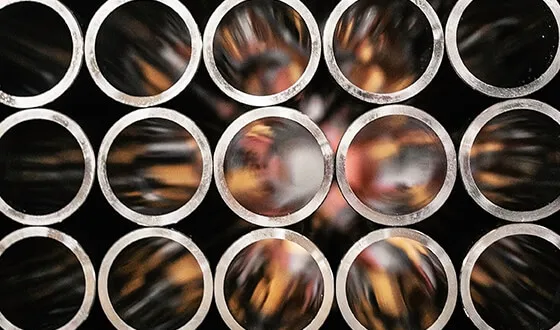
How Precision Stainless Steel Tubes Improve Industrial Efficiency and System Stability

DLSS - Pipe&Tube - How Precision Stainless Steel Tubes Improve Industrial Efficiency and System Stability

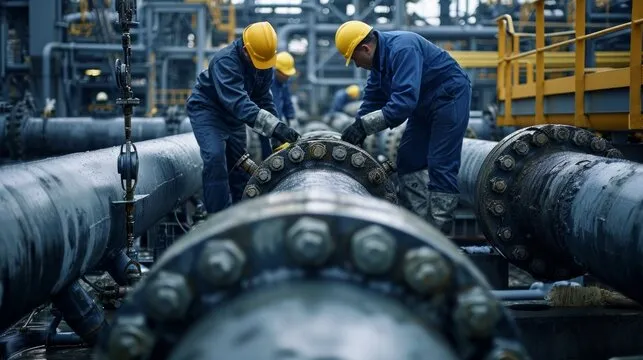
In high-demand industrial environments, precision stainless steel tubing is more than just a conduit—it plays a critical role in enhancing the overall efficiency and stability of a system. This article delves into how precision stainless steel tubes contribute to improving industrial system performance.
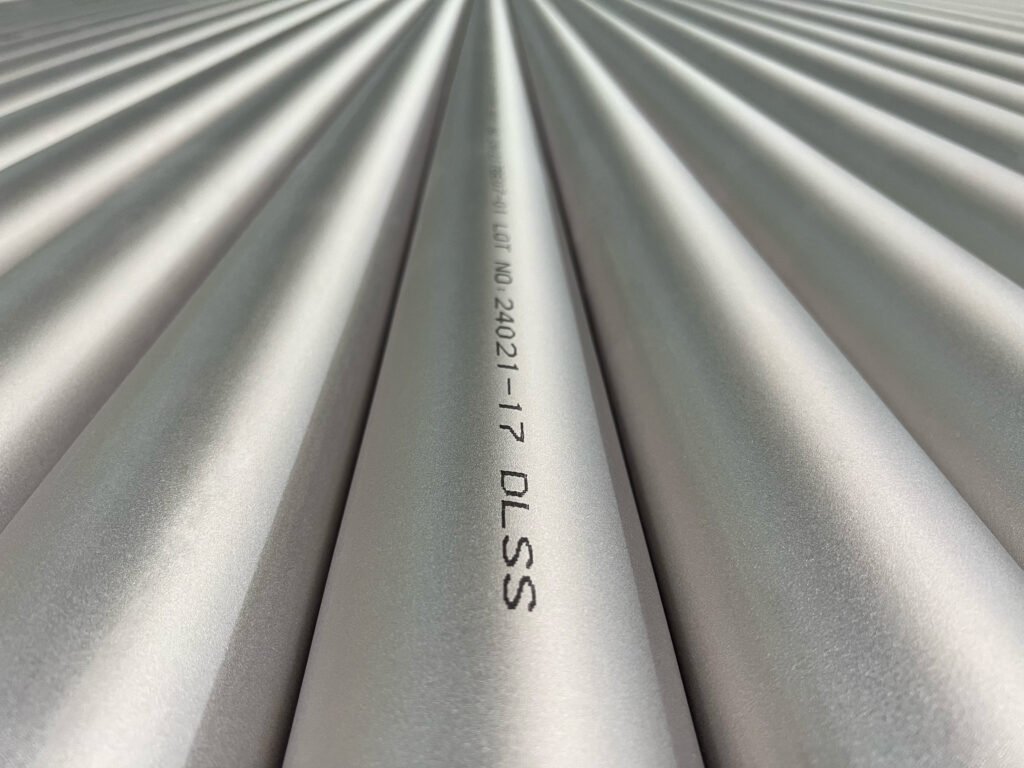
The Importance of Precision Tubing

1、Enhanced Heat Transfer Efficiency

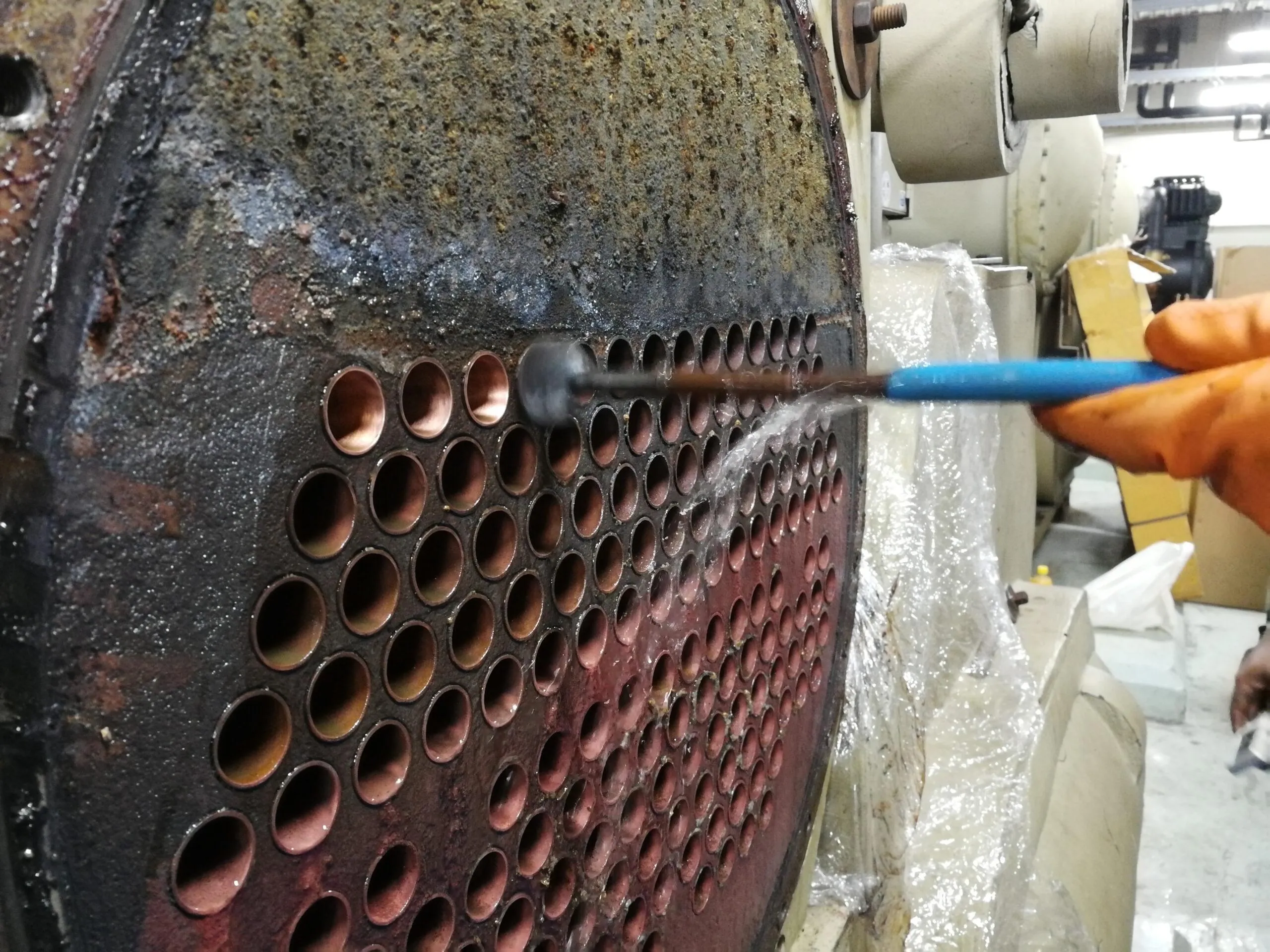
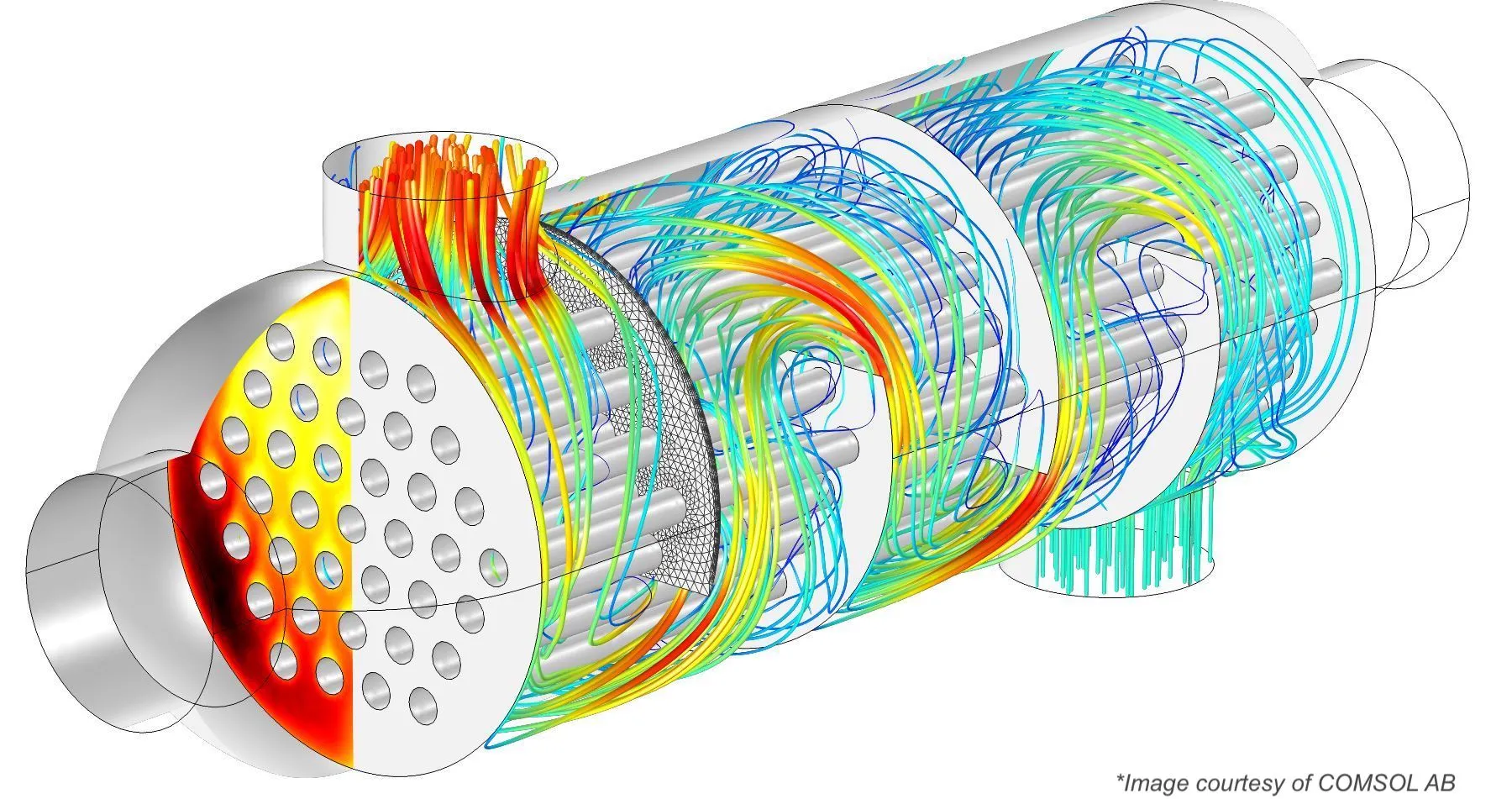
The smoothness of a stainless steel tube’s inner wall directly affects fluid flow resistance and heat exchange performance. Precision tubes are manufactured with high accuracy and flawless inner surfaces, reducing fluid friction loss and improving heat transfer efficiency. This is especially vital in heat exchangers, where a smooth inner wall maximizes energy transfer.
2、Minimized Leakage and Pressure Fluctuations

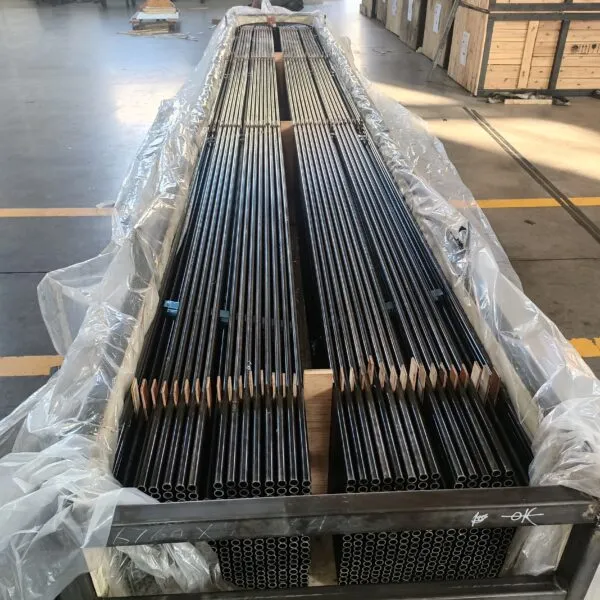
In high-pressure systems, the accuracy of pipe fittings is essential. Precision tubing ensures tight connections, reducing the risk of leaks caused by dimensional discrepancies. These tubes can also withstand greater pressure fluctuations and are less prone to deformation, ensuring system safety.
3、Reduced Maintenance and Downtime

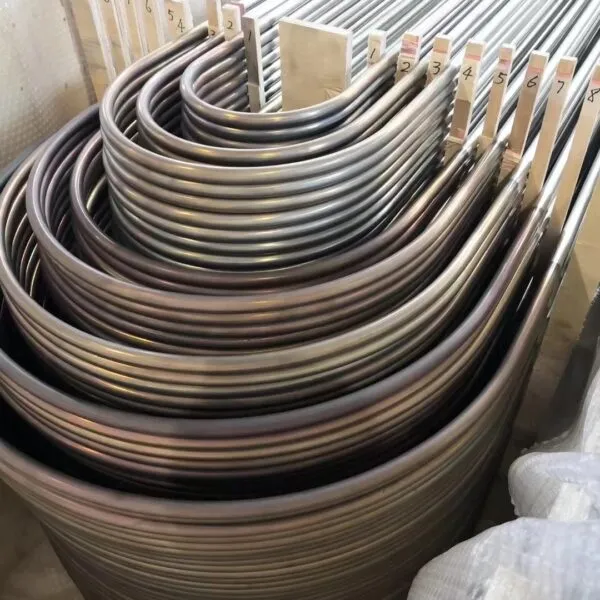
Thanks to their durability, precision stainless steel tubes are less likely to fail under extreme conditions, resulting in longer service life. This reduces system downtime and maintenance costs. Accurate manufacturing processes ensure the tubes remain fatigue- and corrosion-resistant over prolonged use.
Application Case Studies

1、Seawater Desalination

In desalination processes, tubes must withstand both high salinity and elevated temperatures. Precision stainless steel tubes effectively resist chloride ions and other corrosive elements in seawater, ensuring long-term, efficient operation of heat exchanger systems.

2、Chemical Plants

During chemical reactions, tubes in heat exchangers are often exposed to strong acids or bases. Precision stainless steel tubing provides superior corrosion resistance, thereby enhancing system stability and reaction efficiency.
Conclusion

Precision stainless steel tubes play a key role in boosting heat transfer efficiency, minimizing leaks, and enhancing system stability. They also reduce long-term maintenance costs, making them an indispensable component in modern industrial systems.

Wonderful! Share This Case:

Austenitic Stainless Steel

Duplex Stainless Steel

Nickel Alloys

▪ Incoloy Family

▪ Inconel Family

▪ Monel Family

▪ Hastelloy Family

▪ Other Special Alloys

Cobalt Alloys

Related Posts

What Is a Double Pipe Heat Exchanger? Design, Benefits, and Industrial Applications

What Is a Double Pipe

A Double Pipe Heat Exchanger, also known as a double tube heat exchanger, is one of the simplest yet most effective types of heat exchangers for small to medium heat transfer needs. It consists of two concentric pipes—one inside the other—allowing two fluids to exchange heat without mixing. This blog will explore the design, working […]

Read More
Energy-Saving Tips for Industrial Heat Exchangers

Energy-Saving Tips for Industrial Heat

1. Introduction – Energy Savings in Heat Exchangers Industrial facilities often spend a significant portion of their energy budget on heating and cooling processes. Optimizing heat exchanger performance not only lowers energy consumption but also extends equipment life and reduces maintenance costs. This guide shares proven strategies to maximize energy efficiency in shell and tube […]

Read More
Stainless steel seamless bright tube

5 Key Factors to Choose

Introduction Choosing the right stainless steel heat exchanger tube is critical to ensuring long-term performance, safety, and efficiency—especially in industries like petrochemical, power generation, and marine engineering. At DLSS, we’ve supported projects in over 35 countries and understand what matters most when it comes to tube selection. In this article, we’ll share 5 key factors every engineer, […]

Read More
Rare Alloy Tubes: 5 Uncommon but Powerful Metals Used in High-Performance Piping

Rare Alloy Tubes: 5 Uncommon

Meta Description:Explore rare and exotic alloy tubes like Incoloy 825, 254 SMO, Monel 400, and more. These metals offer unmatched corrosion and temperature resistance for specialized industries. Introduction While 304 and 316 stainless steels dominate industrial applications, many extreme environments require specialty or rare metal alloys for superior corrosion resistance, strength, or temperature tolerance. This […]

Read More

How Precision Stainless Steel Tubes

In high-demand industrial environments, precision stainless steel tubing is more than just a conduit—it plays a critical role in enhancing the overall efficiency and stability of a system. This article delves into how precision stainless steel tubes contribute to improving industrial system performance. The Importance of Precision Tubing 1、Enhanced Heat Transfer Efficiency The smoothness of a stainless […]

Read More
Stainless Steel Tubing for Food & Beverage Applications – Sanitary Requirements Explained

Stainless Steel Tubing for Food

Meta Description:Discover the sanitary tubing requirements for food and beverage processing. Learn how stainless steel tubes ensure hygiene, corrosion resistance, and compliance with global standards. Introduction In the food and beverage industry, maintaining product purity, hygiene, and corrosion resistance is non-negotiable. Stainless steel tubing plays a critical role in transporting liquids and gases—from dairy to […]

Read More
Shell and Tube Heat Exchanger Design Considerations for Optimal Performance

Shell and Tube Heat Exchanger

1. Introduction – Shell and Tube Heat Exchanger Design A shell and tube heat exchanger is one of the most widely used heat exchanger types in industrial applications due to its versatility, durability, and ability to handle high pressures and temperatures. When planning a new installation or upgrading existing equipment, it is essential to consider […]

Read More
Cost vs Performance: Are Titanium Pipes Worth It in Power Plant Condensers?

Cost vs Performance: Are Titanium

1. Introduction Power plants around the world rely on efficient condenser systems to maximize energy output and minimize downtime. Material choice for condenser tubes directly impacts operating costs and plant reliability. While stainless steel and copper alloys have traditionally been used, titanium pipes (Grade 2, ASTM B338) are increasingly recognized as the most cost-effective solution […]

Read More

Request A Quote

*We respect your confidentiality and all information are protected.