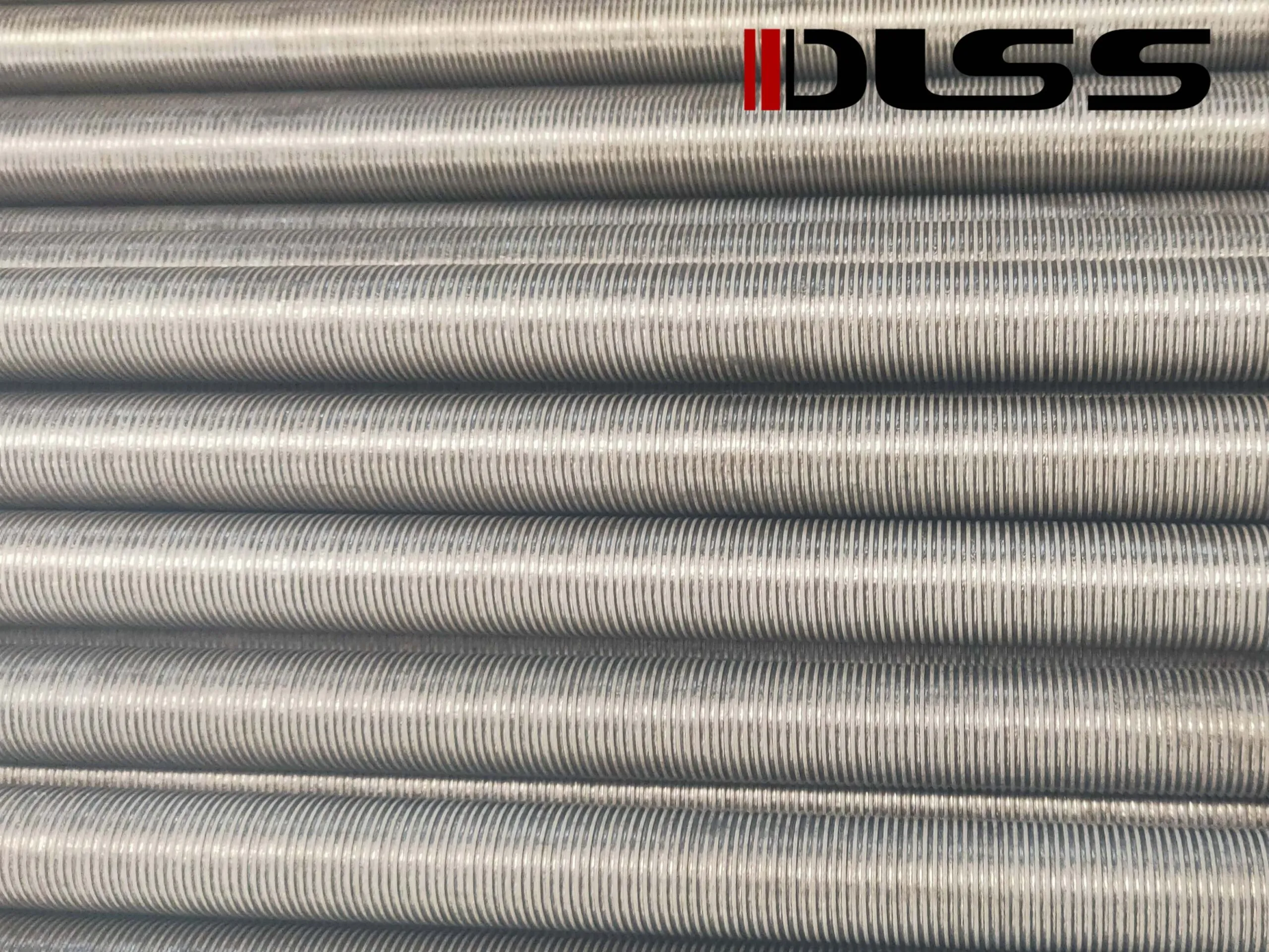
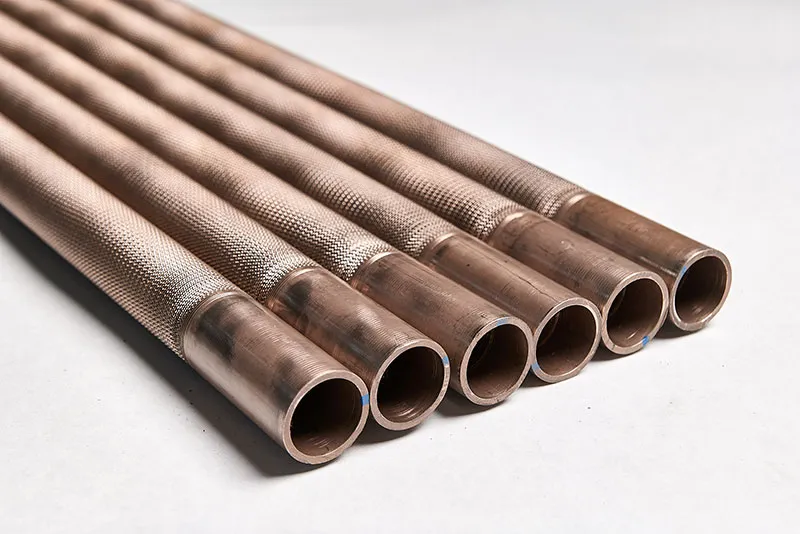
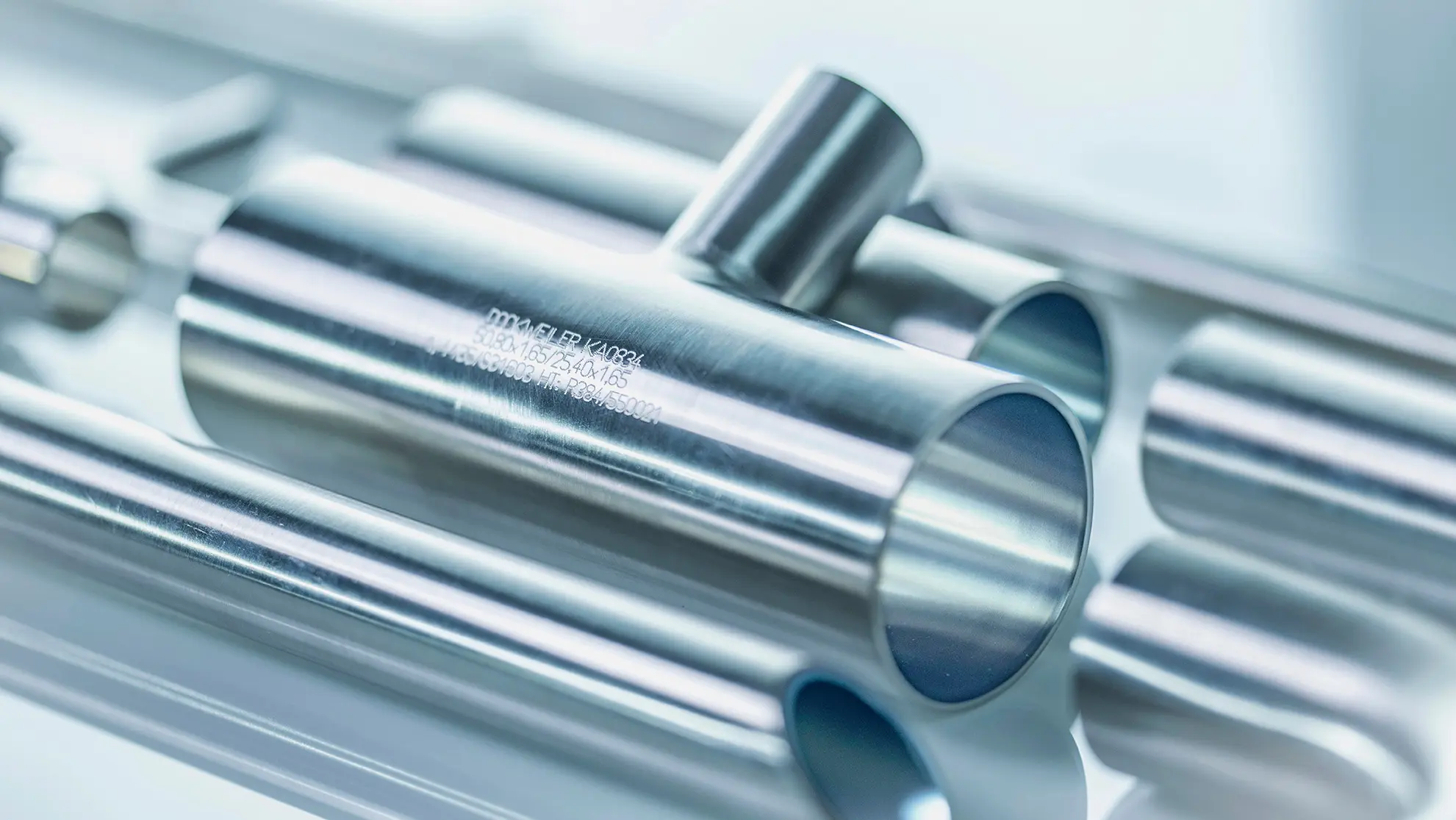
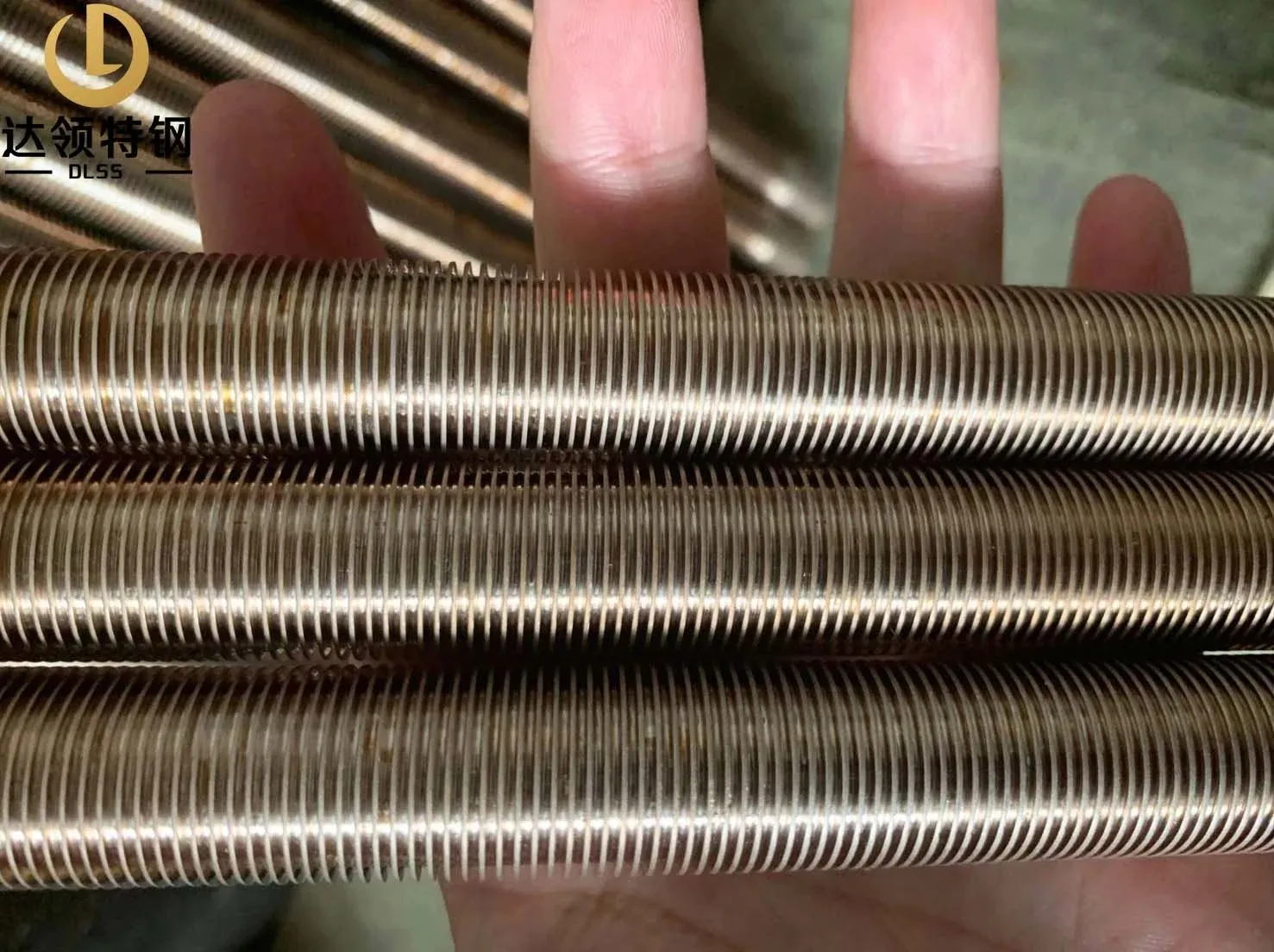
Titanium GR2 Condenser Tubes for Seawater Desalination Plants

DLSS - Pipe&Tube - Titanium GR2 Condenser Tubes for Seawater Desalination Plants

1. Introduction

Seawater desalination projects are expanding rapidly across the Middle East, North Africa, and Asia, with a market size of over 25 billion USD. One of the most critical components in desalination plants is the condenser and heat exchanger tubing, where Titanium Grade 2 (GR2) tubes are the preferred material. With unmatched corrosion resistance in chloride-rich environments, Titanium GR2 condenser tubes ensure long service life and reliability in desalination facilities.


2. Properties of Titanium Grade 2

  • Standard Reference: ASTM B338 / ASTM B861
  • Material Characteristics:
    • High corrosion resistance against seawater and brine.
    • Excellent formability and weldability.
    • High strength-to-weight ratio with low density (lightweight yet durable).
  • Corrosion Resistance:
    • Resistant to pitting, crevice corrosion, and stress corrosion cracking.
    • Superior performance compared to stainless steel and copper alloys in seawater systems.

Learn more on Titanium – Wikipedia.


3. Why Titanium GR2 is Used in Desalination Plants

Desalination plants operate under harsh conditions with constant exposure to seawater and high chloride content.
Key reasons for choosing Titanium GR2 tubes:

  • Long service life (20–30 years) with minimal maintenance.
  • Resistance to biofouling and scaling.
  • Reduced downtime and lower total lifecycle cost compared with stainless steel.
  • Proven performance in thousands of desalination units worldwide.

4. Applications in Desalination Systems

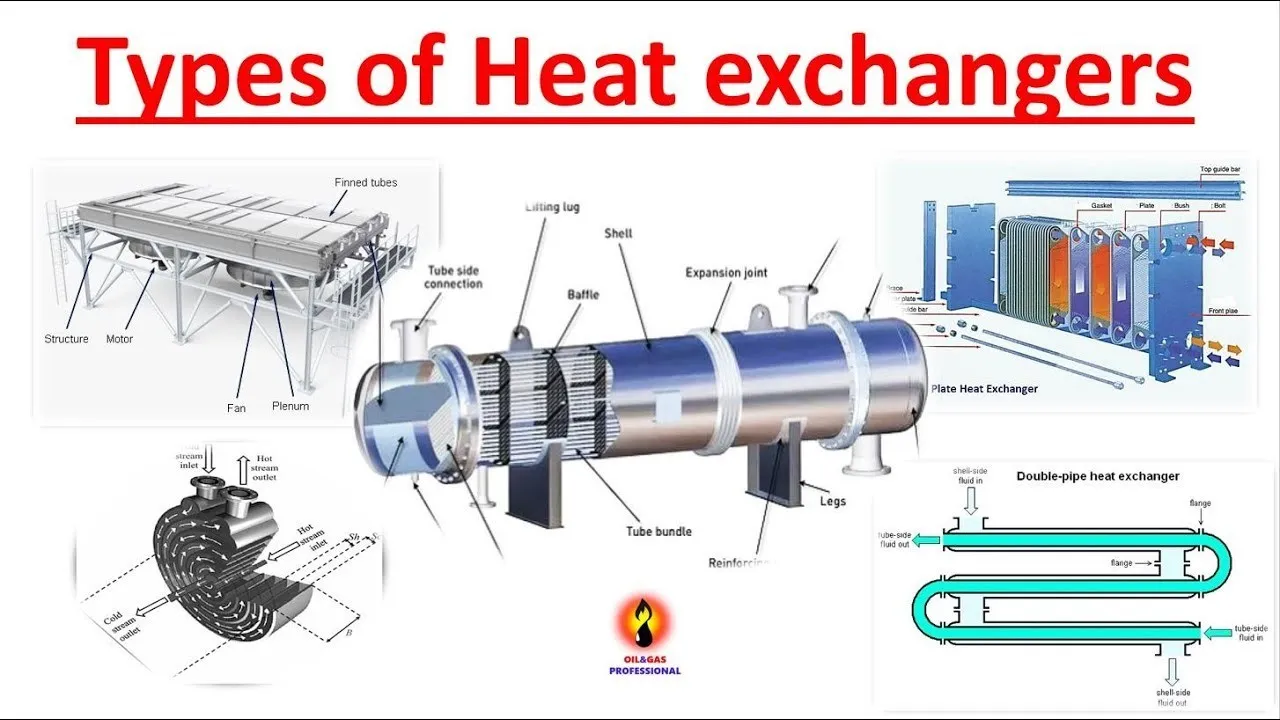
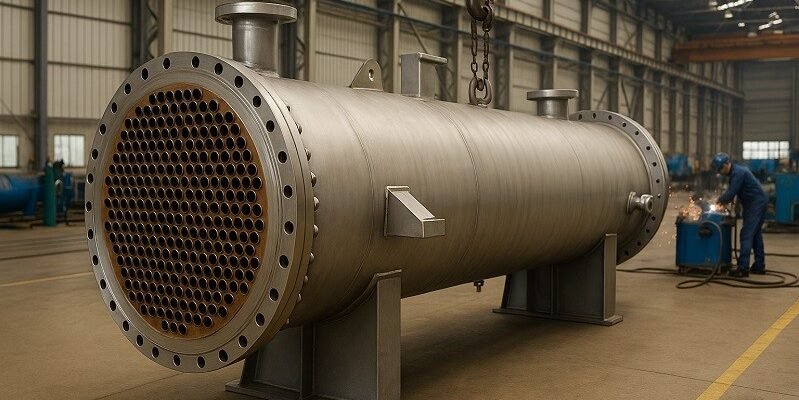
  • Condenser tubes in multi-stage flash (MSF) distillation units.
  • Heat exchanger tubes in multi-effect distillation (MED) plants.
  • Seawater cooling systems for reverse osmosis (RO) plants.
  • Brine heaters in high-temperature evaporation systems.

Reference: ASTM B338 Titanium Tubes Standard.


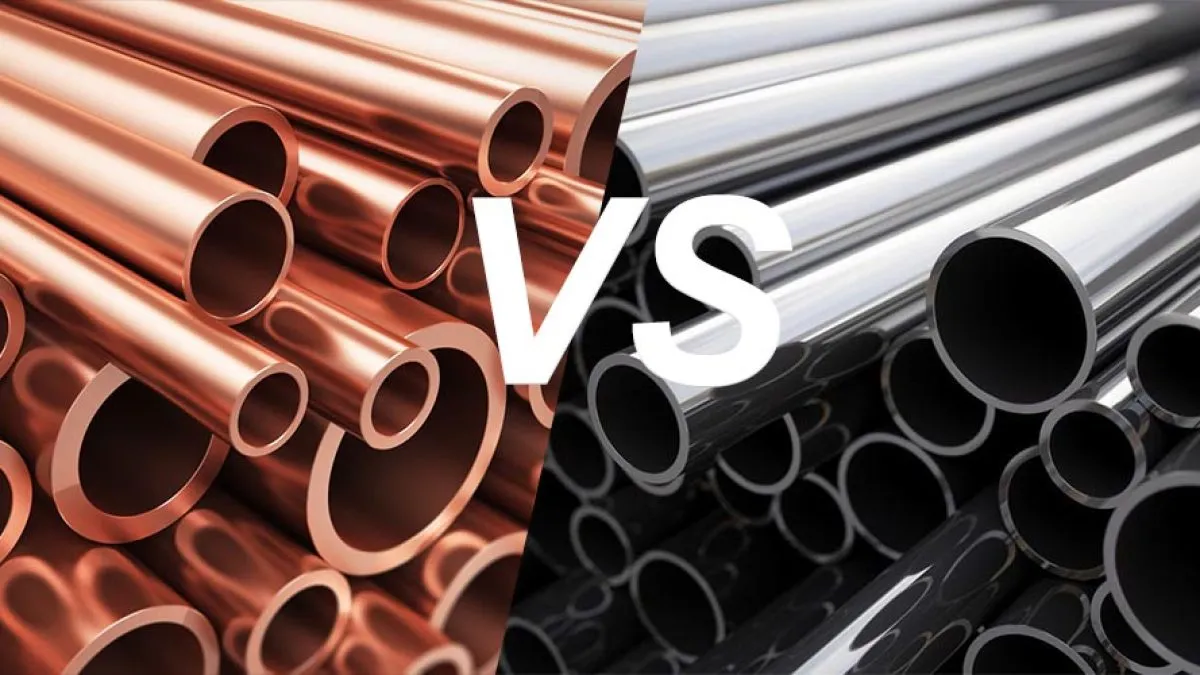
5. Titanium GR2 vs Other Materials

Property / FeatureTitanium GR2Stainless Steel (316L)Copper-Nickel (CuNi 90/10)
Corrosion Resistance in SeawaterExcellentModerate (risk of pitting)Good
Service Life20–30 years5–10 years10–15 years
Weight (Density)Very LightMediumHeavy
CostHigher upfrontLower upfrontModerate
Lifecycle CostLowestHigher (frequent replacement)Medium

6. DLSS Titanium Tube Supply Advantages

At DLSS, we provide Titanium GR2 condenser tubes that meet international standards for desalination projects:

  • Compliance with ASTM B338 / B861 and PED certification.
  • Third-party inspection (TÜV, DNV, LR, ABS) available.
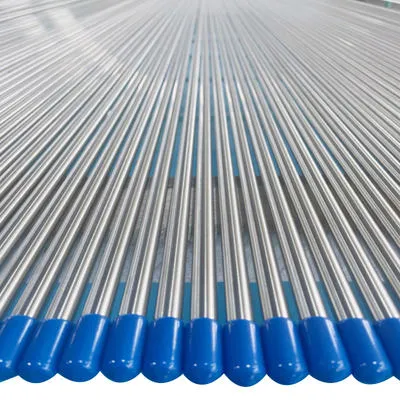
  • Supply in straight lengths, U-bent tubes, and custom dimensions.
  • Seaworthy export packaging: wooden crates, capped ends, anti-corrosion coating.
  • Proven experience supplying tubes for power plants, desalination projects, and heat exchanger manufacturers.

7. Conclusion & Call to Action

With the global demand for desalination growing, Titanium GR2 condenser tubes have become the industry standard for reliability, durability, and long-term cost savings. For EPC contractors, equipment manufacturers, and end-users, Titanium GR2 ensures that critical seawater systems run smoothly and without unexpected failures.

Contact DLSS today for technical support and quotations.
info@dlsspipe.com | www.dlsspipeline.com

Wonderful! Share This Case:

Austenitic Stainless Steel

Duplex Stainless Steel

Nickel Alloys

▪ Incoloy Family

▪ Inconel Family

▪ Monel Family

▪ Hastelloy Family

▪ Other Special Alloys

Cobalt Alloys

Related Posts

Electropolished vs Mechanically Polished Tubes: What’s Best for Hygienic Applications?

Electropolished vs Mechanically Polished Tubes:

Meta Description:Discover the key differences between electropolished (EP) and mechanically polished (MP) stainless steel tubes. Learn which surface finish is better for food, beverage, and pharmaceutical use in Latin America. Introduction In sanitary applications, cleanability is critical. Whether you’re building a milk pasteurizer in Brazil or a pharmaceutical system in Colombia, the inner surface of […]

Read More
U-Bend Stainless Steel Tubes: Design, Manufacturing and Application in Heat Exchangers

U-Bend Stainless Steel Tubes: Design,

Meta Description:Learn how U-bend stainless steel tubes are designed, fabricated, and applied in heat exchangers. Understand the standards, tolerances, heat treatment, and testing required for high-performance U-tube bundles. Introduction U-bend stainless steel tubes are a core component in shell-and-tube heat exchangers, used in power plants, refineries, LNG terminals, and petrochemical plants. Their precise bending, dimensional […]

Read More
Pickling vs Bright Annealing: Which Surface Treatment Is Best for Stainless Steel Tubes?

Pickling vs Bright Annealing: Which

Meta Description:Pickled or bright annealed? Learn the pros, cons, and applications of these two surface treatment methods used in stainless steel tube manufacturing. Introduction The performance of stainless steel tubes isn’t just about alloy grade or dimensional accuracy—surface finish plays a crucial role in corrosion resistance, cleanliness, and long-term durability. Two widely used surface treatments […]

Read More
Brinell Rockwell Vickers Shore hardness stainless steel tubes

Definitions and Representation Methods for

Introduction Hardness is one of the most important mechanical properties for evaluating metallic materials. It reflects a material’s resistance to deformation, wear, and penetration, which is critical for stainless steel seamless tubes used in boilers, heat exchangers, and petrochemical equipment. The most widely used hardness testing methods are Brinell (HB), Rockwell (HR), Vickers (HV), and […]

Read More
offshore-oil-gas-corrosion-resistant-heat-exchanger-tubes

Corrosion-Resistant Heat Exchanger Solutions for

Offshore oil and gas platforms operate in some of the harshest environments on earth—intense humidity, salt spray, hydrogen sulfide, and high-pressure processes. These conditions make corrosion the #1 threat to heat exchanger systems and piping reliability. To reduce failures and maintenance costs, operators are turning to advanced stainless steel and duplex alloy tubes as the […]

Read More
Understanding Duplex and Super Duplex Stainless Steel Tubes – Grades, Benefits, Applications

Understanding Duplex and Super Duplex

Meta Description:Explore the differences between duplex and super duplex stainless steel tubes. Learn about their chemical composition, corrosion resistance, mechanical strength, and best-use applications in harsh environments. Introduction When stainless steel isn’t enough for aggressive environments—duplex and super duplex stainless steels step in. These high-performance materials combine the advantages of both austenitic and ferritic structures, […]

Read More
How to Select the Right Stainless Steel Tube for Corrosive Environments – A Practical Guide

How to Select the Right

Meta Description:Learn how to choose the best stainless steel tube for corrosive environments. Explore material selection, corrosion types, industry standards, and real-world applications. Introduction Corrosive environments are among the most demanding settings for stainless steel tubing. Choosing the wrong grade can lead to pitting, cracking, or total system failure—costing both time and money. This practical […]

Read More
How to Interpret a Stainless Steel Mill Test Certificate (MTC)

How to Interpret a Stainless

Meta Description:Learn how to read and understand a stainless steel Mill Test Certificate (MTC). This guide explains MTC format, content, EN 10204 types, and what to verify before accepting a shipment. Introduction A Mill Test Certificate (MTC), also known as a Material Test Report (MTR), is a quality assurance document provided by the manufacturer. It […]

Read More

Request A Quote

*We respect your confidentiality and all information are protected.