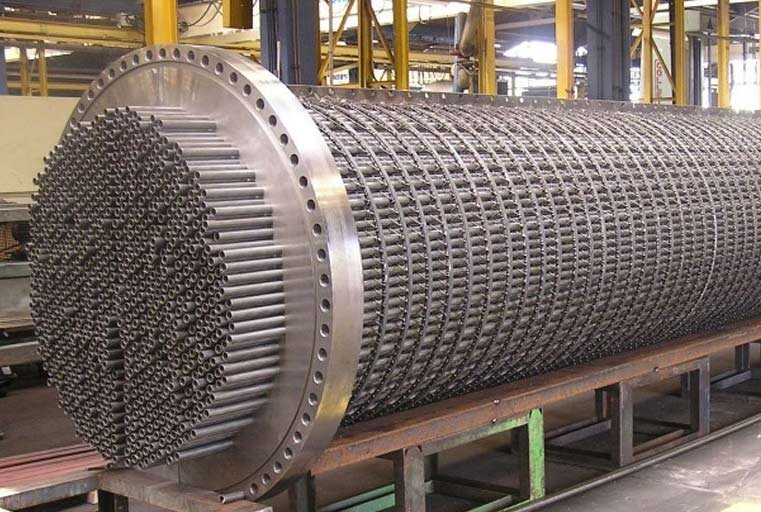
When buying stainless steel tubes, one common question is:
Should I choose seamless tubes or welded tubes?
The answer depends on your project.
Seamless tubes and welded tubes are both useful. But they are made in different ways. They also have different strengths, costs, lead times, and best-use areas.
This guide explains the key differences between seamless and welded stainless steel tubes. It will help buyers, engineers, and project teams choose the right tube for their application.
What Are Seamless Stainless Steel Tubes?
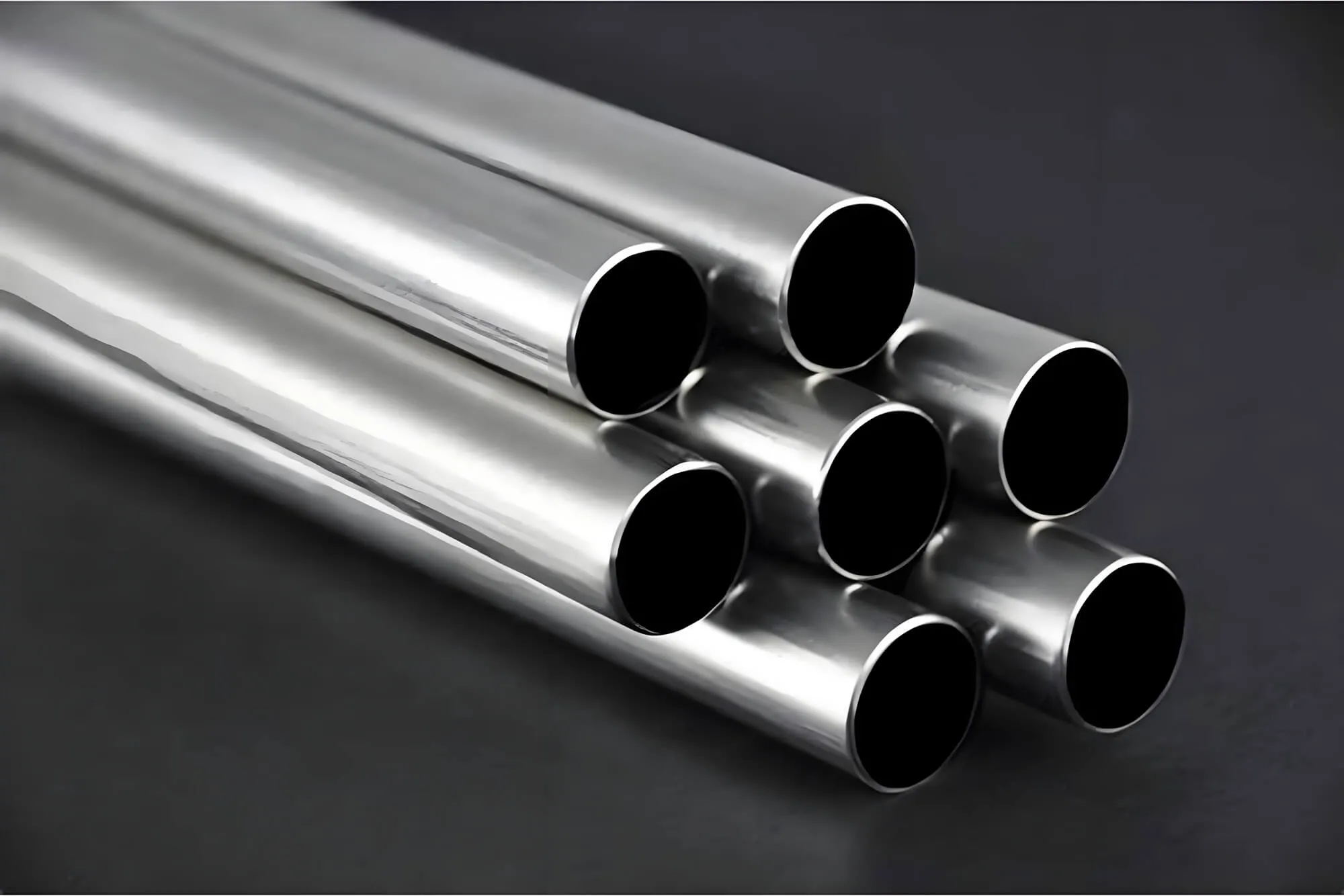
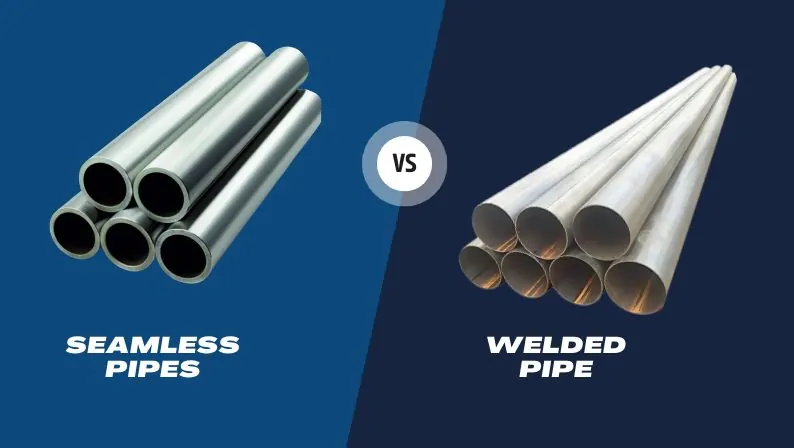
Seamless stainless steel tubes are made without a weld seam.
They are usually made from a solid billet. The billet is heated, pierced, and formed into a hollow tube. Then the tube may be cold drawn or cold rolled to reach the required size and wall thickness.
Because there is no weld seam, seamless tubes are often used in more critical service.
Common uses include:
- Heat exchangers
- Boilers
- Condensers
- High-pressure systems
- High-temperature systems
- Oil and gas projects
- Petrochemical plants
- Power plants
Seamless tubes are often selected when pressure, safety, and reliability are important.
Advantages of Seamless Tubes
Seamless stainless steel tubes have several advantages.
- No longitudinal weld seam
- Good pressure resistance
- Good strength
- Lower seam-related corrosion risk
- Suitable for high temperature
- Suitable for critical industrial service
- Often accepted by EPC and end-user specifications
For heat exchangers, boilers, and pressure systems, seamless tubes are often the safer choice.
Disadvantages of Seamless Tubes
Seamless tubes also have some limits.
- Higher cost
- Longer production time
- More limited size range for some OD
- Minimum order quantity may be higher
- Surface finish options may depend on production route
If the project is not critical or high-pressure, welded tubes may be more cost-effective.
What Are Welded Stainless Steel Tubes?
Welded stainless steel tubes are made from stainless steel strip or coil.
The strip is formed into a round tube shape. Then the seam is welded along the length of the tube.
After welding, the tube may be heat treated, polished, pickled, bright annealed, or tested according to the project requirement.
Welded tubes are widely used in many industries.
Common uses include:
- Low-pressure fluid lines
- Food and beverage systems
- Sanitary piping
- Utility lines
- Decorative tubes
- Structural tubes
- Clean industrial systems
- HVAC lines
Welded tubes are often selected when cost, surface finish, and fast delivery are important.
Advantages of Welded Tubes
Welded stainless steel tubes have several advantages.
- Lower cost
- Faster lead time
- Wide size availability
- Good OD and wall thickness control
- Easy to polish
- Good for decorative and sanitary use
- Suitable for many low-pressure systems
For clean, low-pressure, or cost-sensitive projects, welded tubes can be a good choice.
Disadvantages of Welded Tubes
Welded tubes also have some risks.
- They have a longitudinal weld seam
- The weld area needs proper treatment
- The seam may be a weak point in severe service
- Some EPC or end-user specifications do not accept welded tubes
- Not always suitable for high pressure or high temperature
If welded tubes are used in important systems, buyers should confirm the welding quality, heat treatment, testing, and standard.
Seamless vs Welded Tubes: Quick Comparison
| Item | Seamless Stainless Steel Tube | Welded Stainless Steel Tube |
|---|---|---|
| Manufacturing | Made without a weld seam | Made from strip or coil and welded |
| Weld Seam | No weld seam | Has a longitudinal weld seam |
| Pressure Resistance | Better for high pressure | Better for low to medium pressure |
| Corrosion Risk | Lower seam-related risk | Weld area needs proper treatment |
| Cost | Higher | Lower |
| Lead Time | Usually longer | Usually faster |
| Size Range | More limited for some sizes | Wider size availability |
| Surface Finish | Pickled, BA, polished, EP if required | BA, polished, mirror, satin |
| Common Standards | ASTM A213, EN 10216-5 | ASTM A269, ASTM A249, ASTM A554 |
| Common Use | Heat exchangers, boilers, pressure service | Sanitary, utility, decorative, low-pressure lines |
This table is a general guide.
The final choice should follow the project standard, design pressure, medium, and end-user requirement.
When to Choose Seamless Tubes
Choose seamless stainless steel tubes when the project has higher risk.
Seamless tubes are usually better for:
- High pressure
- High temperature
- Heat exchangers
- Boilers
- Condensers
- Petrochemical plants
- Oil and gas projects
- Power plants
- Critical process systems
- EPC projects that require no weld seam
If the drawing or specification says “seamless,” do not replace it with welded tubes without approval.
When to Choose Welded Tubes
Choose welded stainless steel tubes when the system is less critical.
Welded tubes may be suitable for:
- Low-pressure fluid lines
- Food and beverage systems
- Sanitary systems
- Decorative use
- Structural use
- Clean industrial piping
- HVAC systems
- Cost-sensitive projects
- Projects that need fast delivery
Welded tubes can perform well when they are made, welded, treated, and inspected correctly.
How to Choose for Your Project
Before choosing seamless or welded tubes, buyers should check the real service condition.
| Project Condition | Better Choice |
| High pressure | Seamless tube |
| High temperature | Seamless tube |
| Heat exchanger or boiler | Seamless tube |
| Critical oil and gas service | Seamless tube |
| EPC requires no weld seam | Seamless tube |
| Low-pressure clean line | Welded tube |
| Decorative or structural use | Welded tube |
| Cost-sensitive project | Welded tube |
| Fast delivery requirement | Welded tube |
| Large quantity standard size | Welded tube |
This is not a fixed rule for every project.
The best choice depends on pressure, temperature, medium, corrosion risk, standard, and inspection requirement.
Tube vs Pipe: Do Not Mix Them Up
Buyers should also understand the difference between tube and pipe.
Tubes are often used in heat exchangers, boilers, condensers, sanitary systems, and precision systems.
Pipes are often used for fluid transport and process piping.
Some standards are for tubes. Some standards are for pipes.
For example:
- ASTM A213 is for seamless boiler, superheater, and heat-exchanger tubes.
- ASTM A269 is for seamless and welded stainless steel tubing for general service.
- ASTM A312 is for seamless and welded stainless steel pipe.
This is why buyers should not only say “stainless steel pipe” or “stainless steel tube.”
The project standard must be clear.
Common Standards for Seamless and Welded Tubes
| Standard | Common Use |
| ASTM A213 | Seamless boiler, superheater, and heat-exchanger tubes |
| ASTM A269 | Seamless and welded stainless steel tubing for general service |
| ASTM A249 | Welded austenitic steel boiler, superheater, heat-exchanger, and condenser tubes |
| ASTM A554 | Welded stainless steel mechanical tubing |
| EN 10216-5 | Seamless stainless steel tubes for pressure purposes |
| EN 10217-7 | Welded stainless steel tubes for pressure purposes |
| ASTM A312 | Stainless steel seamless and welded pipe, not general tubing |
| EN 10204 3.1 / 3.2 | Material certificate and inspection document |
The correct standard should follow the drawing, purchase order, and project specification.
Seamless Tubes for Heat Exchangers
Heat exchanger tubes often work with pressure, temperature, corrosion, and vibration.
This is why seamless tubes are often selected for heat exchangers.
Common materials include:
- TP304L
- TP316L
- TP321
- TP347H
- 904L
- Duplex 2205
- Super Duplex 2507
- Alloy 825
- Alloy 625
Common tests may include:
- Eddy Current Test
- Hydrostatic Test
- Ultrasonic Test
- PMI Test
- Dimensional Inspection
- Surface Inspection
- MTC Review
For critical heat exchanger projects, the buyer should also confirm minimum wall thickness, tube length, surface condition, and packing.
Welded Tubes for Clean and Sanitary Systems
Welded stainless steel tubes are common in clean and sanitary systems.
They may be used in:
- Food lines
- Beverage lines
- CIP systems
- Clean water lines
- Low-pressure process lines
- Decorative systems
Surface finish is often important for welded tubes.
Common surface options include:
- Bright annealed
- Pickled
- Polished
- Mirror polished
- Satin finish
- Electropolished, if required
For clean systems, buyers can also compare bright annealed tubes and other surface finishes before choosing the final tube type.
Inspection Requirements Before Shipment
Inspection helps reduce quality risk. A clear DLSS quality control process helps buyers check material grade, size, surface, testing, and documents before shipment.
For both seamless and welded tubes, buyers may request:
| Inspection Item | Purpose |
| PMI Test | Confirms material grade |
| MTC Review | Checks chemical and mechanical properties |
| Hydrostatic Test | Checks pressure resistance |
| Eddy Current Test | Finds surface and near-surface defects |
| Ultrasonic Test | Finds internal defects |
| Dimensional Inspection | Checks OD, WT, length, and tolerance |
| Surface Inspection | Checks scratches, dents, and surface quality |
| Visual Inspection | Checks ends, marking, and appearance |
| Third-Party Inspection | Gives independent inspection before shipment |
For welded tubes, buyers may also check weld seam quality and weld bead treatment.
For seamless tubes, buyers may focus more on pressure tests, NDE, and wall thickness control.
Buyer Checklist Before Ordering
Before sending an inquiry, prepare clear information.
Tube Inquiry Checklist
- Seamless or welded requirement
- Material grade
- Standard
- OD
- Wall thickness
- Length
- Quantity
- Surface finish
- Heat treatment condition
- Tube end condition
- Working medium
- Working pressure
- Working temperature
- Corrosion risk
- Minimum wall thickness, if required
- Inspection requirements
- MTC requirement
- EN 10204 3.1 or 3.2 requirement
- Third-party inspection requirement
- Packing requirement
- Required delivery time
- Destination port or country
A clear inquiry helps the supplier quote faster.
It also reduces the risk of wrong material selection.
How DLSS Supports Your Tube Selection
DLSS can help buyers compare seamless and welded stainless steel tubes based on the real project condition.
We can review:
- Pressure
- Temperature
- Medium
- Corrosion risk
- Size
- Standard
- Surface finish
- Inspection requirement
- Delivery time
- Budget
DLSS can supply:
- Seamless stainless steel tubes
- Welded stainless steel tubes
- Heat exchanger tubes
- Boiler tubes
- Condenser tubes
- BA tubes
- Pickled tubes
- Polished tubes
- EP tubes, if required
DLSS can also support:
- PMI
- Hydrostatic Test
- Eddy Current Test
- Ultrasonic Test
- Dimensional Inspection
- MTC
- EN 10204 3.1 / 3.2
- Third-party inspection by BV, SGS, TUV, LR, ABS, or other inspection companies
- Export packing
- Urgent replacement support
Common Mistakes to Avoid
Buyers should avoid these mistakes:
- Replacing seamless tubes with welded tubes without approval
- Choosing only by price
- Ignoring working pressure
- Ignoring temperature
- Ignoring corrosion risk
- Mixing tube and pipe standards
- Not checking the required test
- Not reviewing MTC before shipment
- Not confirming surface finish
- Not confirming packing method
Most problems can be reduced when the technical details are confirmed before order.
FAQ
Are seamless tubes stronger than welded tubes?
Seamless tubes are usually better for high pressure and critical service because they have no longitudinal weld seam. But the final choice should follow the project standard and working condition.
Are welded tubes bad quality?
No. Welded tubes are not bad quality. They are widely used in many industries. They are suitable for many low-pressure, sanitary, decorative, and clean industrial systems.
Which tube is better for heat exchangers?
Seamless tubes are often used for heat exchangers, especially in pressure or critical service. But some welded heat exchanger tubes may also be used when the standard and design allow it.
Which tube is cheaper?
Welded tubes are usually cheaper because production is faster and material use is more efficient.
Which tube has faster delivery?
Welded tubes usually have faster delivery for standard sizes. Seamless tubes may need longer production time, especially for special materials or sizes.
Can welded tubes be used for high pressure?
Sometimes, but it depends on the standard, design pressure, material, weld quality, and inspection. For critical high-pressure systems, seamless tubes are often preferred.
What documents should buyers request?
Buyers may request MTC, PMI report, hydrostatic test report, ET or UT report, dimensional inspection report, packing photos, and third-party inspection report if required.
Conclusion
Seamless and welded stainless steel tubes both have value.
Seamless tubes are often better for high pressure, high temperature, heat exchangers, boilers, oil and gas, and critical industrial systems.
Welded tubes are often better for lower-pressure systems, sanitary lines, decorative use, clean industrial lines, and cost-sensitive projects.
The right choice depends on the service condition.
Before ordering, buyers should confirm the material grade, standard, OD, wall thickness, pressure, temperature, medium, inspection, documents, and delivery time.
DLSS supplies both seamless and welded stainless steel tubes. We can help review your project requirement and suggest a suitable tube option before quotation.
If you are not sure which tube type fits your project, send us your material grade, size, standard, quantity, working condition, and inspection requirements. Our team will help review your inquiry.