Why Alloy C-276 Pipes are Essential for Acid Processing Industries

DLSS - Pipe&Tube - Why Alloy C-276 Pipes are Essential for Acid Processing Industries

1. Introduction

Industries handling aggressive chemicals such as sulfuric acid, hydrochloric acid, and phosphoric acid face constant challenges in piping material selection. Hastelloy C-276 (Alloy C-276) pipes are one of the most reliable choices for these corrosive environments. With outstanding resistance to strong oxidizers, reducing agents, and mixed chemical streams, Alloy C-276 tubes have become the industry standard for acid processing facilities worldwide.


2. Properties of Hastelloy C-276

  • Standard Reference: ASTM B622 / B619 / B626
  • Composition: Nickel (Ni) ~57%, Molybdenum (Mo) ~16%, Chromium (Cr) ~15%, with tungsten and iron.
  • Key Characteristics:
    • Excellent resistance to oxidizing and reducing acids.
    • Outstanding pitting and crevice corrosion resistance.
    • Superior resistance to stress corrosion cracking (SCC).
    • Maintains strength and ductility at high temperatures.

Reference: Hastelloy C-276 – Wikipedia.


3. Why Alloy C-276 is Ideal for Acid Processing

Acid production and processing involve extremely aggressive environments where stainless steel or even duplex grades may fail. Alloy C-276 solves these challenges by offering:

  • Long-term reliability in concentrated sulfuric, hydrochloric, and phosphoric acid environments.
  • Resistance to chlorine dioxide, wet chlorine gas, and ferric/ cupric chloride conditions.
  • High mechanical strength, enabling thinner walls and lighter piping systems.
  • Extended service life compared with 316L, 904L, or even Alloy 20 stainless steel.

4. Applications of Alloy C-276 Pipes in Acid Industries

  • Sulfuric acid plants – absorption towers, distribution piping, and heat exchangers.
  • Phosphoric acid plants – piping systems for wet-process streams.
  • Hydrochloric acid production – gas scrubbers, ducting, and chemical reactors.
  • Chlor-alkali plants – piping systems handling brine and chlorine dioxide.
  • Mixed acid environments – processes involving nitric and sulfuric acid mixtures.

5. Alloy C-276 vs Alternative Materials

Property / MaterialAlloy C-276Stainless Steel 316LDuplex Steel 2205Alloy 20
Corrosion Resistance (Strong Acids)ExcellentPoorModerateGood
Pitting / Crevice ResistanceOutstandingWeakModerateGood
SCC ResistanceExcellentWeakModerateGood
Service Life20+ years2–5 years5–8 years10–15 years
CostHighLowMediumMedium

6. DLSS Supply Capabilities

At DLSS, we manufacture and supply Alloy C-276 pipes and tubes with:

  • Compliance to ASTM B622 / B619 / B626 standards.
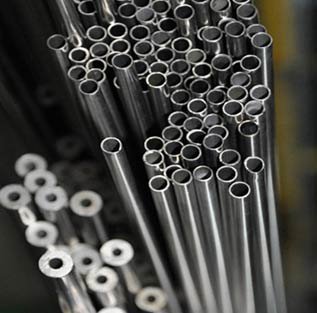
  • Product forms: seamless pipes, welded pipes, tubes, U-bend tubes.
  • Third-party inspection by TÜV, DNV, LR, ABS.
  • Traceable MTC (EN 10204 3.1/3.2).
  • Custom dimensions and urgent delivery for acid plant projects.
  • Export packaging: seaworthy wooden crates with capped ends and anti-corrosion treatment.

7. Conclusion & Call to Action

For industries where acid corrosion is a daily challenge, Hastelloy C-276 pipes provide unmatched performance and long-term reliability. By investing in Alloy C-276, acid processing plants reduce unplanned downtime, lower maintenance costs, and ensure safety and compliance.

Contact DLSS today for technical support, datasheets, and quotations.
info@dlsspipe.com | www.dlsspipeline.com

Wonderful! Share This Case:

Austenitic Stainless Steel

Duplex Stainless Steel

Nickel Alloys

▪ Incoloy Family

▪ Inconel Family

▪ Monel Family

▪ Hastelloy Family

▪ Other Special Alloys

Cobalt Alloys

Related Posts

Common Condenser Coil Problems and How to Prevent Them (Ultimate HVAC Maintenance Guide)

Common Condenser Coil Problems and

What Is a Condenser Coil in an Air Conditioner? The condenser coil is the heart of your outdoor HVAC system. It’s responsible for releasing the heat collected indoors by your refrigerant. When the coil fails—due to dirt, leaks, or damage—your air conditioner stops cooling, your energy bills rise, and long-term system damage becomes inevitable. Keyword Targets: condenser coil, HVAC system, air conditioner […]

Read More
Heat Exchanger Tube Selection Guide for Petrochemical Plants

Heat Exchanger Tube Selection Guide

Meta Description:Learn how to select the right stainless steel heat exchanger tubes for petrochemical applications. Understand key material properties, standards, and how DLSS supports global projects. Introduction In petrochemical plants across South America, from Argentina’s refinery hubs to Brazil’s chemical corridors, heat exchangers are critical to plant efficiency, energy recovery, and process stability. But not […]

Read More
Tuberías de Acero Inoxidable para Plantas de GNL en Perú y Colombia

Tuberías de Acero Inoxidable para

Meta descripción:Las plantas de GNL en Sudamérica exigen materiales con alta resistencia a presión, temperatura y corrosión. Descubra qué tuberías inoxidables son ideales para proyectos en Perú y Colombia. Introducción Perú y Colombia se están posicionando como centros estratégicos de exportación y distribución de GNL (Gas Natural Licuado).Con plantas como Melchorita LNG (Perú LNG) y […]

Read More
Global Market Trends for Titanium and Nickel Alloy Pipes (2025–2030)

Global Market Trends for Titanium

1. Introduction The demand for titanium and nickel alloy pipes is expected to grow steadily between 2025 and 2030, driven by the expansion of desalination projects, LNG infrastructure, refinery upgrades, and power plant modernization. With CAGR estimates ranging from 5–7% across both product categories, these high-performance alloys are increasingly chosen for projects requiring superior corrosion […]

Read More

How to Ensure NACE MR0175

Meta Description:Discover how to meet NACE MR0175/ISO 15156 compliance when sourcing stainless steel seamless tubes for sour service. Learn about materials, testing, certifications, and supplier selection. Introduction Sour gas environments—containing hydrogen sulfide (H₂S)—pose one of the greatest challenges for stainless steel tubes in the oil and gas industry. The presence of H₂S increases the risk […]

Read More
Common Heat Exchanger Tube Failures and How to Prevent Them

Common Heat Exchanger Tube Failures

Meta Description:Heat exchanger tubes can fail due to corrosion, vibration, fouling, and material fatigue. Learn about the most common failure modes and how to prevent them in industrial systems. Introduction Heat exchanger tube failures can lead to: Understanding the most frequent failure mechanisms is key to designing, selecting, and maintaining reliable heat exchanger systems. In […]

Read More
Choosing the Right Pipe Materials for the Oil & Gas Industry

Choosing the Right Pipe Materials

Meta Description:The oil & gas industry demands corrosion-resistant, high-pressure-rated piping solutions. Learn how to select the best pipe materials for upstream, midstream, and downstream applications. Introduction In the oil and gas sector, pipelines are more than just infrastructure—they are lifelines of the operation. From offshore rigs and sour gas fields to refineries and LNG terminals, […]

Read More
Choosing Between 304L, 316L, and 317L Stainless Steel Tubes – What’s Right for Your Application?

Choosing Between 304L, 316L, and

Meta Description:Compare 304L, 316L, and 317L stainless steel seamless tubes. Understand chemical composition, corrosion resistance, mechanical properties, and ideal applications with DLSS’s expert insights. Introduction When selecting stainless steel tubes for industrial use, choosing the right grade can significantly affect corrosion resistance, mechanical performance, and cost efficiency. Among the most widely used austenitic stainless steels […]

Read More

Request A Quote

*We respect your confidentiality and all information are protected.