Exploring Different Types of Pipe-Based Heat Exchangers: Double Tube, Stove Pipe, Exhaust Pipe, and Heat Pipe Designs

DLSS - Tubes For Heat Exchanger - Exploring Different Types of Pipe-Based Heat Exchangers: Double Tube, Stove Pipe, Exhaust Pipe, and Heat Pipe Designs

In various industrial and domestic applications, heat exchangers are essential for optimizing thermal efficiency, reducing energy waste, and lowering operational costs. Among the many designs, pipe-based heat exchangers play a crucial role due to their structural simplicity and high effectiveness.

This blog explores four common types: the Double Tube Heat Exchanger, Stove Pipe Heat Exchanger, Exhaust Pipe Heat Exchanger, and Heat Pipe Heat Exchanger—highlighting their working principles, applications, and material requirements.


1. Double Tube Heat Exchanger: Reliable and Modular

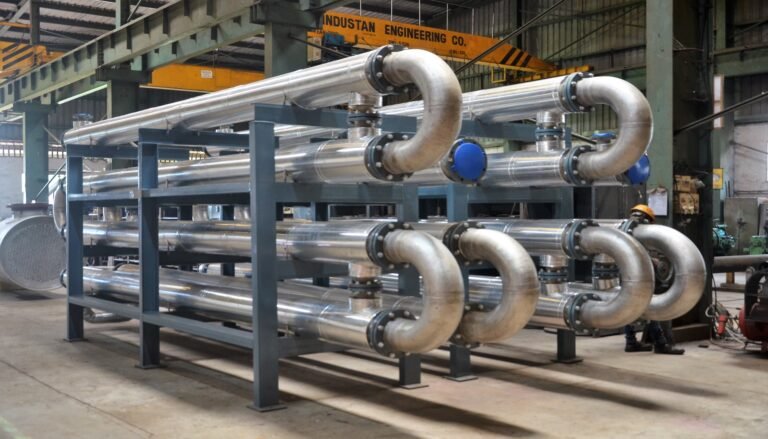
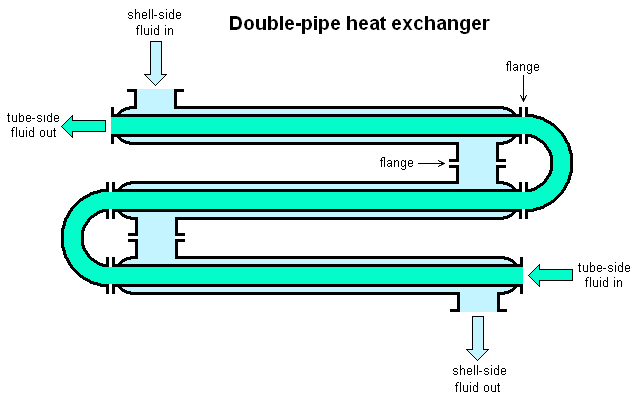
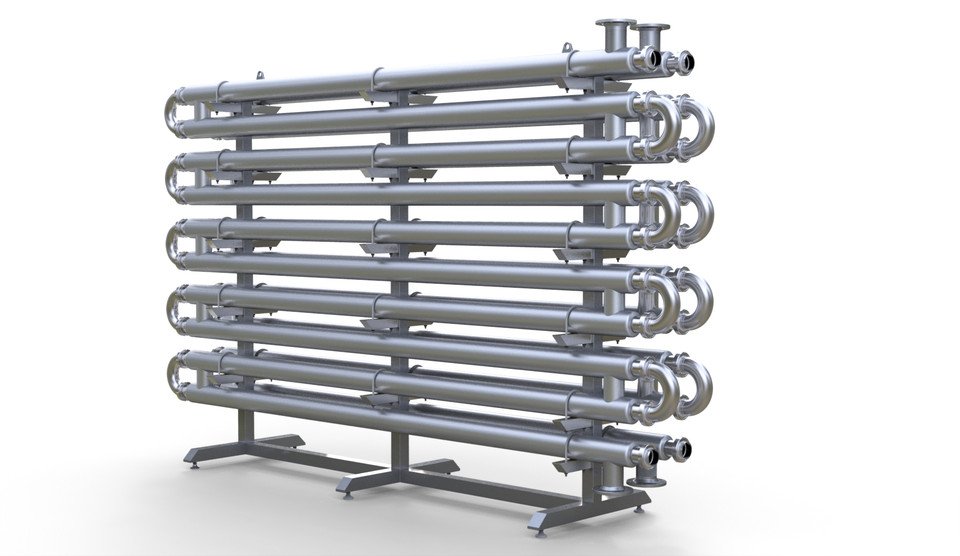
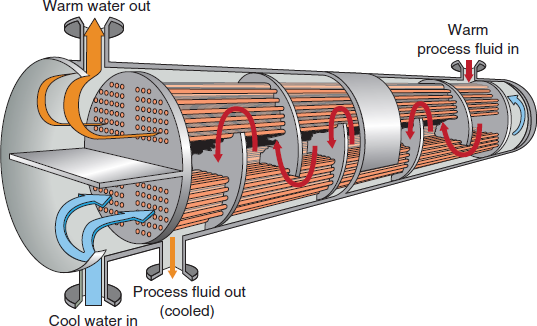
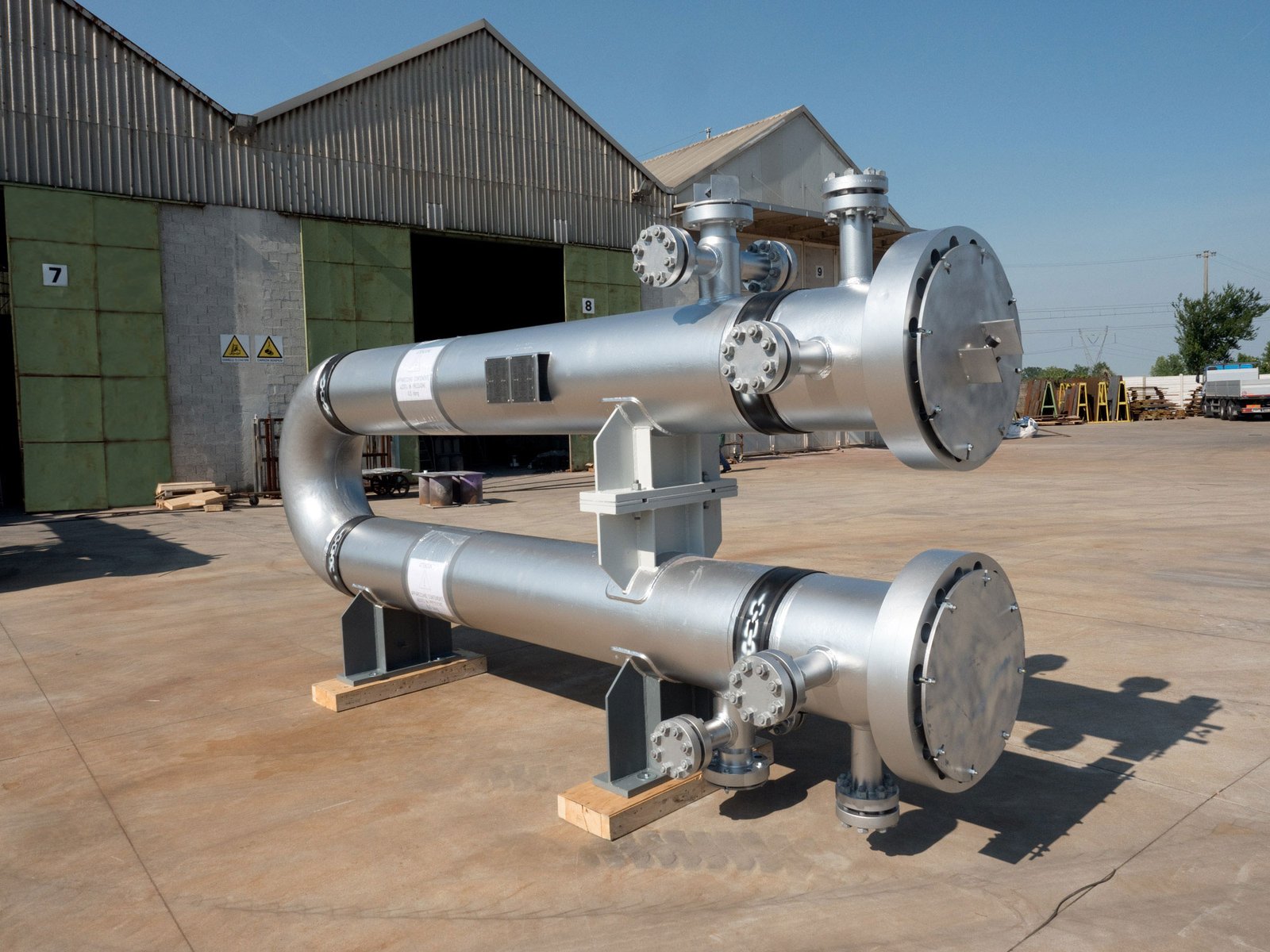
The double tube heat exchanger, also known as the double pipe heat exchanger, is a simple and cost-effective design where two concentric pipes allow heat transfer between fluids. One fluid flows through the inner pipe while the other moves in the annular space between the pipes.

Advantages:

  • Ideal for high-temperature differences
  • Easy to clean and maintain
  • Suitable for modular extension
Exploring Different Types of Pipe-Based Heat Exchangers: Double Tube, Stove Pipe, Exhaust Pipe, and Heat Pipe Designs

Applications:

  • Oil and gas
  • Chemical processing
  • Cooling lubricants or heating fluids in small batch operations

Learn more about DLSS stainless steel tubing for double tube heat exchanger applications


2. Stove Pipe Heat Exchanger: Maximizing Residential Heating Efficiency

A stove pipe heat exchanger is commonly used in wood stoves or pellet stoves to reclaim waste heat from the stove’s exhaust gases. These systems circulate room air around hot exhaust pipes to improve heating efficiency without consuming extra fuel.

Benefits:

  • Enhances energy utilization in homes
  • Reduces heating costs
  • Simple and affordable installation
Exploring Different Types of Pipe-Based Heat Exchangers: Double Tube, Stove Pipe, Exhaust Pipe, and Heat Pipe Designs

Materials:

  • Heat-resistant stainless steel pipes (e.g., 304 or 409)
  • Galvanized steel with heat coating

3. Exhaust Pipe Heat Exchanger: Waste Heat Recovery in Industry

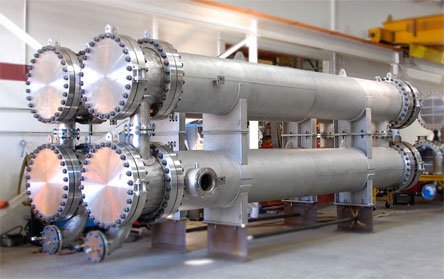
In power plants, engine systems, or incinerators, exhaust pipe heat exchangers recover heat from high-temperature flue gases. This reclaimed energy is then used to preheat combustion air or water, significantly improving system efficiency.

Key Applications:

  • Diesel generators
  • Combined heat and power (CHP) systems
  • Industrial furnaces
  • Marine engines
Exploring Different Types of Pipe-Based Heat Exchangers: Double Tube, Stove Pipe, Exhaust Pipe, and Heat Pipe Designs

Design Considerations:

  • Corrosion resistance
  • High thermal conductivity
  • Vibration resistance

DLSS provides seamless stainless steel pipes ideal for exhaust heat exchanger systems.


4. Heat Pipe Heat Exchanger: Passive, High-Efficiency Cooling

The heat pipe heat exchanger uses a sealed tube containing a working fluid that vaporizes and condenses to transfer heat passively. These systems are highly efficient and have no moving parts.

Use Cases:

  • Data center cooling
  • Electronics thermal management
  • Energy recovery in HVAC systems

Why It Works:

  • Rapid thermal response
  • Minimal maintenance
  • No external power required
Exploring Different Types of Pipe-Based Heat Exchangers: Double Tube, Stove Pipe, Exhaust Pipe, and Heat Pipe Designs

Material Selection for Pipe-Based Heat Exchangers

When selecting pipes for any heat exchanger application, materials must withstand:

  • Thermal stress
  • Corrosion (especially in acidic or marine environments)
  • Pressure fluctuations

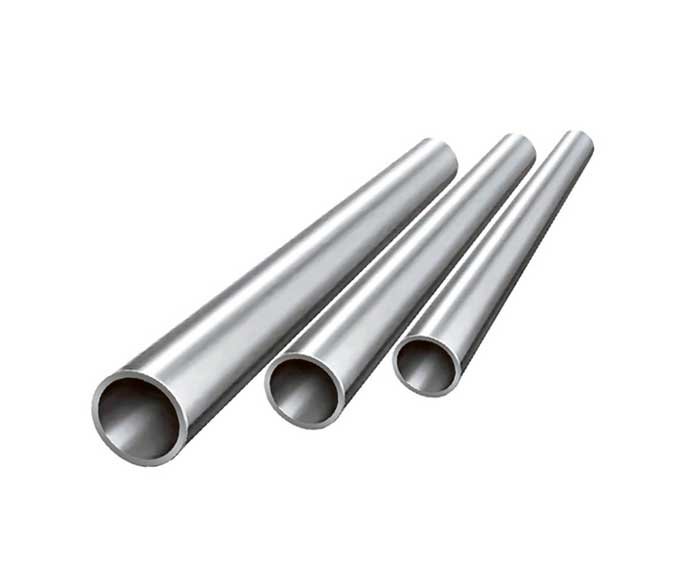
Stainless steel seamless tubes, such as TP316L, TP304, and duplex grades like 2205 or 2507, are ideal for most heat exchanger applications. These materials offer excellent strength, corrosion resistance, and long service life.


Conclusion

From industrial exhaust recovery to household heating systems, pipe-based heat exchangers come in various forms, each optimized for specific functions. Whether you’re engineering a double tube heat exchanger for a chemical plant or integrating a stove pipe heat exchanger into a residential setup, choosing the right design and material is critical for performance and reliability.

Explore our full range of stainless steel tube solutions at www.dlsspipeline.com
Contact us: info@dlsspipe.com

Wonderful! Share This Case:

Austenitic Stainless Steel

Duplex Stainless Steel

Nickel Alloys

▪ Incoloy Family

▪ Inconel Family

▪ Monel Family

▪ Hastelloy Family

▪ Other Special Alloys

Cobalt Alloys

Related Posts

Stainless steel seamless bright tube

How DLSS Performs 100% Eddy

Meta Description:DLSS explains how 100% eddy current testing (ET) ensures the quality and reliability of seamless stainless steel tubes. Learn about standards, test principles, and defect detection. Introduction In critical industries like heat exchangers, petrochemicals, boilers, and nuclear power, the demand for defect-free stainless steel tubing is non-negotiable. One of the most reliable non-destructive testing […]

Read More
Heat Exchanger Tube Materials: Pros and Cons of Stainless Steel, Copper, and Titanium

Heat Exchanger Tube Materials: Pros

1. Introduction – Heat Exchanger Tube Materials Selecting the right heat exchanger tube material is critical for optimizing performance, extending service life, and minimizing maintenance costs. This article compares stainless steel, copper, and titanium—three of the most common materials used in shell and tube as well as plate heat exchanger designs. For related topics, see […]

Read More
electropolished-tube-id-ra-035

Sanitary Stainless Steel Tubes in

Meta Description:Discover how sanitary stainless steel tubes support hygiene, durability, and regulatory compliance in food & beverage processing plants across South America. Introduction As the food and beverage sector in South America expands rapidly—with leading producers in Brazil, Chile, and Argentina—hygiene and quality control are more critical than ever. From dairy lines in São Paulo […]

Read More
Flange Sealing Techniques: How to Ensure a Leak-Proof Pipeline Connection

Flange Sealing Techniques: How to

Meta Description:Explore how proper flange sealing techniques, gasket selection, and installation methods impact pipeline integrity. Learn how to avoid flange leaks in industrial systems. Introduction If you’ve ever walked through an oil refinery or a chemical plant, you’ve probably seen a flange connection wrapped in insulation—maybe even dripping or steaming from a tiny leak. Flange […]

Read More
Improving Heat Exchanger Efficiency: Practical Strategies for Performance Optimization

Improving Heat Exchanger Efficiency: Practical

Whether in power plants, chemical facilities, HVAC systems, or food processing lines, heat exchanger efficiency directly impacts energy consumption, process reliability, and operating cost. Over time, even well-designed systems can suffer from performance degradation due to fouling, improper flow, or suboptimal configurations. This article outlines practical and engineering-proven methods to improve the efficiency of shell-and-tube […]

Read More

Choosing Between 304L, 316L, and

Meta Description:Understand the differences between 304L, 316L, and 904L stainless steel tubes. Learn how to choose the right material based on corrosion resistance, cost, and application requirements. Introduction Stainless steel tube buyers often face the challenge of selecting the most suitable grade for their projects. Among the most widely specified austenitic stainless steels are: Each […]

Read More
Understanding Duplex Stainless Steel Tubes – Grades, Benefits, and Applications

Understanding Duplex Stainless Steel Tubes

Meta Description:Explore the advantages of duplex stainless steel tubes. Learn about key grades like 2205 and 2507, their properties, and why they are preferred in harsh industrial environments. Introduction Duplex stainless steel tubes are rapidly becoming the preferred solution for demanding industries such as oil & gas, marine, chemical processing, and desalination. With their dual-phase […]

Read More
316 vs 316L vs 316Ti stainless steel

316 vs 316L vs 316Ti

1. Overview In demanding industries such as heat exchangers, condensers, boilers, and pressure vessels, stainless steels of the 316 family are among the most widely used materials. However, choosing between 316, 316L, and 316Ti depends on factors like weldability, temperature stability, and corrosion resistance. At DLSS (Zhejiang Daling Special Steel Co., Ltd.), we supply all […]

Read More

Request A Quote

*We respect your confidentiality and all information are protected.