Cost vs Performance: Are Titanium Pipes Worth It in Power Plant Condensers?

DLSS - Pipe&Tube - Cost vs Performance: Are Titanium Pipes Worth It in Power Plant Condensers?

1. Introduction

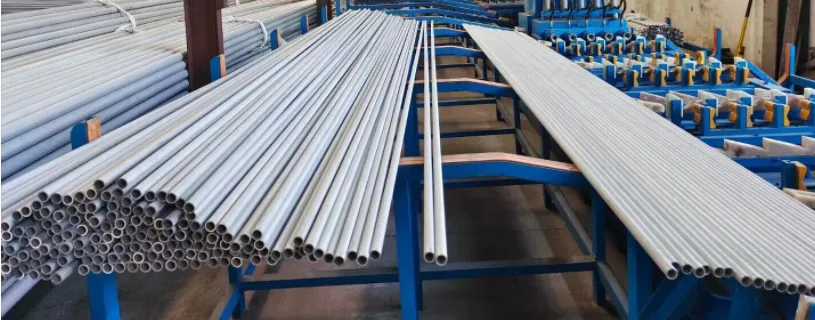
Power plants around the world rely on efficient condenser systems to maximize energy output and minimize downtime. Material choice for condenser tubes directly impacts operating costs and plant reliability. While stainless steel and copper alloys have traditionally been used, titanium pipes (Grade 2, ASTM B338) are increasingly recognized as the most cost-effective solution in the long term. This article evaluates the cost vs performance of titanium pipes compared with conventional alternatives.


2. Why Titanium Pipes Are Used in Condensers

  • Corrosion Resistance: Titanium resists pitting, crevice corrosion, and chloride stress cracking in seawater cooling systems.
  • Extended Lifespan: Service life of 20–30 years compared to 5–10 years for stainless steel and 10–15 years for copper alloys.
  • Low Maintenance: Fewer shutdowns for replacement, reduced cleaning and inspection costs.
  • High Strength-to-Weight Ratio: Lightweight yet durable, reducing mechanical stress on systems.

Reference: Titanium Applications – Wikipedia.


3. Cost vs Performance Analysis

MaterialInitial CostService LifeCorrosion ResistanceMaintenance FrequencyLifecycle Cost
Titanium GR2High20–30 yearsExcellent (seawater & brine)Very LowLowest
Stainless Steel 316LLow5–10 yearsModerate (risk of pitting)HighHigh
Copper-Nickel 90/10Medium10–15 yearsGoodMediumMedium

Key Takeaway: Although titanium pipes have a higher upfront cost, their long service life and minimal maintenance make them the most economical option for power plant condensers in the long run.


4. Case Studies in Power Plant Applications

  • Middle East Power Stations: Titanium GR2 tubes installed in seawater-cooled condensers have operated reliably for over 20 years with no major replacement.
  • Asian Coastal Power Plants: Switched from Cu-Ni tubes to titanium to solve frequent leakage issues caused by biofouling and chloride corrosion.
  • Nuclear Power Plants: Titanium used in condenser systems due to its radiation resistance and long-term stability.

5. Standards for Titanium Condenser Tubes

  • ASTM B338: Seamless and welded titanium tubes for condensers and heat exchangers.
  • Grades: GR2 and GR12 are the most common for seawater cooling applications.
  • Certifications: EN 10204 3.1/3.2, PED, ASME Section III (for nuclear applications).

6. DLSS Titanium Pipe Supply Advantages

At DLSS, we supply Titanium GR2 condenser tubes with:

  • Full compliance with ASTM B338 and PED certification.
  • Straight lengths, U-bend tubes, and custom dimensions.
  • Third-party inspection: TÜV, DNV, LR, ABS.
  • Proven supply track record for power plants and desalination projects.
  • Export packaging with seaworthy wooden crates, capped ends, anti-corrosion coating.

7. Conclusion & Call to Action

Although titanium pipes require higher initial investment, their superior performance, extended service life, and lifecycle savings make them the most cost-effective choice for power plant condensers. For EPC contractors and power utilities seeking long-term reliability, titanium is the clear winner.

Contact DLSS for titanium condenser tubes tailored to your project.
info@dlsspipe.com | www.dlsspipeline.com

Wonderful! Share This Case:

Austenitic Stainless Steel

Duplex Stainless Steel

Nickel Alloys

▪ Incoloy Family

▪ Inconel Family

▪ Monel Family

▪ Hastelloy Family

▪ Other Special Alloys

Cobalt Alloys

Related Posts

Titanium GR2 Condenser Tubes for Seawater Desalination Plants

Titanium GR2 Condenser Tubes for

1. Introduction Seawater desalination projects are expanding rapidly across the Middle East, North Africa, and Asia, with a market size of over 25 billion USD. One of the most critical components in desalination plants is the condenser and heat exchanger tubing, where Titanium Grade 2 (GR2) tubes are the preferred material. With unmatched corrosion resistance […]

Read More
Choosing the Right Pipe Materials for the Oil & Gas Industry

Choosing the Right Pipe Materials

Meta Description:The oil & gas industry demands corrosion-resistant, high-pressure-rated piping solutions. Learn how to select the best pipe materials for upstream, midstream, and downstream applications. Introduction In the oil and gas sector, pipelines are more than just infrastructure—they are lifelines of the operation. From offshore rigs and sour gas fields to refineries and LNG terminals, […]

Read More
Top 10 Applications of Stainless Steel Tubes in the Oil & Gas Industry

Top 10 Applications of Stainless

Meta Description:Explore the top 10 critical applications of stainless steel tubes in the oil & gas industry. Learn how DLSS tubes perform under high pressure, corrosion, and extreme conditions. Introduction The oil and gas industry operates under extreme conditions—high pressure, corrosive environments, and fluctuating temperatures. To ensure safety and durability, stainless steel tubes are essential […]

Read More
Understanding ASTM A213 – Seamless Tubes for Heat Exchangers and Boilers

Understanding ASTM A213 – Seamless

Meta Description:Learn everything about ASTM A213: scope, material grades, dimensional tolerances, mechanical properties, and test methods. Ideal for engineers, buyers, and project managers working with heat exchanger and boiler tubing. Introduction ASTM A213 is one of the most critical international standards for seamless ferritic and austenitic alloy steel tubes, especially those used in boilers, superheaters, […]

Read More
Quality Inspection Methods for Stainless Steel Heat Exchanger Tubes

Quality Inspection Methods for Stainless

Ensuring the quality of stainless steel tubes is critical for the long-term reliability and safety of heat exchangers. Whether used in chemical plants, power stations, oil & gas facilities, or food processing systems, defective or poorly inspected tubes can lead to costly failures, shutdowns, or safety hazards. In this article, we cover the most important […]

Read More
ASTM A312 vs ASTM A789: Which Stainless Steel Tube Standard Is Right for Oil & Gas Applications?

ASTM A312 vs ASTM A789:

Meta Description:Understand the key differences between ASTM A312 and ASTM A789 for stainless steel seamless tubes used in the oil & gas industry. Compare materials, applications, and testing requirements. Introduction In the oil and gas sector, selecting the right stainless steel tube standard is essential for long-term system performance. Among the most referenced specifications are: […]

Read More
Selecting Stainless Steel Tubes for Seawater, Desalination, and Marine Applications (2025 Guide)

Selecting Stainless Steel Tubes for

Why Seawater and Desalination Systems Require Specialized Tubing Seawater contains high concentrations of chlorides, which are extremely aggressive toward most conventional stainless steels. In marine environments or desalination plants, tubes are exposed to continuous flow of saline water, biofouling, crevice conditions, and temperature fluctuations. To ensure long service life and avoid premature failure due to […]

Read More
Spiral Finned Tube vs Extruded Finned Tube: Which is Better for Your Project?

Spiral Finned Tube vs Extruded

When selecting spiral finned tube vs extruded finned tube for a heat exchanger, engineers must weigh performance, durability, and operating costs. Both fin types enhance heat transfer, but their differences can significantly affect long-term efficiency. If you’re new to finned tubes, start with What is a Finned Tube and How It Improves Heat Exchanger Efficiency. […]

Read More

Request A Quote

*We respect your confidentiality and all information are protected.