Heat Exchanger Tubes: Standards, Materials, and Applications

DLSS - Pipe&Tube - Heat Exchanger Tubes: Standards, Materials, and Applications

Heat exchanger tubes are the backbone of many critical industries, including oil & gas, power generation, petrochemicals, shipbuilding, and desalination. Choosing the right tube material and ensuring compliance with international standards are essential to guarantee safety, efficiency, and long-term performance.

In this article, we provide a detailed overview of standards, materials, manufacturing processes, and applications of heat exchanger tubes.


What Are Heat Exchanger Tubes?

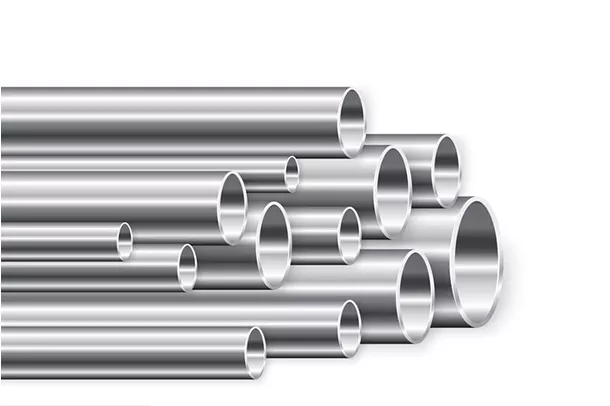
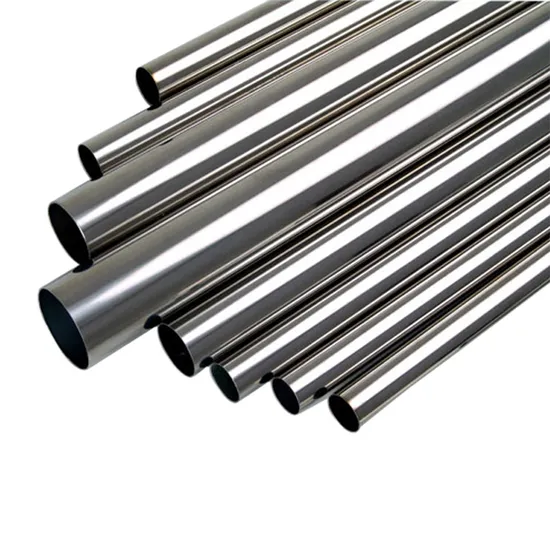
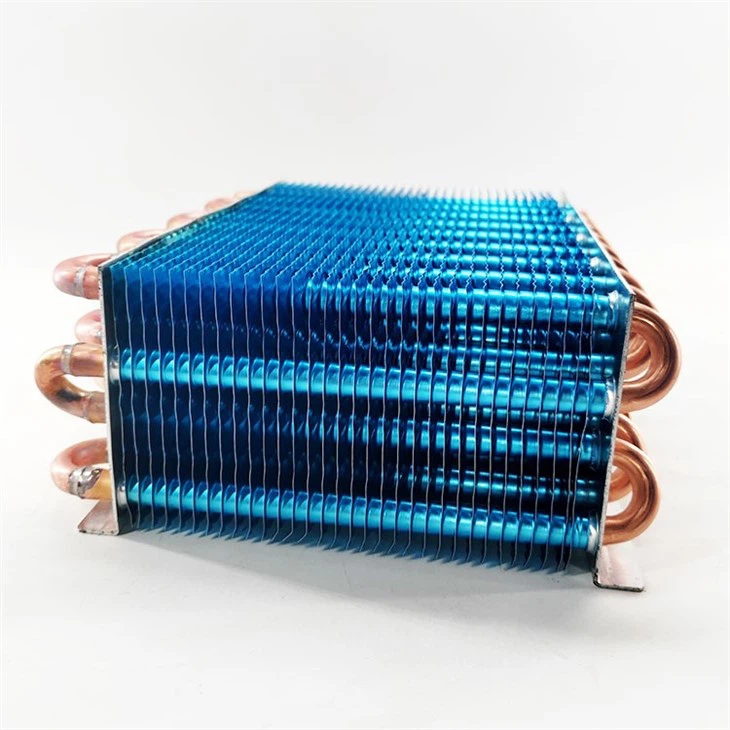
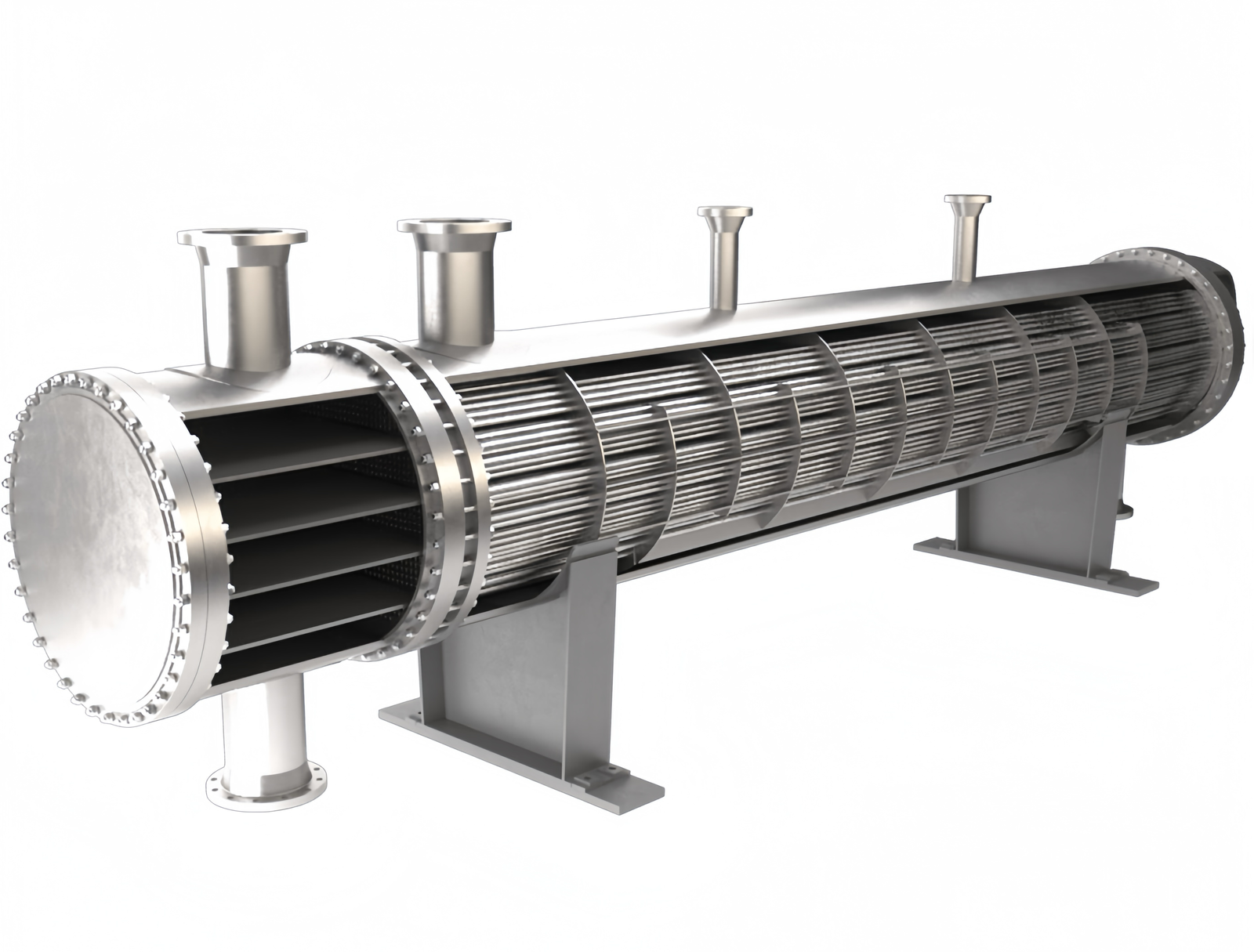
Heat exchanger tubes are specially designed seamless or welded tubes used in heat transfer systems, such as boilers, condensers, and process equipment. They must withstand high temperatures, pressure fluctuations, and corrosive environments.

Learn more about our Heat Exchanger Tubes.


International Standards for Heat Exchanger Tubes

Heat exchanger tubes must comply with global standards to ensure material consistency and mechanical reliability:

  • ASTM / ASME: ASTM A213, A312, A789, ASME SA213
  • EN / DIN: EN 10216-5, DIN 17458
  • JIS: JIS G3463

These standards define chemical composition, mechanical properties, and testing requirements to meet the demanding conditions of heat exchanger applications.


Common Materials for Heat Exchanger Tubes

  1. Austenitic Stainless Steel
    • TP304 / 304L, TP316 / 316L, TP321, TP347
    • Excellent corrosion resistance and high-temperature strength.
  2. Duplex and Super Duplex Stainless Steel
    • S32205 (2205), S32750 (2507)
    • Superior resistance to chloride stress corrosion cracking.
  3. High-Performance Alloys
    • 904L, 6Mo (UNS S31254)
    • Ideal for seawater desalination and chemical processing.
  4. Copper and Copper Alloys
    • C70600 (90/10 CuNi), C71500 (70/30 CuNi), C44300
    • Excellent thermal conductivity, widely used in shipbuilding and condensers.

See also: Stainless Steel Seamless Tubes


Manufacturing & Inspection of Heat Exchanger Tubes

Heat exchanger tubes must undergo rigorous production and testing to meet quality requirements:

  • Manufacturing: Hot extrusion, cold drawing, bright annealing.
  • Heat Treatment: Bright annealing ensures a smooth surface and consistent mechanical properties.
  • Non-Destructive Testing (NDT):
    • Eddy Current Test (ET)
    • Ultrasonic Test (UT)
    • Hydrostatic Pressure Test
    • Positive Material Identification (PMI)

Learn more about our Quality Control.


Applications of Heat Exchanger Tubes

  • Oil & Gas Refineries: Processing units, coolers, heaters.
  • Power Generation: Boiler tubes, condensers, superheaters.
  • Petrochemical Industry: Heat transfer in chemical reactors.
  • Shipbuilding & Marine: Condensers, seawater desalination plants.
  • Renewable Energy: Geothermal and solar thermal power projects.

Why Choose DLSS for Heat Exchanger Tubes?

At DLSS (Zhejiang Daling Special Steel Co., Ltd.), we supply heat exchanger tubes that meet ASTM/ASME/EN/JIS standards and are trusted by clients in over 40 countries worldwide.

Our advantages include:

  • 30+ years of manufacturing expertise.
  • A full range of stainless steel, duplex, super duplex, and copper alloy tubes.
  • Certified by ABS, DNV-GL, BV, LR, NK, PED, AD2000, CCS, ISO, and API.
  • Proven track record with EPC contractors, refineries, and power plants.

Conclusion

Heat exchanger tubes are vital components for industrial systems where efficiency and durability are crucial. By choosing the right materials and a trusted supplier, you minimize risks and ensure operational reliability.

At DLSS, we deliver precision-manufactured tubes, complete with Mill Test Certificates (MTCs), third-party inspections, and reliable global logistics.

Learn more about our Heat Exchanger Tubes
Contact us today to request a quote or technical consultation.


Wonderful! Share This Case:

Austenitic Stainless Steel

Duplex Stainless Steel

Nickel Alloys

▪ Incoloy Family

▪ Inconel Family

▪ Monel Family

▪ Hastelloy Family

▪ Other Special Alloys

Cobalt Alloys

Related Posts

Welded vs. Seamless Tubes: Which

Choosing between welded and seamless tubes can impact your heat exchanger’s performance, durability, and cost. While both have their place, understanding their differences helps engineers and purchasers make informed decisions. In this blog, we compare these two types of stainless steel tubes and highlight where each one excels. 1. Manufacturing Process This difference affects the structural integrity and mechanical […]

Read More
How to Interpret EN 10204 3.1 and 3.2 Material Certificates in Industrial Audits

How to Interpret EN 10204

Introduction In large-scale industrial projects—refineries, power plants, LNG terminals, or chemical facilities—material traceability is non-negotiable. Clients, third-party inspectors, and auditors often require EN 10204-compliant inspection certificates for stainless steel pipes, fittings, flanges, or pressure parts. But what do terms like 3.1 or 3.2 certificate actually mean? This article breaks down the types of EN 10204 […]

Read More

How to Choose High-Quality Stainless

Stainless steel tubes are commonly used in heat exchanger systems because they are corrosion-resistant and have a long lifespan. However, how do you choose the right stainless steel tube? This article will help you understand the key factors to consider when selecting stainless steel tubes. 1、Material Grade Stainless steel tubes are commonly used in heat exchanger […]

Read More
Choosing Between Seamless and Welded Stainless Steel Tubes: Which One Fits Your Project?

Choosing Between Seamless and Welded

Meta Description:Understand the pros and cons of seamless vs welded stainless steel tubes. Learn when to choose each type based on pressure, corrosion, cost, and application requirements. Introduction When specifying stainless steel tubes for your project—whether it’s a heat exchanger, fluid transport system, or structural framework—one of the most important decisions is choosing between seamless […]

Read More
offshore-oil-gas-corrosion-resistant-heat-exchanger-tubes

Corrosion-Resistant Heat Exchanger Solutions for

Offshore oil and gas platforms operate in some of the harshest environments on earth—intense humidity, salt spray, hydrogen sulfide, and high-pressure processes. These conditions make corrosion the #1 threat to heat exchanger systems and piping reliability. To reduce failures and maintenance costs, operators are turning to advanced stainless steel and duplex alloy tubes as the […]

Read More
Material Selection for Seawater-Cooled Heat Exchangers: What Engineers Must Consider

Heat Exchanger Tube Demand to

The global heat exchanger market is heating up—literally and economically. With rising demand for energy efficiency, industrial process optimization, and sustainable thermal management, stainless steel heat exchanger tubes are becoming a critical infrastructure material across multiple industries. Recent industry research forecasts a compound annual growth rate (CAGR) of 9.5% through 2032 for the heat exchanger […]

Read More
Nickel 200 and Nickel 201 Seamless Tubes: Properties, Applications, and Selection Guide

Nickel 200 and Nickel 201

Introduction Nickel 200 seamless tubes and Nickel 201 seamless tubes are widely used in industries requiring high-purity, corrosion-resistant, and thermally conductive materials. These nickel alloy seamless pipes offer exceptional performance in chemical processing, caustic environments, cryogenic systems, and electrolytic applications. According to Wikipedia, both Nickel 200 and 201 belong to the category of commercially pure […]

Read More
How to Size a Shell and Tube Heat Exchanger: Key Design Parameters

How to Size a Shell

1. Introduction – Shell and Tube Heat Exchanger Sizing Proper shell and tube heat exchanger sizing ensures optimal performance, energy efficiency, and long service life. Incorrect sizing can lead to excessive pressure drops, fouling, or insufficient heat transfer. This guide outlines the key design parameters to consider when sizing a shell and tube heat exchanger, […]

Read More

Request A Quote

*We respect your confidentiality and all information are protected.