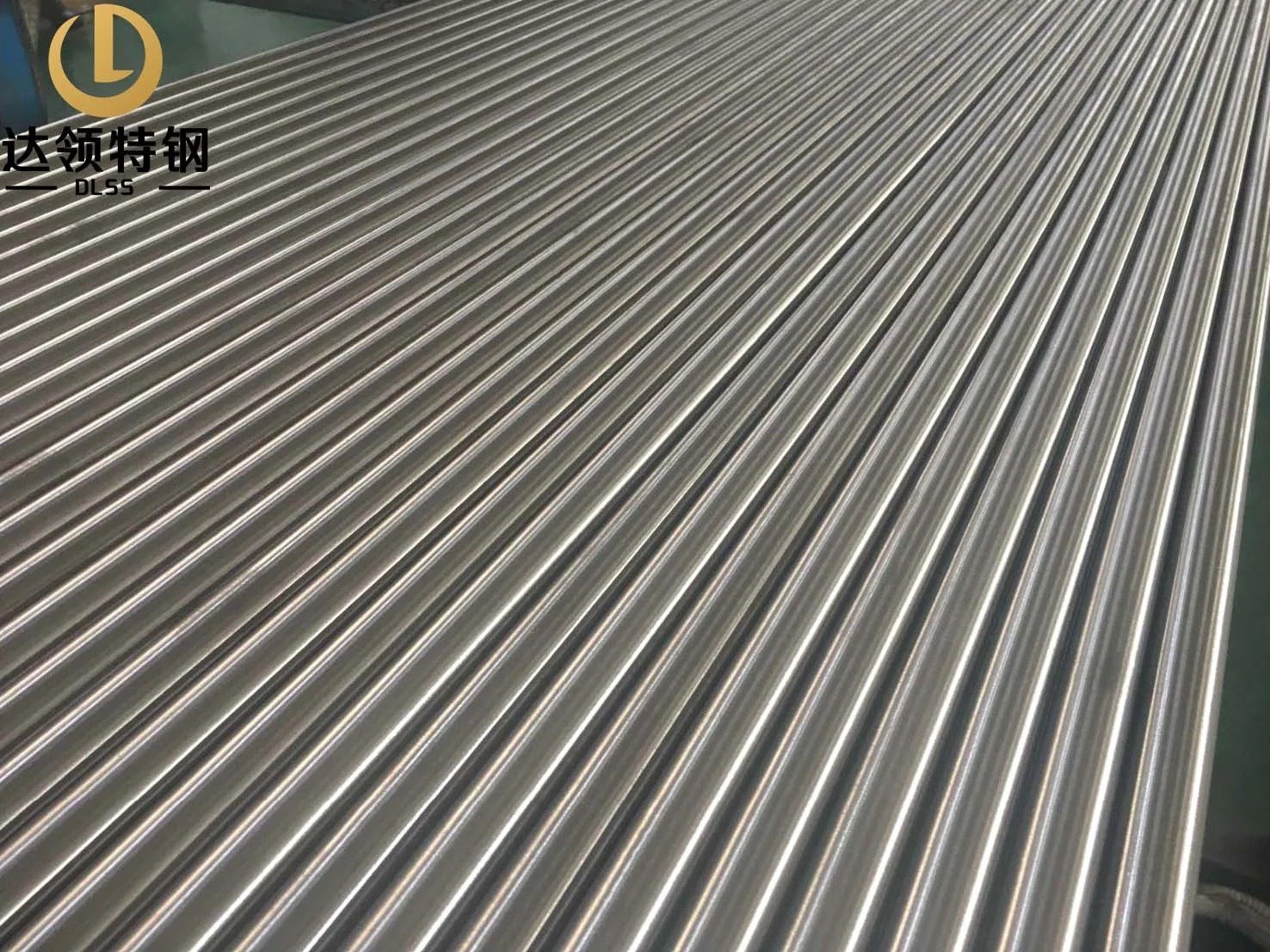
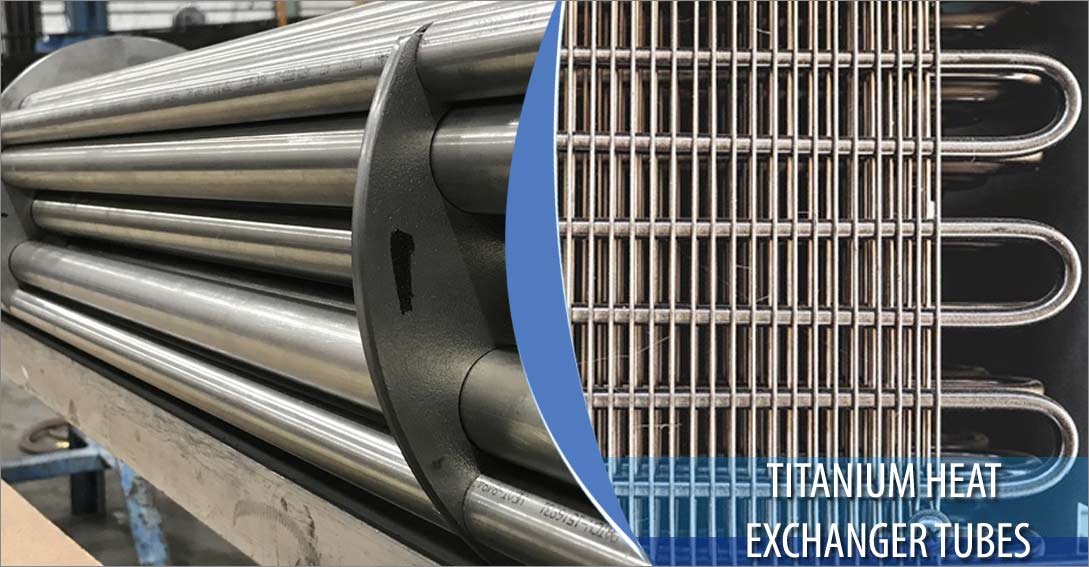
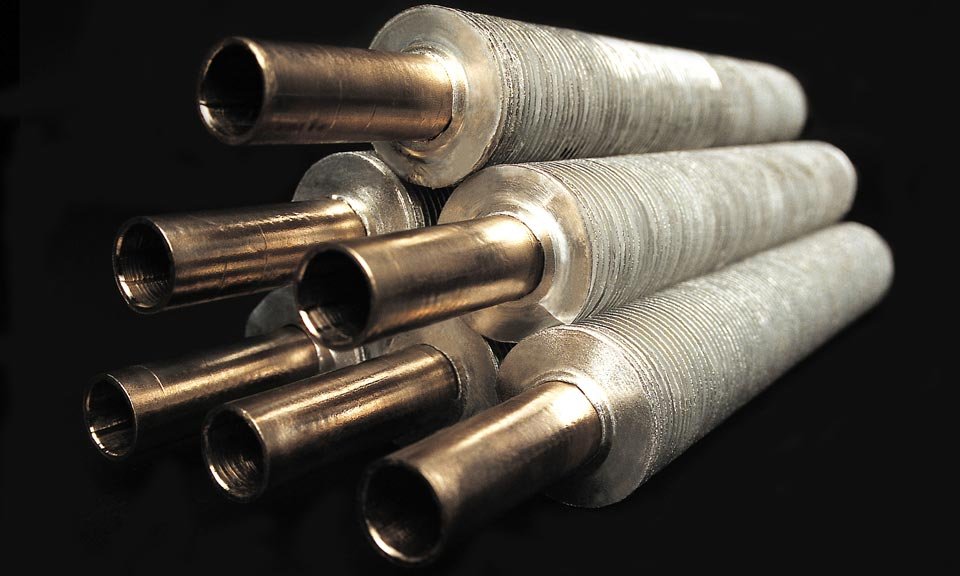
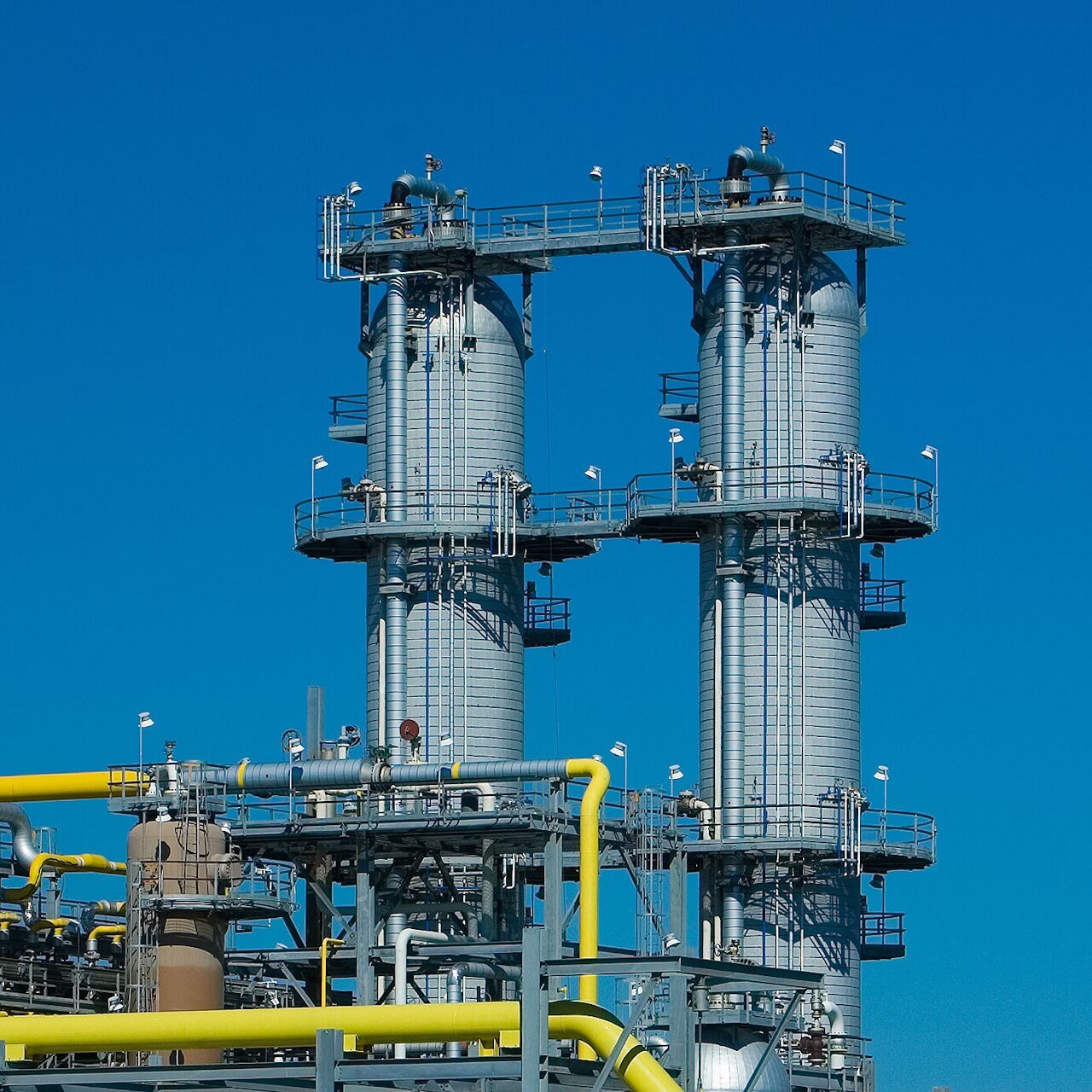
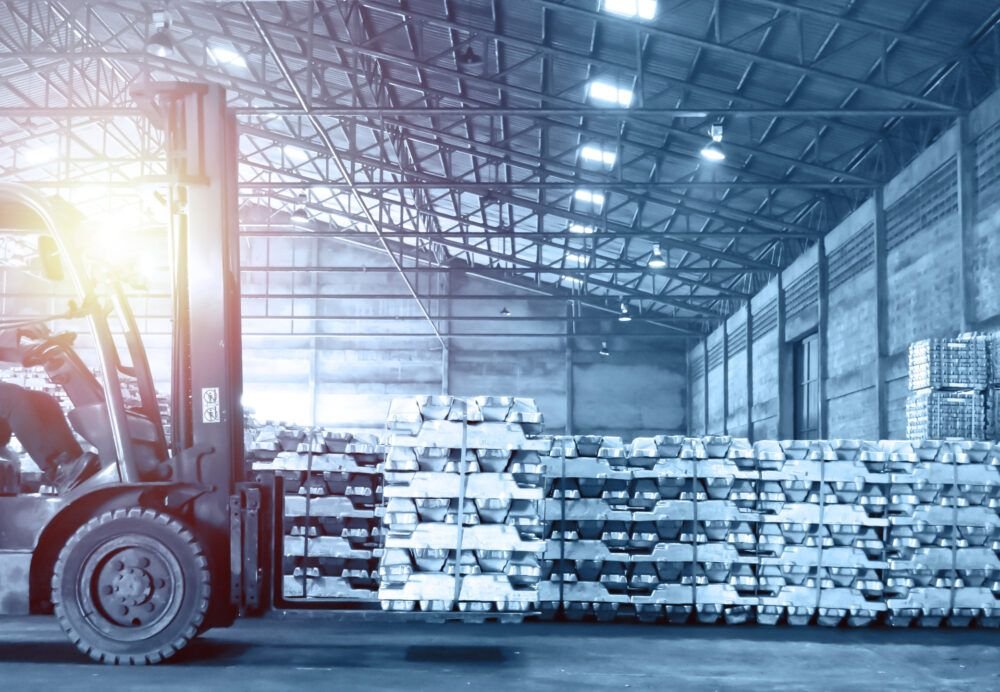
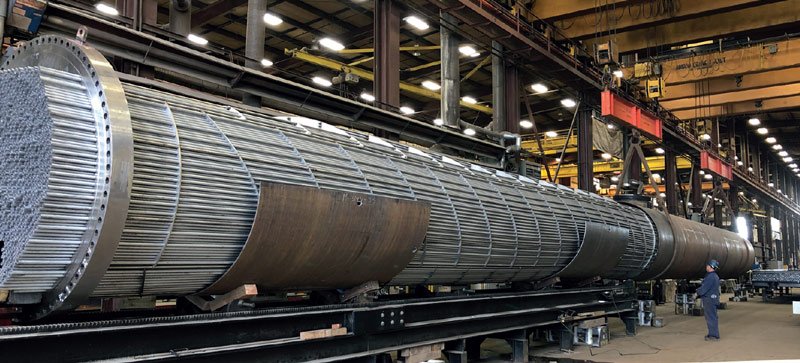
Desalination plants turn seawater or brackish water into usable water. Stainless steel tubes for desalination plants are used in heat exchangers, condensers, RO systems, MED units, MSF units, and brine systems.
These plants work in a very corrosive environment.
The water often contains high chloride. Some systems also have high pressure, high temperature, brine, scale, and continuous flow.
This is why tube material selection is very important.
If the wrong tube material is selected, the result may be:
- Pitting corrosion
- Crevice corrosion
- Leakage
- Tube failure
- Higher maintenance cost
- Unplanned shutdown
- Shorter service life
This guide explains how to choose stainless steel and alloy tubes for desalination plants. It covers RO, MED, MSF, common tube materials, standards, inspection, and buyer checks.
Why Desalination Plants Need Corrosion-Resistant Tubes
Desalination systems are difficult for metal tubes.
The tubes may face:
- Seawater
- Brackish water
- High chloride
- Hot brine
- High pressure
- High temperature
- Scaling
- Biofouling
- Cleaning chemicals
- Long running time
Chloride is one of the biggest risks. Buyers can also review seawater heat exchanger tube materials before choosing 316L, 904L, duplex, super duplex, titanium, or nickel alloy tubes.
It can cause pitting corrosion and crevice corrosion in common stainless steel grades.
For this reason, buyers should not choose tubes only by price.
The better question is:
Can this tube survive the real water condition?
Where Tubes Are Used in Desalination Plants
Tubes are used in many parts of a desalination plant.
| System Area | Common Tube Use | Main Risk |
|---|---|---|
| RO Skids | High-pressure piping and support lines | High pressure and chloride corrosion |
| MED Units | Evaporators, condensers, heat exchangers | Hot brine, scale, corrosion |
| MSF Units | Brine heaters and heat recovery sections | High temperature and high salinity |
| Condensers | Cooling and vapor condensation | Seawater corrosion and erosion |
| Intake / Outfall Lines | Seawater transfer | Biofouling, pitting, erosion |
| Thermal Vapor Compression | Process tubes and condensers | Heat, brine, and corrosion |
| Chemical Dosing Lines | Chemical transfer | Chemical corrosion |
Different areas need different materials.
One grade cannot fit every desalination system.
Common Desalination Processes
Desalination plants may use different processes.
The tube material should match the process.
| Process | Full Name | Tube Material Concern |
| RO | Reverse Osmosis | High pressure and chloride corrosion |
| MED | Multi-Effect Distillation | Hot brine and scale |
| MSF | Multi-Stage Flash | High temperature and high salinity |
| TVC | Thermal Vapor Compression | Heat, brine, and pressure |
| SWRO | Seawater Reverse Osmosis | Seawater, pressure, and corrosion |
RO systems often need strong piping and corrosion resistance.
MED and MSF systems often need tubes that can handle hot brine and heat transfer.
Common Tube Materials for Desalination
The table below shows common material options.
| Material Grade | Common Use | Main Benefit |
| 316L | Low-chloride or mild water service | Good cost and availability |
| 904L | Moderate chloride and brine service | Better corrosion resistance than 316L |
| Duplex 2205 / S32205 | Seawater piping, MED / MSF systems | Higher strength and better chloride resistance |
| Super Duplex 2507 / S32750 | High chloride and severe seawater service | Strong pitting and crevice corrosion resistance |
| Alloy 825 | Acidic or hot brine service | Good resistance to acids and chlorides |
| Titanium Grade 2 | Seawater condensers and desalination heat exchangers | Excellent seawater corrosion resistance |
| Alloy 625 / C276 | Severe chemical or corrosion service | Very strong corrosion resistance |
The final material should follow the water quality, temperature, pressure, chloride level, and project standard.
How to Choose by Water Condition
Start with the real water condition.
Do not only say “water service.”
Buyers should confirm:
- Is it seawater?
- Is it brackish water?
- What is the chloride level?
- Is the water hot?
- Is it concentrated brine?
- Are cleaning chemicals used?
- Is there scaling risk?
- Is there high pressure?
| Water or Service Condition | Possible Material Direction |
| Low-chloride water | 316L |
| Moderate chloride water | 904L / Duplex 2205 |
| Seawater cooling | Duplex 2205 / Super Duplex 2507 / Titanium |
| High-chloride brine | Super Duplex 2507 / Titanium / Nickel Alloy |
| Brine heater | 904L / Duplex / Alloy 825 |
| MED / MSF evaporator | Duplex / Super Duplex / Titanium |
| RO high-pressure piping | Duplex / Super Duplex |
| Severe corrosion risk | Titanium / Alloy 625 / C276 |
This table is a guide only.
The final choice should be checked by the project engineer or end user.
316L Stainless Steel Tubes
316L is a common stainless steel grade.
It is used in many industrial water systems.
It has better corrosion resistance than 304L because it contains molybdenum.
But 316L is not always enough for seawater or high chloride brine.
316L may be suitable for:
- Low-chloride water
- Mild cooling water
- General utility lines
- Non-critical water service
- Cost-sensitive systems with lower corrosion risk
316L should be used carefully in full seawater service.
For high chloride or hot brine, buyers should consider 904L, duplex, super duplex, titanium, or nickel alloy.
904L Stainless Steel Tubes
904L has higher nickel and molybdenum than 316L.
It gives better corrosion resistance in many chloride and acidic environments.
904L may be used in:
- Brine heaters
- Moderate chloride service
- Acidic water systems
- Desalination support systems
- Systems where 316L is not enough
904L is stronger than 316L in corrosion resistance, but it is not always the best choice for severe seawater.
For very high chloride or hot brine, super duplex or titanium may be better.
Duplex 2205 Tubes
Duplex 2205 is also called S32205 or S31803.
It has higher strength than 316L.
It also has better resistance to chloride stress corrosion cracking.
Duplex 2205 may be used in:
- Seawater piping
- MED systems
- MSF systems
- RO high-pressure lines
- Heat exchanger systems
- Coastal water systems
Duplex 2205 is often a good balance between cost, strength, and corrosion resistance.
But for more severe chloride service, Super Duplex 2507 may be needed.
Super Duplex 2507 Tubes
Super Duplex 2507 is also called S32750.
It has very strong resistance to pitting and crevice corrosion.
It also has high strength.
Super Duplex 2507 may be used in:
- High chloride water
- Severe seawater service
- Outfall lines
- RO high-pressure systems
- Brine systems
- Coastal and offshore desalination systems
Duplex 2205 is also called S32205 or S31803. Duplex and super duplex stainless steel tubes are often used when desalination systems need higher strength and better chloride resistance.
But it may reduce failure risk in severe chloride conditions.
Alloy 825 Tubes
Alloy 825 is a nickel alloy.
It has good resistance to acids, chlorides, and many corrosive media.
Alloy 825 may be used in:
- Hot brine service
- Acidic water systems
- Chemical dosing systems
- Thermal vapor compression units
- Condensers with aggressive media
Alloy 825 is more expensive than stainless steel.
It is usually selected when the corrosion risk is higher.
When to Consider Titanium Tubes
Titanium Grade 2 is often used in seawater systems. Buyers can compare titanium vs stainless steel tubes before choosing the final material for seawater condensers or desalination heat exchangers.
It has excellent resistance to seawater corrosion.
Titanium may be a good choice for:
- Seawater condensers
- Desalination heat exchangers
- MED / MSF systems
- Marine cooling systems
- Severe chloride service
- Long service life projects
Titanium costs more than common stainless steel.
But in seawater systems, it may reduce corrosion risk and maintenance cost.
Stainless Steel vs Titanium in Desalination
Both stainless steel and titanium can be used in desalination.
But they fit different conditions.
| Item | Stainless Steel / Duplex | Titanium |
| Cost | Lower to medium | Higher |
| Seawater Resistance | Good to excellent, depending on grade | Excellent |
| Availability | Easier for many grades | More limited |
| Strength | High, especially duplex grades | Good strength-to-weight ratio |
| Best Use | RO piping, brine lines, heat exchangers | Seawater condensers, severe chloride service |
| Main Risk | Grade may be too low for high chloride | Higher cost and longer lead time |
For mild service, stainless steel may be enough.
For severe seawater service, titanium is often safer.
Common Standards for Desalination Tubes
Different materials use different standards.
| Standard | Common Use |
| ASTM A213 | Seamless stainless steel boiler, superheater, and heat-exchanger tubes |
| ASTM A269 | Stainless steel tubing for general service |
| ASTM A789 | Duplex stainless steel tubing |
| ASTM B338 | Titanium tubes for condensers, evaporators, and heat exchangers |
| ASTM B423 | Alloy 825 seamless pipe and tube |
| EN 10216-5 | Seamless stainless steel tubes for pressure service |
| EN 10204 3.1 / 3.2 | Material certificate and inspection documents |
The correct standard should follow the project drawing, purchase order, and end-user requirement.
NACE MR0175 / ISO 15156 should only be reviewed when the project involves H₂S or sour service risk.
For normal desalination water systems, chloride corrosion is usually the main concern.
Inspection Requirements Before Shipment
Inspection helps reduce risk before shipment. A clear DLSS quality control process helps buyers check material grade, size, surface, testing, documents, and packing before shipment.
For desalination tube orders, buyers may request:
| Inspection Item | Purpose |
| PMI Test | Confirms material grade |
| MTC Review | Checks chemical and mechanical properties |
| Hydrostatic Test | Checks pressure resistance |
| Eddy Current Test | Finds surface and near-surface defects |
| Ultrasonic Test | Finds internal defects |
| Dimensional Inspection | Checks OD, WT, length, and tolerance |
| Surface Inspection | Checks scratches, dents, and surface quality |
| Visual Inspection | Checks marking, ends, and appearance |
| Packing Inspection | Checks protection before shipment |
| Third-Party Inspection | Gives independent inspection before shipment |
For high chloride service, correct material verification is very important.
Wrong material may cause early corrosion.
Documents Buyers Should Request
For desalination tube projects, buyers may request:
- Mill Test Certificate
- Chemical composition report
- Mechanical property report
- PMI report
- Hydrostatic test report
- Eddy current test report
- Ultrasonic test report
- Dimensional inspection report
- Surface inspection report
- Packing photos
- EN 10204 3.1 certificate
- EN 10204 3.2 certificate, if required
- Third-party inspection report, if required
The heat number on the document should match the tube marking.
This helps with project traceability and approval.
Buyer Checklist Before Ordering
Before sending an inquiry, buyers should prepare clear information.
Desalination Tube Inquiry Checklist
- Material grade
- Standard
- OD
- Wall thickness
- Minimum wall thickness, if required
- Length
- Quantity
- Straight tube or U bend tube
- Desalination process: RO, MED, MSF, TVC, or other
- Working medium
- Chloride content
- Water temperature
- Working pressure
- Brine concentration, if available
- Cleaning chemical, if used
- Corrosion risk
- Surface finish
- Required tests
- MTC requirement
- EN 10204 3.1 or 3.2 requirement
- Third-party inspection requirement
- Packing requirement
- Required delivery time
- Destination port or country
A clear inquiry helps the supplier review the project faster.
It also reduces the risk of wrong material selection.
Example Scenario: Duplex Tubes for MED Desalination Heat Exchanger
A MED desalination heat exchanger may use duplex stainless steel tubes.
The buyer may request:
- ASTM A789
- Duplex 2205 / S32205
- Seamless or welded tubing, according to design
- Pickled and passivated surface
- Eddy current testing
- Hydrostatic testing
- PMI test
- MTC
- Third-party inspection before shipment
This kind of project should be checked before production.
If inspection requirements are added after production, it may cause delay and extra cost.
How DLSS Supports Desalination Projects
DLSS supplies stainless steel, duplex stainless steel, super duplex stainless steel, nickel alloy, and titanium tubes for desalination and seawater systems.
We can support:
- Stainless steel tubes for desalination plants
- 316L tubes
- 904L tubes
- Duplex 2205 tubes
- Super Duplex 2507 tubes
- Alloy 825 tubes
- Titanium Grade 2 tubes
- Heat exchanger tubes
- Condenser tubes
- U bend tubes
- Custom OD, WT, and length
- MTC documents
- PMI testing
- Hydrostatic testing
- Eddy current testing
- Ultrasonic testing
- Dimensional inspection
- Surface inspection
- Third-party inspection support
- Export wooden case packing
For critical desalination projects, DLSS can also provide third-party inspection support before shipment.
Common Mistakes to Avoid
Buyers should avoid these mistakes:
- Choosing only by price
- Using 316L for severe seawater service without review
- Ignoring chloride content
- Ignoring brine temperature
- Not checking wall thickness
- Not confirming the correct standard
- Not requesting PMI
- Not checking MTC before shipment
- Not confirming surface finish
- Not confirming packing method
- Adding inspection requirements too late
Most problems can be reduced when the working condition is confirmed before order.
FAQ
What is the best tube material for desalination plants?
There is no single best material for all desalination plants. 316L may work in mild water service. 904L, Duplex 2205, Super Duplex 2507, Alloy 825, or titanium may be needed for higher chloride or brine service.
Can 316L be used in seawater desalination?
316L can be used in some mild or lower-risk areas, but it is usually not the best choice for severe seawater or hot brine service. Duplex, super duplex, titanium, or nickel alloy may be better.
When should Duplex 2205 be used?
Duplex 2205 may be used when the system needs higher strength and better chloride resistance than 316L. It is common in seawater piping, RO systems, and MED / MSF systems.
When should Super Duplex 2507 be used?
Super Duplex 2507 may be used in high chloride, high pressure, or severe seawater service. It offers stronger pitting and crevice corrosion resistance than Duplex 2205.
Is titanium better than stainless steel for desalination?
Titanium is often better for seawater condensers and severe chloride service. But stainless steel or duplex stainless steel may be more cost-effective in less severe systems.
What tests are important for desalination tubes?
Common tests include PMI, hydrostatic test, eddy current test, ultrasonic test, dimensional inspection, surface inspection, and MTC review. Critical projects may also need third-party inspection.
Can DLSS support third-party inspection?
Yes. DLSS can support third-party inspection by BV, SGS, TUV, LR, ABS, or other project-approved inspection companies.
Conclusion
Desalination plants need tubes that can resist chloride, brine, pressure, temperature, and long running time.
The right material helps reduce corrosion, leakage, shutdown risk, and maintenance cost.
For mild service, 316L may be suitable.
For moderate chloride or brine service, 904L or Duplex 2205 may be considered.
For high chloride and severe seawater service, Super Duplex 2507, titanium, Alloy 825, Alloy 625, or C276 may be needed.
Before ordering, buyers should confirm the desalination process, water condition, chloride content, pressure, temperature, material grade, standard, testing, documents, and packing.
DLSS supplies stainless steel, duplex, super duplex, nickel alloy, and titanium tubes for desalination and seawater systems.
If you need tubes for a desalination plant, send us your material grade, standard, size, quantity, water condition, and inspection requirements. Our team will help review your inquiry before quotation.