Top Heat Exchanger Trends to Watch in 2025

DLSS - Tubes For Heat Exchanger - Top Heat Exchanger Trends to Watch in 2025

Meta Description:
Discover the latest heat exchanger technologies—hybrid systems, additive manufacturing, AI monitoring, and advanced materials—shaping energy efficiency across industrial sectors.


1. Hybrid Heat Exchangers: The Next Evolution

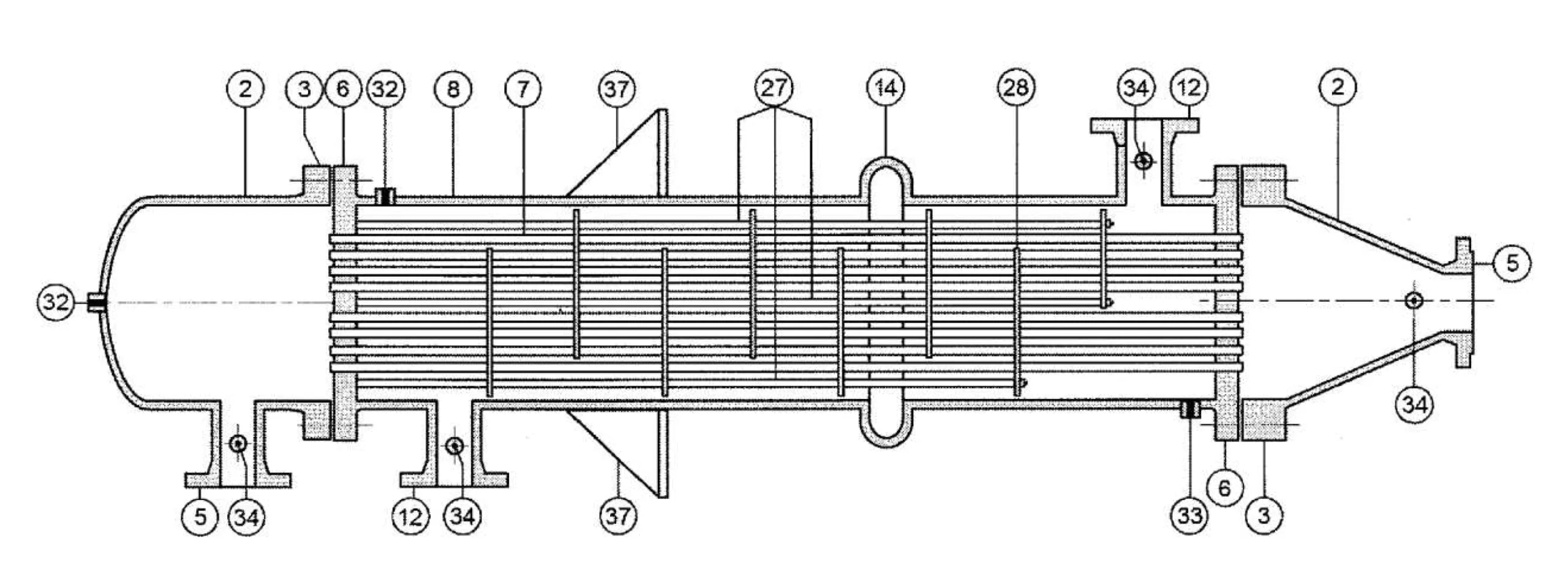
Hybrid systems combine multiple heat transfer technologies (e.g., plate-fin + shell-and-tube) to boost energy efficiency and reduce installation space. This market is growing rapidly, fueled by decarbonization goals and integrated renewable systems.

Market projection from LinkedIn

They’re ideal for LNG plants, HVAC systems, and chemical processing, where performance per footprint matters.


2. Compact Designs with Additive Manufacturing (AM)

Thanks to additive manufacturing, engineers now design heat exchangers with optimized internal flow paths and minimal dead zones.

Case study – University of Wisconsin

These exchangers achieve up to 27% more thermal density and are transforming applications in aerospace, mobile power systems, and tight industrial enclosures.


3. Plate Heat Exchangers (PHEs) Still Dominate

PHEs continue to lead due to:

  • High thermal transfer per m²
  • Easy cleaning and maintenance
  • Modular design options

PHE market report by FMI

Growth is strongest in food processing, renewable energy, and district heating systems.


4. AI-Enabled Monitoring & Predictive Maintenance

Digital twins, sensor integration, and machine learning allow users to detect fouling, corrosion, or leakage before failure occurs.

Example – AI anomaly detection

These systems are increasingly used in refineries and power stations, improving reliability and cutting downtime.


5. Material Innovation: From Copper to Nickel Alloys

Material choice directly impacts performance and service life:

  • Copper: great thermal conductivity, ideal for HVAC & marine
  • Stainless steels (304/316): chemical resistance, affordable
  • Nickel alloys (Incoloy, Alloy 625): high-temp, sour service
  • Titanium: exceptional corrosion resistance, low weight

Copper heat transfer overview – Wikipedia


What It Means for Tube & Pipe Selection

Choosing the right heat exchanger also means:

  • Selecting seamless stainless steel or alloy tubes for critical exchangers
  • Opting for corrosion-tested pickled or BA finishes for longevity
  • Ensuring tubing complies with ASTM A213, B111, or NACE MR0175
  • Working with a supplier like DLSS for certified materials and fast delivery

Frequently Asked Questions (FAQ)

Q1: What is the best material for seawater heat exchanger systems?
Titanium or copper-nickel alloys are preferred due to their high resistance to chlorides and marine corrosion.

Q2: Can I use stainless steel TP316L in a plate heat exchanger with glycol?
Yes, TP316L is compatible with most glycol-water solutions, but proper cleaning and passivation are recommended.

Q3: How do I know if a heat exchanger tube is suitable for H₂S service?
Look for tubes tested and certified according to NACE MR0175, with low sulfur content and hardness.

Q4: Does DLSS offer support for hybrid heat exchanger tube packages?
Yes, we supply project-integrated tubing and work with system designers to recommend the right alloys, finishes, and inspection levels.


Conclusion

From hybrid designs to smart diagnostics and material breakthroughs, heat exchangers in 2025 are smarter, stronger, and more sustainable.
DLSS stays at the forefront by offering tubing and piping solutions tailored for these innovations—engineered for performance, certified for reliability.


Contact DLSS
Email: info@dlsspipe.com
Website: www.dlsspipeline.com

Wonderful! Share This Case:

Austenitic Stainless Steel

Duplex Stainless Steel

Nickel Alloys

▪ Incoloy Family

▪ Inconel Family

▪ Monel Family

▪ Hastelloy Family

▪ Other Special Alloys

Cobalt Alloys

Related Posts

Heat Exchangers in Renewable Energy: Wind, Hydrogen, and Beyond

Heat Exchangers in Renewable Energy:

As the world transitions toward low-carbon energy, the role of heat exchangers in renewable energy systems is becoming increasingly critical. Whether in wind turbine cooling, hydrogen production, or energy storage, heat exchangers ensure thermal stability, equipment safety, and energy efficiency. This article explores how tubular heat exchangers are integrated into modern renewable energy technologies, what […]

Read More
What Is a Double Pipe Heat Exchanger? Design, Benefits, and Industrial Applications

What Is a Double Pipe

A Double Pipe Heat Exchanger, also known as a double tube heat exchanger, is one of the simplest yet most effective types of heat exchangers for small to medium heat transfer needs. It consists of two concentric pipes—one inside the other—allowing two fluids to exchange heat without mixing. This blog will explore the design, working […]

Read More
Heat Exchanger Troubleshooting Guide: Common Problems and How to Solve Them

Heat Exchanger Troubleshooting Guide: Common

1. Introduction – Heat Exchanger Troubleshooting A heat exchanger is a critical component in many industrial systems, and any performance issue can lead to reduced efficiency, higher operating costs, or even production downtime. This heat exchanger troubleshooting guide covers the most common problems, their likely causes, and practical solutions to get your system back on […]

Read More
How Long Do Stainless Steel Seamless Pipes Last? Lifespan, Factors, and Best Practices

How to Choose the Right

Why Material Selection Matters for Heat Exchanger Tubes In heat exchanger applications, the wrong material can lead to premature corrosion, low thermal efficiency, or even costly shutdowns. Whether you’re designing for a refinery, a desalination plant, or a food-grade chiller, choosing the right stainless steel tube is a crucial step in ensuring durability, reliability, and […]

Read More
How to Ensure Zero-Defect Delivery of High-Performance Alloy Pipes

How to Ensure Zero-Defect Delivery

1. Introduction For EPC contractors and end-users in desalination, LNG, chemical, and power projects, the reliability of piping systems depends on zero-defect delivery. High-performance alloys such as titanium tubes and nickel alloy pipes (Alloy 625, 825, C-276) are costly and used in critical applications where failure is not an option. This article outlines the key […]

Read More
Top 10 Applications of Stainless Steel Tubes in the Oil & Gas Industry

Top 10 Applications of Stainless

Meta Description:Explore the top 10 critical applications of stainless steel tubes in the oil & gas industry. Learn how DLSS tubes perform under high pressure, corrosion, and extreme conditions. Introduction The oil and gas industry operates under extreme conditions—high pressure, corrosive environments, and fluctuating temperatures. To ensure safety and durability, stainless steel tubes are essential […]

Read More
Sanitary Stainless Steel Tubes for Food and Beverage Applications in Latin America

Sanitary Stainless Steel Tubes for

Meta Description:Learn how stainless steel sanitary tubes support food and beverage production in Latin America. Discover suitable grades, surface finishes, and hygiene standards for long-term performance. Introduction The food and beverage industry in Latin America is growing rapidly, driven by both exports and domestic demand. From Brazil’s massive dairy processing sector to Colombia’s coffee production […]

Read More
Online Tube Dimension Measurement: Precision in Real-Time Manufacturing

Online Tube Dimension Measurement: Precision

In the modern manufacturing of precision tubing—especially stainless steel heat exchanger tubes—online tube dimension measurement has become an essential quality control tool. As customer requirements become stricter and global standards tighten, real-time monitoring of outer diameter (OD), wall thickness, ovality, and surface defects ensures that every tube leaving the production line meets exact specifications. In […]

Read More

Request A Quote

*We respect your confidentiality and all information are protected.