Why Chemical Processing Requires Advanced Tubing Materials
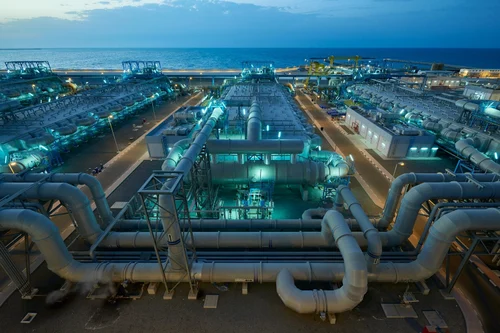
Chemical industries operate under some of the most corrosive and demanding environments. Stainless steel tubes used in reactors, acid circulation lines, scrubbers, and condensers are constantly exposed to aggressive chemicals like sulfuric acid, hydrochloric acid, chlorides, and high-pressure steam.
Choosing the wrong material could lead to rapid corrosion, pitting, or stress corrosion cracking (SCC)—causing leakage, contamination, and unplanned shutdowns. That’s why selecting acid-resistant stainless steel tubing is essential for safe and efficient chemical plant operations.
Recommended Stainless Steel & Alloy Tubes for Chemical Environments
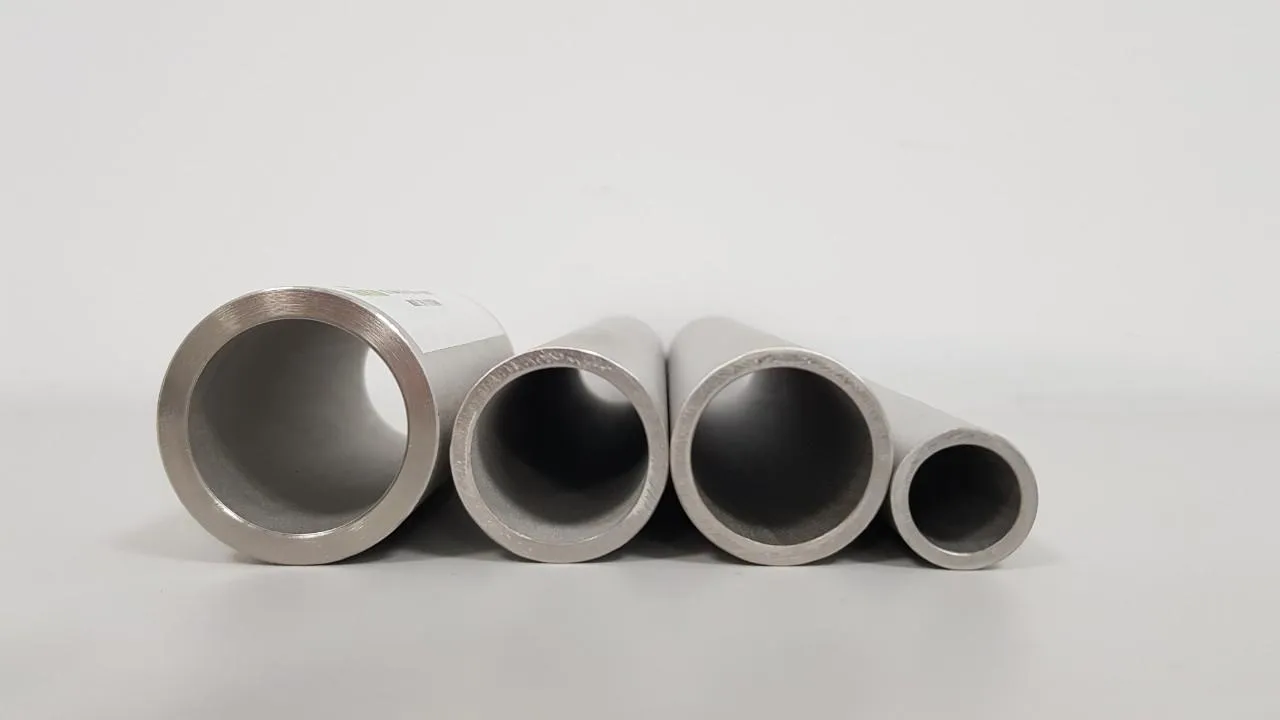
1. 316L / 316Ti — Enhanced Corrosion Resistance
- Molybdenum content improves resistance to acid and chloride attack
- 316Ti offers added stability at high temperatures and against sensitization
- Common in acid wash lines, chemical transfer tubing, and reactors
2. 317L — High Moly Austenitic Tube
- Higher Mo (3–4%) content than 316L, making it ideal for sulfuric and acetic acid handling
- Used in chemical processing towers, absorbers, and marine-based chemical systems
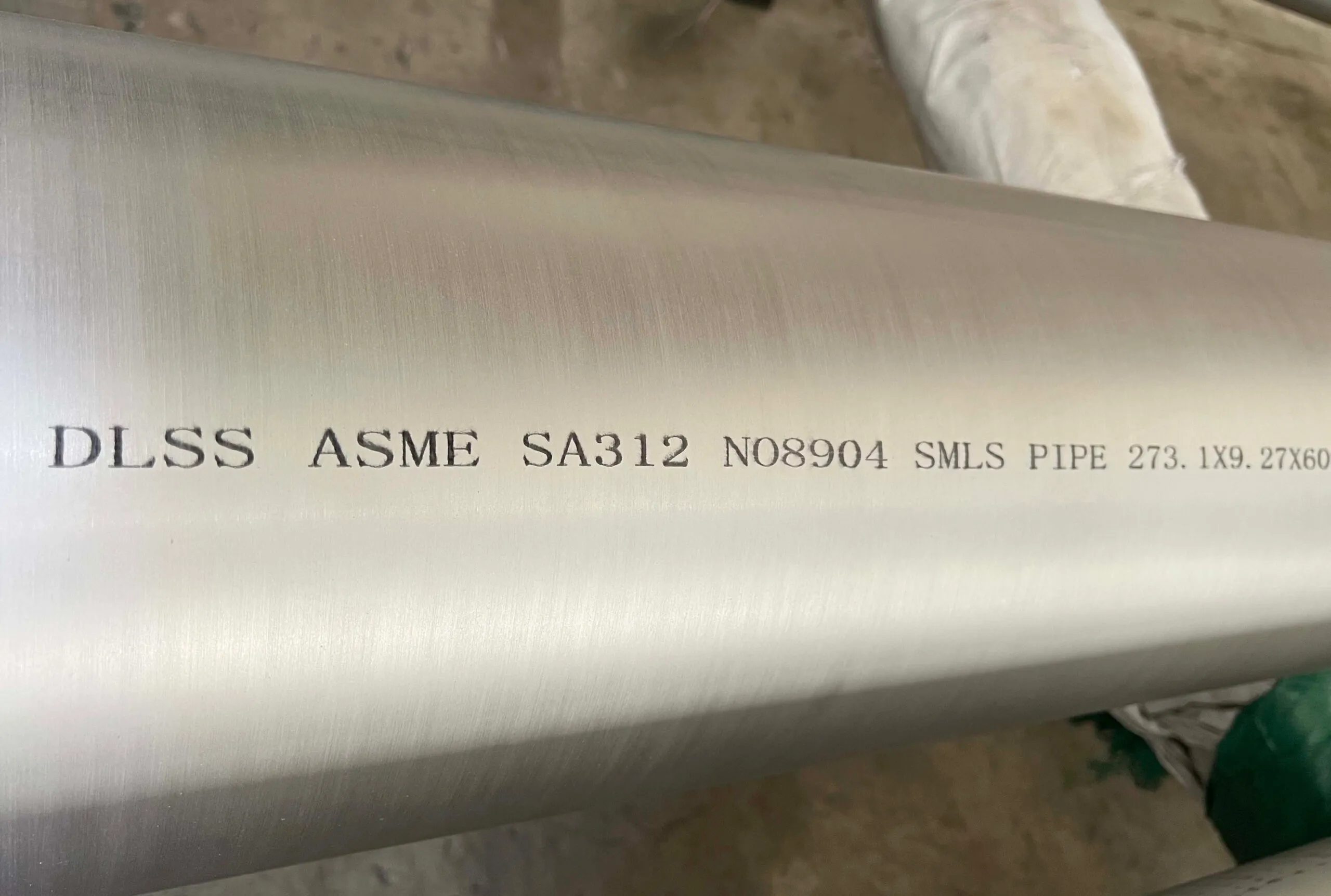
3. 904L — Super Austenitic Stainless Steel
- Resists hot sulfuric acid, phosphoric acid, and chloride-rich media
- Superior to 316L in mixed acid environments
- Used in fertilizer plants, phosphoric acid plants, and chlor-alkali systems
4. 254SMo — For Aggressive Chloride & Crevice Conditions
- Extremely high resistance to pitting, crevice corrosion, and SCC
- Excellent alternative to nickel alloys in harsh acidic or chloride applications
- Applied in bleach plants, chemical heat exchangers, scrubbers
5. Alloy 20 / Hastelloy C276 / C22 — For Extreme Chemical Environments
- Designed for highly concentrated sulfuric acid, nitric acid, and hydrochloric mixtures
- Hastelloy C276 is one of the most corrosion-resistant materials available
- Used in pharmaceutical reactors, waste gas scrubbers, and high-purity acid systems
Material Selection Criteria for Chemical Industry Tubing
| Criterion | Engineering Significance |
|---|---|
| Corrosion Resistance (CPT/CRE) | Essential for acids, halides, oxidizers, and reducing agents |
| Pitting Resistance Equivalent (PREN) | High PREN indicates superior localized corrosion resistance |
| Weldability and Fabrication | Impacts installation, joint reliability, and stress crack prevention |
| Resistance to Stress Corrosion Cracking | Prevents failure in warm, acidic, or chloride-rich service |
| Compliance Standards | ASTM A312, A213, A269, NACE MR0175, ISO 15156, EN 10216-5 |
Global Chemical Sector Tubing Demand Trends
- Latin America and India are investing heavily in fertilizer and sulfuric acid production, requiring 904L and Alloy 20 tubing
- Southeast Asia’s specialty chemical and API (Active Pharmaceutical Ingredient) sectors prefer C276 and 254SMo for high-purity acid systems
- Europe’s green chemical expansion is boosting demand for corrosion-resistant stainless steel tubes in bio-refineries and waste recovery plants
DLSS Technical Perspective
“Acid resistance isn’t just about molybdenum content. Clients need to consider temperature, pressure, acid concentration, and whether the fluid is static or flowing. We help customers compare real-world case data before selecting 316L, 904L, or C276.”
— DLSS Chemical Project Specialist
Frequently Asked Questions (FAQ)
Q1: Can 316L be used for sulfuric acid service?
Only for dilute or cold sulfuric acid. For concentrated or hot acid, use 904L, 254SMo, or Alloy 20.
Q2: What’s the best stainless steel tube for hydrochloric acid?
Hydrochloric acid is extremely aggressive. Hastelloy C22 or C276 are safer choices.
Q3: Is 904L a cost-effective alternative to nickel alloys?
Yes. In moderately aggressive acid environments, 904L provides excellent resistance at lower cost than full nickel-based alloys.
Conclusion: Invest in Corrosion-Resistant Tubing for Chemical Processing Safety
Chemical processes are unforgiving. Tubing failures mean leakage, hazardous exposure, and expensive downtime. DLSS supplies high-alloy stainless steel tubes that meet the highest corrosion resistance standards, tailored for acid service, process safety, and long-term plant reliability.
Whether you’re working with sulfuric, phosphoric, or hydrochloric acid, our team helps you identify the best tubing grade with complete documentation and third-party testing.