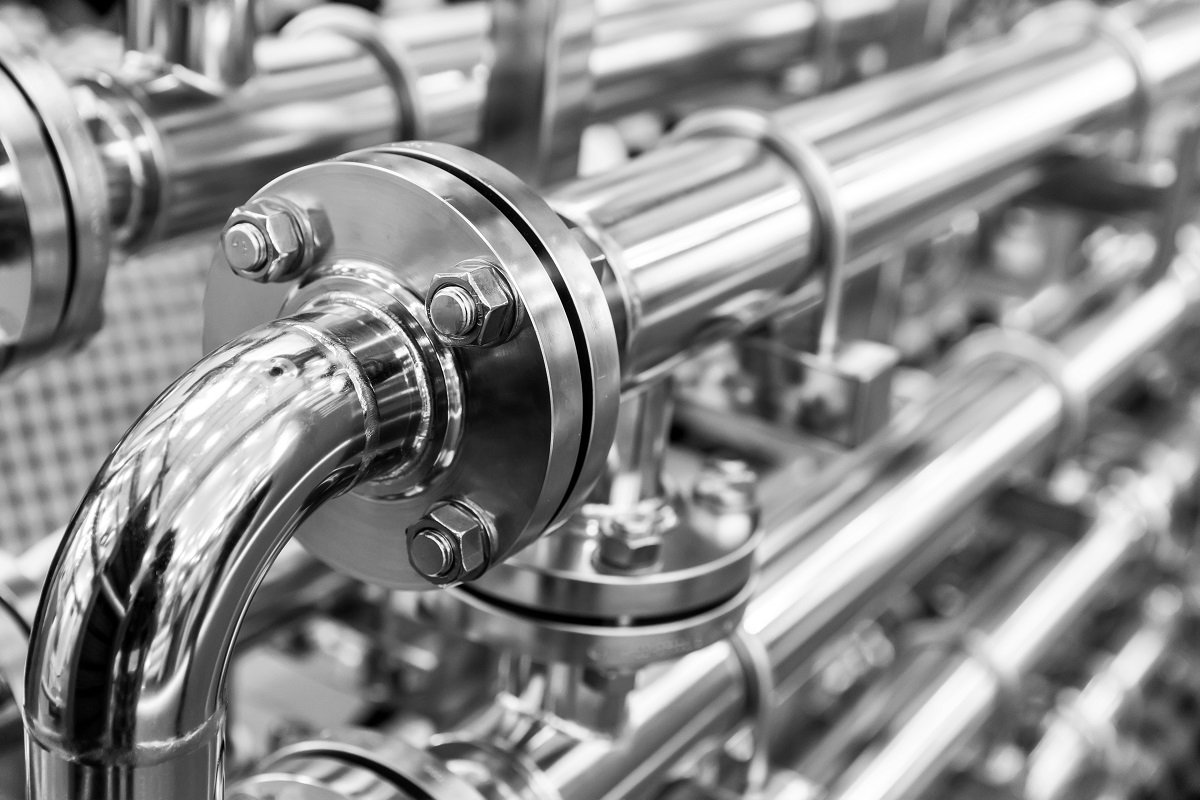
TP316L Stainless Pipes for Japan’s Chemical Processing Plants – 日本化学プラント向けTP316Lステンレス管

DLSS - Market Insights – Japan - TP316L Stainless Pipes for Japan’s Chemical Processing Plants – 日本化学プラント向けTP316Lステンレス管

Introduction

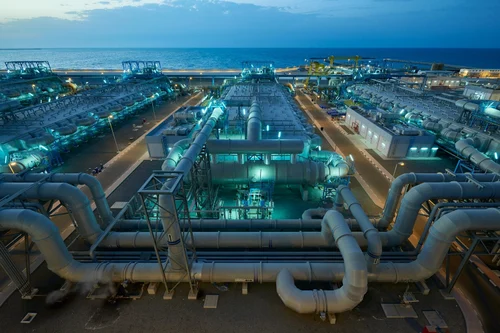
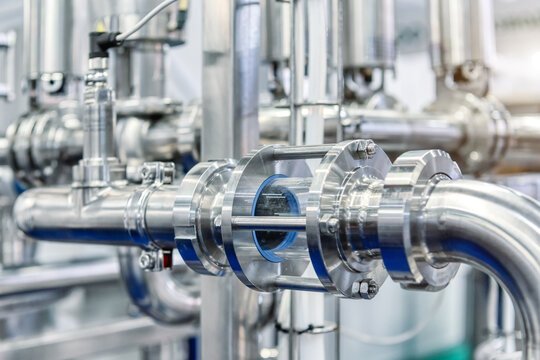
Japan’s chemical industry demands high-performance stainless steel pipes capable of withstanding aggressive media and high temperatures. TP316L stainless pipes by DLSS meet JIS G3459 – Stainless Steel Pipes for Corrosion Resistance, ensuring durability, weldability, and excellent resistance to chloride-induced corrosion common in Japanese chemical processing plants.


1. Why TP316L for Japan’s Chemical Industry(日本化学産業でTP316Lが選ばれる理由)

  • Low Carbon Content – minimizes carbide precipitation during welding
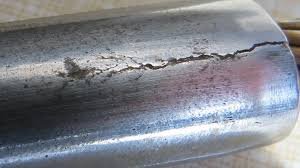
  • High Molybdenum Content – superior pitting resistance in chloride environments
  • JIS + ASTM Compliance – dual standard supply for global compatibility

2. JIS-Compliant Manufacturing(JIS規格準拠の製造)

DLSS produces JIS-certified stainless steel pipes in TP316L with:

  • Strict dimensional tolerances
  • Smooth inner surface finish (Ra ≤ 0.8 μm)
  • 100% hydrostatic testing

3. Common Applications in Japanese Chemical Plants(日本化学プラントでの主な用途)

  • Acid and alkali transfer lines
  • High-temperature steam and condensate piping
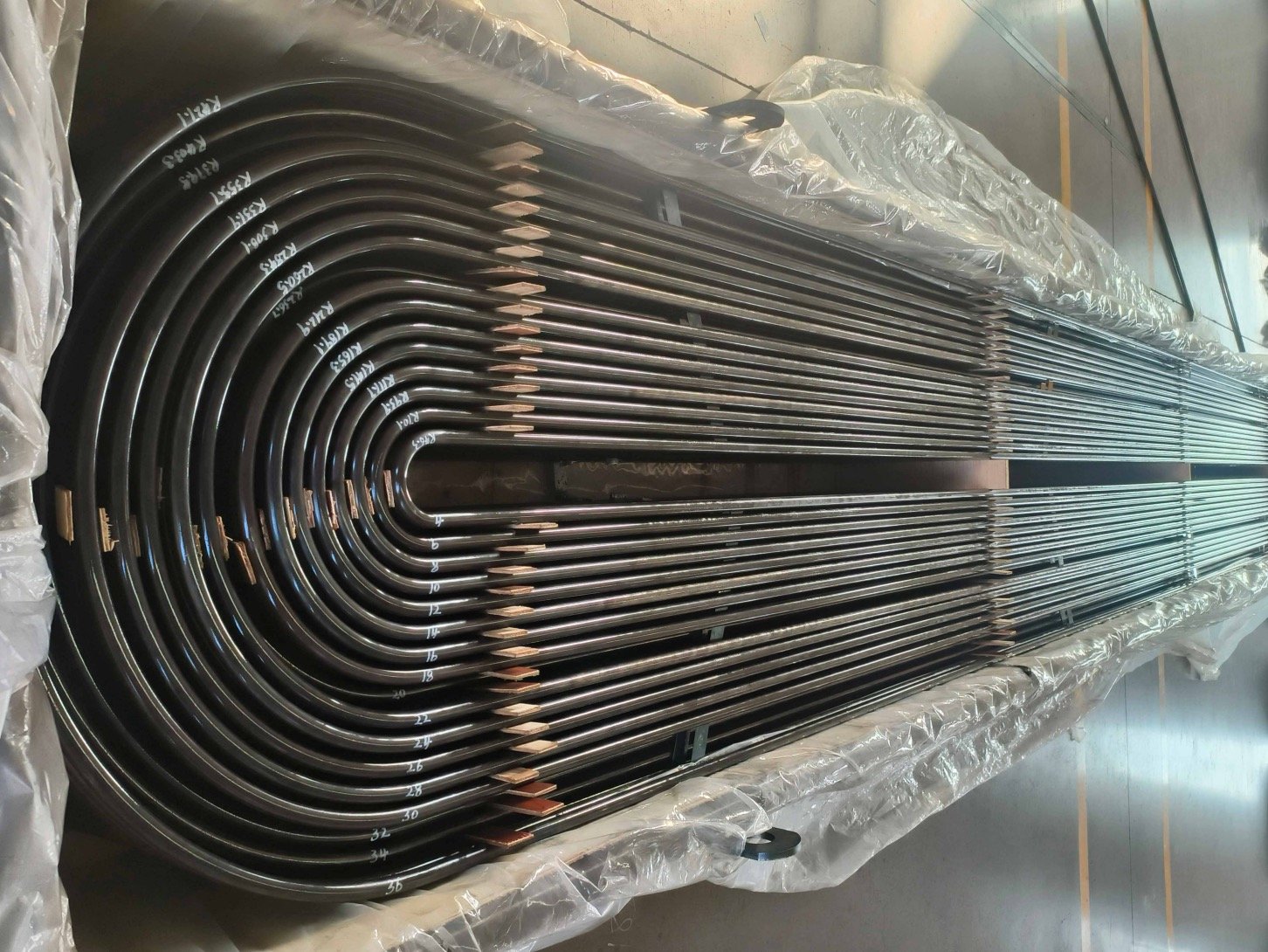
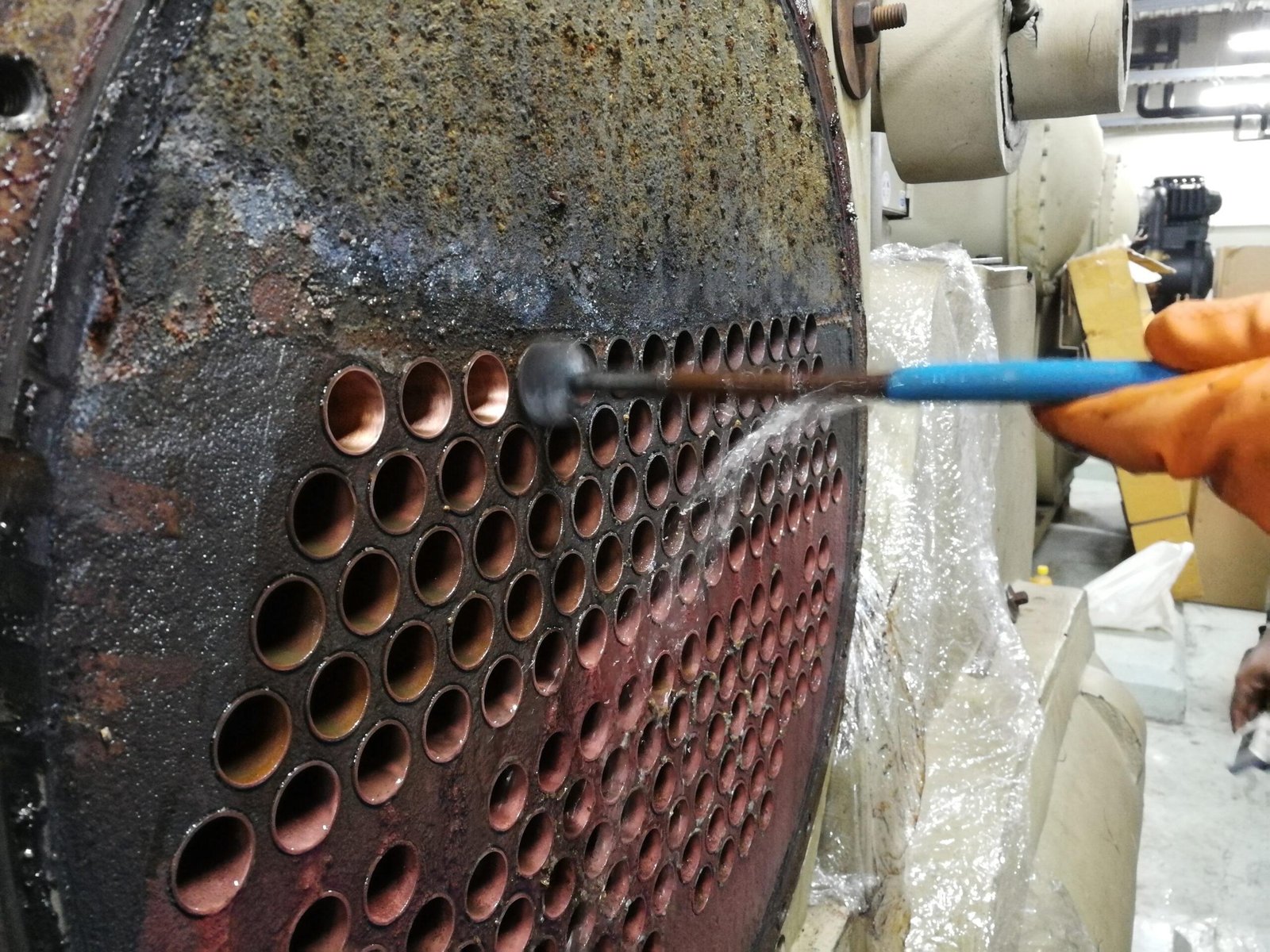
  • Process heat exchangers
  • Chloride-rich cooling systems

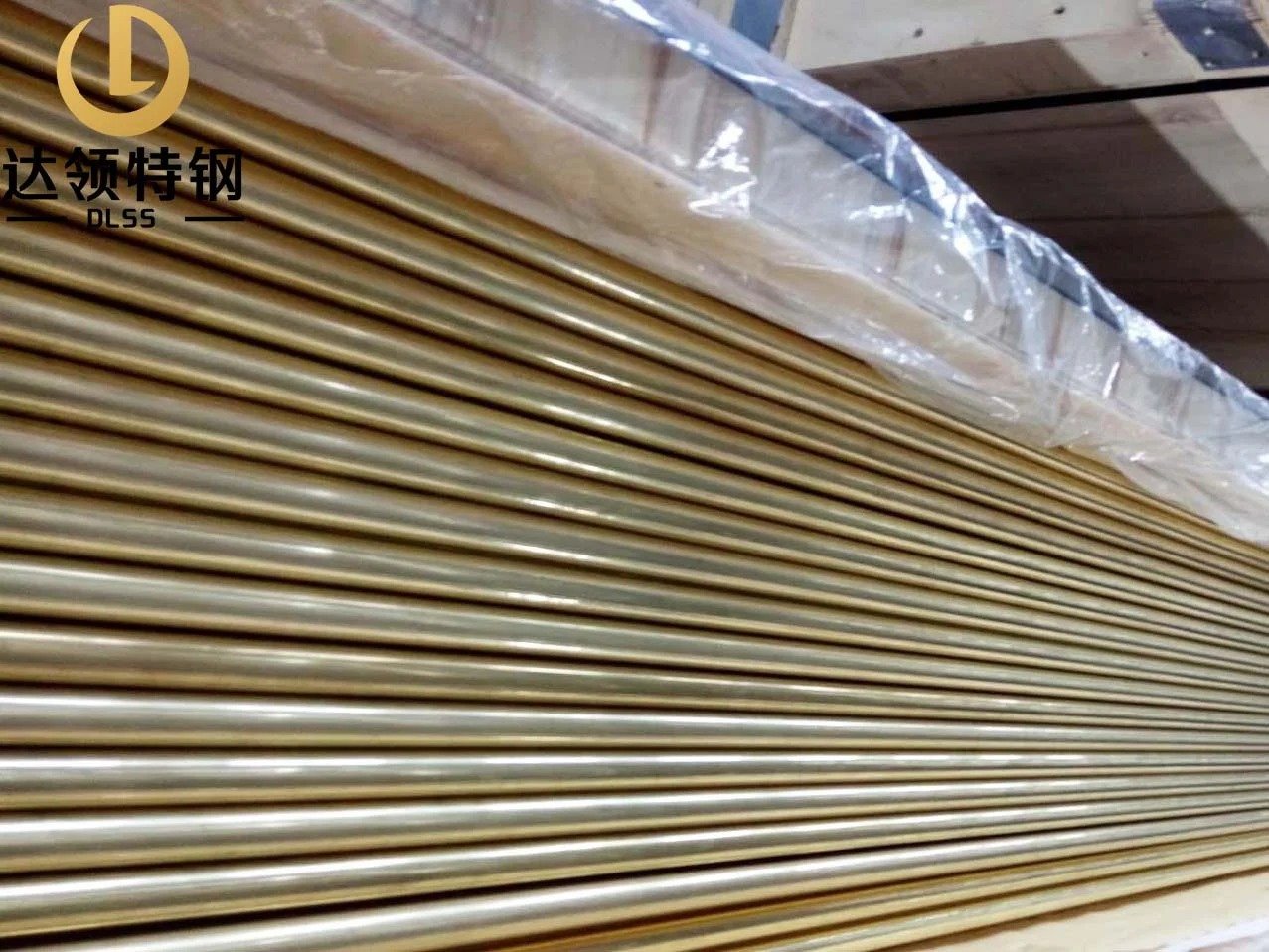
4. Packaging & Export for Japan(日本向け輸出梱包)

We ensure safe delivery with:


5. Advantages of Partnering with DLSS(DLSSと提携するメリット)

  • Over 30 years of stainless steel manufacturing experience
  • Expertise in heat exchanger tubes and custom solutions
  • Reliable delivery to major Japanese ports including Tokyo, Osaka, and Nagoya

FAQ(よくある質問)

Q1: Which JIS standard covers TP316L stainless pipes in Japan?
A1: JIS G3459 – Stainless Steel Pipes for Corrosion Resistance is the main applicable standard.

Q2: What’s the difference between TP316 and TP316L?
A2: TP316L has lower carbon content, reducing the risk of sensitization during welding, making it ideal for chemical plant applications.

Q3: Can DLSS supply TP316L pipes with dual JIS and ASTM certification?
A3: Yes, we offer dual-certified materials for projects requiring both Japanese and international standards.

Q4: How are TP316L pipes tested before shipping to Japan?
A4: We perform hydrostatic tests, eddy current tests, and visual inspections to ensure compliance.

Q5: What is the lead time for TP316L stainless pipes to Japan?
A5: Standard production time is 35–45 days depending on size and order volume.

Wonderful! Share This Case:

Austenitic Stainless Steel

Duplex Stainless Steel

Nickel Alloys

▪ Incoloy Family

▪ Inconel Family

▪ Monel Family

▪ Hastelloy Family

▪ Other Special Alloys

Cobalt Alloys

Related Posts

Understanding EN 10204 3.1 vs 3.2: Certification Types for Stainless Steel Tubes

Understanding EN 10204 3.1 vs

Meta Description:Learn the key differences between EN 10204 3.1 and 3.2 material certificates for stainless steel tubes. Understand which certificate your project needs and how DLSS ensures compliance. Introduction Material certification is essential for traceability and quality assurance in the supply of stainless steel tubes, especially in industries like oil & gas, power generation, and […]

Read More
electropolished-tube-id-ra-035

Sanitary Stainless Steel Tubes in

Meta Description:Discover how sanitary stainless steel tubes support hygiene, durability, and regulatory compliance in food & beverage processing plants across South America. Introduction As the food and beverage sector in South America expands rapidly—with leading producers in Brazil, Chile, and Argentina—hygiene and quality control are more critical than ever. From dairy lines in São Paulo […]

Read More
How to Size a Shell and Tube Heat Exchanger: Key Design Parameters

How to Size a Shell

1. Introduction – Shell and Tube Heat Exchanger Sizing Proper shell and tube heat exchanger sizing ensures optimal performance, energy efficiency, and long service life. Incorrect sizing can lead to excessive pressure drops, fouling, or insufficient heat transfer. This guide outlines the key design parameters to consider when sizing a shell and tube heat exchanger, […]

Read More
Choosing the Right Pipe Materials for the Oil & Gas Industry

Choosing the Right Pipe Materials

Meta Description:The oil & gas industry demands corrosion-resistant, high-pressure-rated piping solutions. Learn how to select the best pipe materials for upstream, midstream, and downstream applications. Introduction In the oil and gas sector, pipelines are more than just infrastructure—they are lifelines of the operation. From offshore rigs and sour gas fields to refineries and LNG terminals, […]

Read More
Understanding ASTM A213 – Seamless Tubes for Heat Exchangers and Boilers

Understanding ASTM A213 – Seamless

Meta Description:Learn everything about ASTM A213: scope, material grades, dimensional tolerances, mechanical properties, and test methods. Ideal for engineers, buyers, and project managers working with heat exchanger and boiler tubing. Introduction ASTM A213 is one of the most critical international standards for seamless ferritic and austenitic alloy steel tubes, especially those used in boilers, superheaters, […]

Read More
Finned Tube Cleaning and Maintenance Best Practices – Keep Your Heat Exchanger at Peak Performance

Finned Tube Cleaning and Maintenance

Finned tube cleaning and maintenance are critical to ensuring optimal heat transfer performance and extending the service life of heat exchangers. Without proper care, fouling, corrosion, and fin damage can reduce efficiency and increase operating costs. For background on preventing fouling, read our article How to Prevent Corrosion and Fouling in Finned Tubes. If you […]

Read More
Stainless Steel Tubes for Hydrogen Production and Electrolysis Systems

Stainless Steel Tubes for Hydrogen

Meta Description:Explore the role of stainless steel seamless tubes in hydrogen production and electrolysis systems. Understand material selection, corrosion challenges, and how DLSS supports green energy. Introduction As the global push toward green hydrogen accelerates, the materials used in hydrogen production systems are under intense scrutiny. Stainless steel tubes—especially those used in electrolyzers, high-pressure pipelines, […]

Read More
Titanium Tubes vs Stainless Steel Tubes: Which One is Right for Your Heat Exchanger?

Titanium Tubes vs Stainless Steel

Meta Description:Compare titanium tubes and stainless steel tubes in terms of corrosion resistance, mechanical strength, cost, and applications. Find out which is the better material for your heat exchanger or industrial system. Introduction In corrosive or high-performance environments—such as desalination, chemical processing, or marine applications—material selection is crucial. Two common choices for heat exchanger tubing […]

Read More

Request A Quote

*We respect your confidentiality and all information are protected.