Meta Description:
Explore why finned tubes are dominating the heat exchanger tubing market in 2025. Learn about materials, applications, design tips, and best practices for selecting high-efficiency finned tubing.
Overview & Industry Outlook
Finned tubes are rapidly gaining attention in 2025 due to their unmatched ability to enhance thermal transfer efficiency in compact spaces. According to MarketWatch, the finned tube heat exchanger market is projected to reach USD 20+ billion globally, driven by the expanding needs of HVAC systems, power generation, petrochemicals, and industrial process cooling.
What Makes Finned Tubes So Effective?
Finned tubes increase the external surface area available for heat exchange between fluids or gases, especially when air is involved. This significantly improves thermal efficiency without increasing equipment footprint.
Key benefits include:
- Enhanced heat transfer coefficient
- Reduced energy consumption
- Lower equipment size and weight
- Long service life in corrosive environments
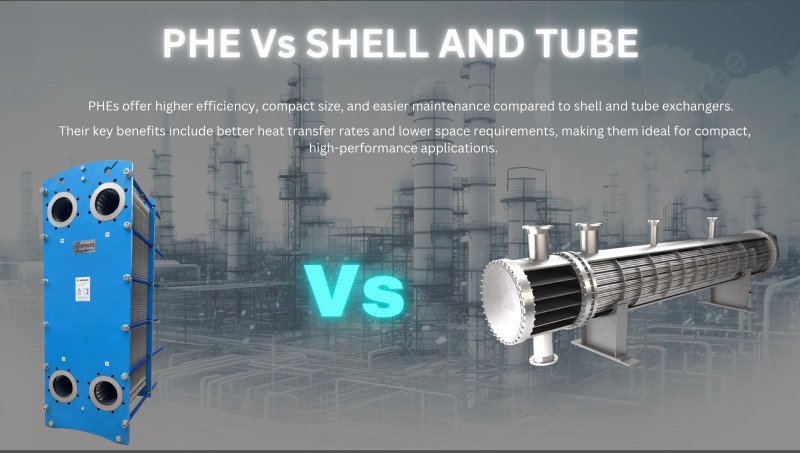
They are widely used in shell-and-tube exchangers, air coolers, boilers, and condensers where maximizing thermal output is critical.
Types of Finned Tubes and Configurations
The geometry of a finned tube determines its effectiveness in various environments. Common designs include:
- Longitudinal fin tubes: Used in horizontal or vertical shell-and-tube heat exchangers.
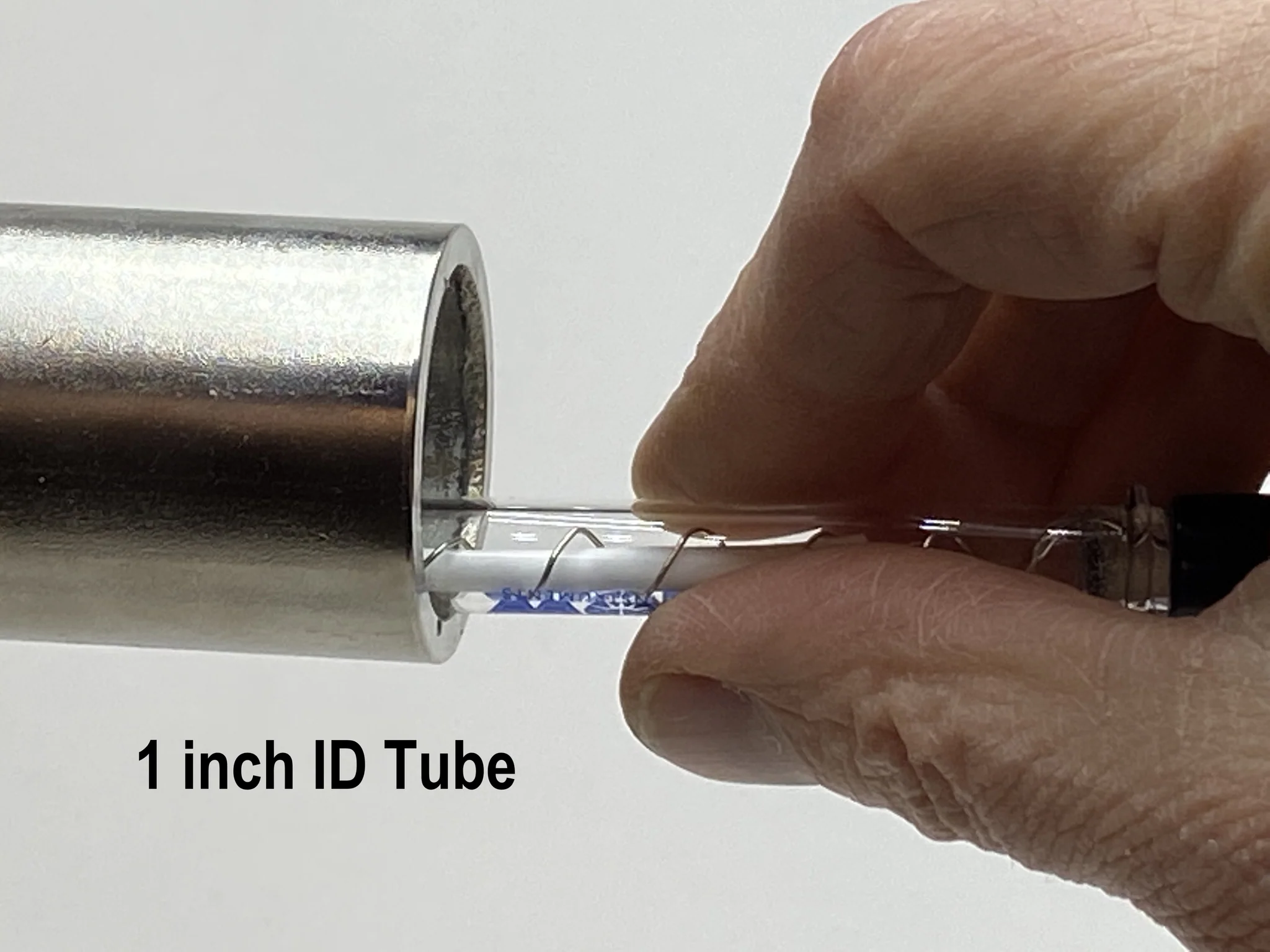
- Spiral fin tubes: Ideal for compact air-cooled exchangers.
- Embedded or extruded fin tubes: Offer superior thermal contact.
- Low-fin tubes: Popular in HVAC and refrigeration due to their compact design.
For a complete understanding of configurations, refer to the API 661 specification on air-cooled heat exchangers.
Key Applications of Finned Tubes
Finned tubing is essential in numerous industries:
| Sector | Application | Recommended Tube Material |
|---|---|---|
| Oil & Gas | Air-cooled exchangers, offshore gas coolers | CuNi, SS316L, Incoloy |
| Power Generation | Economizers, condensers | Carbon steel, SS304, SS321 |
| HVAC & Refrigeration | Evaporators, condensers, rooftop coolers | Aluminium, copper, SS304 |
| Petrochemicals | Heat recovery exchangers, reactors | SS316Ti, 2205 Duplex |
| Marine | Seawater cooling units | CuNi 90/10, CuNi 70/30 |
These applications demand high-performance corrosion resistance, fouling control, and long-term heat efficiency.
Market Trends in 2025
Several factors are contributing to the growing demand for finned tubes:
- Rising energy efficiency standards in HVAC and industrial plants
- Carbon reduction targets and sustainable heat recovery solutions
- Increased usage in green hydrogen and waste heat utilization
- Greater preference for low-maintenance materials like Duplex stainless steel
How to Select the Right Finned Tube
Choosing the best finned tube involves balancing thermal performance, corrosion resistance, mechanical strength, and budget. Consider these factors:
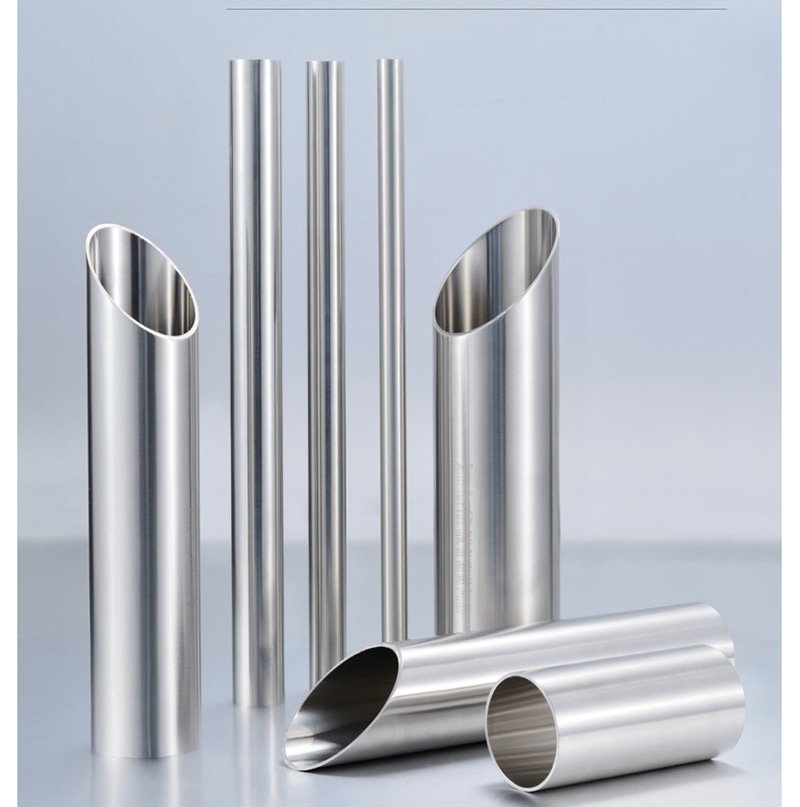
- Tube material: Stainless steel (304L, 316L), copper, CuNi, Inconel, or titanium for aggressive environments
- Fin type: Embedded for harsh conditions; low-fin for general cooling
- Fin pitch and height: Affects fouling resistance and airside heat transfer
- Manufacturing quality: Ensure compliance with ASTM A213 or ASME Section VIII
DLSS Capabilities for Finned Tubes
DLSS specializes in high-quality custom finned tubes manufactured from:
- Seamless stainless steel
- CuNi 70/30 and 90/10
- Incoloy 825, 800H, 625
- Carbon steel, SA-179, SA-210
- ASTM B163, B111, B338 materials
We support:
- OEM specification reviews
- Full testing: eddy current, hydro, PMI, hardness
- Surface treatments: pickled, bright annealed, passivated
- Export packaging with seaworthy protection
Frequently Asked Questions (FAQs)
Q1: What is the difference between low-fin and high-fin tubes?
Low-fin tubes have short, dense fins and are used in compact systems like HVAC. High-fin tubes offer greater surface area for more demanding industrial systems.
Q2: Which materials are best for saltwater environments?
CuNi 70/30 and titanium are the top choices due to their excellent resistance to marine corrosion and biofouling.
Q3: Can finned tubes be cleaned easily?
Yes. Proper fin spacing and anti-fouling coatings reduce blockage. DLSS also offers consultation for cleaning-friendly fin designs.
Q4: Do you supply custom tube lengths and bends?
Absolutely. DLSS can fabricate finned tubes in custom lengths, bends, or U-shaped configurations as per drawing or standards.
Conclusion
As energy efficiency, compact system design, and environmental compliance become more critical, finned tubes will continue to dominate modern heat exchanger technologies. Choosing the right materials, geometry, and manufacturing partner is key to long-term performance.
Contact DLSS
Email: info@dlsspipe.com
Website: www.dlsspipeline.com
DLSS is your trusted partner for precision-engineered finned tubes, built to withstand corrosion, thermal stress, and the world’s toughest working environments.