How to Select Tubing for High-Pressure Applications – A Practical Guide

DLSS - Pipe&Tube - How to Select Tubing for High-Pressure Applications – A Practical Guide

Meta Description:
Choosing tubing for high-pressure systems? Learn how to select the right material, wall thickness, and standards for safe and reliable performance in oil & gas, chemical, and hydraulic applications.


Introduction

In high-pressure systems, tubing failure isn’t just costly—it can be catastrophic. Whether you’re building an offshore platform, a hydraulic power unit, or a supercritical fluid system, choosing the right tubing is critical.

This guide breaks down the key factors to consider when selecting high-pressure stainless steel and alloy tubing, including pressure rating, material strength, wall thickness, and relevant standards.


1. Define the Working Pressure and Safety Factor

Your tubing must safely handle the system’s maximum operating pressure (MOP). Add a design safety factor, typically:

  • 2:1 for industrial use
  • 4:1 for human exposure or critical safety zones

Use formulas or tools like the ASME B31.3 pipe pressure calculator.


2. Choose the Right Tube Size and Wall Thickness

Tube strength is influenced by:

  • Outer Diameter (OD)
  • Wall Thickness (WT)
  • Material Yield Strength

For example, for TP316L tube:

  • 12.7 mm OD × 2.11 mm WT → Pressure rating ~ 400 bar (based on 1.5 safety factor)

Tip: Thicker walls increase burst pressure but reduce flexibility and add cost.


3. Material Selection for High Pressure

Common Materials:

MaterialUNS No.Yield Strength (MPa)Key Features
TP316LS31603170–310Corrosion-resistant, cost-effective
Duplex 2205S32205450–550Double strength vs austenitic, good weldability
Super Duplex 2507S32750550–650Excellent chloride resistance
Inconel 625N06625400–550Extreme temp and corrosion stability
Hastelloy C-276N10276300–450Ideal for harsh chemical environments

DLSS manufactures all the above materials in seamless tubing, ensuring no weak weld seams.


4. Standards to Consider

For high-pressure tubing, the following standards apply:

StandardScope
ASTM A213Seamless tubes for boilers & heat exchangers
ASTM A269General-purpose SS tubing
ASTM A789Duplex stainless steel tubing
ASTM B444Inconel 625 seamless tubing
EN 10216-5Stainless steel tubes for pressure purposes
ASME B31.3Design rules for pressure piping systems

Make sure the tube is supplied with EN 10204 3.1 / 3.2 certificates and relevant NDT reports (UT, ET, hydrotest).


5. Important Tests for High-Pressure Tubing

  • Hydrostatic Test: Verifies pressure integrity
  • Ultrasonic Test (UT): Detects subsurface flaws
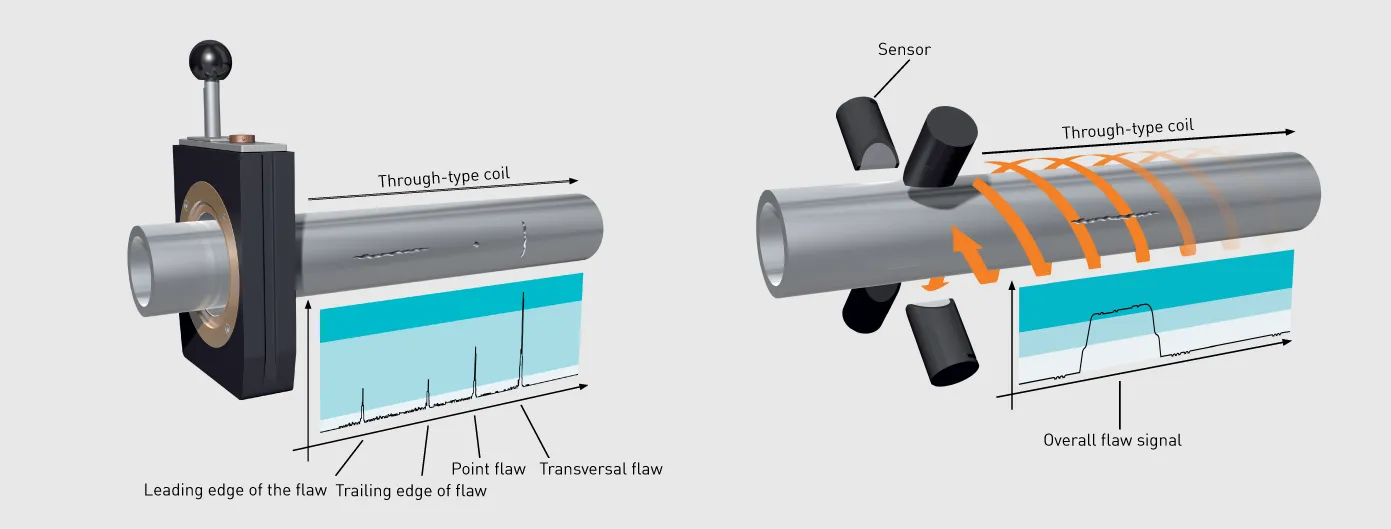
  • Eddy Current Test (ET): Detects surface cracks and inclusions
  • Hardness Test: Especially for sour-service or brittle failure risks
  • Flattening & Flaring Test: Confirms ductility

Learn more: ASTM A1016 Testing Protocols


6. DLSS Capabilities for High-Pressure Tubes

  • OD Range: 6 – 60 mm
  • Wall Thickness: 1.0 – 6.0 mm
  • Pressure Rating: Up to 1000 bar (depends on size/material)
  • Finishes: Bright annealed, pickled, polished
  • Documentation:
    • Hydrostatic test report
    • EN 10204 3.1/3.2 MTC
    • NDT summary
    • PMI & hardness test

FAQs

Q1: Can I use welded tubes for high-pressure?
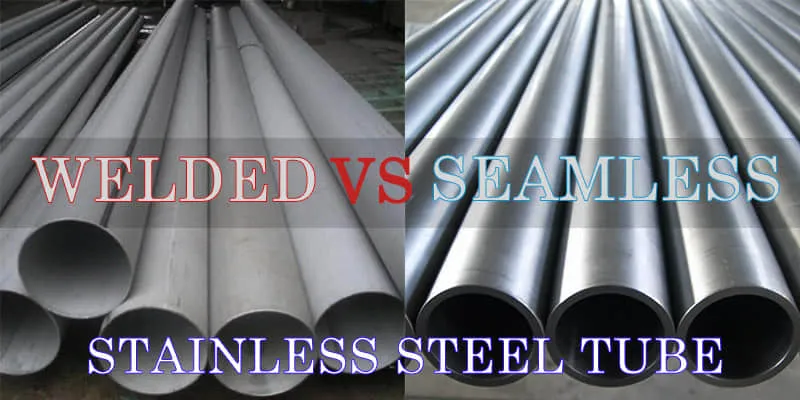
Welded tubes may be acceptable, but seamless is always preferred for pressure-critical applications.

Q2: What’s the difference between nominal pressure and burst pressure?
Nominal (working) pressure includes safety factors. Burst pressure is the point of failure under ideal conditions.

Q3: Do you offer pressure rating calculations?
Yes. DLSS provides engineering support and pressure rating charts upon request.

Q4: Can tubing be customized for offshore installations?
Absolutely. We offer NORSOK-compliant materials and full marine packaging solutions.


Conclusion

Choosing the right tubing for high-pressure applications involves more than just selecting a material grade. It requires understanding system demands, mechanical properties, and rigorous testing standards. DLSS provides high-strength, high-integrity seamless tubing tailored to your application’s pressure, temperature, and corrosion requirements.


Contact DLSS
Email: info@dlsspipe.com
Website: www.dlsspipeline.com

Looking for high-pressure tubing for oil & gas, chemical, or energy sectors? DLSS engineers are ready to support your material selection and testing needs.


Wonderful! Share This Case:

Austenitic Stainless Steel

Duplex Stainless Steel

Nickel Alloys

▪ Incoloy Family

▪ Inconel Family

▪ Monel Family

▪ Hastelloy Family

▪ Other Special Alloys

Cobalt Alloys

Related Posts

The Role of Heat Treatment in Stainless Steel Tube Manufacturing

The Role of Heat Treatment

Meta Description:Understand the critical role of heat treatment in the manufacturing of stainless steel tubes. Learn about solution annealing, stress relieving, grain size control, and how these affect tube performance and quality. Introduction Heat treatment is not just a step in the production of stainless steel tubes—it is a fundamental quality determinant that affects corrosion […]

Read More
Custom Finned Tube Solutions for Offshore and Marine Applications

Custom Finned Tube Solutions for

Offshore oil platforms, marine vessels, and coastal industrial facilities require custom finned tube solutions that can withstand the challenges of seawater corrosion, high humidity, and continuous operation. At DLSS, we specialize in designing and manufacturing offshore and marine finned tube heat exchanger components with precision engineering and enhanced durability. For understanding different finned tube types, […]

Read More

How to Select Heat Exchanger

Introduction Heat exchanger tubes are the most critical components in shell and tube heat exchangers. They directly determine the heat transfer efficiency, corrosion resistance, and operational reliability of the entire system. Selecting the wrong tube material can result in serious issues such as: For engineers and procurement specialists, understanding how to properly select heat exchanger […]

Read More
316 vs 316L vs 316Ti stainless steel

316 vs 316L vs 316Ti

1. Overview In demanding industries such as heat exchangers, condensers, boilers, and pressure vessels, stainless steels of the 316 family are among the most widely used materials. However, choosing between 316, 316L, and 316Ti depends on factors like weldability, temperature stability, and corrosion resistance. At DLSS (Zhejiang Daling Special Steel Co., Ltd.), we supply all […]

Read More
Corrosion Protection in Underground Piping Systems: What You Need to Know

Corrosion Protection in Underground Piping

Meta Description:Underground pipelines are out of sight—but never out of risk. Learn how coatings, cathodic protection, and smart material choices prevent corrosion and extend service life. Introduction Underground pipes may be hidden, but the damage they suffer is very real. Whether transporting water, gas, or chemicals, buried pipelines face harsh, invisible threats—especially corrosion from soil […]

Read More
Heat Exchanger Troubleshooting Guide: Common Problems and How to Solve Them

Heat Exchanger Troubleshooting Guide: Common

1. Introduction – Heat Exchanger Troubleshooting A heat exchanger is a critical component in many industrial systems, and any performance issue can lead to reduced efficiency, higher operating costs, or even production downtime. This heat exchanger troubleshooting guide covers the most common problems, their likely causes, and practical solutions to get your system back on […]

Read More
How to Pass PMI, ET, and IGC Tests – Quality Control for Stainless Steel Tubes

How to Pass PMI, ET,

Meta Description:Learn how stainless steel tubes are tested with PMI, Eddy Current (ET), and Intergranular Corrosion (IGC) methods. Discover how DLSS ensures compliance and quality with international standards for critical applications. Introduction In high-performance industries—such as oil & gas, power generation, and pharmaceuticals—stainless steel tubes must pass rigorous testing to ensure reliability and safety. At […]

Read More
steel demand Global Market Outlook for Stainless Steel Seamless Pipes (2025–2030)

Global Market Outlook for Stainless

Meta Description:Explore global market trends, key drivers, and regional opportunities shaping the future of stainless steel seamless pipe demand between 2025 and 2030. Introduction The stainless steel seamless pipe industry is entering a new growth phase driven by infrastructure investments, energy transition, and decarbonization.From oil & gas to clean energy, seamless pipes play a vital […]

Read More

Request A Quote

*We respect your confidentiality and all information are protected.