How to Select the Right Stainless Steel Tube for Corrosive Environments – A Practical Guide

DLSS - Tubes For Heat Exchanger - How to Select the Right Stainless Steel Tube for Corrosive Environments – A Practical Guide

Meta Description:
Learn how to choose the best stainless steel tube for corrosive environments. Explore material selection, corrosion types, industry standards, and real-world applications.


Introduction

Corrosive environments are among the most demanding settings for stainless steel tubing. Choosing the wrong grade can lead to pitting, cracking, or total system failure—costing both time and money.

This practical guide from DLSS helps engineers and procurement specialists select the most appropriate stainless steel tube for various corrosive conditions, including chlorides, acids, marine atmospheres, and sour gas environments.


1. Identify the Type of Corrosion Risk

Corrosion TypeCharacteristicsCommon Environments
Pitting CorrosionLocalized holes due to chloridesSeawater, desalination, cleaning chemicals
Crevice CorrosionOccurs in tight gaps under low oxygenHeat exchanger joints, gaskets
Stress Corrosion Cracking (SCC)Cracks under tensile stress + corrosionSteam lines, high-temp chloride service
Intergranular CorrosionAlong grain boundaries after weldingImproperly stabilized grades
General CorrosionUniform attackAcid tanks, pickling lines

Related guide: Outokumpu Corrosion Handbook (PDF)


2. Compare Common Stainless Grades for Corrosion Resistance

GradeCorrosion StrengthKey Use Cases
304/304LModerate (non-chloride)Water lines, food-grade environments
316/316LGood (chlorides < 100 ppm)Marine, food processing, pharma
317LHigher chloride resistanceChemical tanks, coastal HVAC
904LExcellent in acids + chloridesAcid plants, pulp mills
Duplex 2205Superior strength + SCC resistanceOffshore, pressure vessels
Alloy 625Extreme acid/chloride resistanceChemical reactors, sour gas

Check composition reference: Atlas Steels Technical Handbook


3. Key Selection Criteria

a) Chloride Levels

  • <100 ppm: TP316L is sufficient
  • 100–500 ppm: TP317L, 904L, or Duplex 2205
  • 500 ppm: 254SMO, Alloy 625, or titanium alloys

b) Temperature

  • Elevated temperatures accelerate corrosion
  • TP321, TP347, and high-nickel alloys resist high-temp degradation

c) Weldability & Fabrication

  • L-grades reduce carbide precipitation during welding
  • Duplex requires controlled welding parameters to avoid phase imbalance

d) Design Life Expectations

  • Assess LCC (Life Cycle Cost) rather than just unit price
  • Better material upfront = lower maintenance, fewer shutdowns

4. DLSS Tube Offerings for Corrosive Conditions

MaterialTypical FormCertifications Available
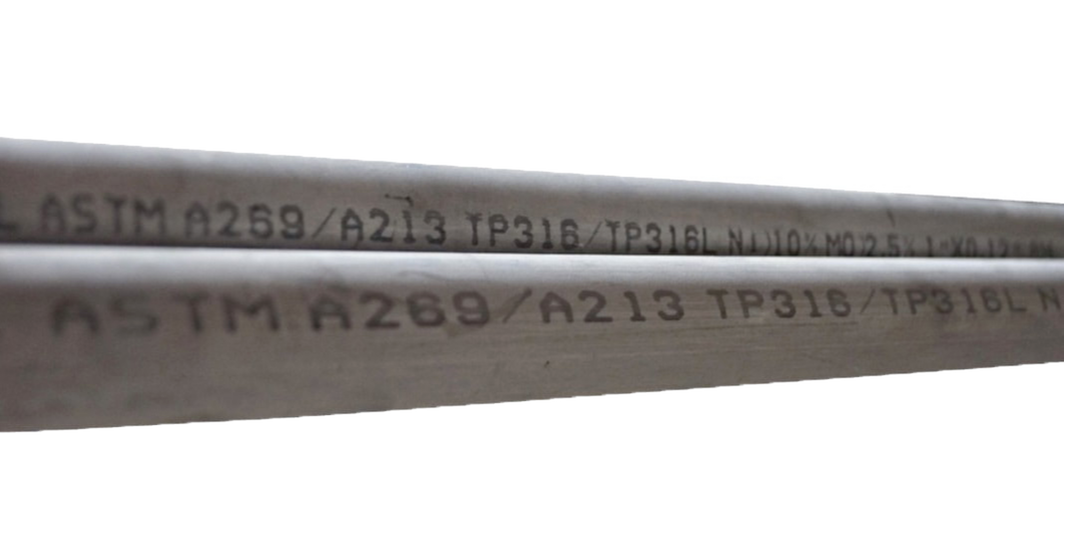
TP316L / TP317LSeamless / BA / U-bendASTM A213 / EN 10216-5 / PED
904L / 1.4539Seamless + Bright AnnealedNACE MR0175 / ISO 15156
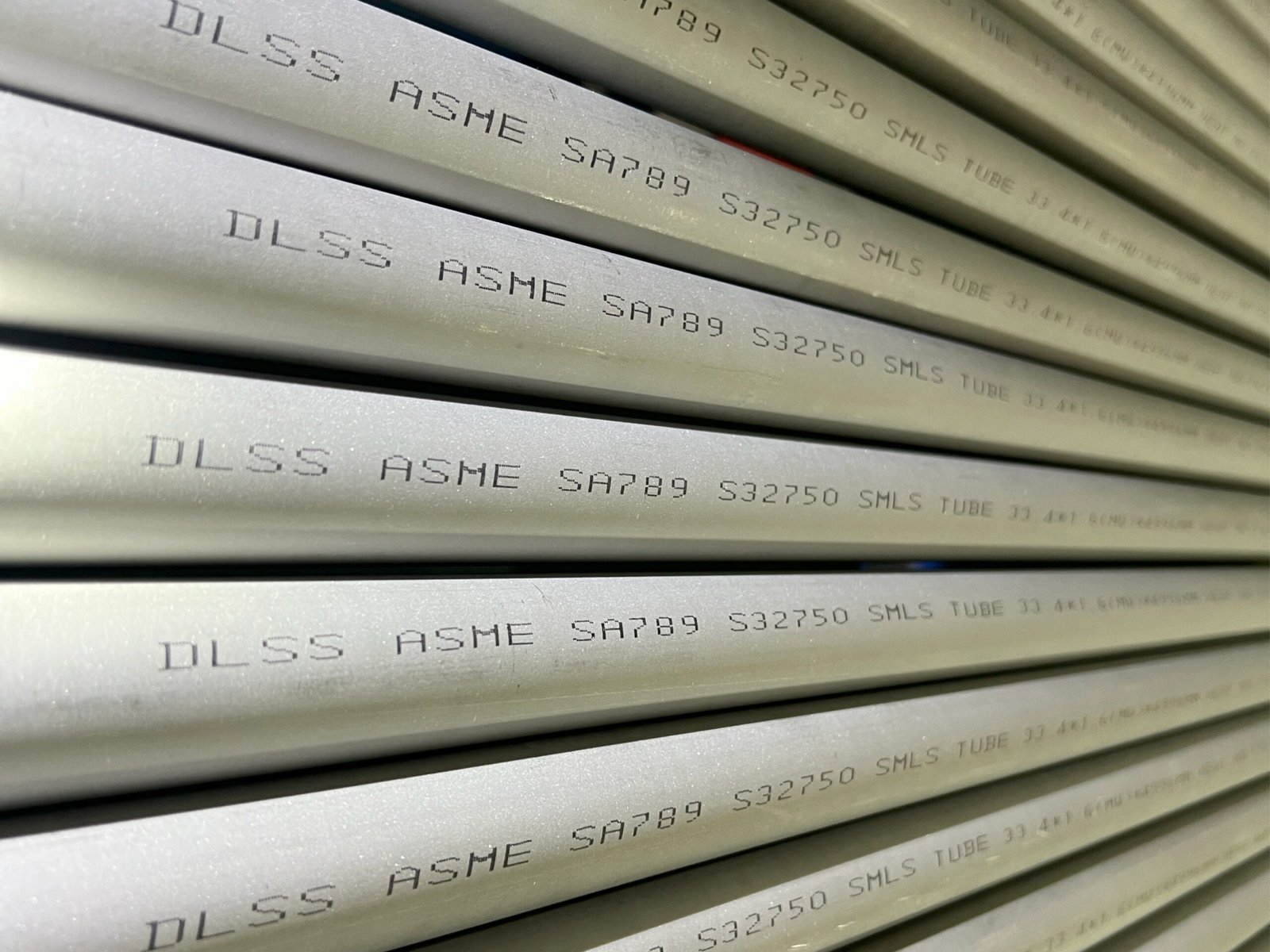
Duplex 2205 / 2507Annealed + pickledASME SA789 / 3.1 / 3.2 MTC
Alloy 625 / 825Seamless tube or coilASTM B444 / B163 / AD2000-W0

Full chemical and mechanical data sheets available at www.dlsspipeline.com


5. Real-World Examples

Marine Desalination Plant – Middle East

  • Grade: TP316L
  • Application: Seawater pre-treatment
  • Result: Replaced TP304 due to pitting, extended lifespan by 5+ years

Acid Storage Tank Lines – South America

  • Grade: 904L
  • Fluid: Diluted sulfuric acid
  • Result: 10-year corrosion-free operation, no major shutdowns

Offshore Platform – North Sea

  • Grade: Duplex 2205
  • Application: Oil/gas condensate lines
  • Result: Zero SCC over 7 years, withstands salt spray and vibration

FAQs: Corrosion-Resistant Tubing Selection

Q1: Is 316L always safe for chloride environments?
A: Not always. Above 100 ppm chloride or at high temps, 316L may pit. Consider 317L, 904L, or Duplex instead.

Q2: Which grades resist sulfuric acid best?
A: 904L, Alloy 20, and Alloy 625 are well-known for sulfuric acid resistance.

Q3: What testing is available for corrosion-sensitive tubes?
A: DLSS offers PMI, ET, IGC testing (per ASTM A262), and grain size testing for stabilized grades.

Q4: Can I get third-party certification?
A: Yes. We offer TÜV, SGS, or Lloyd’s certification on request for special projects.


Conclusion

Choosing the right stainless steel tube for a corrosive environment is a balance of material science, application conditions, and long-term value. DLSS supports clients with expert consultation, test-backed material quality, and global delivery of corrosion-resistant tubing.


Contact DLSS
Email: info@dlsspipe.com
Website: www.dlsspipeline.com

Still unsure which alloy fits your corrosive service? Contact DLSS for a corrosion risk evaluation, datasheet package, and quote.

Wonderful! Share This Case:

Austenitic Stainless Steel

Duplex Stainless Steel

Nickel Alloys

▪ Incoloy Family

▪ Inconel Family

▪ Monel Family

▪ Hastelloy Family

▪ Other Special Alloys

Cobalt Alloys

Related Posts

Nickel Alloys vs Stainless Steel Tubes – When and Why to Choose Each

Nickel Alloys vs Stainless Steel

Meta Description:Explore the key differences between nickel alloy tubes and stainless steel tubes. Understand when to select Inconel, Monel, or Hastelloy instead of TP316 or Duplex 2205, and how to evaluate performance vs. cost in demanding applications. Introduction In critical industries like oil & gas, chemical processing, power generation, and aerospace, choosing between stainless steel […]

Read More
Improving Heat Exchanger Efficiency: Practical Strategies for Performance Optimization

Improving Heat Exchanger Efficiency: Practical

Whether in power plants, chemical facilities, HVAC systems, or food processing lines, heat exchanger efficiency directly impacts energy consumption, process reliability, and operating cost. Over time, even well-designed systems can suffer from performance degradation due to fouling, improper flow, or suboptimal configurations. This article outlines practical and engineering-proven methods to improve the efficiency of shell-and-tube […]

Read More
Stainless Steel Tubing for Food & Beverage Applications – Sanitary Requirements Explained

Stainless Steel Tubing for Food

Meta Description:Discover the sanitary tubing requirements for food and beverage processing. Learn how stainless steel tubes ensure hygiene, corrosion resistance, and compliance with global standards. Introduction In the food and beverage industry, maintaining product purity, hygiene, and corrosion resistance is non-negotiable. Stainless steel tubing plays a critical role in transporting liquids and gases—from dairy to […]

Read More
Understanding Duplex Stainless Steel Tubes – Grades, Benefits, and Applications

Understanding Duplex Stainless Steel Tubes

Meta Description:Explore the advantages of duplex stainless steel tubes. Learn about key grades like 2205 and 2507, their properties, and why they are preferred in harsh industrial environments. Introduction Duplex stainless steel tubes are rapidly becoming the preferred solution for demanding industries such as oil & gas, marine, chemical processing, and desalination. With their dual-phase […]

Read More

Plate Heat Exchanger vs Shell

1. Introduction – Plate vs Shell and Tube Heat Exchanger When selecting a heat exchanger for your application, one of the most common decisions is between a plate heat exchanger (PHE) and a shell and tube heat exchanger (STHE). Both designs have unique advantages and limitations. This guide compares the two to help you choose […]

Read More
Rare Alloy Tubes: 5 Uncommon but Powerful Metals Used in High-Performance Piping

Rare Alloy Tubes: 5 Uncommon

Meta Description:Explore rare and exotic alloy tubes like Incoloy 825, 254 SMO, Monel 400, and more. These metals offer unmatched corrosion and temperature resistance for specialized industries. Introduction While 304 and 316 stainless steels dominate industrial applications, many extreme environments require specialty or rare metal alloys for superior corrosion resistance, strength, or temperature tolerance. This […]

Read More
How to Size a Shell and Tube Heat Exchanger: Key Design Parameters

How to Size a Shell

1. Introduction – Shell and Tube Heat Exchanger Sizing Proper shell and tube heat exchanger sizing ensures optimal performance, energy efficiency, and long service life. Incorrect sizing can lead to excessive pressure drops, fouling, or insufficient heat transfer. This guide outlines the key design parameters to consider when sizing a shell and tube heat exchanger, […]

Read More
Comparing ASTM A213, A269, and A312 – Selecting the Right Stainless Steel Tube Standard

Comparing ASTM A213, A269, and

Meta Description:Confused by ASTM A213, A269, and A312 standards? Learn the key differences in scope, testing, and application for these stainless steel tube specifications to choose the right product for your project. Introduction When sourcing stainless steel tubes, choosing the correct ASTM standard is critical for compliance, safety, and performance. Among the most commonly used […]

Read More

Request A Quote

*We respect your confidentiality and all information are protected.