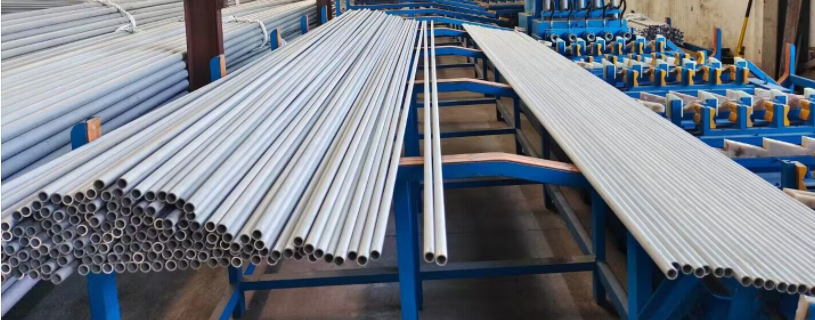
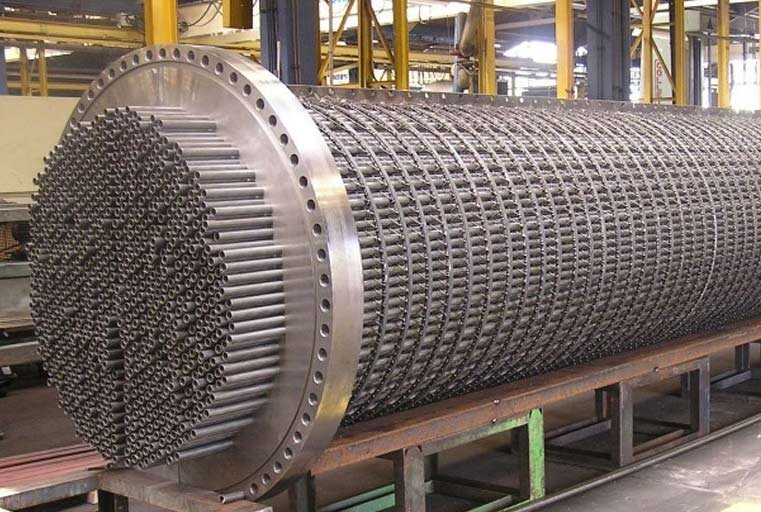
Guía para Seleccionar Tuberías de Acero Inoxidable para Refinerías en América del Sur

DLSS - Oil & Gas Industry - Guía para Seleccionar Tuberías de Acero Inoxidable para Refinerías en América del Sur

Meta descripción:
¿Necesita tuberías confiables para calentadores, intercambiadores o calderas en refinerías latinoamericanas? Descubra qué materiales ofrecen la mejor resistencia a la corrosión y al calor para aplicaciones críticas.


Introducción

En América del Sur, países como Argentina, Brasil, Chile y Perú están modernizando sus refinerías para cumplir con nuevas demandas energéticas y ambientales.
Estos proyectos requieren tuberías capaces de resistir altas temperaturas, presión, fluidos corrosivos y ciclos térmicos constantes.

Elegir el material adecuado para las tuberías no es solo una decisión técnica—afecta directamente la seguridad operativa, la eficiencia térmica y los costos a largo plazo.


Factores Clave al Seleccionar Tuberías

Los ingenieros deben considerar los siguientes aspectos:

  • Temperatura de operación (algunas líneas superan los 1000 °C)
  • Composición química del fluido (H₂S, compuestos sulfurosos, cloruros)
  • Riesgo de coquización (en procesos con hidrocarburos pesados)
  • Compatibilidad con soldadura y conformado
  • Resistencia a la fatiga térmica
  • Cumplimiento normativo: ASTM, ASME, ISO, NACE

Principales Materiales para Tuberías de Refinería

MaterialAplicación TípicaVentajas Principales
TP316LAgua de enfriamiento, condensadoresFácil de soldar, resistente a corrosión general
TP321 / TP347HTubos de horno y sobrecalentadoresEstables a altas temperaturas, resistentes a oxidación
Alloy 800H/HTReformadores, unidades de etilenoExcelente resistencia a fluencia y carburación
Incoloy 825Intercambiadores con fluidos ácidosAlta resistencia a cloruros y medios ácidos, NACE
Alloy 625Servicios severos con H₂SExcelente resistencia a presión y corrosión

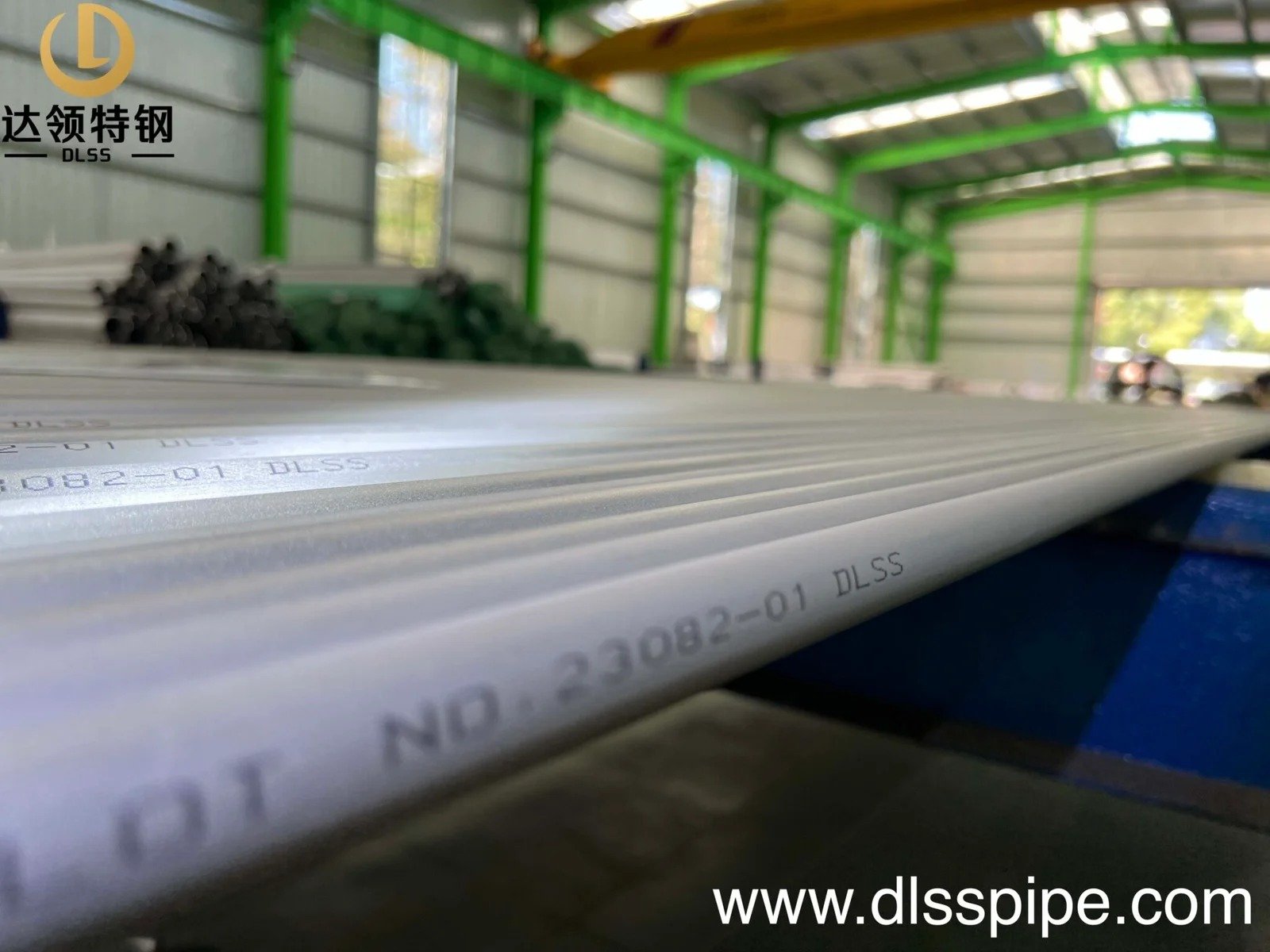
Los tubos de DLSS están disponibles con acabado decapado, recocido brillante (BA) o electropulido, según la necesidad del proyecto.


Normas Internacionales y Regionales

Suministramos tubos según:

  • ASTM A213, A312, B407, B423
  • Código ASME para Calderas y Vasijas de Presión (BPVC)
  • NACE MR0175 / ISO 15156 para ambientes con H₂S
  • EN 10216 / Normas DIN bajo pedido

También cumplimos requisitos específicos de empresas como YPF (Argentina), Petrobras (Brasil) y Repsol (Perú).


Caso Real: Proyecto en Argentina

DLSS suministró tubos TP347H certificados con EN 10204 3.2 para una unidad de reformado catalítico en Mendoza, Argentina.
Los tubos fueron:

  • Interior decapado y limpieza ID
  • 100 % inspección PMI y por corrientes inducidas (EC)
  • Entregados con recomendaciones de soldadura incluidas

Resultado: reducción de coquización, instalación rápida, y alta satisfacción del contratista local.


Servicios Adicionales de DLSS

Más allá del suministro, DLSS ofrece:

  • Cortes y longitudes personalizadas
  • Pruebas NDE: UT, EC, PT, RT
  • Protección interna con nitrógeno y tapones
  • Inspección de terceros (SGS, BV, TÜV)
  • Documentación en español o inglés, soporte técnico remoto

Conclusión

En los proyectos de refinería de América Latina, seleccionar una tubería adecuada es clave para garantizar seguridad, eficiencia y cumplimiento normativo.
DLSS ofrece soluciones en acero inoxidable y aleaciones especiales que se adaptan a las condiciones más exigentes de operación.


Contáctenos
Correo: info@dlsspipe.com
Sitio web: www.dlsspipeline.com

Wonderful! Share This Case:

Austenitic Stainless Steel

Duplex Stainless Steel

Nickel Alloys

▪ Incoloy Family

▪ Inconel Family

▪ Monel Family

▪ Hastelloy Family

▪ Other Special Alloys

Cobalt Alloys

Related Posts

ASTM A269 vs ASTM A213: What’s the Difference for Stainless Steel Tubes?

ASTM A269 vs ASTM A213:

Meta Description:Confused between ASTM A269 and ASTM A213 stainless steel tube standards? This guide compares their differences in application, mechanical properties, testing, and surface finish. Introduction When sourcing stainless steel tubes, understanding the applicable ASTM standards is crucial. Two commonly referenced specifications are ASTM A269 and ASTM A213. While they may seem similar, these standards […]

Read More

Seamless vs Welded Stainless Steel

Meta Description:Seamless or welded pipe? Learn the structural, performance, and cost differences, and discover which option is better for your industrial application. Introduction One of the most common engineering decisions in piping systems is: “Should we use seamless or welded stainless steel pipes?” While both types comply with international standards, they differ significantly in: This […]

Read More
Heat Exchangers in Renewable Energy: Wind, Hydrogen, and Beyond

Heat Exchangers in Renewable Energy:

As the world transitions toward low-carbon energy, the role of heat exchangers in renewable energy systems is becoming increasingly critical. Whether in wind turbine cooling, hydrogen production, or energy storage, heat exchangers ensure thermal stability, equipment safety, and energy efficiency. This article explores how tubular heat exchangers are integrated into modern renewable energy technologies, what […]

Read More

How Precision Stainless Steel Tubes

In high-demand industrial environments, precision stainless steel tubing is more than just a conduit—it plays a critical role in enhancing the overall efficiency and stability of a system. This article delves into how precision stainless steel tubes contribute to improving industrial system performance. The Importance of Precision Tubing 1、Enhanced Heat Transfer Efficiency The smoothness of a stainless […]

Read More
Common Condenser Coil Problems and How to Prevent Them (Ultimate HVAC Maintenance Guide)

Common Condenser Coil Problems and

What Is a Condenser Coil in an Air Conditioner? The condenser coil is the heart of your outdoor HVAC system. It’s responsible for releasing the heat collected indoors by your refrigerant. When the coil fails—due to dirt, leaks, or damage—your air conditioner stops cooling, your energy bills rise, and long-term system damage becomes inevitable. Keyword Targets: condenser coil, HVAC system, air conditioner […]

Read More
How to Size a Shell and Tube Heat Exchanger: Key Design Parameters

How to Size a Shell

1. Introduction – Shell and Tube Heat Exchanger Sizing Proper shell and tube heat exchanger sizing ensures optimal performance, energy efficiency, and long service life. Incorrect sizing can lead to excessive pressure drops, fouling, or insufficient heat transfer. This guide outlines the key design parameters to consider when sizing a shell and tube heat exchanger, […]

Read More
Applications of Nickel Alloy Pipes in LNG and Refinery Projects

Applications of Nickel Alloy Pipes

1. Introduction Liquefied Natural Gas (LNG) terminals and oil refineries operate under some of the most challenging conditions in the energy sector. Piping systems in these facilities are constantly exposed to high pressure, fluctuating temperatures, and corrosive media such as hydrogen sulfide, chlorides, and acids. Nickel alloy pipes, including Inconel 625 (ASTM B444) and Incoloy […]

Read More
Online Tube Dimension Measurement: Precision in Real-Time Manufacturing

Online Tube Dimension Measurement: Precision

In the modern manufacturing of precision tubing—especially stainless steel heat exchanger tubes—online tube dimension measurement has become an essential quality control tool. As customer requirements become stricter and global standards tighten, real-time monitoring of outer diameter (OD), wall thickness, ovality, and surface defects ensures that every tube leaving the production line meets exact specifications. In […]

Read More

Request A Quote

*We respect your confidentiality and all information are protected.