U-Bent Heat Exchanger Tubes: Precision and Reliability for Industrial Efficiency

DLSS - Tubes For Heat Exchanger - U-Bent Heat Exchanger Tubes: Precision and Reliability for Industrial Efficiency

Introduction

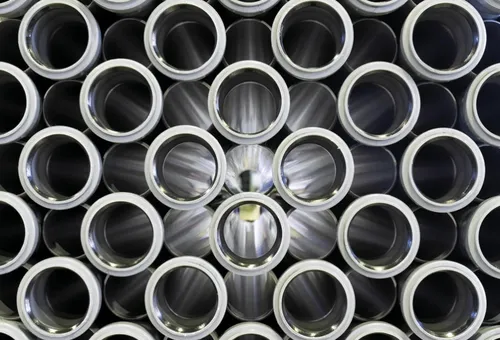
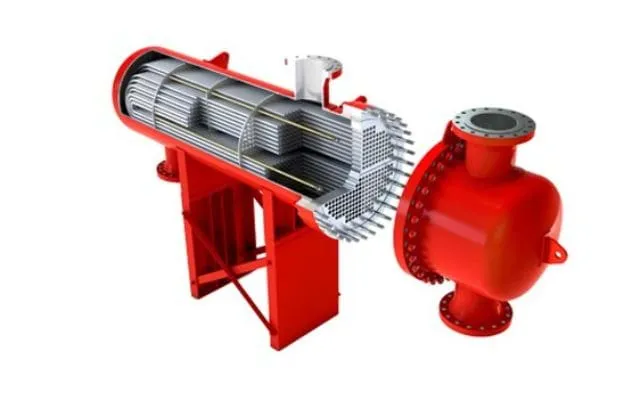
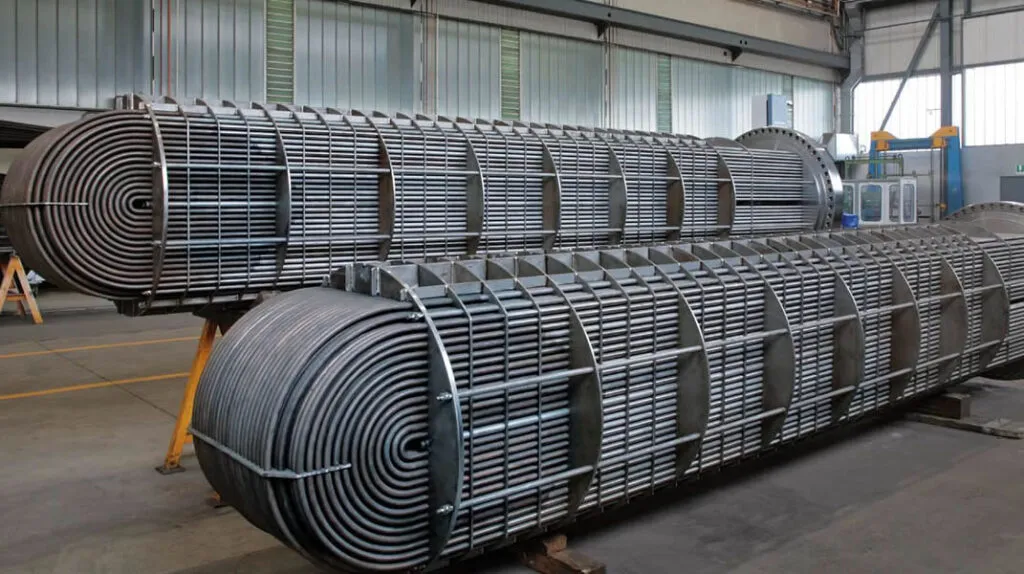
In complex thermal systems—such as boilers, condensers, and heat recovery units—U-bent stainless steel tubes offer a compact, efficient, and high-performance solution. Their curved design allows for greater heat transfer in limited space, with minimal pressure loss and easier maintenance access.

These tubes are particularly valuable in South American energy projects, where climate, terrain, and installation space pose design constraints.

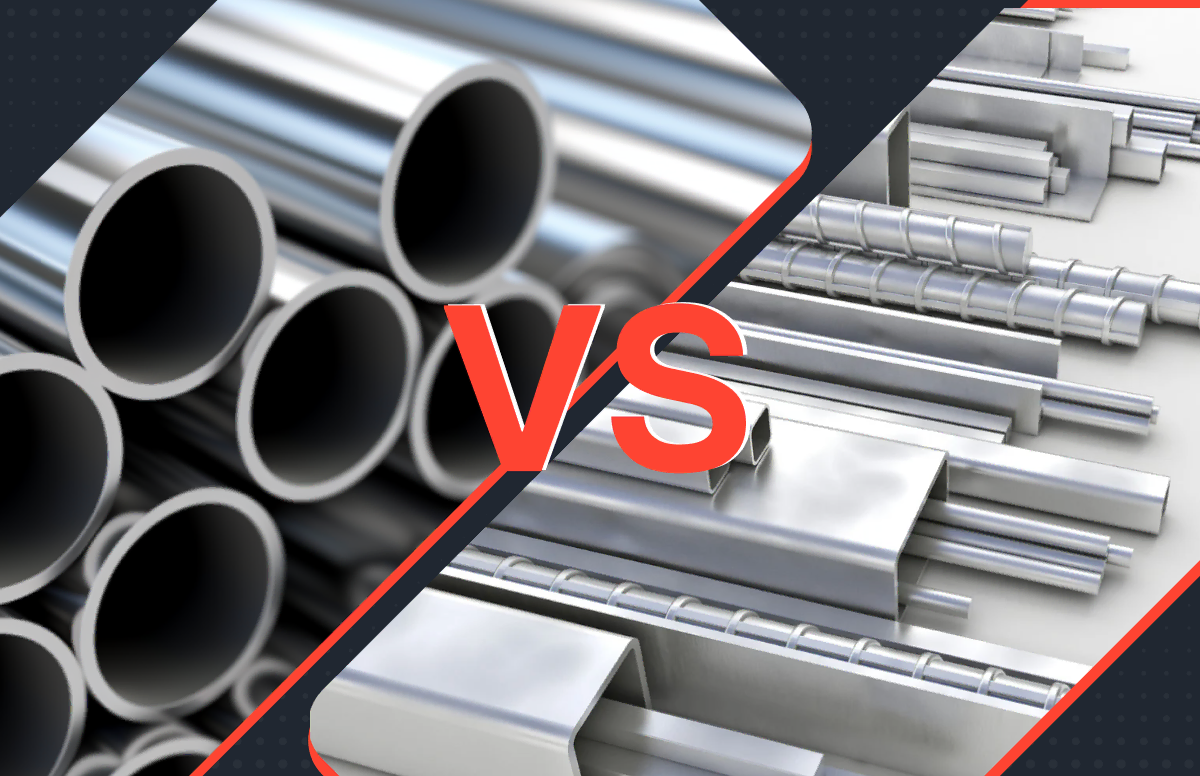
Titanium Tubes vs Stainless Steel Tubes: Which One is Right for Your Heat Exchanger?

Why U-Bent Tubes Are Essential

  • Space-saving configuration for horizontal or vertical mounting
  • Simplified header layout in shell & tube exchangers
  • Reduced welding points → fewer potential leak sites
  • Excellent mechanical strength under thermal cycling
  • Ideal for counterflow or parallel flow heat transfer systems

Used extensively in:

  • Steam boilers
  • HRSG units in gas turbines
  • Feedwater heaters
  • Refinery condensers
  • Nuclear auxiliary systems

Tube Materials and Specifications

MaterialPropertiesStandardsApplication Focus
TP316LCorrosion resistance, common for steam applicationsASTM A213 / EN 10216-5Power generation, refineries
TP321/347High-temperature stability with carbide resistanceASTM A213, SA213, ISO 1127Superheated zones, fossil plants
TP304/304LCost-effective and versatileASTM A213, ASME B36.10Low-pressure, utility heating
Duplex S31803Higher strength + chloride pitting resistanceASTM A789 / A790Offshore condensers, gas processing
TP316TiElevated chloride and oxidation resistanceEN 10217-7 / ASTM A249Pulp plants, geothermal facilities

Tubes are typically bent to radius 1.5×OD to 2.0×OD, with minimal thinning or ovality.


DLSS U-Bending Capabilities

  • Tube OD range: 12.7 mm – 38.1 mm
  • Bending Radius: 1.5D, 1.8D, 2.0D (custom on request)
  • Wall thinning tolerance: ≤ 12.5%
  • Post-bend heat treatment: Solution annealing or stress-relief
  • Surface finishes: Pickled, Bright Annealed, EP
  • Inspection: Hydro test, UT, visual check on bend zone
  • Marking: Directional flow arrows and tube ID codes
  • Certifications: ASTM A213, EN 10204 3.1, TPI available

Related reference: Nickel Institute – Heat Transfer Alloys


Case Study: Argentina Power Utility Retrofit

In 2023, DLSS supplied over 9,000 U-bent TP347H tubes to a thermal retrofit project in northern Argentina. The installation reduced space requirements by 20% and improved heat transfer efficiency by 11%, confirmed by in-situ thermal testing.
Heat Exchanger Tube Types Explained – U-Bend, Straight, Corrugated, and Low-Fin

Frequently Asked Questions (FAQs)

Q: Can DLSS tubes be delivered pre-bent and pre-tested?
Yes. All U-bent tubes are supplied ready for installation with MTCs and NDT reports.

Q: How do you ensure wall thickness uniformity in bends?
We use calibrated bending dies, perform bend thinning checks, and offer hydro or UT inspection on request.

Q: What is your lead time to South America?
Standard delivery is 25–35 days to Brazil, Argentina, or Chile, depending on port and quantity.


Conclusion

DLSS U-bent tubes are engineered for performance where space, pressure, and reliability matter most. With a proven track record in Latin American industries, we deliver fully certified, high-precision solutions—ensuring your systems run safer, longer, and more efficiently.


Contact DLSS
Email: info@dlsspipe.com
Website: www.dlsspipeline.com

Wonderful! Share This Case:

Austenitic Stainless Steel

Duplex Stainless Steel

Nickel Alloys

▪ Incoloy Family

▪ Inconel Family

▪ Monel Family

▪ Hastelloy Family

▪ Other Special Alloys

Cobalt Alloys

Related Posts

How to Ensure Zero-Defect Delivery of High-Performance Alloy Pipes

Zero-Defect Delivery for

For EPC contractors and end users, high-performance alloy pipes are not ordinary commodities. Materials such as titanium, Alloy 625, Alloy 825, Hastelloy C-276, Monel 400, duplex stainless steel, and super duplex stainless steel are often used in desalination, LNG, chemical processing, power plants, refineries, offshore platforms, and heat exchanger systems....

Read More
ASTM A213 vs A269: What’s the Difference in Heat Exchanger Tubing?

ASTM A213 vs

Introduction Two of the most frequently specified standards for stainless steel tubing are ASTM A213 and ASTM A269. Both cover austenitic stainless steel tubes like TP304L, TP316L, and TP321. However, their scope, tolerances, and test requirements differ significantly—especially for heat exchanger and pressure service applications. This article provides a clear,...

Read More
Flange Sealing Techniques: How to Ensure a Leak-Proof Pipeline Connection

Flange Sealing Techniques:

Introduction If you’ve ever walked through an oil refinery or a chemical plant, you’ve probably seen a flange connection wrapped in insulation—maybe even dripping or steaming from a tiny leak. Flange connections are everywhere in pipeline systems, but when not sealed properly, they’re one of the most common sources of...

Read More
Weldability and Fabrication Challenges of Titanium and Nickel Alloy Tubes

Weldability and Fabrication

1. Introduction Welding and fabrication are critical stages in the production and installation of titanium tubes and nickel alloy pipes. Both materials offer superior corrosion resistance and mechanical properties, but they require specialized welding techniques, strict process control, and skilled workmanship to ensure reliability in demanding applications such as desalination...

Read More
offshore-oil-gas-corrosion-resistant-heat-exchanger-tubes

Corrosion-Resistant Heat Exchanger

Offshore oil and gas platforms operate in some of the harshest environments on earth—intense humidity, salt spray, hydrogen sulfide, and high-pressure processes. These conditions make corrosion the #1 threat to heat exchanger systems and piping reliability. To reduce failures and maintenance costs, operators are turning to advanced stainless steel and...

Read More
Applications of Nickel Alloy Pipes in LNG and Refinery Projects

Applications of Nickel

1. Introduction Liquefied Natural Gas (LNG) terminals and oil refineries operate under some of the most challenging conditions in the energy sector. Piping systems in these facilities are constantly exposed to high pressure, fluctuating temperatures, and corrosive media such as hydrogen sulfide, chlorides, and acids. Nickel alloy pipes, including Inconel...

Read More
africa-refinery-power-projects-stainless-steel-demand

Africa’s Refining and

Africa is undergoing a once-in-a-generation infrastructure transformation. New refineries, LNG terminals, combined cycle power plants, and mining developments are emerging across Nigeria, Egypt, Algeria, Angola, Kenya, and beyond. For stainless steel tube and pipe suppliers, this is not just a trend—it’s a new frontier. The continent’s demand for high-quality industrial...

Read More
How Long Do Stainless Steel Seamless Pipes Last? Lifespan, Factors, and Best Practices

How to Choose

Why Material Selection Matters for Heat Exchanger Tubes In heat exchanger applications, the wrong material can lead to premature corrosion, low thermal efficiency, or even costly shutdowns. Whether you’re designing for a refinery, a desalination plant, or a food-grade chiller, choosing the right stainless steel tube is a crucial step...

Read More

Request A Quote

*We respect your confidentiality and all information are protected.