Introduction
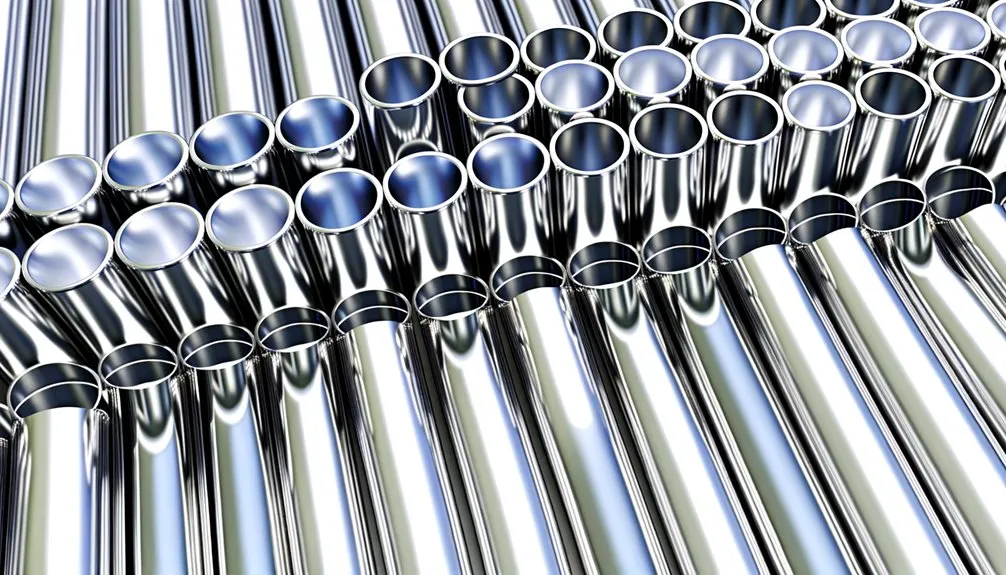
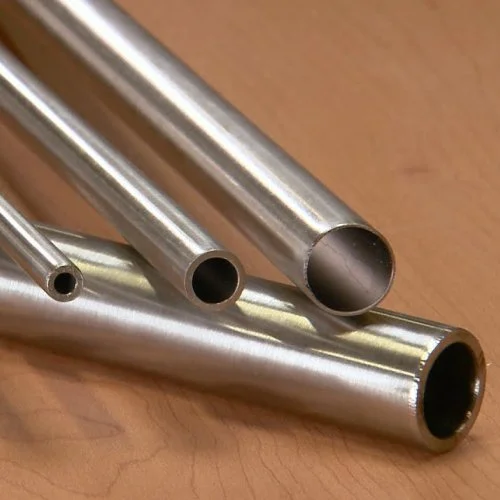
Choosing the correct stainless steel tube grade is crucial for ensuring performance, longevity, and regulatory compliance in industries such as oil & gas, chemical processing, power generation, food and beverage, and marine.
This guide compares the most commonly used tube grades—TP304, TP316, TP321, and extends to TP347, 904L, Duplex 2205, and Super Austenitic Alloys—with detailed references to international standards.
1. Overview of Common Stainless Steel Tube Grades
| Grade | UNS No. | EN No. | Key Standards | Typical Applications |
|---|---|---|---|---|
| TP304 | S30400 | 1.4301 | ASTM A213, A269, A312 | General process piping, food equipment |
| TP304L | S30403 | 1.4307 | ASTM A213, A312 | Low carbon version of 304; better weldability |
| TP316 | S31600 | 1.4401 | ASTM A213, A312 | Improved corrosion resistance (Mo added) |
| TP316L | S31603 | 1.4404 | ASTM A213, A312 | Preferred for welding and marine use |
| TP321 | S32100 | 1.4541 | ASTM A213, A312 | Ti-stabilized, high-temp applications |
| TP347 | S34700 | 1.4550 | ASTM A213, A312 | Nb-stabilized alternative to TP321 |
| 904L | N08904 | 1.4539 | ASTM B677, B673 | High nickel, chloride-rich environments |
| 2205 | S32205 | 1.4462 | ASTM A789, A790 | Duplex: high strength + corrosion resistance |
| 2507 | S32750 | 1.4410 | ASTM A789, A790 | Super duplex for offshore & brine service |
| AL-6XN | N08367 | — | ASTM B676 | Super austenitic alloy for high-purity use |
| TP317L | S31703 | 1.4438 | ASTM A213 | Higher Mo than TP316L for pitting resistance |
| TP310S | S31008 | 1.4845 | ASTM A213, A312 | High-temperature oxidation resistance |
| TP347H | S34709 | 1.4912 | ASTM A213 | High-temp service in power plants |
2. Chemical Composition Comparison (Selected Grades)
| Grade | Cr (%) | Ni (%) | Mo (%) | C Max (%) | Special Element |
|---|---|---|---|---|---|
| TP304 | 18–20 | 8–11 | — | 0.08 | — |
| TP316 | 16–18 | 10–14 | 2–3 | 0.08 | Molybdenum |
| TP321 | 17–19 | 9–12 | — | 0.08 | Titanium (Ti ≥ 5×C) |
| TP347 | 17–19 | 9–13 | — | 0.08 | Niobium (Nb ≥ 10×C) |
| 904L | 19–23 | 23–28 | 4–5 | 0.02 | Cu: 1.2–2.0% |
| 2205 | 21–23 | 4.5–6.5 | 2.5–3.5 | 0.03 | Ferrite-Austenite |
| AL-6XN | 20–22 | 23.5–25.5 | 6–7 | 0.03 | N: 0.18–0.25 |
3. Application-Based Material Selection Guide
| Application | Recommended Grades |
|---|---|
| General industrial piping | TP304 / TP304L |
| Marine environments | TP316L / 904L / Duplex 2205 |
| High temperature (>600°C) | TP321 / TP347 / TP310S / TP347H |
| Food & beverage sanitary tubing | TP316L (BA/EP) |
| Pharmaceutical ultra-clean | TP316L UG / AL-6XN / Electropolished |
| Seawater/brine environments | 2507 / 904L / Hastelloy C-276 |
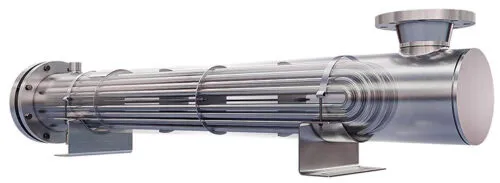
| Heat exchangers, boilers | TP304H / TP316H / TP347H |
| Urea plants | 25-22-2 (S31050), 253MA |
| Fertilizer plants | TP316Ti / Incoloy 825 |
4. Standards to Know
- ASTM A213: Seamless ferritic and austenitic alloy steel boiler and heat exchanger tubes
- ASTM A269: General stainless steel tubing for instrumentation and low-pressure systems
- ASTM A312: Seamless and welded pipe for general service
- ASTM B677 / B673: Austenitic alloys like 904L, AL-6XN
- ASTM A789 / A790: Duplex stainless steel seamless and welded tubing
- EN 10216-5: Seamless stainless steel tubes for pressure purposes
- NACE MR0175 / ISO 15156: Sulfide stress cracking resistance in sour gas environments
Tip: Always match the material standard with its application and service environment to avoid corrosion failures or premature aging.
FAQs
Q1: What’s the best grade for high chloride environments?
Super duplex (2507), 904L, and AL-6XN offer excellent resistance to pitting and crevice corrosion in brine or seawater.
Q2: How does TP321 differ from TP316?
TP321 includes titanium for stabilization against intergranular corrosion during high-temperature service. TP316 includes molybdenum for improved pitting resistance.
Q3: Can TP304 be used in acidic environments?
It’s suitable for mild acids but not for strong chlorides or sulfuric acid — TP316 or higher is recommended.
Q4: Does DLSS offer 3.2 certified tubes?
Yes, DLSS provides EN 10204 3.1 and 3.2 inspection certificates with third-party witness (SGS, BV, TÜV).
Conclusion
Choosing the right stainless steel tube material goes beyond cost—it’s about ensuring durability, safety, and compliance. DLSS offers a wide range of grades, surface finishes, and certifications to meet the demands of every industry, from standard TP304 to super austenitic and duplex alloys.
Contact DLSS
Email: info@dlsspipe.com
Website: www.dlsspipeline.com
Need help selecting the right tube material for your project? DLSS engineers are ready to assist with material recommendations, data sheets, and cost-effective solutions.