How Stainless Steel Tubes Ensure Safety and Efficiency in South American Power Plants

DLSS - Pipe&Tube - How Stainless Steel Tubes Ensure Safety and Efficiency in South American Power Plants

Meta Description:
Discover how stainless steel tubes support thermal efficiency, corrosion resistance, and long-term reliability in South American power generation plants.


Introduction

South America’s growing energy demand is driving the expansion of both conventional and renewable power plants. Whether it’s a thermoelectric station in Brazil or a biomass facility in Chile, one common requirement persists: reliable, long-lasting piping systems.

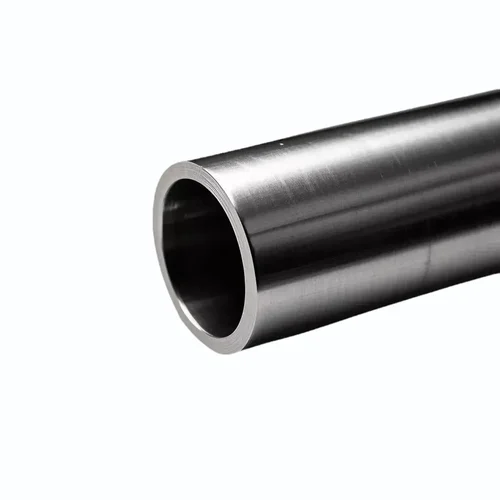
Stainless steel seamless tubes are essential in these operations, especially in heat recovery systems, boiler circuits, and high-pressure steam lines, where temperature, pressure, and corrosion resistance are critical.
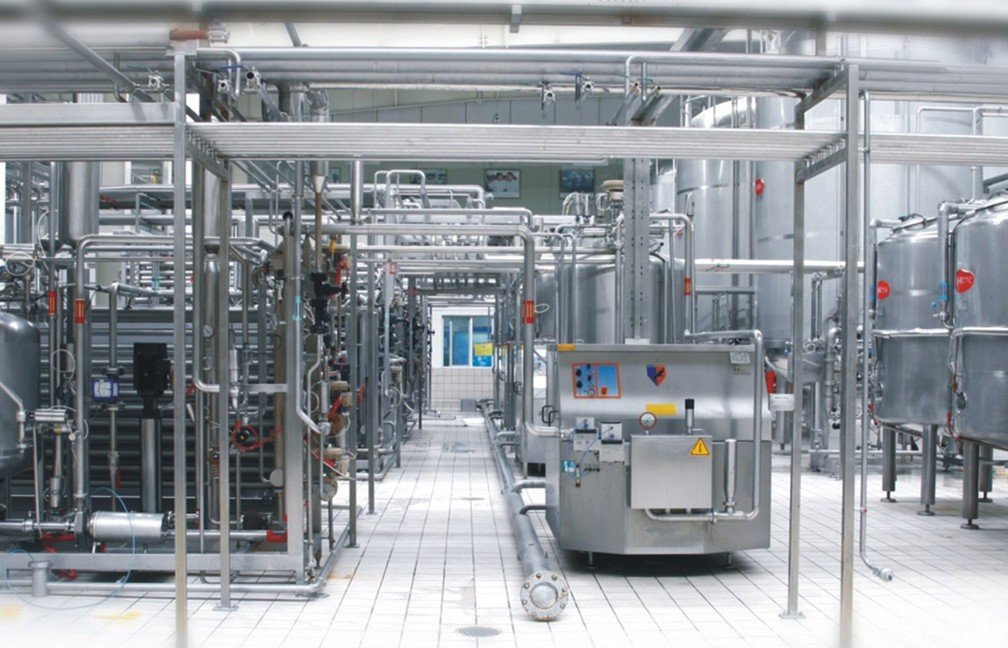
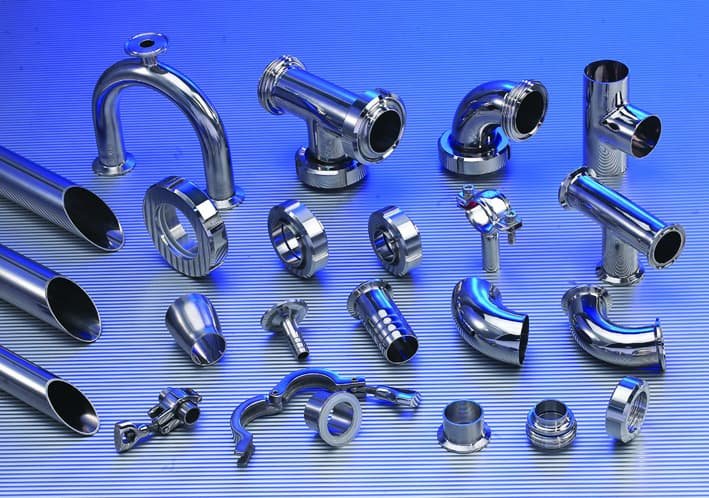
Integrated Stainless Steel Piping Solutions for Industrial Projects

Key Challenges in Power Plant Piping

Power plants in South America face:

  • Chloride-rich environments (especially in coastal regions like Valparaíso or Recife)
  • Thermal cycling and pressure surges
  • Need for low-maintenance, long-life materials
  • Regulatory compliance with international codes (ASME, EN, NBR)

To meet these demands, stainless steel seamless pipes provide a perfect balance between mechanical strength, thermal conductivity, and chemical stability.


Recommended Grades for Power Plant Applications

GradeKey PropertiesStandardsApplications
TP316LCorrosion resistance, weldabilityASTM A312 / A213, EN 10216-5Water feed lines, condensate systems
TP304HHigh-temperature strengthASTM A213, ASME SA213Superheaters, reheaters
TP347H/TP321HStabilized against intergranular corrosionASTM A213, EN 10216-5High-temperature steam pipelines
TP317LEnhanced pitting resistance for coastal plantsASTM A312, ASME B36.10Economizers, cooling loops
TP310SExcellent resistance to oxidation at elevated tempsASTM A213Furnace piping, heat recovery units

Related resource: ASME Boiler & Pressure Vessel Code


DLSS Capabilities for the Power Sector

At DLSS, we deliver tailored solutions for South American EPC contractors and power plant operators:

  • Pipe Sizes: 12.7 mm to 114.3 mm (OD), WT 0.8 mm – 8 mm
  • Standards: ASTM A213, A312, EN 10216-5, ISO 9001
  • Finishes: Pickled, Bright Annealed, Solution Annealed
  • Tests Offered: PMI, UT, Eddy Current, Hydro Test, Hardness, Impact
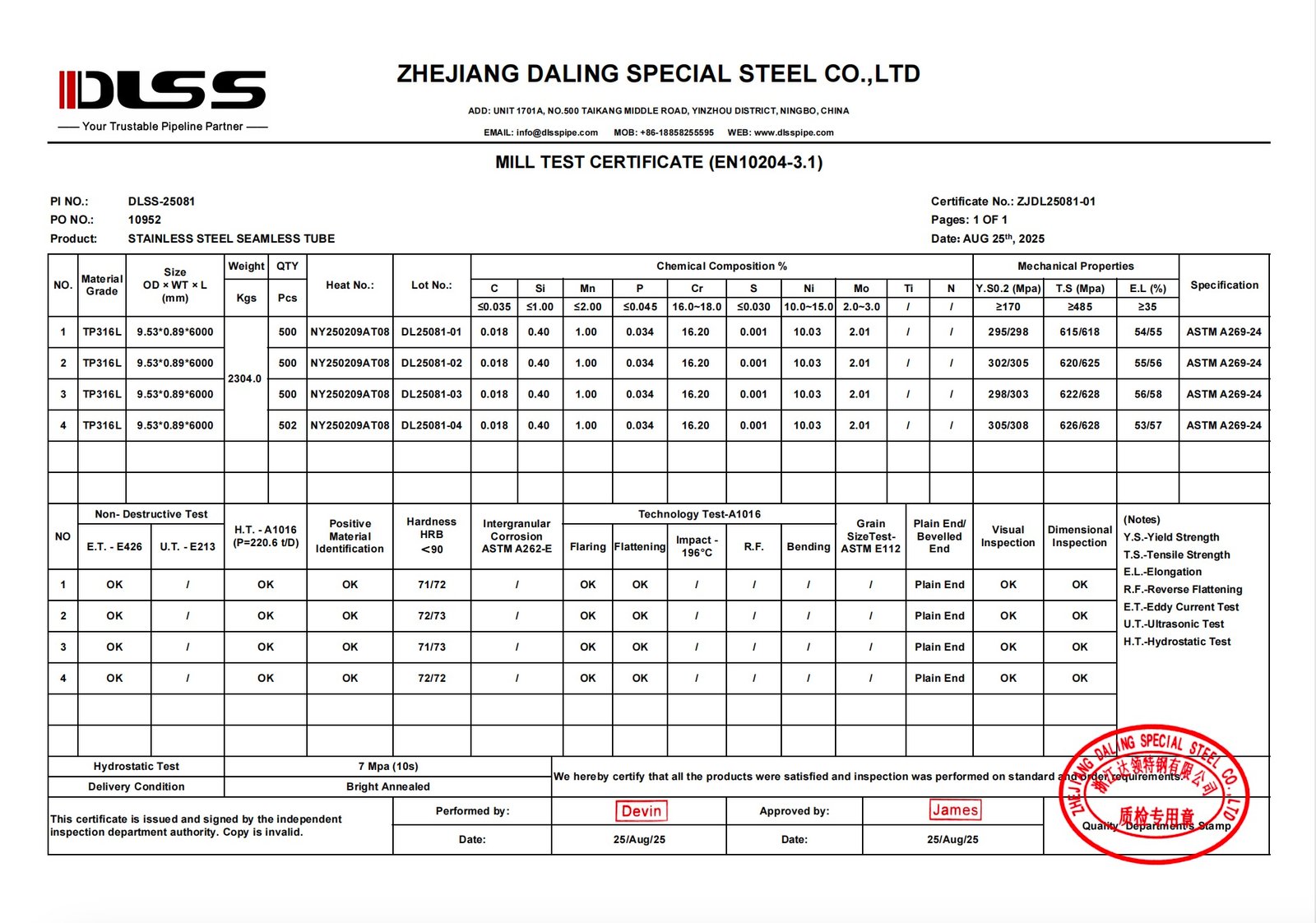
  • Documentation: EN 10204 3.1/3.2, NACE MR0175, Third-Party Witnessing
  • Delivery: Containerized shipments to Brazil, Chile, Argentina, and Colombia

Learn more: Nickel Institute – High-Temperature Alloys in Power Plants


Recent Case Study – Brazil Thermoelectric Plant

In 2024, DLSS supplied over 18 tons of TP347H tubes to a thermoelectric project in Brazil. The tubes were used in the high-pressure steam lines and passed all hydro and UT tests under EN 10204 3.2 inspection with Bureau Veritas.
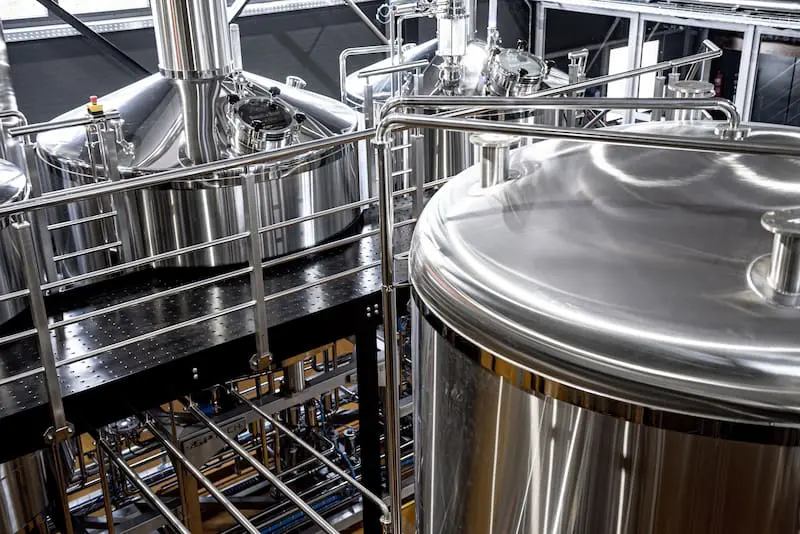
Understanding Electropolished (EP) Tubes – Surface Roughness, Applications, and Manufacturing

FAQs

Q: Are your stainless steel tubes suitable for high-pressure boilers?
Yes, DLSS offers certified tubes meeting ASME SA213 and EN 10216-5 requirements for boiler-grade tubing.

Q: Can you provide material traceability and documentation?
Absolutely. All tubes come with 3.1 or 3.2 MTCs, plus full heat traceability and optional TPI witness.

Q: Do you ship directly to South America?
Yes, we export to ports in Santos, Valparaíso, Buenos Aires, and more.


Conclusion

Power generation in South America relies on materials that perform under pressure—literally. DLSS stainless steel seamless tubes support safe, efficient, and long-lasting operations in critical piping systems. Our expertise, certifications, and proven track record make us a trusted partner for your next energy project.


Contact DLSS
Email: info@dlsspipe.com
Website: www.dlsspipeline.com

Wonderful! Share This Case:

Austenitic Stainless Steel

Duplex Stainless Steel

Nickel Alloys

▪ Incoloy Family

▪ Inconel Family

▪ Monel Family

▪ Hastelloy Family

▪ Other Special Alloys

Cobalt Alloys

Related Posts

How to Interpret EN 10204 3.1 and 3.2 Material Certificates in Industrial Audits

How to Interpret EN 10204

Introduction In large-scale industrial projects—refineries, power plants, LNG terminals, or chemical facilities—material traceability is non-negotiable. Clients, third-party inspectors, and auditors often require EN 10204-compliant inspection certificates for stainless steel pipes, fittings, flanges, or pressure parts. But what do terms like 3.1 or 3.2 certificate actually mean? This article breaks down the types of EN 10204 […]

Read More
How to Interpret EN 10204 3.1 vs 3.2 Material Test Certificates

How to Interpret EN 10204

Meta Description:Discover the key differences between EN 10204 3.1 and 3.2 Material Test Certificates (MTCs). Learn why MTCs matter in stainless steel tube procurement and how DLSS ensures full traceability and certification compliance. Introduction When sourcing stainless steel tubes, especially for critical applications in oil & gas, power, or chemical industries, the Material Test Certificate […]

Read More
U-Bent Heat Exchanger Tubes: Precision and Reliability for Industrial Efficiency

U-Bent Heat Exchanger Tubes: Precision

Meta Description:Explore how U-bent stainless steel tubes optimize space, thermal transfer, and maintenance efficiency in power plants and chemical facilities across South America. Introduction In complex thermal systems—such as boilers, condensers, and heat recovery units—U-bent stainless steel tubes offer a compact, efficient, and high-performance solution. Their curved design allows for greater heat transfer in limited […]

Read More
Heat Exchanger Tube Types Explained – U-Bend, Straight, Corrugated, and Low-Fin

Heat Exchanger Tube Types Explained

Meta Description:Explore the differences between U-bend, straight, corrugated, and low-fin stainless steel heat exchanger tubes. Learn how to select the right type for your application and improve thermal efficiency. Introduction In the world of thermal systems, heat exchanger tubes are essential to transferring energy efficiently and reliably. From chemical processing to HVAC systems, selecting the […]

Read More
southeast-asia-industrial-parks-heat-exchanger-demand

Who’s Buying Heat Exchanger Tubes

Southeast Asia is entering a new wave of industrial growth. Governments across the ASEAN region—including Thailand, Vietnam, Malaysia, and Indonesia—are investing billions in industrial parks, refineries, food processing plants, and energy facilities. For global suppliers of heat exchanger tubes, U-bent coils, and industrial stainless steel piping, this presents an exciting opportunity—if you know where to […]

Read More
Ultrasonic vs Eddy Current Testing: Which Is Best for Heat Exchanger Tube Inspection?

Ultrasonic vs Eddy Current Testing:

Meta Description:Understand the key differences between ultrasonic testing (UT) and eddy current testing (ECT) for stainless steel and alloy heat exchanger tubes. Learn which method is best for your application. Introduction Non-destructive testing (NDT) is essential in the manufacturing and inspection of stainless steel tubes used in critical heat exchanger systems. Among the most widely […]

Read More

15-Day Delivery of ASTM A182

DLSS recently fulfilled an urgent order for a Dubai-based equipment manufacturer, delivering five 16″ STD CL600 Weld Neck Raised Face (WNRF) flanges made from ASTM A182 F53 (UNS S32750) super duplex stainless steel. Operating in a high-chloride, highly corrosive seawater environment, the client required ASME B16.5 compliance with an exceptionally fast 15-day lead time. Project […]

Read More

Why Seamless Stainless Steel Tubes

When designing a high-performance heat exchanger, tube material is a critical factor. Stainless steel, particularly in seamless form, is gaining popularity across industries thanks to its mechanical strength, corrosion resistance, and thermal reliability. In this article, we’ll break down why seamless stainless steel tubes are the ideal choice for demanding heat exchanger applications. 1. Uniform Wall Thickness […]

Read More

Request A Quote

*We respect your confidentiality and all information are protected.