Applications of Nickel Alloy Pipes in LNG and Refinery Projects

DLSS - Pipe&Tube - Applications of Nickel Alloy Pipes in LNG and Refinery Projects

1. Introduction

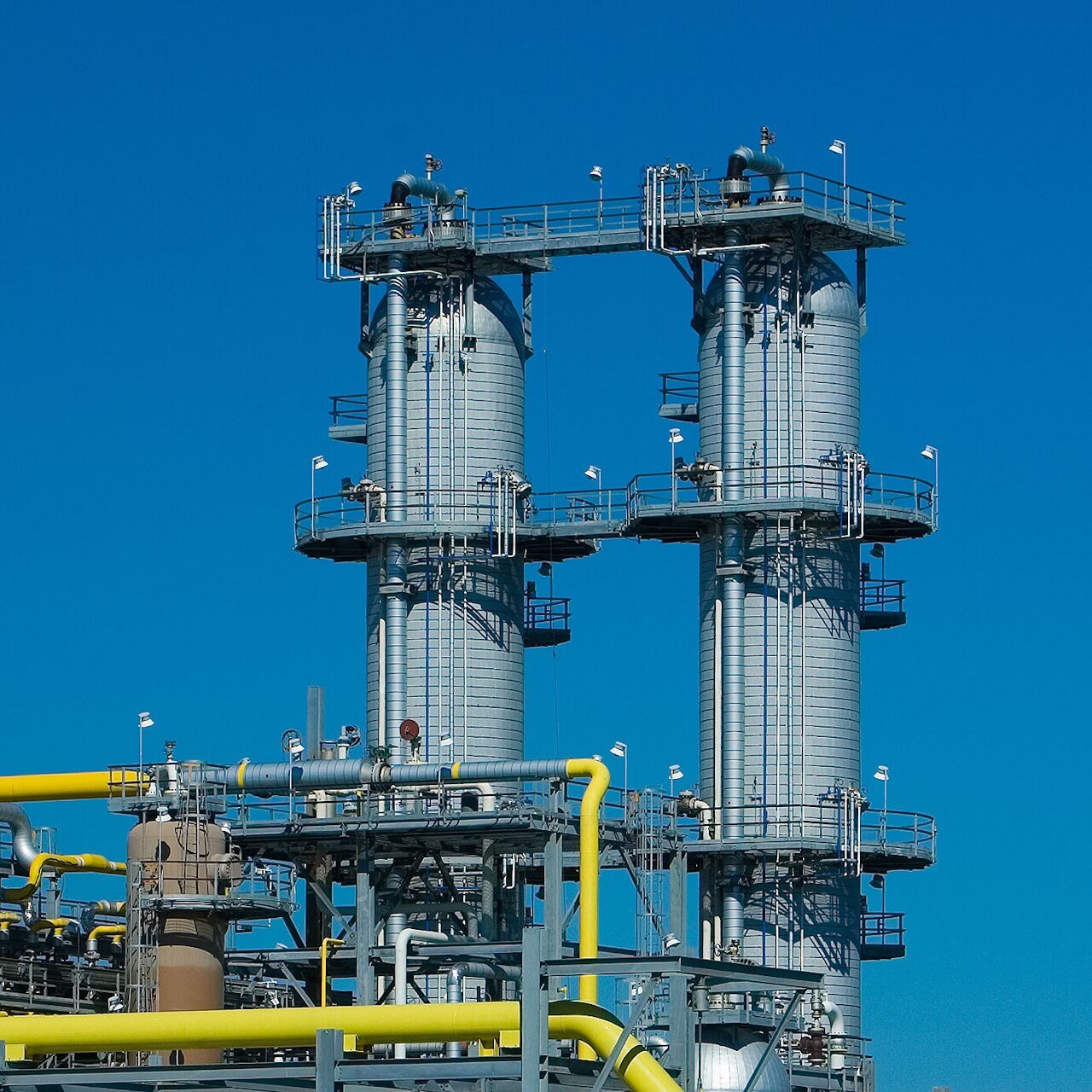
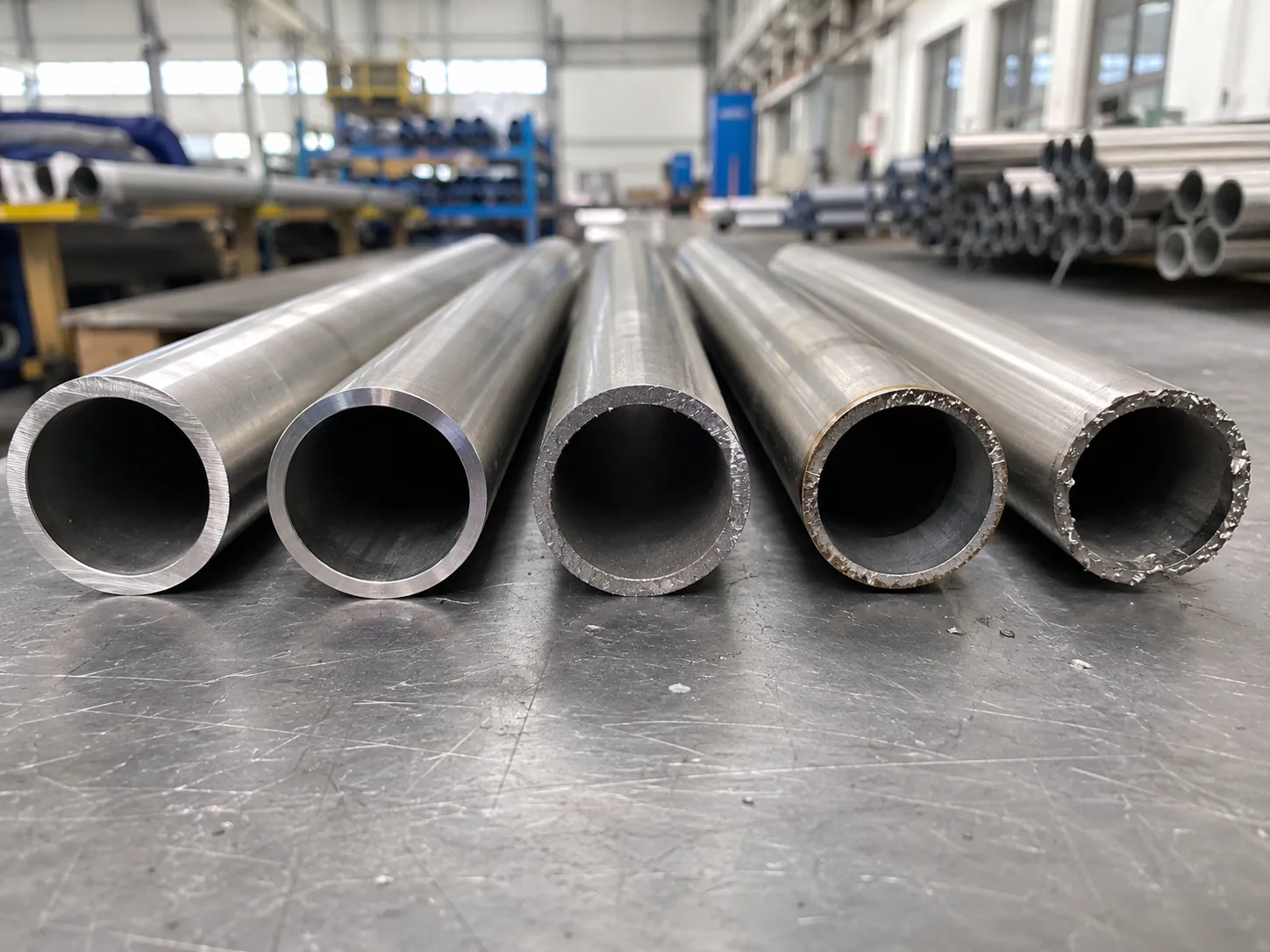
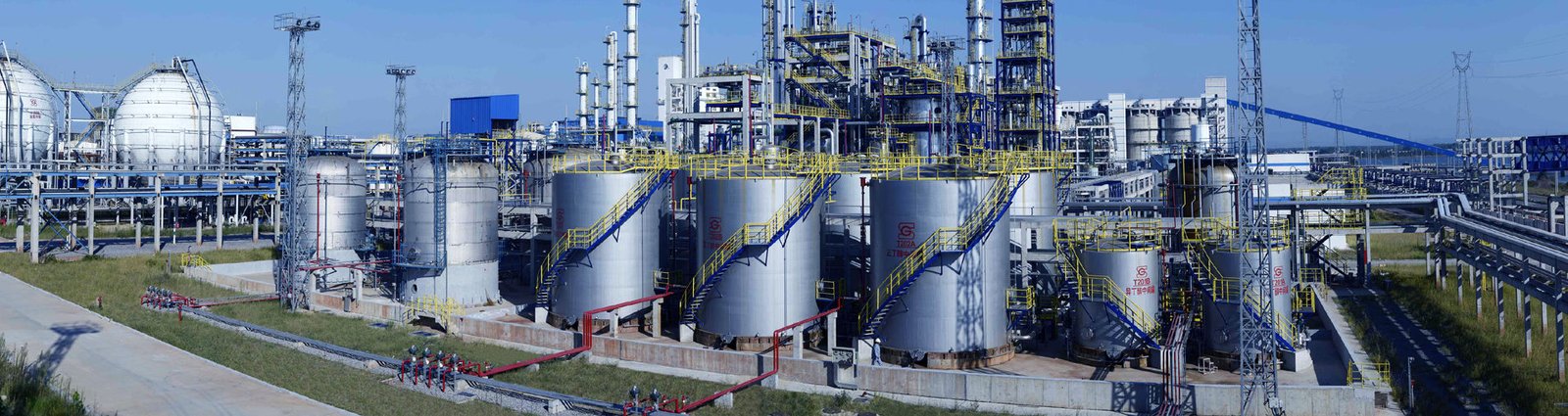
Liquefied Natural Gas (LNG) terminals and oil refineries operate under some of the most challenging conditions in the energy sector. Piping systems in these facilities are constantly exposed to high pressure, fluctuating temperatures, and corrosive media such as hydrogen sulfide, chlorides, and acids. Nickel alloy pipes, including Inconel 625 (ASTM B444) and Incoloy 825 (ASTM B423), have become the preferred choice to ensure safety, reliability, and long service life in LNG and refinery projects.


2. Why Nickel Alloy Pipes Are Essential

  • High Corrosion Resistance: Withstand sour gas, chloride-rich environments, and acidic conditions where stainless steel fails.
  • Strength at High Temperatures: Maintain mechanical properties at cryogenic (-196°C) and elevated temperatures (>600°C).
  • Resistance to Sulfide Stress Cracking: Meet NACE MR0175/ISO 15156 requirements for sour service.
  • Longevity: Reduce maintenance costs and unplanned shutdowns in refinery and LNG operations.

Reference: Nickel Alloys – Wikipedia.


3. Applications in LNG Industry

  • Cryogenic Piping: Nickel alloys maintain toughness at LNG storage (-162°C).
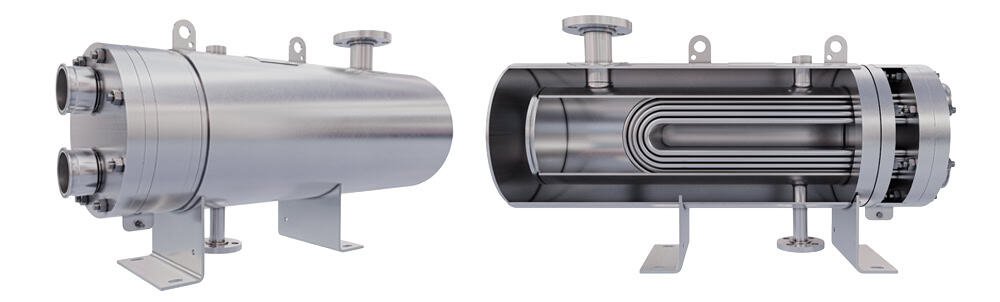
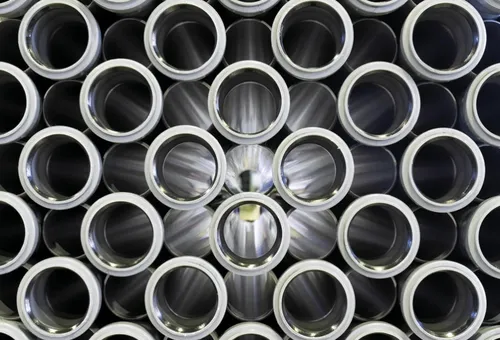
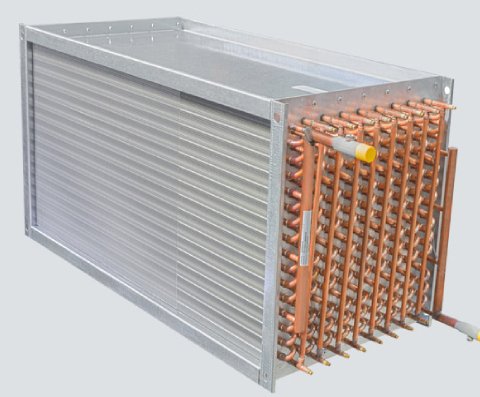
  • Heat Exchangers: Alloy 625 tubes used in LNG regasification units.
  • Seawater Cooling Systems: Inconel 625 pipes resist seawater corrosion in offshore LNG facilities.
  • Offloading Terminals: High-strength nickel alloys ensure reliability in harsh marine environments.

4. Applications in Refineries

  • Hydroprocessing Units: Alloy C-276 and 625 pipes handle aggressive acids in hydrocrackers.
  • Sulfuric Acid Alkylation Units: Incoloy 825 pipes offer excellent resistance to sulfuric and phosphoric acids.
  • Desulfurization Plants (FGD): Nickel alloys withstand high chloride and oxidizing conditions.
  • Flare Systems and High-Temperature Piping: Inconel pipes provide strength and oxidation resistance.

5. Key ASTM Standards for Nickel Alloy Pipes

  • ASTM B444 – Seamless Inconel 625 pipe.
  • ASTM B423 – Seamless Incoloy 825 pipe.
  • ASTM B622 / B619 / B626 – Hastelloy C-276 seamless and welded pipes.
  • Certification Requirements: EN 10204 3.2, PED, NACE MR0175/ISO 15156 compliance.

6. DLSS Supply Strengths

At DLSS, we supply nickel alloy pipes and tubes specifically for LNG and refinery applications:

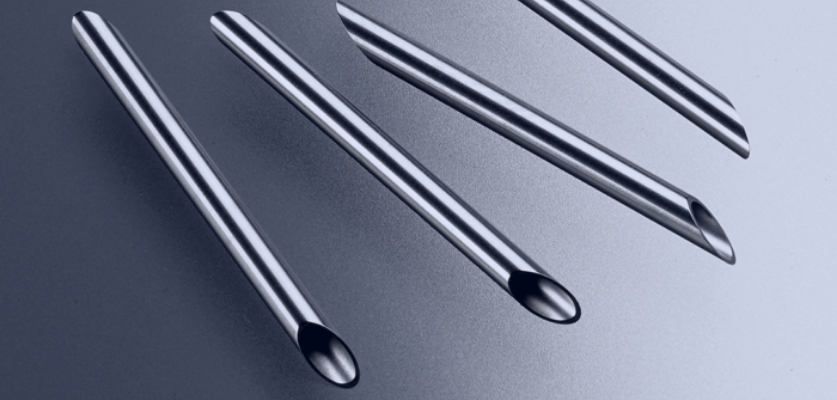
  • Grades: Inconel 625, Incoloy 825, Hastelloy C-276.
  • Standards: ASTM B444, B423, B622.
  • Third-party inspection: TÜV, DNV, LR, ABS.
  • Project documentation: EN 10204 3.1/3.2 MTC, NACE compliance reports.
  • Flexible production for seamless and welded pipes, plus U-bend tubes for heat exchangers.

7. Conclusion & Call to Action

Nickel alloy pipes are indispensable in LNG and refinery projects, where corrosion, sour gas, and extreme temperatures pose significant challenges. By choosing Inconel 625, Incoloy 825, or Hastelloy C-276, project stakeholders secure reliability and long-term cost savings.

For EPC contractors and refinery operators seeking ASTM-compliant nickel alloy pipes, DLSS offers proven expertise and reliable delivery.

Contact us for quotations and technical datasheets.
info@dlsspipe.com | www.dlsspipeline.com

Wonderful! Share This Case:

Austenitic Stainless Steel

Duplex Stainless Steel

Nickel Alloys

▪ Incoloy Family

▪ Inconel Family

▪ Monel Family

▪ Hastelloy Family

▪ Other Special Alloys

Cobalt Alloys

Related Posts

Understanding EN 10204 3.1 vs 3.2: Certification Types for Stainless Steel Tubes

Understanding EN 10204 3.1 vs

Meta Description:Learn the key differences between EN 10204 3.1 and 3.2 material certificates for stainless steel tubes. Understand which certificate your project needs and how DLSS ensures compliance. Introduction Material certification is essential for traceability and quality assurance in the supply of stainless steel tubes, especially in industries like oil & gas, power generation, and […]

Read More

How Precision Stainless Steel Tubes

In high-demand industrial environments, precision stainless steel tubing is more than just a conduit—it plays a critical role in enhancing the overall efficiency and stability of a system. This article delves into how precision stainless steel tubes contribute to improving industrial system performance. The Importance of Precision Tubing 1、Enhanced Heat Transfer Efficiency The smoothness of a stainless […]

Read More
How to Choose the Right Tubular Heat Exchanger for Your Application

How to Choose the Right

Selecting the appropriate tubular heat exchanger is a critical step for ensuring optimal thermal efficiency, mechanical integrity, and long-term operational reliability. As a widely used heat transfer device in process engineering, tubular designs—especially shell-and-tube heat exchangers—are the preferred choice for a wide variety of industrial applications. This article outlines the technical and commercial criteria for […]

Read More
Stainless Steel Instrumentation Tubing for Japan’s Oil & Gas Projects – 日本石油・ガス産業向けステンレス計装チューブ

Stainless Steel Instrumentation Tubing for

Introduction The oil and gas industry in Japan demands high-precision stainless steel instrumentation tubing for safe and efficient operation of control systems. DLSS supplies JIS G3446-compliant tubes with excellent corrosion resistance, precision dimensional tolerances, and long service life in harsh offshore and onshore environments. 1. Why Stainless Instrumentation Tubes for Oil & Gas(石油・ガスにステンレス計装チューブが必要な理由) 2. Standards […]

Read More
HIC and SSC Testing Explained: What Oil & Gas Engineers Need to Know

HIC and SSC Testing Explained:

Meta Description:Understand the role of HIC and SSC testing in preventing pipeline failures in sour service. Learn NACE testing procedures, acceptance criteria, and how to select qualified materials. Introduction In sour service environments—where hydrogen sulfide (H₂S) is present—pipe failure isn’t just a possibility, it’s a serious risk. And that’s why HIC and SSC testing has […]

Read More
How to Interpret a Stainless Steel Mill Test Certificate (MTC)

How to Interpret a Stainless

When importing stainless steel pipes and tubes, one of the most important documents is the Mill Test Certificate (MTC). This document provides traceability and guarantees that the materials meet international standards. However, many buyers are not fully familiar with how to read and interpret an MTC correctly. In this article, we provide a detailed guide […]

Read More
Top Surface Finishes for Stainless Steel Tubes – BA, EP, Polished, and More

Top Surface Finishes for Stainless

Meta Description:Discover the most common surface finishes for stainless steel tubes—BA, EP, polished, pickled—and how each impacts corrosion resistance, cleanliness, and application suitability. Introduction Surface finish plays a critical role in determining the performance and aesthetics of stainless steel tubes, especially in industries like pharmaceuticals, food processing, heat exchangers, and instrumentation systems. Whether your project […]

Read More
Nickel Alloys vs Stainless Steel Tubes – When and Why to Choose Each

Nickel Alloys vs Stainless Steel

Meta Description:Explore the key differences between nickel alloy tubes and stainless steel tubes. Understand when to select Inconel, Monel, or Hastelloy instead of TP316 or Duplex 2205, and how to evaluate performance vs. cost in demanding applications. Introduction In critical industries like oil & gas, chemical processing, power generation, and aerospace, choosing between stainless steel […]

Read More

Request A Quote

*We respect your confidentiality and all information are protected.