Electropolished vs Mechanically Polished Tubes: What’s Best for Hygienic Applications?

DLSS - Pipe&Tube - Electropolished vs Mechanically Polished Tubes: What’s Best for Hygienic Applications?

Meta Description:
Discover the key differences between electropolished (EP) and mechanically polished (MP) stainless steel tubes. Learn which surface finish is better for food, beverage, and pharmaceutical use in Latin America.


Introduction

In sanitary applications, cleanability is critical. Whether you’re building a milk pasteurizer in Brazil or a pharmaceutical system in Colombia, the inner surface of your stainless steel tubes directly affects hygiene, bacterial resistance, and compliance.

The two most common surface finishes used in sanitary stainless steel tubing are:

  • Electropolished (EP)
  • Mechanically Polished (MP)

But how do they compare? And which one is better for your project in Latin America?


What Is Mechanically Polished (MP) Tube?

Mechanically polished tubes are smoothed using abrasive polishing wheels or belts. This process removes surface imperfections and weld beads to achieve a consistent internal roughness.

  • Typical surface roughness: Ra ≤ 0.8 µm
  • Common finish: 180–240 grit
  • Ideal for dairy, brewing, juice, and light pharmaceutical systems

Pros:

  • Lower cost than electropolishing
  • Available in a wide range of sizes and finishes
  • Suitable for CIP systems with moderate hygiene requirements

What Is Electropolished (EP) Tube?

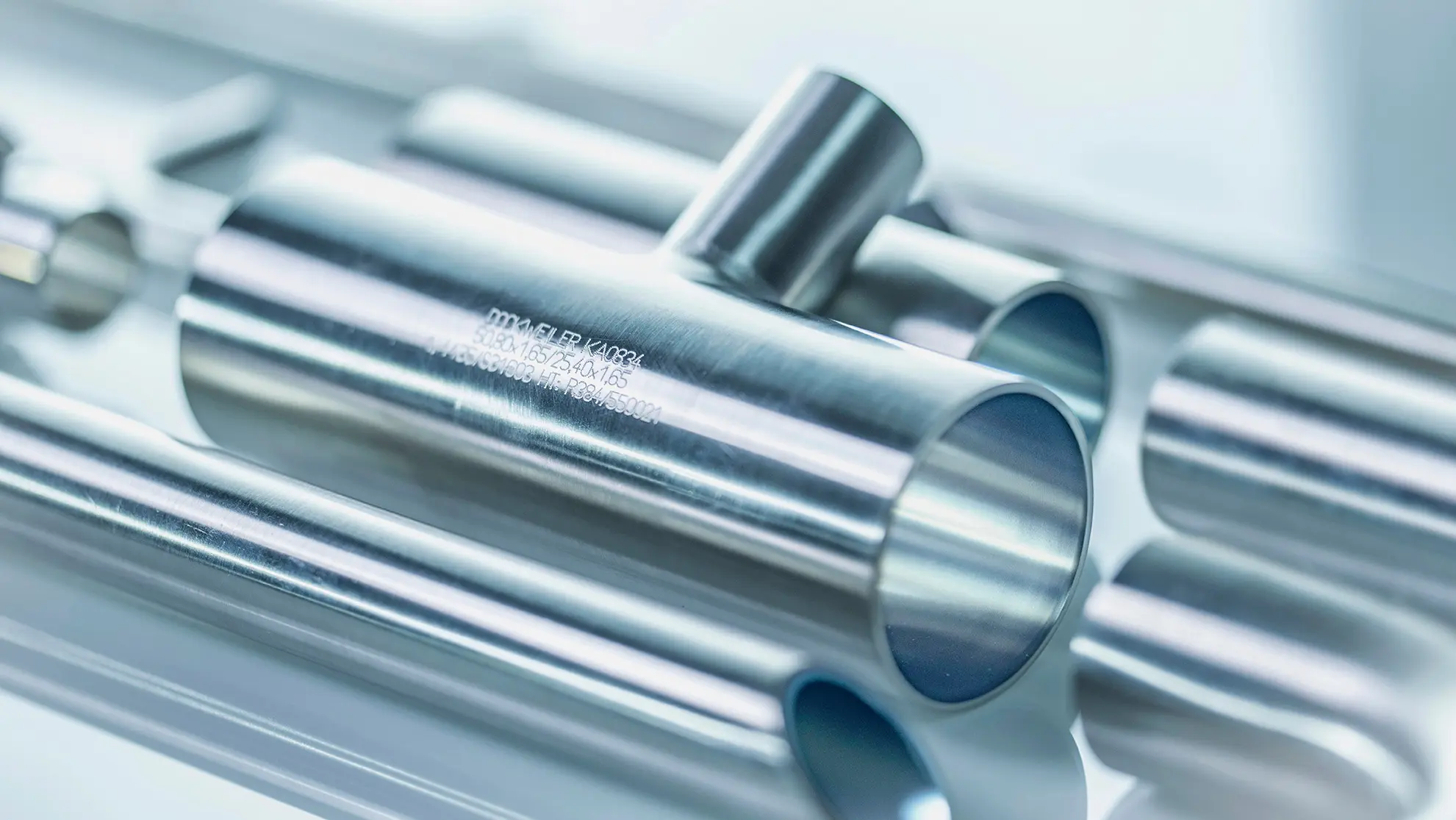
Electropolished tubes are treated in an acid electrolyte bath under electrical current, dissolving the top layer of steel. This results in a smoother, chromium-rich surface that is highly resistant to corrosion and microbe attachment.

  • Typical surface roughness: Ra ≤ 0.4 µm
  • Glossy, reflective interior finish
  • Used in high-purity and ultra-hygienic systems, like pharmaceutical and biotech lines

Pros:

  • Superior bacterial resistance
  • Improved corrosion performance
  • Easier to clean and sterilize
  • Required by ASME BPE and FDA for injectable production

See comparison data on surface finishes from Alfa Laval


Comparison Table: EP vs MP

FeatureMechanically Polished (MP)Electropolished (EP)
Ra (Surface Roughness)≤ 0.8 µm≤ 0.4 µm
Appearance (Interior)MatteShiny, mirror-like
Bacterial ResistanceGoodExcellent
Compliance (BPE/FDA)OptionalOften Required
CostLowerHigher (20–40% more)
Common IndustriesFood, BeveragePharma, Biotech
Cleaning EfficiencyMediumHigh

When Should You Choose EP Tubes?

Choose Electropolished Tubes if:

  • You’re working on a pharmaceutical or injectable-grade project
  • You need to comply with ASME BPE or FDA
  • The process involves high-purity water or steam sterilization
  • You want the longest possible tube lifecycle

Choose Mechanically Polished Tubes if:

  • You’re in the food, dairy, brewing, or beverage sector
  • You have standard CIP cleaning and no high-acid media
  • Budget is limited, and Ra ≤ 0.8 µm is acceptable

DLSS Tube Finishing Capabilities

DLSS supplies both MP and EP tubes with full surface inspection and traceability.

SpecificationMP TubesEP Tubes
Finish Type180–240 gritAcid bath + current removal
Surface RoughnessRa ≤ 0.8 µmRa ≤ 0.4 µm
Size Range12.7 mm – 114.3 mm OD12.7 mm – 76.2 mm OD (standard EP)
CertificationASTM A270, EN 10204 3.1ASTM A270 + ASME BPE + Ra Report
TestingRa Mapping, EC, Hydro, VisualRa Mapping, EC, Hydro, Micro-clean

FAQs

Q1: Is EP finish required for food-grade applications?
Not always. For most food and beverage systems, mechanically polished tubes are sufficient. EP is usually required for high-purity pharmaceutical applications.

Q2: Can DLSS tubes be supplied with both MP and EP options?
Yes. We can supply MP only, MP + EP, or EP-only tubes depending on project needs.

Q3: Do you provide Ra test certificates with EP tubes?
Yes. All EP tubes include surface roughness testing with report mapping.


Conclusion

Both mechanically polished and electropolished tubes serve vital roles in Latin America’s sanitary industries. While MP tubes offer cost-effective hygiene for food and beverage plants, EP tubes provide superior cleanability and corrosion resistance for biotech and pharmaceutical systems.

DLSS offers tailored solutions with full documentation and surface inspection for both types of finishes.


Contact DLSS
Email: info@dlsspipe.com
Website: www.dlsspipeline.com

Need help selecting the right sanitary tube finish for your project? Contact our expert team for technical support and quotation today.

Wonderful! Share This Case:

Austenitic Stainless Steel

Duplex Stainless Steel

Nickel Alloys

▪ Incoloy Family

▪ Inconel Family

▪ Monel Family

▪ Hastelloy Family

▪ Other Special Alloys

Cobalt Alloys

Related Posts

15-Day Delivery of ASTM A182

DLSS recently fulfilled an urgent order for a Dubai-based equipment manufacturer, delivering five 16″ STD CL600 Weld Neck Raised Face (WNRF) flanges made from ASTM A182 F53 (UNS S32750) super duplex stainless steel. Operating in a high-chloride, highly corrosive seawater environment, the client required ASME B16.5 compliance with an exceptionally fast 15-day lead time. Project […]

Read More
3 Essential Heat Exchanger Design Guides Every Thermal Engineer Should Know

3 Essential Heat Exchanger Design

In industries such as oil and gas, power generation, chemical processing, and HVAC, heat exchangers play a critical role in transferring energy efficiently. Whether you’re designing a new system or optimizing an existing one, understanding the fundamentals of heat exchanger design is vital for thermal engineers. This article introduces three essential technical guides that every […]

Read More
Rare Alloy Tubes: 5 Uncommon but Powerful Metals Used in High-Performance Piping

Rare Alloy Tubes: 5 Uncommon

Meta Description:Explore rare and exotic alloy tubes like Incoloy 825, 254 SMO, Monel 400, and more. These metals offer unmatched corrosion and temperature resistance for specialized industries. Introduction While 304 and 316 stainless steels dominate industrial applications, many extreme environments require specialty or rare metal alloys for superior corrosion resistance, strength, or temperature tolerance. This […]

Read More
Nickel Alloy Steel Seamless Pipes and Tubes: Industrial Advantages and Applications

Nickel Alloy Steel Seamless Pipes

Introduction Nickel alloy steel seamless pipes and tubes are essential materials in demanding industries where components must withstand extreme temperatures, corrosive chemicals, and high pressure. Their seamless structure combined with the superior characteristics of nickel-based alloys makes them the material of choice for chemical processing, petrochemical, marine, power generation, and LNG applications. Nickel-based alloys are […]

Read More
Middle East Market Insight: Stainless Steel Seamless Tube Demand in Refining and Desalination Projects

Middle East Market Insight: Stainless

The Middle East remains one of the world’s largest consumers of stainless steel seamless tubes—driven by oil & gas refining, petrochemical facilities, and mega-scale desalination and water treatment plants. As Gulf countries shift toward more technologically advanced, environmentally compliant, and cost-efficient infrastructure, the demand for U-bent heat exchanger tubes, duplex/super duplex grades, and ASME/PED-certified seamless […]

Read More
ASTM A789 S32750 Super Duplex Steel Seamless Tube 19*2.4MW Bright Annealed Type

Global Heat Exchanger Tube Standards

Meta Description:Compare global heat exchanger tube standards including ASTM, EN, GOST, and JIS. Understand their key differences, material designations, dimensional tolerances, and testing requirements. Introduction In the international heat exchanger industry, buyers and engineers frequently encounter various regional and international standards. The most commonly used include: Understanding the similarities and differences between these standards is […]

Read More
Ultrasonic vs Eddy Current Testing: Which Is Best for Heat Exchanger Tube Inspection?

Ultrasonic vs Eddy Current Testing:

Meta Description:Understand the key differences between ultrasonic testing (UT) and eddy current testing (ECT) for stainless steel and alloy heat exchanger tubes. Learn which method is best for your application. Introduction Non-destructive testing (NDT) is essential in the manufacturing and inspection of stainless steel tubes used in critical heat exchanger systems. Among the most widely […]

Read More
How Stainless Steel Tubes Ensure Safety and Efficiency in South American Power Plants

How Stainless Steel Tubes Ensure

Meta Description:Discover how stainless steel tubes support thermal efficiency, corrosion resistance, and long-term reliability in South American power generation plants. Introduction South America’s growing energy demand is driving the expansion of both conventional and renewable power plants. Whether it’s a thermoelectric station in Brazil or a biomass facility in Chile, one common requirement persists: reliable, […]

Read More

Request A Quote

*We respect your confidentiality and all information are protected.