Why Green Energy Systems Need Advanced Tubing Materials
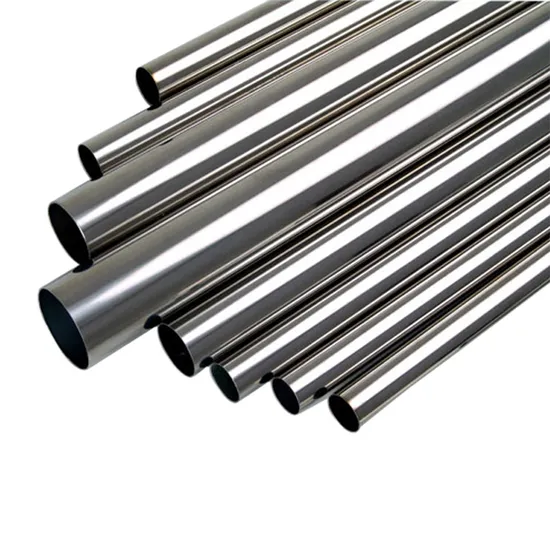
As the world transitions to low-carbon technologies, components like stainless steel tubes play a vital role in wind turbines, hydrogen production, carbon capture units, and biofuel systems. These environments demand materials that resist corrosion, pressure, vibration, and outdoor exposure over decades.
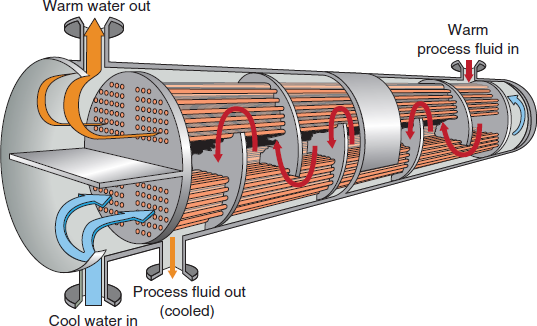
From internal cooling circuits in offshore wind towers to high-pressure hydrogen pipelines and heat exchangers in bio-refineries—precision-engineered stainless steel tubes ensure long-term efficiency, safety, and regulatory compliance.
Recommended Tubing Grades for Renewable & Green Energy Applications
1. 316L — General-Purpose Green Energy Tubing
- Good corrosion resistance, widely available
- Used in onshore wind cooling systems, water treatment skids, and green building HVAC systems
- Suitable for non-aggressive indoor/outdoor environments
2. Duplex S32205 / S31803 — Structural & Corrosion-Resistant
- Ideal for offshore wind turbine internals, jacket cooling systems, and structural bracing
- Offers better fatigue, chloride resistance, and strength than 316L
- Extended lifespan in marine wind farms and offshore substations
3. TP321 / 347H — Heat-Resistant Grades for Biomass & Biofuel Plants
- Titanium or niobium stabilized stainless steels
- Used in thermal oil circuits, gas recovery tubes, and emission heat exchangers
- Resistant to intergranular corrosion under repeated heating
4. 254SMo / 904L — High Corrosion-Resistance in Harsh Outdoor Settings
- For exposed structural tubing, acid gas recovery, or highly acidic process lines
- Excellent performance in carbon capture (CCUS) and flue gas heat exchangers
5. Nickel Alloys (625, 825) — For Hydrogen & Extreme Environments
- Required in electrolyzers, fuel cell stacks, hydrogen compression lines
- Resistant to hydrogen embrittlement, chloride stress cracking, and thermal cycling
- Compliant with ASME, ISO 11114, and NACE standards for H₂ service
Tubing Selection Criteria in Green Energy Projects
| Factor | Application Context |
|---|---|
| Corrosion Resistance | Coastal wind farms, acid gas recovery, hydrogen exposure |
| Fatigue and Vibration Tolerance | Wind tower internals, turbines, pump systems |
| Hydrogen Compatibility | Tubing must resist embrittlement, avoid leakage under pressure |
| Environmental Durability | Sun, salt, moisture, snow, freeze-thaw cycles |
| Compliance Standards | EN 10216-5, ASTM A213, A269, ISO 11114, ASME B31.12, PED |
Global Trends in Green Energy Tubing (2025)
- Europe and China are expanding offshore wind capacity—demanding long-life duplex and nickel alloy tubing
- Hydrogen infrastructure in Korea, Germany, and the Middle East uses 625 tubing in electrolyzers and H₂ pipelines
- Bio-refineries in South America and Southeast Asia rely on 347H and 904L tubes for gas recovery and steam systems
DLSS Expert Insight
“We’ve seen growing demand from hydrogen EPC contractors looking for small-diameter nickel alloy tubing for electrolyzers and purification skids. These systems must be leak-proof, corrosion-resistant, and compatible with hydrogen across a 20+ year lifecycle.”
— DLSS New Energy Project Consultant
Frequently Asked Questions (FAQ)
Q1: Is 316L suitable for hydrogen tubing?
Not for high-pressure or long-term hydrogen exposure. Use nickel alloys like Inconel 625 for safety and embrittlement resistance.
Q2: What tube material is best for offshore wind farms?
Duplex S32205 is commonly used for structural and internal cooling systems due to its strength and corrosion resistance.
Q3: Can stainless steel be used in carbon capture units?
Yes. Use 254SMo or 904L to resist sulfuric and carbonic acids from flue gases and ensure durability in acidic condensates.
Conclusion: Enabling the Energy Transition with Durable Tubing
The energy of tomorrow relies on the materials of today. DLSS supplies stainless steel and nickel alloy tubes that meet the demands of modern wind farms, hydrogen plants, biofuel production, and green infrastructure.
Our tubes are optimized for fatigue, pressure, corrosion, and sustainability—backed by 30 years of export expertise and compliance with global clean energy standards.