ASTM A312 vs ASTM A789: Which Stainless Steel Tube Standard Is Right for Oil & Gas Applications?

DLSS - Pipe&Tube - ASTM A312 vs ASTM A789: Which Stainless Steel Tube Standard Is Right for Oil & Gas Applications?

Meta Description:
Understand the key differences between ASTM A312 and ASTM A789 for stainless steel seamless tubes used in the oil & gas industry. Compare materials, applications, and testing requirements.


Introduction

In the oil and gas sector, selecting the right stainless steel tube standard is essential for long-term system performance. Among the most referenced specifications are:

  • ASTM A312 – Seamless and welded austenitic stainless steel pipes
  • ASTM A789 – Seamless and welded ferritic/austenitic (Duplex) stainless steel tubing

While both serve critical purposes in petroleum refining, offshore rigs, and midstream transport systems, they differ significantly in material composition, mechanical properties, and application scenarios.

This article provides a practical comparison to help you make informed decisions during specification, procurement, or design.


What Is ASTM A312?

ASTM A312 covers seamless and welded austenitic stainless steel pipes intended for:

  • High-temperature service
  • General corrosion resistance
  • Common materials: TP304, TP316, TP321, TP347, TP904L

Typical Applications:

  • Refinery piping for acids, steam, sulfur
  • Process pipelines in LNG and gas processing
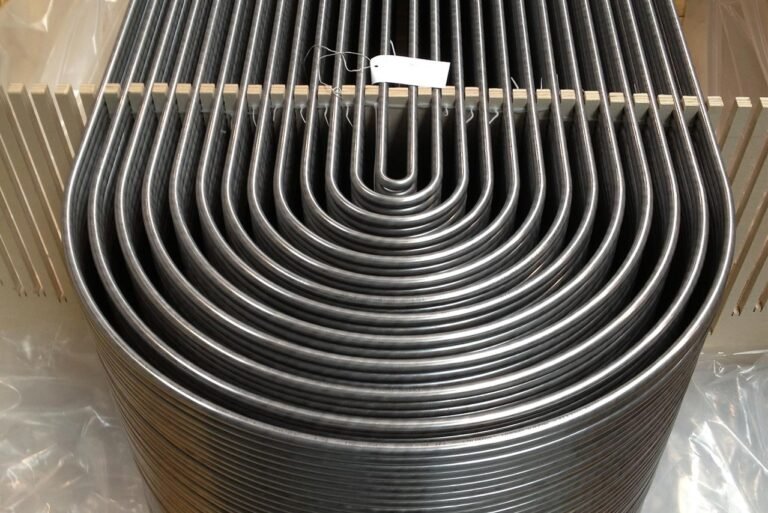
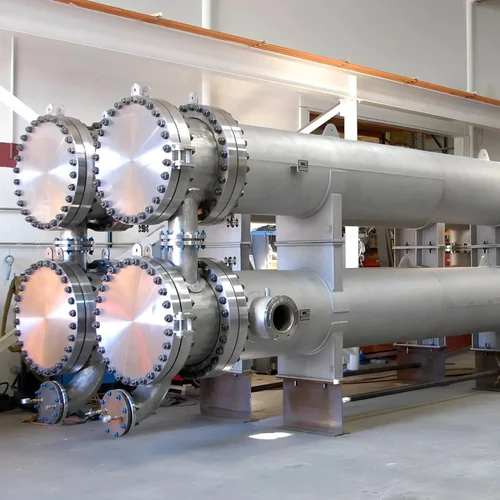
  • U-bend tubes in heat exchangers, boilers

Key Features:

  • High ductility and weldability
  • Good resistance to oxidizing and moderately reducing environments
  • Grades like TP316L are ideal for chloride-containing media

What Is ASTM A789?

ASTM A789 covers seamless and welded Duplex stainless steel tubing, combining:

  • Ferritic and austenitic microstructures
  • Common materials: UNS S31803 (2205), S32205, S32750 (Super Duplex)

Typical Applications:

  • Offshore oil platforms
  • Subsea pipelines and manifolds
  • Heat exchangers exposed to aggressive brine or sour service

Key Features:

  • Superior strength (2x that of austenitic steels)
  • High resistance to chloride pitting, crevice corrosion, and stress corrosion cracking
  • Lower thermal expansion than austenitic grades

Read: ASTM A789/A789M official page on ASTM.org


Technical Comparison Table

ParameterASTM A312ASTM A789
Material TypeAustenitic stainless steelDuplex stainless steel
Typical GradesTP304, TP316, TP321, TP904LS31803, S32205, S32750
Corrosion ResistanceExcellent (general & oxidizing)Superior (chloride & sour)
Tensile Strength (min)~515 MPa (TP316L)~620 MPa (S32205)
Yield Strength (min)~205 MPa~450 MPa
WeldabilityExcellentModerate (requires care)
CostLowerHigher
Ideal ApplicationGeneral refinery/petrochemOffshore, sour service
Standards CompatibilityASME B31.3, EN 10216-5NACE MR0175/ISO 15156

When to Use ASTM A312

Choose A312 tubes when:

  • Operating temperatures exceed 500°C
  • Corrosive media is oxidizing (e.g., nitric acid)
  • High formability or bending is needed
  • Project budgets are constrained

Typical Projects: Natural gas separation, LNG terminals, sulfur recovery units.


When to Use ASTM A789

Choose A789 tubes when:

  • Chloride content is high (e.g., seawater, brine)
  • Mechanical strength is a priority
  • Compliance with NACE MR0175 is mandatory
  • You need thinner walls for same pressure rating

Typical Projects: Offshore oil production, subsea manifolds, FPSO heat exchangers.


DLSS Manufacturing Capability

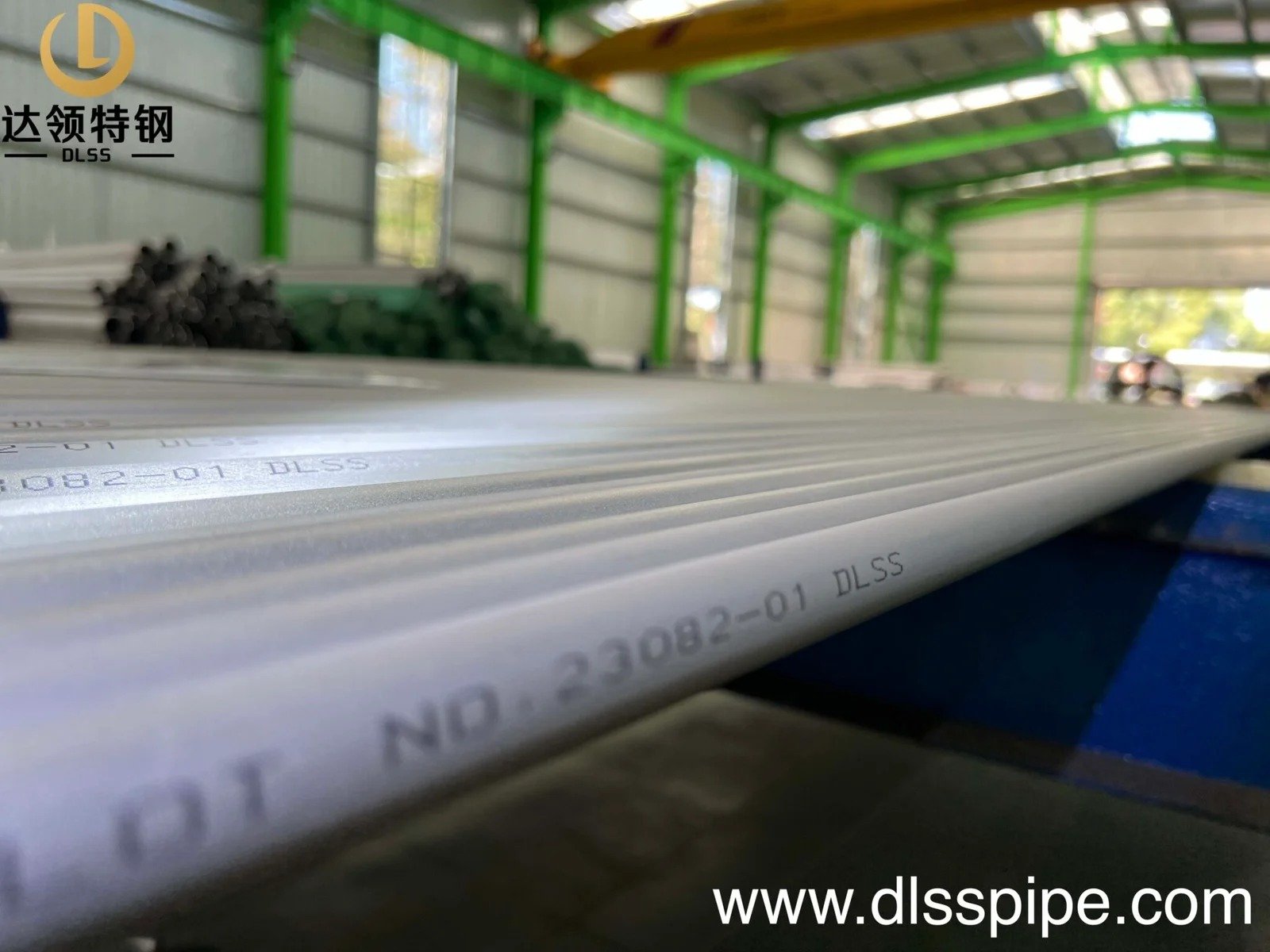
DLSS offers:

  • ASTM A312 tubes: in 304L, 316L, 321, 347, 904L
  • ASTM A789 tubes: in S31803, S32205, S32750, pickled or bright-annealed
  • U-bent tubes, cut-to-length, and coiled tubing
  • 100% Eddy Current / UT / Hydrostatic tests
  • Full MTC EN 10204 3.1 / 3.2, NACE compliance

Conclusion

ASTM A312 and A789 serve distinct roles in the oil & gas pipeline and process industries:

  • Use A312 for general austenitic stainless piping
  • Use A789 for superior strength and sour service protection

DLSS helps you navigate both standards with precision manufacturing, full documentation, and global shipment support.


Contact DLSS
Email: info@dlsspipe.com
Website: www.dlsspipeline.com

Need help selecting between A312 and A789? Our technical team is ready to assist with specification and sourcing advice.

Wonderful! Share This Case:

Austenitic Stainless Steel

Duplex Stainless Steel

Nickel Alloys

▪ Incoloy Family

▪ Inconel Family

▪ Monel Family

▪ Hastelloy Family

▪ Other Special Alloys

Cobalt Alloys

Related Posts

Why Alloy C-276 Pipes are Essential for Acid Processing Industries

Why Alloy C-276 Pipes are

1. Introduction Industries handling aggressive chemicals such as sulfuric acid, hydrochloric acid, and phosphoric acid face constant challenges in piping material selection. Hastelloy C-276 (Alloy C-276) pipes are one of the most reliable choices for these corrosive environments. With outstanding resistance to strong oxidizers, reducing agents, and mixed chemical streams, Alloy C-276 tubes have become […]

Read More
Electropolished Tubing: When and Why to Use It

Electropolished Tubing: When and Why

Meta Description:Electropolished (EP) tubing offers ultra-clean surfaces for critical applications. Learn what it is, why it matters, and where EP tubes are essential—from pharma to semiconductors. Introduction In industries where surface purity, cleanliness, and corrosion resistance are paramount, electropolished (EP) tubing is no longer optional—it’s a necessity. Whether you’re building pharmaceutical cleanrooms, semiconductor cooling loops, […]

Read More
Top Heat Exchanger Trends to Watch in 2025

Top Heat Exchanger Trends to

Meta Description:Discover the latest heat exchanger technologies—hybrid systems, additive manufacturing, AI monitoring, and advanced materials—shaping energy efficiency across industrial sectors. 1. Hybrid Heat Exchangers: The Next Evolution Hybrid systems combine multiple heat transfer technologies (e.g., plate-fin + shell-and-tube) to boost energy efficiency and reduce installation space. This market is growing rapidly, fueled by decarbonization goals […]

Read More
Stainless Steel Tube Failures in Heat Exchangers: Root Causes and How to Prevent Them

Stainless Steel Tube Failures in

Meta Description:Discover the top reasons stainless steel tubes fail in heat exchangers and how to prevent them. Learn from DLSS’s real-world case studies and proven solutions. Introduction Heat exchangers are essential components in power plants, refineries, HVAC systems, and chemical processing. Yet, even with premium-grade stainless steel tubes, failures can occur—leading to leaks, shutdowns, and […]

Read More
electropolished-tube-id-ra-035

Sanitary Stainless Steel Tubes in

Meta Description:Discover how sanitary stainless steel tubes support hygiene, durability, and regulatory compliance in food & beverage processing plants across South America. Introduction As the food and beverage sector in South America expands rapidly—with leading producers in Brazil, Chile, and Argentina—hygiene and quality control are more critical than ever. From dairy lines in São Paulo […]

Read More
How DLSS Controls Grain Size for Austenitic Stainless Steel Tubes – Why It Matters

How DLSS Controls Grain Size

Meta Description:Discover why grain size matters in stainless steel tubing and how DLSS ensures optimal grain structure through precise heat treatment, testing, and quality control. Introduction Grain size in stainless steel is more than just a microscopic characteristic—it directly affects mechanical strength, corrosion resistance, formability, and creep performance. For critical applications such as heat exchangers, […]

Read More
Seamless vs Welded Stainless Steel Pipes: Which Is More Reliable in 2025?

Seamless vs Welded Stainless Steel

Meta Description:Learn the key differences between seamless and welded stainless steel pipes. Discover which option is better for pressure, corrosion, and project reliability in modern industrial applications. Introduction When selecting stainless steel pipes for high-stakes projects—whether in oil & gas, chemical processing, or heat exchanger systems—one key decision is: Should I choose seamless or welded […]

Read More
Europe’s Stainless Steel Tube Market: Compliance-Driven Demand and Strategic Opportunities

Europe’s Stainless Steel Tube Market:

Europe is one of the most regulated and compliance-focused markets in the world for stainless steel seamless tubes—especially for heat exchangers, pharma-grade piping, and energy infrastructure. With stringent requirements for traceability, environmental certification, and dual material standards, suppliers must demonstrate not only high product quality but also full alignment with EU directives. In this blog, […]

Read More

Request A Quote

*We respect your confidentiality and all information are protected.