Shell and Tube Heat Exchanger Design Considerations for Optimal Performance

DLSS - Heat Exchanger Knowledge Hub - Shell and Tube Heat Exchanger Design Considerations for Optimal Performance

1. Introduction – Shell and Tube Heat Exchanger Design

A shell and tube heat exchanger is one of the most widely used heat exchanger types in industrial applications due to its versatility, durability, and ability to handle high pressures and temperatures.

When planning a new installation or upgrading existing equipment, it is essential to consider several key design factors that directly influence efficiency, reliability, and maintenance requirements.

For related topics, see 5 Proven Ways to Improve Heat Exchanger Efficiency, 7 Effective Ways to Prevent Fouling in Heat Exchangers, Best Material for Seawater Heat Exchanger, and Heat Exchanger Maintenance Checklist.


2. Tube Bundle Design

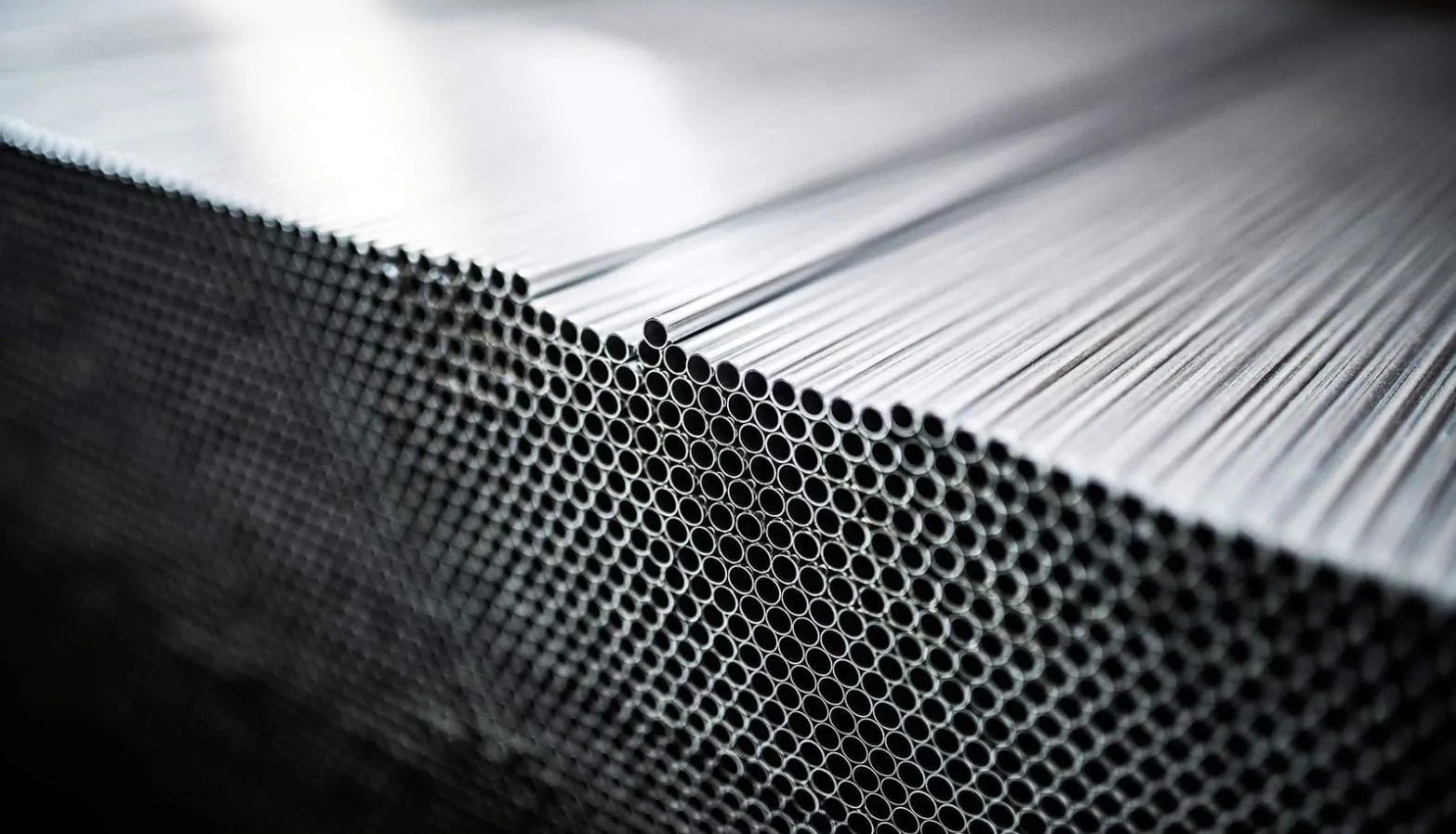
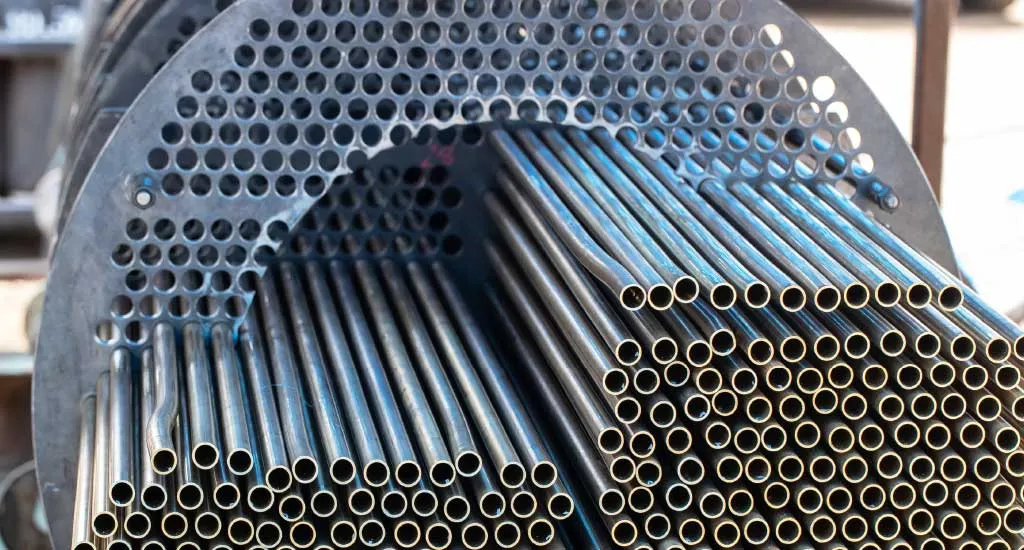
  • Tube Diameter & Thickness: Select dimensions based on fluid type, flow velocity, and pressure requirements.
  • Tube Layout: Common patterns include triangular and square pitch; triangular maximizes heat transfer surface area, while square facilitates cleaning.
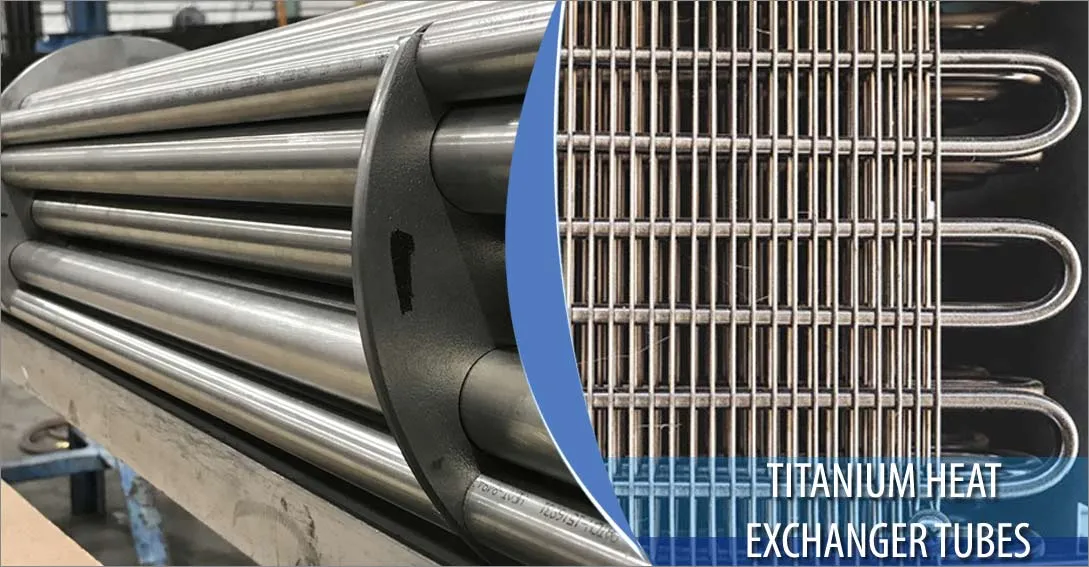
  • Tube Material: Choose corrosion-resistant alloys like 316L, duplex 2205, or titanium for seawater or chemical service. See our heat exchanger tubes for more details.

3. Shell-Side Configuration

  • Shell Diameter: Must accommodate the tube bundle with sufficient clearance for thermal expansion.
  • Baffle Design: Baffles guide shell-side flow to improve turbulence and heat transfer while supporting the tubes.
  • Baffle Spacing: Tighter spacing improves heat transfer but increases pressure drop; find the right balance based on process requirements.

4. Flow Arrangement

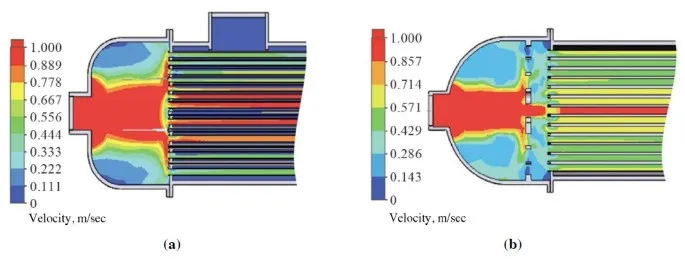
  • Single Pass vs. Multi-Pass: Multi-pass arrangements allow greater heat recovery and smaller units for the same duty, but may increase pressure drop.
  • Counterflow vs. Parallel Flow: Counterflow maximizes the temperature driving force, improving efficiency.
  • Not sure which type fits your duty? Compare options in plate vs shell and tube heat exchangers. When your duty is set, confirm key steps for sizing a shell and tube heat exchanger.

5. Fouling Considerations

Design should minimize areas of low velocity where deposits can settle. For long-term performance, see 7 Effective Ways to Prevent Fouling in Heat Exchangers.


6. Mechanical Design and Standards

  • Design Codes: Ensure compliance with ASME Boiler and Pressure Vessel Code or TEMA standards for pressure-containing equipment.
  • Thermal Expansion: Include expansion joints or floating heads to handle temperature differences between shell and tubes.

7. Maintenance Access

  • Removable Tube Bundle: Simplifies inspection and cleaning, particularly for seawater-cooled units.
  • Manways and Nozzles: Properly sized for internal access and ease of maintenance.

8. Real-World Example

A petrochemical facility redesigned its seawater-cooled shell and tube exchanger using duplex stainless steel tubes, optimized baffle spacing, and a counterflow arrangement. This reduced fouling rates by 35% and improved thermal efficiency by 12%, extending maintenance intervals from 9 months to 15 months.


9. Conclusion

Effective shell and tube heat exchanger design balances thermal performance, pressure drop, fouling resistance, and maintenance requirements. By choosing the right tube material, optimizing baffle and flow design, and adhering to industry standards, you can achieve high efficiency and long service life.

For more on maintenance, read Heat Exchanger Maintenance Checklist, and for corrosion-resistant material selection, see Best Material for Seawater Heat Exchanger.


Contact DLSS
At DLSS, we manufacture high-quality stainless steel tubes for heat exchanger applications, ensuring optimal heat transfer, corrosion resistance, and long service life.
Email: info@dlsspipe.com
Website: www.dlsspipeline.com

Related Reading

Wonderful! Share This Case:

Austenitic Stainless Steel

Duplex Stainless Steel

Nickel Alloys

▪ Incoloy Family

▪ Inconel Family

▪ Monel Family

▪ Hastelloy Family

▪ Other Special Alloys

Cobalt Alloys

Related Posts

7 Effective Ways to Prevent Fouling in Heat Exchangers for Long-Term Performance

7 Effective Ways to Prevent

1. Introduction – Prevent Fouling in Heat Exchangers Knowing how to prevent fouling in heat exchangers is essential for maintaining high efficiency and reducing maintenance costs. Fouling occurs when unwanted deposits form on heat transfer surfaces, decreasing thermal performance and increasing operational expenses. Whether you operate a shell and tube heat exchanger in a chemical […]

Read More
heat exchanger tubes

Heat Exchanger Tubes: Standards, Materials,

Heat exchanger tubes are the backbone of many critical industries, including oil & gas, power generation, petrochemicals, shipbuilding, and desalination. Choosing the right tube material and ensuring compliance with international standards are essential to guarantee safety, efficiency, and long-term performance. In this article, we provide a detailed overview of standards, materials, manufacturing processes, and applications […]

Read More
Choosing the Right Pipe Materials for the Oil & Gas Industry

Guía para Seleccionar Tuberías de

Meta descripción:¿Necesita tuberías confiables para calentadores, intercambiadores o calderas en refinerías latinoamericanas? Descubra qué materiales ofrecen la mejor resistencia a la corrosión y al calor para aplicaciones críticas. Introducción En América del Sur, países como Argentina, Brasil, Chile y Perú están modernizando sus refinerías para cumplir con nuevas demandas energéticas y ambientales.Estos proyectos requieren tuberías […]

Read More
Bright Annealed vs Pickled Tubes – Which Finish Is Right for Your Application?

Bright Annealed vs Pickled Tubes

Meta Description:Explore the differences between bright annealed and pickled stainless steel tubes. Learn which finish is best for your application in terms of corrosion resistance, cleanliness, and industry standards. Introduction When selecting stainless steel tubes, the surface finish isn’t just cosmetic—it directly affects corrosion resistance, cleanability, and suitability for critical applications such as food processing, […]

Read More

How to Ensure NACE MR0175

Meta Description:Discover how to meet NACE MR0175/ISO 15156 compliance when sourcing stainless steel seamless tubes for sour service. Learn about materials, testing, certifications, and supplier selection. Introduction Sour gas environments—containing hydrogen sulfide (H₂S)—pose one of the greatest challenges for stainless steel tubes in the oil and gas industry. The presence of H₂S increases the risk […]

Read More
Stainless Steel Seamless Pipes for Mining and Metallurgy Projects in South America

Stainless Steel Seamless Pipes for

Meta Description:Discover how stainless steel seamless tubes support high-performance mining and metallurgy operations across Chile, Peru, and Brazil. Learn about corrosion resistance, mechanical strength, and industry standards. Introduction South America is home to some of the world’s most significant mining and metallurgical hubs, particularly in Chile, Peru, and Brazil. With growing global demand for copper, […]

Read More
Low-Fin vs Corrugated Tubes – Which Is Better for Heat Transfer Efficiency?

Low-Fin vs Corrugated Tubes –

Meta Description:Compare low-fin and corrugated stainless steel tubes for heat exchanger applications. Understand the advantages, design differences, and how to choose the most efficient option for your thermal system. Introduction When optimizing a heat exchanger’s performance, selecting the right tube geometry can dramatically impact thermal transfer efficiency, pressure drop, and equipment footprint. Among the most […]

Read More
Understanding Duplex Stainless Steel Tubes – Grades, Benefits, and Applications

Understanding Duplex Stainless Steel Tubes

Meta Description:Explore the advantages of duplex stainless steel tubes. Learn about key grades like 2205 and 2507, their properties, and why they are preferred in harsh industrial environments. Introduction Duplex stainless steel tubes are rapidly becoming the preferred solution for demanding industries such as oil & gas, marine, chemical processing, and desalination. With their dual-phase […]

Read More

Request A Quote

*We respect your confidentiality and all information are protected.