TP304 vs TP316L: A Comprehensive Guide to Choosing the Right Stainless Steel Tube

DLSS - Pipe&Tube - TP304 vs TP316L: A Comprehensive Guide to Choosing the Right Stainless Steel Tube

Introduction

TP304 and TP316L are the two most widely used austenitic stainless steel grades in industrial piping, particularly in heat exchangersboiler systems, and chemical plants. While both belong to the same stainless steel family, they differ in corrosion resistancemechanical properties, and application suitability.

In this article, we compare TP304 and TP316L across 5 key aspects to help engineers, procurement teams, and project managers make informed material decisions.

1. Chemical Composition

ElementTP304 (%)TP316L (%)
C≤ 0.08≤ 0.03
Cr18.0–20.016.0–18.0
Ni8.0–11.010.0–14.0
Mo2.0–3.0
  • TP316L contains molybdenum (Mo), which significantly enhances resistance to chloride-induced corrosion.
  • The low carbon in TP316L prevents carbide precipitation during welding.
2. Corrosion Resistance

EnvironmentTP304TP316L
General atmospheres Suitable Suitable
Mild acids (HNO₃, acetic acid) Good Excellent
Chloride-rich (marine, saltwater) Limited Strong resistance
Sulfate-based chemicals Moderate Preferred

Reference: Outokumpu Stainless Handbook

Conclusion: TP316L is clearly the better choice in marine, chemical, and food-grade environments.
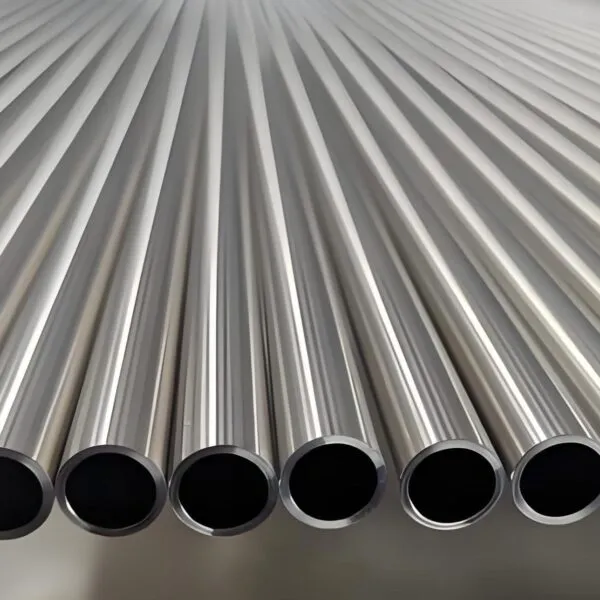
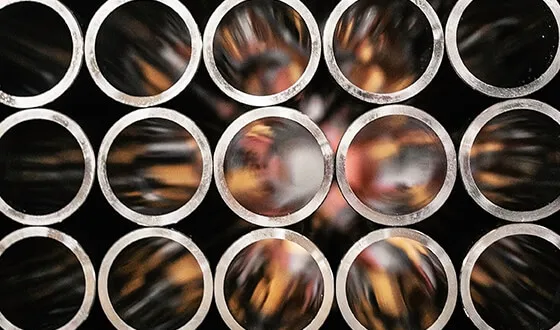
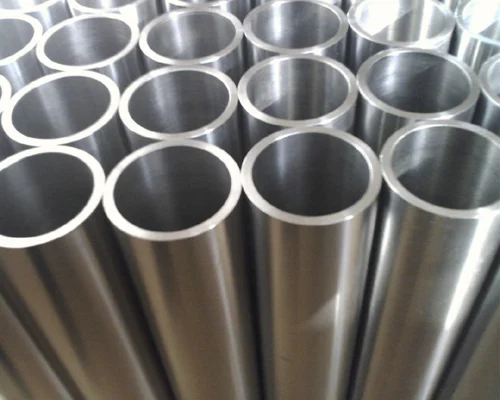
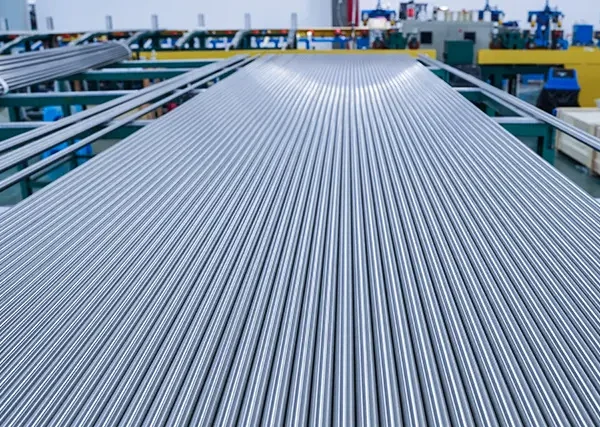
Stainless steel seamless bright tube

3. Weldability & Fabrication

PropertyTP304TP316L
Weldability Excellent Excellent
Post-weld corrosion risk Possible Low
Cold workability Good Good
  • TP316L’s low carbon makes it ideal for heavy-welded structures or sanitary piping.
  • Both grades are suitable for cold drawing, bending, and forming.
4. Cost Comparison

GradeMarket Price Estimate (USD/kg)*Notes
TP304~$2.5–3.0Most common and economical choice
TP316L~$3.2–3.8Higher nickel & molybdenum content

*Prices vary by region and market trends.

Tip: TP316L may be 15–25% more expensive, but the long-term value in aggressive environments can be substantial.
5. Application Suitability

Industry / Use CasePreferred Grade
HVAC, water chillersTP304
General process pipingTP304
Marine heat exchangersTP316L
Pharmaceutical pipingTP316L
Food & beverage productionTP316L
Oil & gas refineriesTP316L

DLSS commonly supplies TP316L to customers in South KoreaMalaysiaIran, and Saudi Arabia for chemical and heat exchanger projects.
Conclusion

If your project is in a clean, non-corrosive environmentTP304 is a cost-effective and capable option.
If you’re dealing with chlorides, acids, or require weldingTP316L is the superior and safer choice.

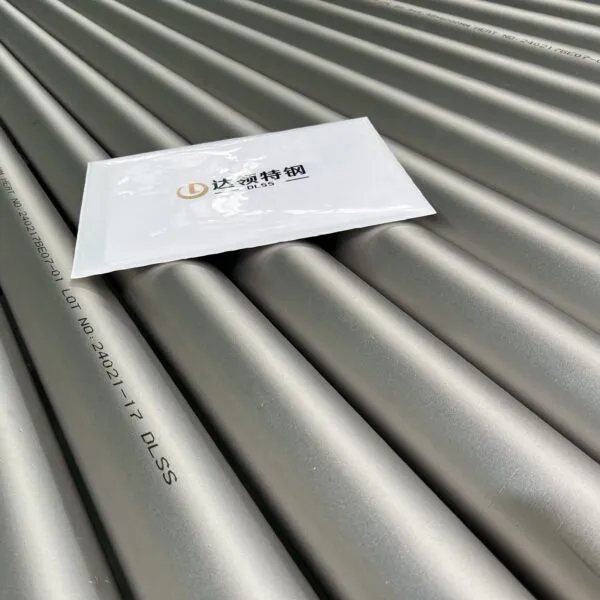
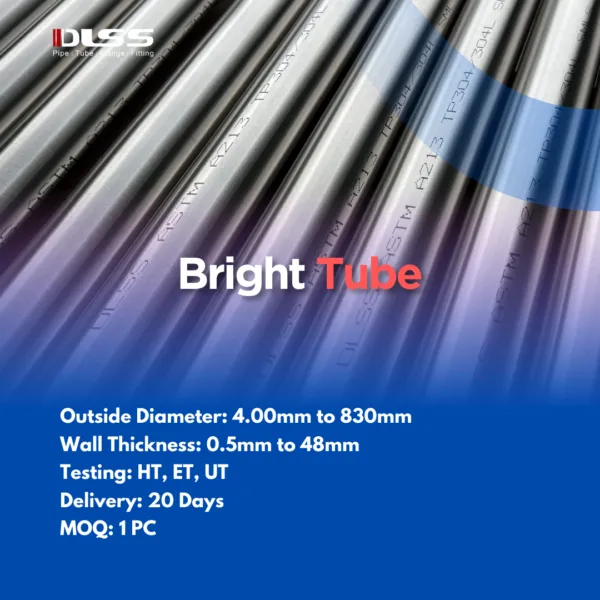
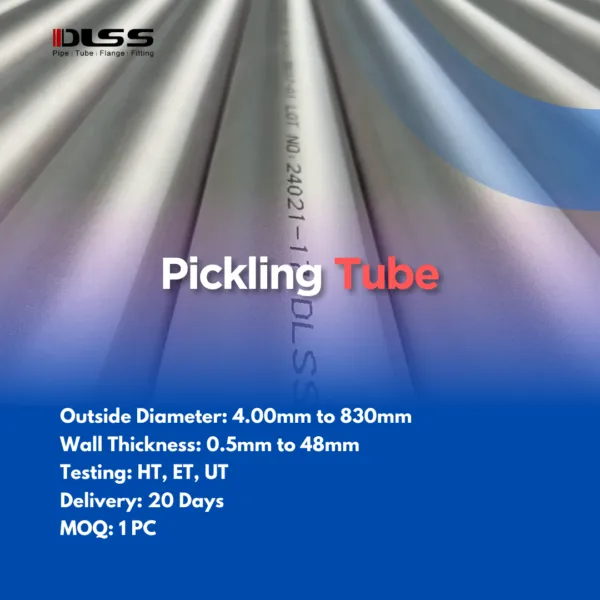
DLSS provides both TP304 and TP316L seamless tubes in compliance with ASTM A213 / A312, with bright annealed or pickled finish, and supports custom dimensions and U-bends.

Ready to Request a Quote?

Let our engineers help you select the right material for your next project.
Emailinfo@dlsspipe.com
Websitewww.dlsspipeline.com

Wonderful! Share This Case:

Austenitic Stainless Steel

Duplex Stainless Steel

Nickel Alloys

▪ Incoloy Family

▪ Inconel Family

▪ Monel Family

▪ Hastelloy Family

▪ Other Special Alloys

Cobalt Alloys

Related Posts

Stainless Steel Tubes for Heat Exchangers: Grades, Benefits, and Industrial Applications

Stainless Steel Tubes for Heat

Stainless steel has become the material of choice for heat exchanger tubes across a wide range of industries. Its combination of corrosion resistance, mechanical strength, and cleanability makes it ideal for applications requiring durability and thermal efficiency. Choosing the right stainless steel grade is essential to maximizing performance and minimizing lifecycle costs. This article explores […]

Read More
How Long Do Stainless Steel Seamless Pipes Last? Lifespan, Factors, and Best Practices

How Long Do Stainless Steel

Meta Description:How durable are stainless steel seamless pipes? Learn about average service life, key factors that affect corrosion and fatigue, and how to extend performance in industrial systems. Introduction Stainless steel seamless pipes are widely known for their long service life, but just how long can they last? Under ideal conditions, seamless stainless steel pipes […]

Read More
Heat Exchanger Maintenance Checklist: How to Extend Equipment Life and Improve Performance

Heat Exchanger Maintenance Checklist: How

1. Introduction – Heat Exchanger Maintenance Checklist Following a structured heat exchanger maintenance checklist is the most effective way to keep your equipment running efficiently, avoid costly breakdowns, and extend service life. Whether you operate a shell and tube heat exchanger, a plate heat exchanger, or an air-cooled model, regular preventive maintenance ensures consistent heat […]

Read More
How to Interpret a Stainless Steel Mill Test Certificate (MTC)

How to Interpret a Stainless

Meta Description:Learn how to read and understand a stainless steel Mill Test Certificate (MTC). This guide explains MTC format, content, EN 10204 types, and what to verify before accepting a shipment. Introduction A Mill Test Certificate (MTC), also known as a Material Test Report (MTR), is a quality assurance document provided by the manufacturer. It […]

Read More
Heat Exchangers in the Food and Beverage Industry: Hygienic Design and Stainless Steel Tube Selection

Heat Exchangers in the Food

In the food and beverage (F&B) industry, heat exchangers play a vital role in processes such as pasteurization, sterilization, CIP cleaning, and temperature control in production lines. These systems must meet stringent hygiene requirements, resist corrosion, and maintain high thermal efficiency under continuous operation. This article explores how heat exchangers are used in F&B, the […]

Read More

15-Day Delivery of ASTM A182

DLSS recently fulfilled an urgent order for a Dubai-based equipment manufacturer, delivering five 16″ STD CL600 Weld Neck Raised Face (WNRF) flanges made from ASTM A182 F53 (UNS S32750) super duplex stainless steel. Operating in a high-chloride, highly corrosive seawater environment, the client required ASME B16.5 compliance with an exceptionally fast 15-day lead time. Project […]

Read More
Top 10 Applications of Stainless Steel Tubes in the Oil & Gas Industry

Top 10 Applications of Stainless

Meta Description:Explore the top 10 critical applications of stainless steel tubes in the oil & gas industry. Learn how DLSS tubes perform under high pressure, corrosion, and extreme conditions. Introduction The oil and gas industry operates under extreme conditions—high pressure, corrosive environments, and fluctuating temperatures. To ensure safety and durability, stainless steel tubes are essential […]

Read More
Spiral Finned Tube vs Extruded Finned Tube: Which is Better for Your Project?

Spiral Finned Tube vs Extruded

When selecting spiral finned tube vs extruded finned tube for a heat exchanger, engineers must weigh performance, durability, and operating costs. Both fin types enhance heat transfer, but their differences can significantly affect long-term efficiency. If you’re new to finned tubes, start with What is a Finned Tube and How It Improves Heat Exchanger Efficiency. […]

Read More

Request A Quote

*We respect your confidentiality and all information are protected.