Heat Exchanger Tube Manufacturing for Japan’s Power Industry(日本の発電産業向け熱交換器チューブ製造)

DLSS - Market Insights – Japan - Heat Exchanger Tube Manufacturing for Japan’s Power Industry(日本の発電産業向け熱交換器チューブ製造)

1. Introduction

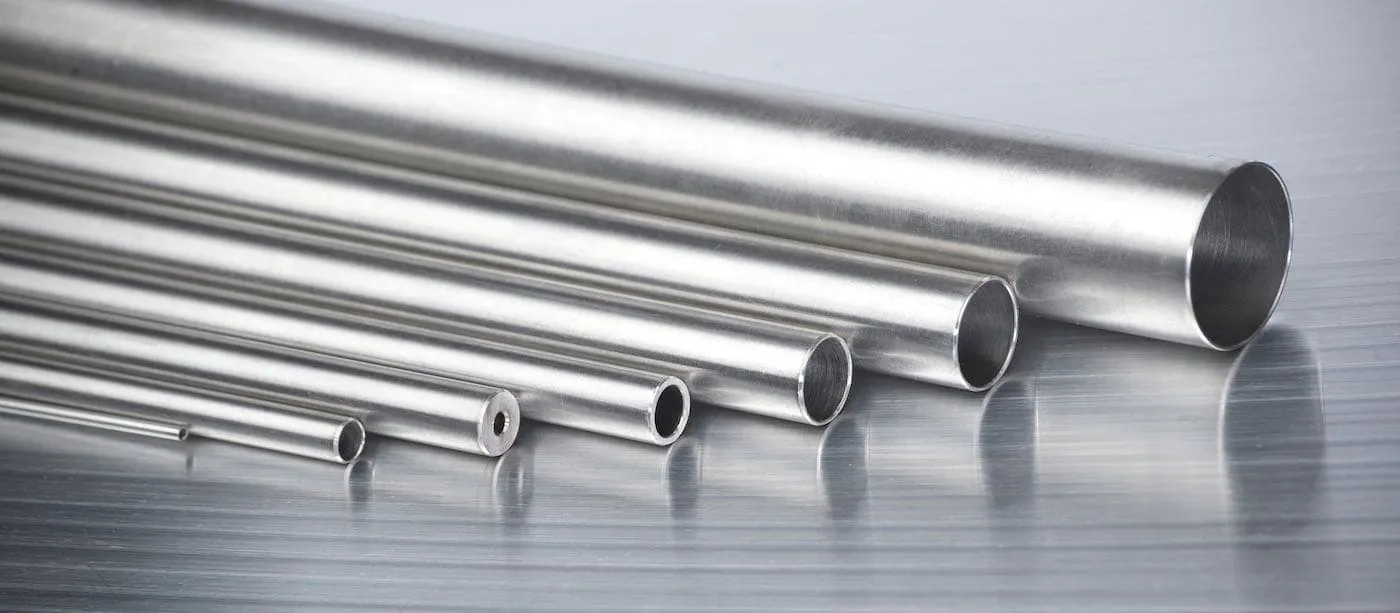
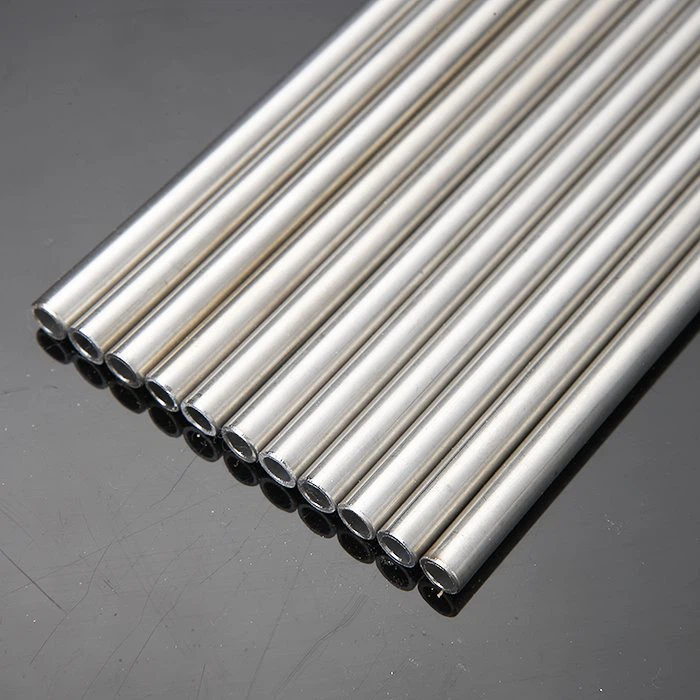
Japan’s power sector—including 火力発電所 (thermal power plants), 原子力発電所 (nuclear power plants), and 再生可能エネルギー施設 (renewable energy facilities)—demands high-performance heat exchanger tube Japan that can withstand high pressure, high temperature, and corrosive environments. DLSS provides stainless steel and special alloy tubes that meet JIS G3463 and ASTM standards, ensuring long service life and stable performance.


2. Key Standards for Power Plant Tubes

JIS G3463 – Stainless steel tubes for boilers and heat exchangers:

  • Grades: SUS304, SUS304L, SUS316, SUS316L, SUS321, etc.
  • Applications: Heat exchangers, condensers, superheaters

ASTM A213 – Seamless ferritic and austenitic alloy-steel boiler, superheater, and heat-exchanger tubes:

  • Grades: TP304, TP316, TP321, TP347H, etc.

Reference: JIS G3463 Standard


3. Challenges in Japan’s Power Industry

  • High-temperature corrosion from steam and flue gas
  • Seawater cooling corrosion in coastal power stations
  • Thermal fatigue from frequent load changes
  • Strict inspection requirements for nuclear and critical infrastructure

4. DLSS Manufacturing Capabilities

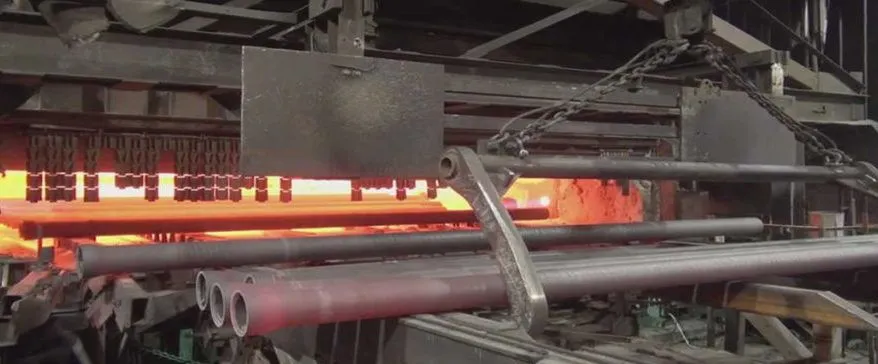
  • Precision Manufacturing: Tight OD/WT tolerances for perfect tube-to-tube sheet fit
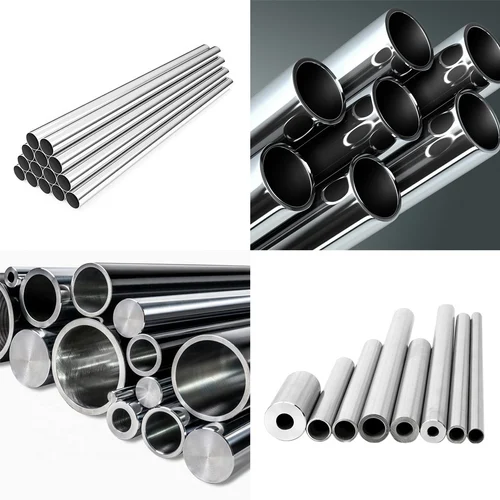
  • Material Expertise: Austenitic stainless, duplex, super duplex, titanium
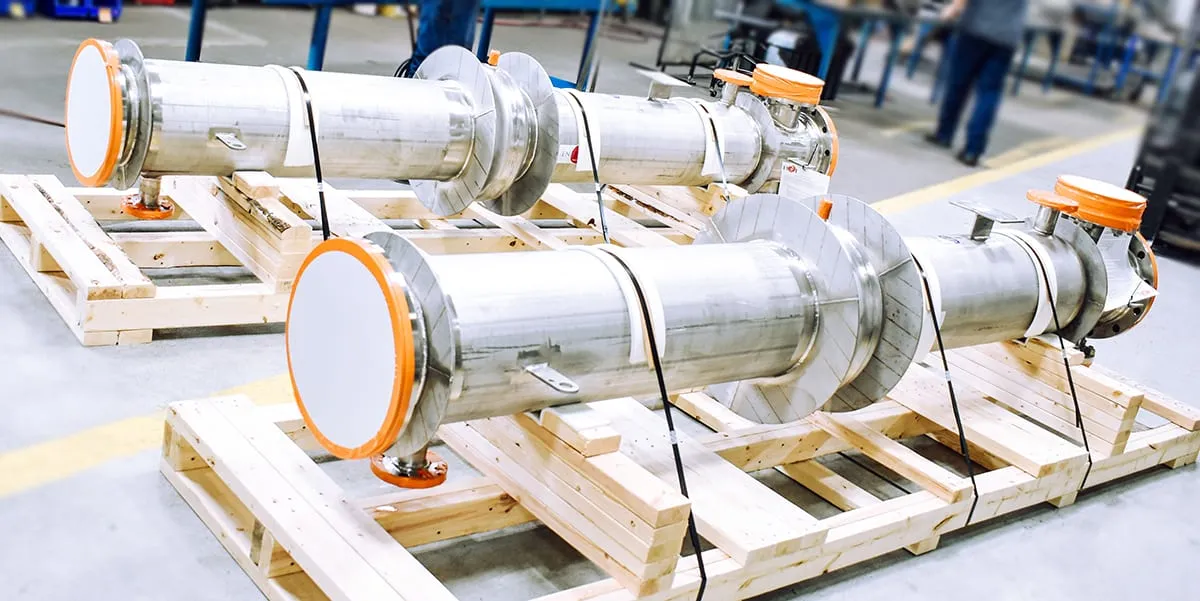
  • Advanced Bending: U-bend tube production for condensers and heat exchangers
  • Non-Destructive Testing: Eddy current, ultrasonic, and hydrostatic testing
  • Surface Quality: Bright annealed or pickled finish to enhance corrosion resistance

5. Case Examples

  • Nuclear Plant Condenser Upgrade: Supplied SUS316L U-bend tubes with enhanced pitting resistance for a coastal nuclear power station in Japan
  • Thermal Plant Retrofit: Delivered ASTM A213 TP321 tubes to replace aged superheater units, extending service life by over 10 years

6. Conclusion & Call to Action

For heat exchanger tube Japan applications in the power industry, DLSS offers certified quality, timely delivery, and expertise in meeting both domestic and international standards. Whether your project is a new installation or a retrofit, we ensure performance and reliability.

info@dlsspipe.com | www.dlsspipeline.com

Wonderful! Share This Case:

Austenitic Stainless Steel

Duplex Stainless Steel

Nickel Alloys

▪ Incoloy Family

▪ Inconel Family

▪ Monel Family

▪ Hastelloy Family

▪ Other Special Alloys

Cobalt Alloys

Related Posts

nuclear-smr-stainless-tube-market-opportunity

How Nuclear Energy and SMRs

As the world searches for low-carbon, reliable energy, nuclear power is regaining momentum—this time with smaller, safer, and more modular technology. Small Modular Reactors (SMRs) are expected to play a vital role in off-grid energy, decarbonization of industry, and stable base-load supply. These reactors rely heavily on high-performance stainless steel and alloy tubing for their […]

Read More
Seamless vs Welded Stainless Steel Pipes: Which Is More Reliable in 2025?

Seamless vs Welded Stainless Steel

Meta Description:Learn the key differences between seamless and welded stainless steel pipes. Discover which option is better for pressure, corrosion, and project reliability in modern industrial applications. Introduction When selecting stainless steel pipes for high-stakes projects—whether in oil & gas, chemical processing, or heat exchanger systems—one key decision is: Should I choose seamless or welded […]

Read More

Everything You Need to Know

What Are Inner Grooved Coil Tubes? Inner grooved coil tubes, also known as ribbed tubes or micro-fin tubes, are seamless or welded coil tubes with precisely formed helical grooves on the internal surface. These grooves increase turbulence in fluid flow, thereby enhancing the heat transfer coefficient. They are widely used in: Why Choose Inner Grooved Tubes?  30–50% better heat transfer than smooth tubes Enhanced […]

Read More
ASTM B111 C44300 (O61) Admiralty Brass Seamless Tube – 19.05 × 1.65 × 6100mm

ASTM B111 C44300 (O61) Admiralty

Product Summary Material Overview – C44300 Admiralty Brass C44300, commonly referred to as Admiralty Brass, is a copper-zinc alloy with a small amount of tin. It is specifically developed for excellent corrosion resistance in seawater and brine environments, making it ideal for refinery and power station heat exchanger tubes. Element Typical Composition (%) Copper (Cu) 70.0 – 73.0 Zinc […]

Read More

Stainless Steel Seamless Pipe for

Meta Description:Explore how stainless steel seamless pipes tested to NACE MR0175 / ISO 15156 and MR0103 standards ensure safety in sour service environments. Learn about SSC, HIC, and corrosion resistance. Introduction Sour service environments—such as oil and gas fields containing hydrogen sulfide (H₂S)—pose serious challenges to piping materials. Without the proper metallurgy and testing, stainless […]

Read More
Choosing the Right Pipe Materials for the Oil & Gas Industry

Guía para Seleccionar Tuberías de

Meta descripción:¿Necesita tuberías confiables para calentadores, intercambiadores o calderas en refinerías latinoamericanas? Descubra qué materiales ofrecen la mejor resistencia a la corrosión y al calor para aplicaciones críticas. Introducción En América del Sur, países como Argentina, Brasil, Chile y Perú están modernizando sus refinerías para cumplir con nuevas demandas energéticas y ambientales.Estos proyectos requieren tuberías […]

Read More
Cost vs Performance: Are Titanium Pipes Worth It in Power Plant Condensers?

Cost vs Performance: Are Titanium

1. Introduction Power plants around the world rely on efficient condenser systems to maximize energy output and minimize downtime. Material choice for condenser tubes directly impacts operating costs and plant reliability. While stainless steel and copper alloys have traditionally been used, titanium pipes (Grade 2, ASTM B338) are increasingly recognized as the most cost-effective solution […]

Read More
Understanding Pickling and Passivation in Stainless Steel Tube Production

Understanding Pickling and Passivation in

Meta Description:Learn how pickling and passivation improve corrosion resistance in stainless steel tubes. Explore DLSS’s cleaning methods, ASTM standards, and industry-specific applications. Introduction Even the highest-grade stainless steel can suffer from surface contamination during tube forming, welding, or heat treatment. To restore the full corrosion resistance of stainless steel tubes, manufacturers must apply pickling and […]

Read More

Request A Quote

*We respect your confidentiality and all information are protected.