How to Pass 3.2 Certification for Heat Exchanger Tubing Projects

DLSS - Tubes For Heat Exchanger - How to Pass 3.2 Certification for Heat Exchanger Tubing Projects

Introduction

For heat exchanger projects in industries like oil & gas, power generation, and refineries, third-party certification is often non-negotiable.

One of the highest levels of documentation is the EN 10204 3.2 certificate, which proves that material, testing, and inspection are approved by an independent authority—often required by EPC clients or government contracts.

This guide explains what 3.2 certification is, how it differs from 3.1, and what you need to pass it smoothly—without delays or rejections.


What Is EN 10204 3.2 Certification?

Under the EN 10204 standard, 3.2 certification confirms that:

  • The manufacturer’s quality control has tested and approved the material
  • An independent third party (like TÜV, DNV, BV, Lloyd’s) or the buyer’s appointed inspector has verified compliance
  • The certificate includes all mechanical, chemical, and dimensional test results, witnessed or reverified by the inspector

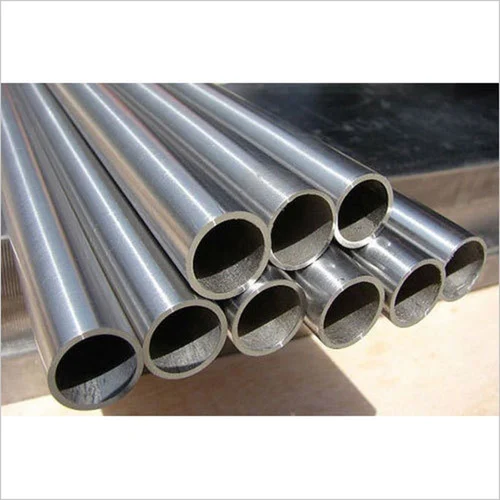
For heat exchanger tubing, this applies to seamless stainless steel tubes, often under ASTM A213, A312, or EN 10216-5.

Official standard: EN 10204 explained by BSI


3.1 vs. 3.2: What’s the Difference?

FeatureEN 10204 3.1EN 10204 3.2
Issued byManufacturer’s QA deptManufacturer + Independent Inspector
Third-party witnessNot requiredRequired
Data verifiedBy manufacturer onlyBy inspector or client representative
Typical useGeneral industrial supplyHigh-risk, critical, or regulated projects

When Is 3.2 Certification Required?

  • Government or regulated projects (e.g., nuclear, power plant, refinery projects)
  • High-pressure heat exchanger systems
  • Clients like Petrobras, Shell, YPF, TotalEnergies
  • EPC contractors requiring full traceability and inspection witness

How to Prepare for a Successful 3.2 Inspection

1. Use a Qualified Manufacturer

Only manufacturers with a quality system (ISO 9001) and traceable material records can issue 3.2 documents with third-party validation.

2. Confirm Standards in Advance

Ensure your product meets:

  • ASTM A213 or A312
  • EN 10216-5 or EN 13480
  • NACE MR0175 or ASME B31.3 where required

3. Plan the Witness Schedule

Coordinate with inspection agencies like SGS, BV, TÜV, DNV for:

  • Heat number verification
  • Dimensional checks
  • Mechanical & chemical testing
  • Final document signoff

4. Provide Full Documentation

Before certification, have ready:

  • MTC (3.1 base report)
  • Heat treatment records
  • PMI / EC / UT / hydrostatic test reports
  • Dimensional reports
  • WPS/PQR (if welding applies)

Common Reasons for 3.2 Rejection

  • Heat numbers on certificate don’t match product markings
  • Surface defects or weld quality issues not meeting spec
  • Missing or incomplete test documentation
  • Failure to notify inspector before key production stages

DLSS Experience with 3.2 Certification

DLSS has passed 3.2 certifications for projects in:

  • Brazil (FPSO and LNG) – TP316L and Incoloy 825 tubes
  • Argentina – TP347H seamless tubes for hydrogen reformers
  • Peru and Chile – Duplex exchanger tubes with SGS witness
  • We coordinate inspection schedules, provide bilingual docs, and allow video inspection upon request

Frequently Asked Questions (FAQ)

Q1: Is a 3.2 certificate always required?
No. Many projects accept 3.1 unless pressure, safety, or legal compliance is critical.

Q2: Who can issue a 3.2 certificate?
It must be signed by both the manufacturer’s QA representative and an independent inspector (SGS, BV, TÜV, etc.)

Q3: What if the inspector is not available during production?
Remote or video inspection may be allowed. But approval must be agreed in advance by the client.

Q4: Can DLSS provide 3.2 tubes with short lead time?
Yes, for select grades and sizes in stock. For new production, we typically arrange inspection 2–3 days after test completion.


Conclusion

3.2 certification proves your stainless steel heat exchanger tubes are fully compliant, independently verified, and traceable—a key requirement for many international and government-backed projects.

DLSS supports the entire 3.2 process with technical documentation, certified test reports, and coordination with major inspection agencies—ensuring smooth approval and zero rework.


Contact DLSS
Email: info@dlsspipe.com
Website: www.dlsspipeline.com
Wonderful! Share This Case:

Austenitic Stainless Steel

Duplex Stainless Steel

Nickel Alloys

▪ Incoloy Family

▪ Inconel Family

▪ Monel Family

▪ Hastelloy Family

▪ Other Special Alloys

Cobalt Alloys

Related Posts

Middle East Market Insight: Stainless Steel Seamless Tube Demand in Refining and Desalination Projects

Middle East Market

The Middle East remains one of the world’s largest consumers of stainless steel seamless tubes—driven by oil & gas refining, petrochemical facilities, and mega-scale desalination and water treatment plants. As Gulf countries shift toward more technologically advanced, environmentally compliant, and cost-efficient infrastructure, the demand for U-bent heat exchanger tubes, duplex/super...

Read More
Aluminum Brass C68700 (O61) ASTM B111 Seamless Tube 19 × 1.6mm × 3000mm with 100% Eddy Current Testing for Condenser Applications.

Aluminum Brass C68700

Product Overview: ASTM B111 C68700 Aluminum Brass Seamless Tube (19×1.6mm, 3000mm) C68700 Aluminum Brass, also known as Al-Brass, is a copper-zinc alloy enhanced with a small amount of aluminum. It is widely recognized for its exceptional resistance to dezincification, corrosion, and biofouling, especially in seawater and brackish water environments. This makes it...

Read More
In‑Depth Guide to Finned Tubes: Why They’re Trending in 2025

In‑Depth Guide to

Overview & Industry Outlook Finned tubes are rapidly gaining attention in 2025 due to their unmatched ability to enhance thermal transfer efficiency in compact spaces. According to MarketWatch, the finned tube heat exchanger market is projected to reach USD 20+ billion globally, driven by the expanding needs of HVAC systems,...

Read More
hardness testing MTC stainless steel tubes

Hardness Testing in

Introduction Mill Test Certificates (MTCs) are essential documents for stainless steel tubes, certifying that products comply with ASTM, ASME, EN, and JIS standards. Among the critical mechanical properties included, hardness values (Brinell, Rockwell, Vickers) are especially important for ensuring suitability in demanding applications like boilers and heat exchangers. 1. Hardness...

Read More
Geothermal Heat Exchangers: How They Work and Why Stainless Steel Tubes Matter

Geothermal Heat Exchangers:

As global interest in renewable energy grows, geothermal systems are increasingly being adopted for heating, cooling, and even power generation. At the heart of these systems are geothermal heat exchangers, responsible for transferring thermal energy between the ground and the working fluid. This article explains how geothermal heat exchangers work,...

Read More
Why Stainless Steel Seamless Tubes Are the Backbone of South America’s Energy Industry

Why Stainless Steel

Introduction South America is rich in natural resources—but also in engineering challenges. With vast offshore oil fields, mountainous LNG projects, and acidic mining processes, the region demands durable, corrosion-resistant piping systems. Stainless steel seamless tubes have become the material of choice across the continent for reliability, strength, and long lifecycle...

Read More
ASTM Standards for Nickel and Titanium Pipes: A Complete Guide

ASTM Standards for

1. Introduction When sourcing nickel alloy and titanium pipes for chemical plants, desalination projects, or power plants, compliance with ASTM standards is a key requirement. ASTM (American Society for Testing and Materials) specifications define the chemical composition, mechanical properties, testing, and delivery conditions for these critical materials. This article provides...

Read More
How to Choose the Right Pipe Material for Your Industrial Project

How to Choose

Choosing the right pipe material is not only a purchasing decision. It affects corrosion resistance, pressure safety, temperature performance, welding, installation, maintenance cost, inspection, and long-term reliability. For industrial projects such as chemical plants, refineries, power plants, shipbuilding, heat exchangers, food processing, water treatment, and oil and gas systems, a...

Read More

Request A Quote

*We respect your confidentiality and all information are protected.