Stainless Steel Instrumentation Tubing for Japan’s Oil & Gas Projects – 日本石油・ガス産業向けステンレス計装チューブ

DLSS - Market Insights – Japan - Stainless Steel Instrumentation Tubing for Japan’s Oil & Gas Projects – 日本石油・ガス産業向けステンレス計装チューブ

Introduction

The oil and gas industry in Japan demands high-precision stainless steel instrumentation tubing for safe and efficient operation of control systems. DLSS supplies JIS G3446-compliant tubes with excellent corrosion resistance, precision dimensional tolerances, and long service life in harsh offshore and onshore environments.


1. Why Stainless Instrumentation Tubes for Oil & Gas(石油・ガスにステンレス計装チューブが必要な理由)

  • High Corrosion Resistance – withstands chloride-rich marine environments
  • Dimensional Precision – critical for leak-free instrumentation systems
  • Compatibility – works with Swagelok, Parker, and other leading fittings

2. Standards & Certifications(規格と認証)

DLSS instrumentation tubes comply with:


3. Common Applications in Japan(日本での主な用途)

  • Offshore platform control lines
  • Gas processing plant instrumentation
  • Refinery measurement systems
  • Subsea umbilical tubing assemblies

4. Packaging for Offshore Delivery(海上輸送用梱包)

  • Seaworthy export packaging
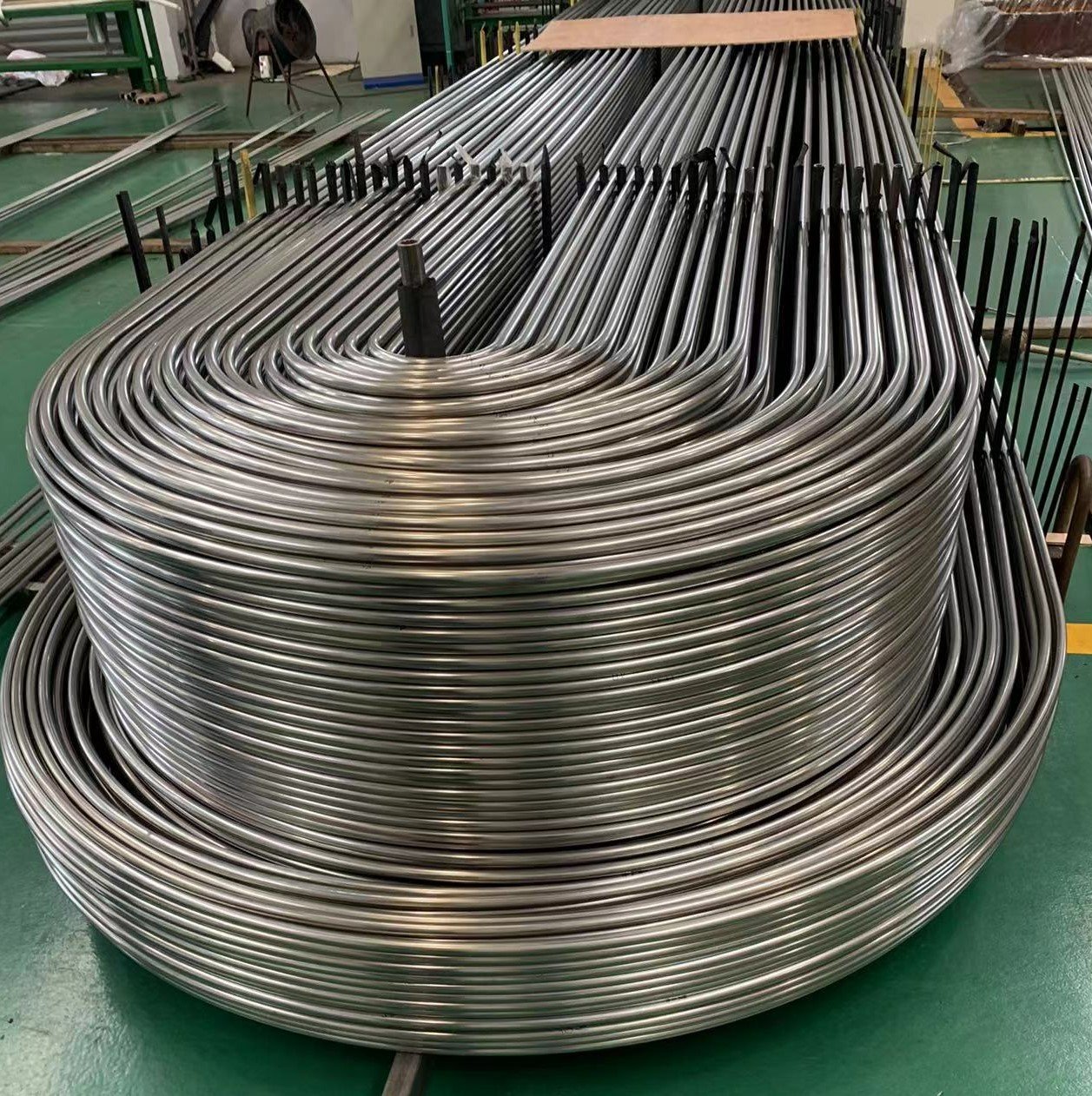
  • Coiled or straight lengths with capped ends
  • Wrapped in moisture-proof film to prevent corrosion during transit

5. Why Japanese Oil & Gas Companies Choose DLSS(日本の石油・ガス企業がDLSSを選ぶ理由)

  • Proven supply record for Japanese offshore EPC projects
  • Ability to supply both seamless and welded instrumentation tubing
  • Rapid delivery schedule to match shutdown and maintenance timelines

FAQ(よくある質問)

Q1: Which JIS standard applies to stainless steel instrumentation tubes?
A1: JIS G3446 for stainless steel precision tubes.

Q2: Can DLSS provide instrumentation tubes in both metric and inch sizes?
A2: Yes, we supply both metric and imperial sizes to meet project specifications.

Q3: What grades are most common for oil & gas instrumentation tubing?
A3: TP316/316L are most widely used for their chloride corrosion resistance.

Q4: Can DLSS provide tubing with special surface finishes for offshore projects?
A4: Yes, we offer bright annealed, polished, and passivated surfaces.

Q5: What is the lead time for supplying instrumentation tubes to Japan?
A5: Usually 35–50 days, depending on order volume and specifications.

Wonderful! Share This Case:

Austenitic Stainless Steel

Duplex Stainless Steel

Nickel Alloys

▪ Incoloy Family

▪ Inconel Family

▪ Monel Family

▪ Hastelloy Family

▪ Other Special Alloys

Cobalt Alloys

Related Posts

15-Day Delivery of ASTM A182

DLSS recently fulfilled an urgent order for a Dubai-based equipment manufacturer, delivering five 16″ STD CL600 Weld Neck Raised Face (WNRF) flanges made from ASTM A182 F53 (UNS S32750) super duplex stainless steel. Operating in a high-chloride, highly corrosive seawater environment, the client required ASME B16.5 compliance with an exceptionally fast 15-day lead time. Project […]

Read More
Seamless vs. Welded Pipes: Which Is Right for Your Industrial Pipeline?

Seamless vs. Welded Pipes: Which

Meta Description:Compare seamless and welded pipes in terms of cost, pressure capacity, corrosion resistance, and industrial use. Learn how to choose the right pipe for your project. Introduction In pipeline engineering, one of the most common questions from project engineers and procurement teams is:“Should we use seamless pipes or welded pipes?” Each option has distinct […]

Read More
ASTM A270 vs ASME BPE: Understanding the Difference in Sanitary Tubing Standards

ASTM A270 vs ASME BPE:

Meta Description:Confused between ASTM A270 and ASME BPE sanitary tube standards? Learn the key differences in tolerance, surface finish, and certification, especially for food, beverage, and pharmaceutical applications. Introduction When sourcing sanitary stainless steel tubes for use in food, beverage, or pharmaceutical industries in Latin America, two standards dominate global procurement: At first glance, both […]

Read More
Weldability and Fabrication Challenges of Titanium and Nickel Alloy Tubes

Weldability and Fabrication Challenges of

1. Introduction Welding and fabrication are critical stages in the production and installation of titanium tubes and nickel alloy pipes. Both materials offer superior corrosion resistance and mechanical properties, but they require specialized welding techniques, strict process control, and skilled workmanship to ensure reliability in demanding applications such as desalination plants, LNG terminals, and chemical […]

Read More
Flange Sealing Techniques: How to Ensure a Leak-Proof Pipeline Connection

Flange Sealing Techniques: How to

Meta Description:Explore how proper flange sealing techniques, gasket selection, and installation methods impact pipeline integrity. Learn how to avoid flange leaks in industrial systems. Introduction If you’ve ever walked through an oil refinery or a chemical plant, you’ve probably seen a flange connection wrapped in insulation—maybe even dripping or steaming from a tiny leak. Flange […]

Read More
hygienic-food-pharma-heat-exchanger-stainless-steel

Hygienic Stainless Steel Heat Exchanger

In the food and pharmaceutical industries, cleanliness is not optional—it’s mandatory. Heat exchangers in these sectors are integral to pasteurization, sterilization, CIP (clean-in-place) loops, and product temperature control. That’s why the choice of tubing is critical. Sanitary-grade stainless steel tubes ensure both product safety and regulatory compliance, while also withstanding the harsh cleaning agents and […]

Read More
Nickel Alloy Steel Seamless Pipes and Tubes: Industrial Advantages and Applications

Nickel Alloy Steel Seamless Pipes

Introduction Nickel alloy steel seamless pipes and tubes are essential materials in demanding industries where components must withstand extreme temperatures, corrosive chemicals, and high pressure. Their seamless structure combined with the superior characteristics of nickel-based alloys makes them the material of choice for chemical processing, petrochemical, marine, power generation, and LNG applications. Nickel-based alloys are […]

Read More
Top Surface Finishes for Stainless Steel Tubes – BA, EP, Polished, and More

Top Surface Finishes for Stainless

Meta Description:Discover the most common surface finishes for stainless steel tubes—BA, EP, polished, pickled—and how each impacts corrosion resistance, cleanliness, and application suitability. Introduction Surface finish plays a critical role in determining the performance and aesthetics of stainless steel tubes, especially in industries like pharmaceuticals, food processing, heat exchangers, and instrumentation systems. Whether your project […]

Read More

Request A Quote

*We respect your confidentiality and all information are protected.