Applications of Nickel Alloy Pipes in LNG and Refinery Projects

DLSS - Pipe&Tube - Applications of Nickel Alloy Pipes in LNG and Refinery Projects

1. Introduction

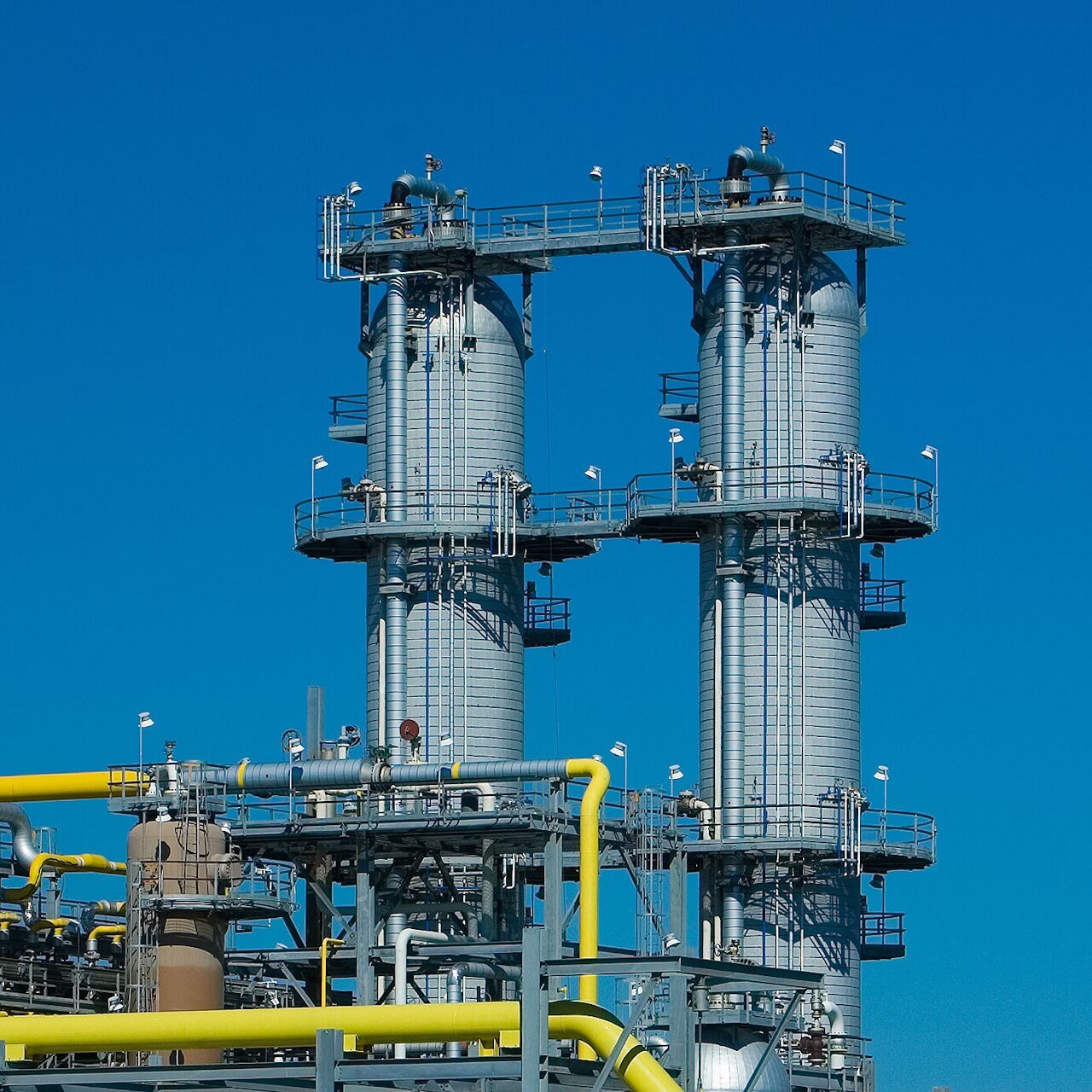
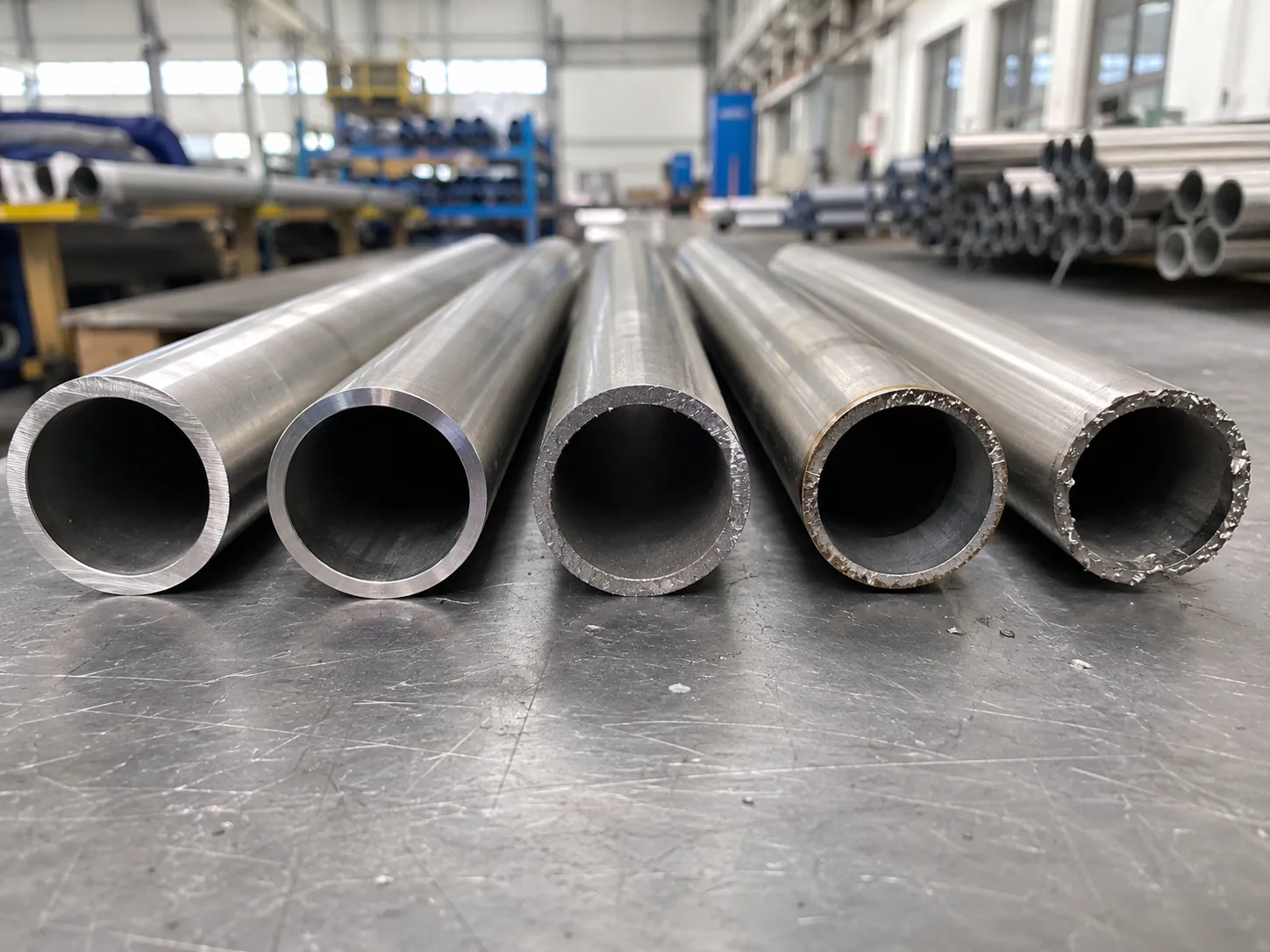
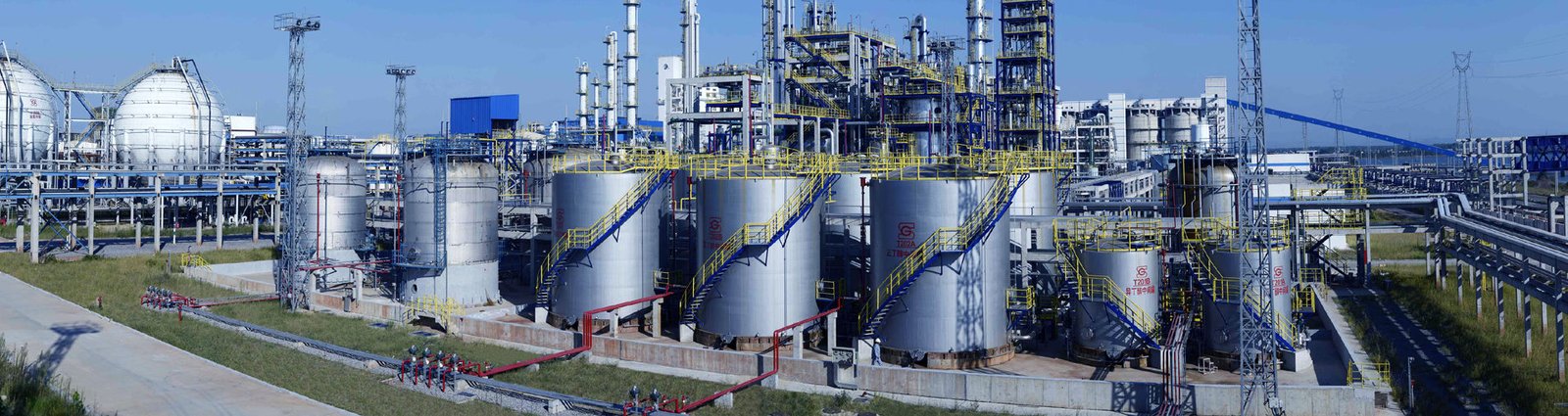
Liquefied Natural Gas (LNG) terminals and oil refineries operate under some of the most challenging conditions in the energy sector. Piping systems in these facilities are constantly exposed to high pressure, fluctuating temperatures, and corrosive media such as hydrogen sulfide, chlorides, and acids. Nickel alloy pipes, including Inconel 625 (ASTM B444) and Incoloy 825 (ASTM B423), have become the preferred choice to ensure safety, reliability, and long service life in LNG and refinery projects.


2. Why Nickel Alloy Pipes Are Essential

  • High Corrosion Resistance: Withstand sour gas, chloride-rich environments, and acidic conditions where stainless steel fails.
  • Strength at High Temperatures: Maintain mechanical properties at cryogenic (-196°C) and elevated temperatures (>600°C).
  • Resistance to Sulfide Stress Cracking: Meet NACE MR0175/ISO 15156 requirements for sour service.
  • Longevity: Reduce maintenance costs and unplanned shutdowns in refinery and LNG operations.

Reference: Nickel Alloys – Wikipedia.


3. Applications in LNG Industry

  • Cryogenic Piping: Nickel alloys maintain toughness at LNG storage (-162°C).
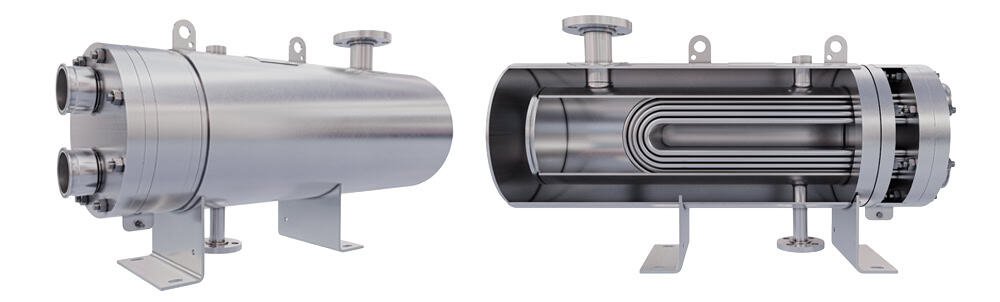
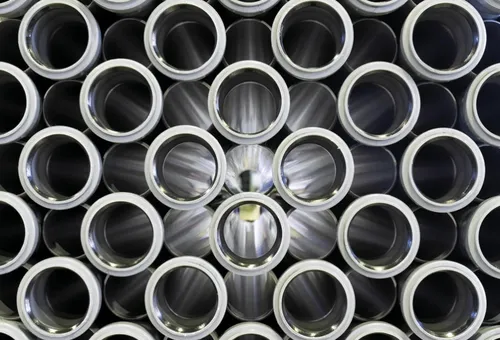
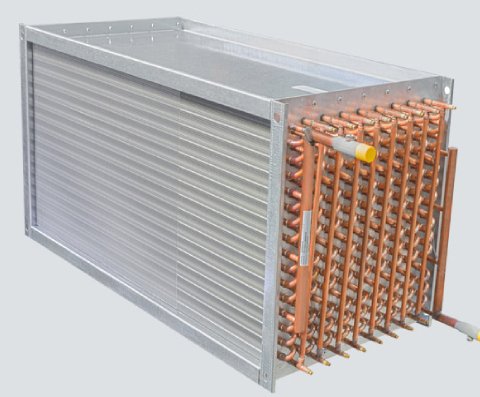
  • Heat Exchangers: Alloy 625 tubes used in LNG regasification units.
  • Seawater Cooling Systems: Inconel 625 pipes resist seawater corrosion in offshore LNG facilities.
  • Offloading Terminals: High-strength nickel alloys ensure reliability in harsh marine environments.

4. Applications in Refineries

  • Hydroprocessing Units: Alloy C-276 and 625 pipes handle aggressive acids in hydrocrackers.
  • Sulfuric Acid Alkylation Units: Incoloy 825 pipes offer excellent resistance to sulfuric and phosphoric acids.
  • Desulfurization Plants (FGD): Nickel alloys withstand high chloride and oxidizing conditions.
  • Flare Systems and High-Temperature Piping: Inconel pipes provide strength and oxidation resistance.

5. Key ASTM Standards for Nickel Alloy Pipes

  • ASTM B444 – Seamless Inconel 625 pipe.
  • ASTM B423 – Seamless Incoloy 825 pipe.
  • ASTM B622 / B619 / B626 – Hastelloy C-276 seamless and welded pipes.
  • Certification Requirements: EN 10204 3.2, PED, NACE MR0175/ISO 15156 compliance.

6. DLSS Supply Strengths

At DLSS, we supply nickel alloy pipes and tubes specifically for LNG and refinery applications:

  • Grades: Inconel 625, Incoloy 825, Hastelloy C-276.
  • Standards: ASTM B444, B423, B622.
  • Third-party inspection: TÜV, DNV, LR, ABS.
  • Project documentation: EN 10204 3.1/3.2 MTC, NACE compliance reports.
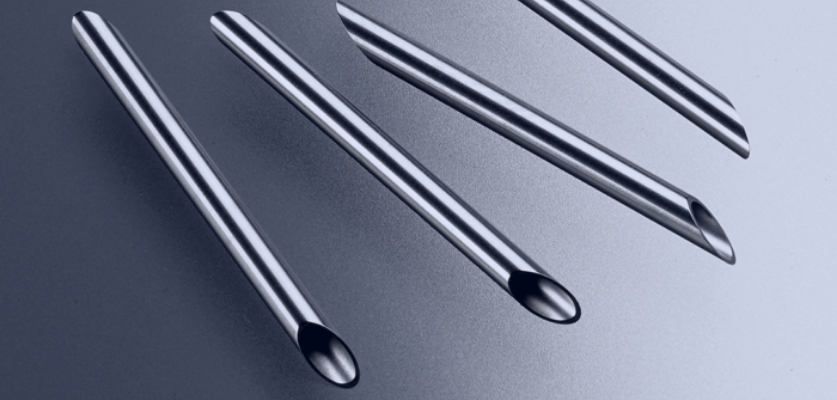
  • Flexible production for seamless and welded pipes, plus U-bend tubes for heat exchangers.

7. Conclusion & Call to Action

Nickel alloy pipes are indispensable in LNG and refinery projects, where corrosion, sour gas, and extreme temperatures pose significant challenges. By choosing Inconel 625, Incoloy 825, or Hastelloy C-276, project stakeholders secure reliability and long-term cost savings.

For EPC contractors and refinery operators seeking ASTM-compliant nickel alloy pipes, DLSS offers proven expertise and reliable delivery.

Contact us for quotations and technical datasheets.
info@dlsspipe.com | www.dlsspipeline.com

Wonderful! Share This Case:

Austenitic Stainless Steel

Duplex Stainless Steel

Nickel Alloys

▪ Incoloy Family

▪ Inconel Family

▪ Monel Family

▪ Hastelloy Family

▪ Other Special Alloys

Cobalt Alloys

Related Posts

Online Tube Dimension Measurement: Precision in Real-Time Manufacturing

Online Tube Dimension Measurement: Precision

In the modern manufacturing of precision tubing—especially stainless steel heat exchanger tubes—online tube dimension measurement has become an essential quality control tool. As customer requirements become stricter and global standards tighten, real-time monitoring of outer diameter (OD), wall thickness, ovality, and surface defects ensures that every tube leaving the production line meets exact specifications. In […]

Read More
Aluminum Brass C68700 (O61) ASTM B111 Seamless Tube 19 × 1.6mm × 3000mm with 100% Eddy Current Testing for Condenser Applications.

Aluminum Brass C68700 (O61) ASTM

Product Overview: ASTM B111 C68700 Aluminum Brass Seamless Tube (19×1.6mm, 3000mm) C68700 Aluminum Brass, also known as Al-Brass, is a copper-zinc alloy enhanced with a small amount of aluminum. It is widely recognized for its exceptional resistance to dezincification, corrosion, and biofouling, especially in seawater and brackish water environments. This makes it one of the most trusted […]

Read More
316 vs 316L vs 316Ti stainless steel

316 vs 316L vs 316Ti

1. Overview In demanding industries such as heat exchangers, condensers, boilers, and pressure vessels, stainless steels of the 316 family are among the most widely used materials. However, choosing between 316, 316L, and 316Ti depends on factors like weldability, temperature stability, and corrosion resistance. At DLSS (Zhejiang Daling Special Steel Co., Ltd.), we supply all […]

Read More
How to Prevent Common Failures in Stainless Steel Tubes: 5 Case-Based Insights

How to Prevent Common Failures

Meta Description:Explore the 5 most common failure types in stainless steel tubes and how to prevent them. Learn from real-world applications across heat exchangers, refineries, and chemical plants. Introduction Even the best-grade stainless steel tubes can fail—if not properly selected, processed, or installed. From pitting corrosion in chloride-rich environments to stress corrosion cracking (SCC) in […]

Read More

How to Select Heat Exchanger

Introduction Heat exchanger tubes are the most critical components in shell and tube heat exchangers. They directly determine the heat transfer efficiency, corrosion resistance, and operational reliability of the entire system. Selecting the wrong tube material can result in serious issues such as: For engineers and procurement specialists, understanding how to properly select heat exchanger […]

Read More
How to Interpret EN 10204 3.1 and 3.2 Material Certificates in Industrial Audits

How to Interpret EN 10204

Introduction In large-scale industrial projects—refineries, power plants, LNG terminals, or chemical facilities—material traceability is non-negotiable. Clients, third-party inspectors, and auditors often require EN 10204-compliant inspection certificates for stainless steel pipes, fittings, flanges, or pressure parts. But what do terms like 3.1 or 3.2 certificate actually mean? This article breaks down the types of EN 10204 […]

Read More
Aleaciones Especiales para Tuberías en Plataformas Offshore en Brasil

Aleaciones Especiales para Tuberías en

Meta descripción:Las plataformas marinas brasileñas enfrentan desafíos extremos: alta salinidad, presión y exposición constante a H₂S. Conozca qué aleaciones inoxidables ofrecen mayor seguridad y vida útil en ambientes offshore. Introducción Brasil es líder en producción de petróleo en aguas profundas gracias a regiones como Campos, Santos y Pre-Sal. Estas plataformas offshore requieren sistemas de tuberías […]

Read More
ASTM A213 vs A269: What’s the Difference in Heat Exchanger Tubing?

ASTM A213 vs A269: What’s

Meta Description:Confused between ASTM A213 and A269 stainless steel tube standards? Learn the key differences in application, tolerances, testing, and suitability for heat exchangers and process systems. Introduction Two of the most frequently specified standards for stainless steel tubing are ASTM A213 and ASTM A269. Both cover austenitic stainless steel tubes like TP304L, TP316L, and […]

Read More

Request A Quote

*We respect your confidentiality and all information are protected.