TP904L Stainless Pipes for Seawater Desalination in Japan – 日本海水淡水化向けTP904Lステンレス管

DLSS - Market Insights – Japan - TP904L Stainless Pipes for Seawater Desalination in Japan – 日本海水淡水化向けTP904Lステンレス管

Introduction

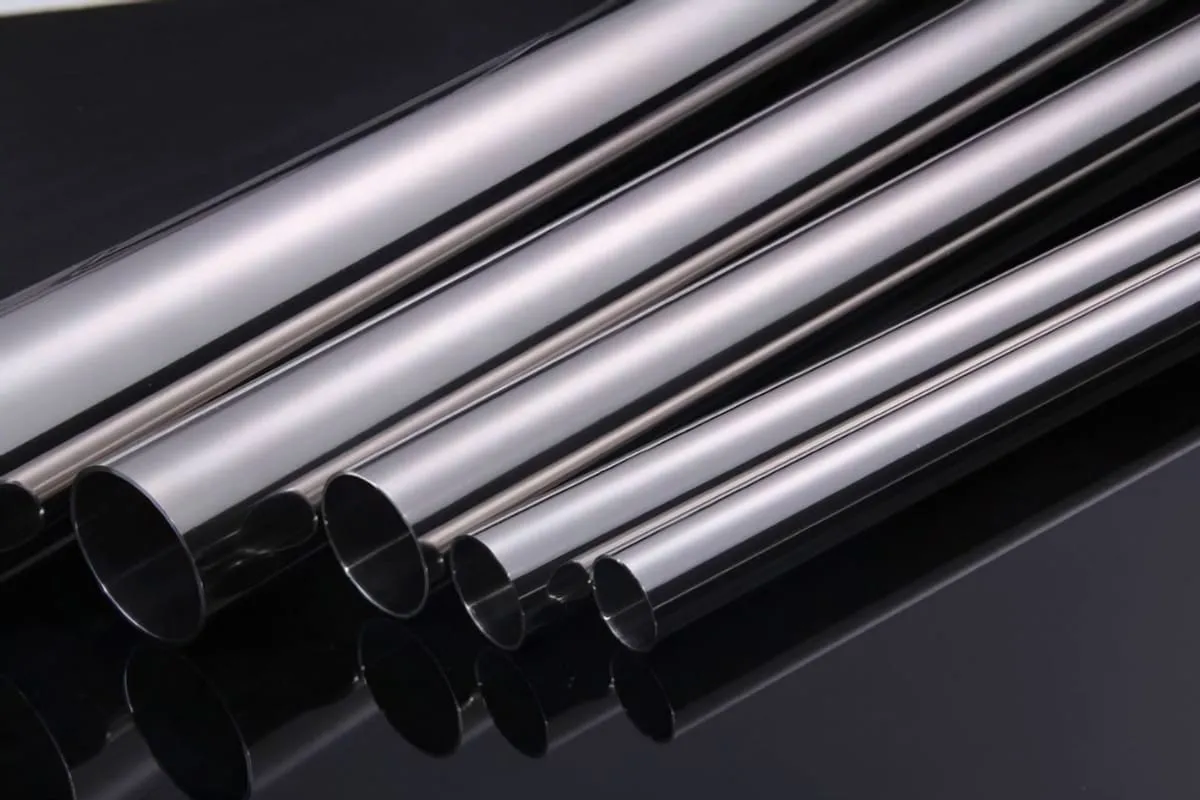
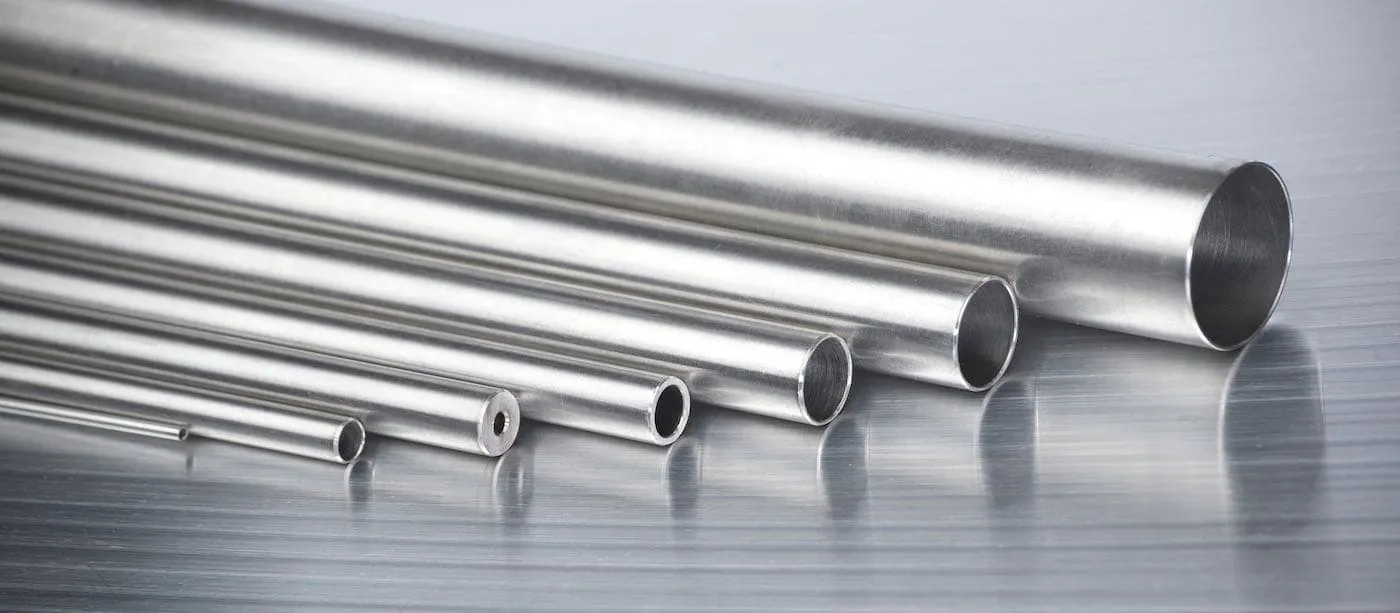
Japan’s seawater desalination plants operate in highly corrosive environments due to the presence of chlorides and high salinity. TP904L stainless pipes from DLSS offer superior resistance to pitting and crevice corrosion, making them an ideal choice for JIS G3459 – Stainless Steel Pipes for Corrosion Resistance compliance in marine applications.


1. Why TP904L for Desalination(海水淡水化にTP904Lが選ばれる理由)

  • High Nickel Content (25%) – enhances chloride stress corrosion resistance
  • Copper Addition – improves resistance to sulphuric acid and seawater attack
  • Low Carbon Design – prevents carbide precipitation during welding

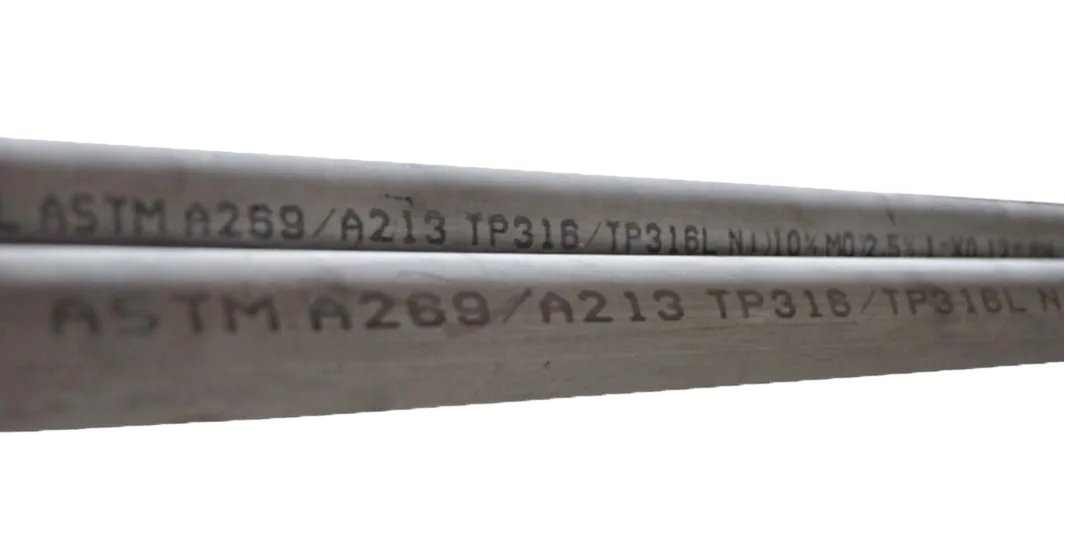
2. JIS & ASTM Dual Compliance(JISとASTMの両方に準拠)

DLSS supplies JIS G3459 TP904L pipes with:


3. Applications in Japanese Desalination Plants(日本の淡水化プラントでの用途)

  • Seawater intake pipelines
  • High-pressure brine lines
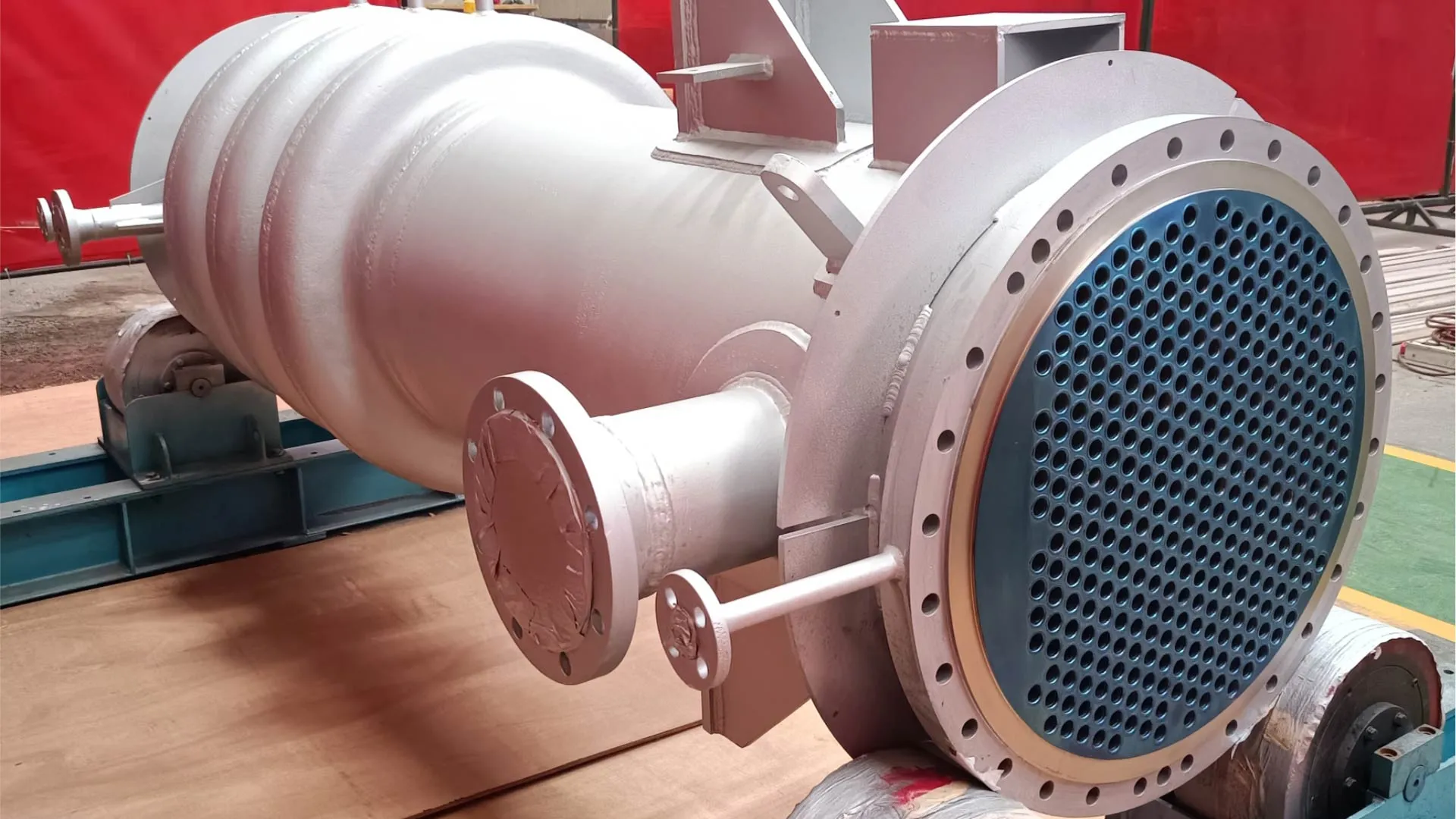
  • Heat exchanger piping systems
  • Reverse osmosis (RO) frame structures

4. Packaging for Marine Shipment(海上輸送用の梱包)


5. Why Japanese Buyers Choose DLSS(日本バイヤーがDLSSを選ぶ理由)

  • Proven track record in Japanese marine projects
  • Ability to customize wall thickness & length
  • Over 30 years of stainless pipe manufacturing expertise

FAQ(よくある質問)

Q1: Which JIS standard covers TP904L pipes for seawater applications?
A1: JIS G3459 is the main standard, with optional ASTM A312 dual certification.

Q2: How does TP904L compare to 316L in seawater corrosion resistance?
A2: TP904L performs significantly better in chloride-rich environments due to its high nickel and copper content.

Q3: Can DLSS provide TP904L with special surface finishes for desalination?
A3: Yes, we can provide pickled, polished, or passivated surfaces to enhance corrosion resistance.

Q4: What sizes of TP904L pipes are commonly used in Japanese desalination plants?
A4: Typical sizes range from 25.4 mm to 508 mm OD, with wall thicknesses from 1.65 mm to 12.7 mm.

Q5: How long is the lead time for TP904L delivery to Japan?
A5: Generally 40–55 days from order confirmation, depending on production schedule.

Wonderful! Share This Case:

Austenitic Stainless Steel

Duplex Stainless Steel

Nickel Alloys

▪ Incoloy Family

▪ Inconel Family

▪ Monel Family

▪ Hastelloy Family

▪ Other Special Alloys

Cobalt Alloys

Related Posts

Why Stainless Steel Tube Grain Size Matters in Heat Exchanger Applications

Why Stainless Steel Tube Grain

Meta Description:Grain size in stainless steel tubes directly affects corrosion resistance, mechanical strength, and heat exchanger durability. Learn how ASTM grain size ratings influence performance and certification. Introduction When engineers specify stainless steel tubes for shell-and-tube heat exchangers, attention is often paid to chemical composition, wall thickness, and surface finish. But there’s another hidden factor […]

Read More
How to Interpret a Stainless Steel Mill Test Certificate (MTC)

How to Interpret a Stainless

Meta Description:Learn how to read and understand a stainless steel Mill Test Certificate (MTC). This guide explains MTC format, content, EN 10204 types, and what to verify before accepting a shipment. Introduction A Mill Test Certificate (MTC), also known as a Material Test Report (MTR), is a quality assurance document provided by the manufacturer. It […]

Read More
Nickel Alloy Steel Seamless Pipes and Tubes: Industrial Advantages and Applications

Alloy Steel Heat Exchanger Tubes

Introduction In high-temperature environments such as boilers, power plants, and petrochemical heat exchangers, alloy steel tubes are indispensable. One common choice is ASTM A199 T11, a Cr-Mo alloy steel that provides excellent creep resistance, mechanical strength, and durability. Recently, a customer requirement for T11 cold drawn tubes offers a valuable example of how this material […]

Read More
Top Stainless Steel Industry Trends in 2025: Sustainability, Advanced Alloys, and Smart Manufacturing

Top Stainless Steel Industry Trends

Meta Description:Explore the top 6 stainless steel industry trends in 2025, including green steel initiatives, duplex and super duplex stainless steels, nickel alloy pipes, and intelligent tube manufacturing. 1. Sustainable Stainless Steel Production With the global push toward decarbonization, the stainless steel industry is rapidly transitioning to green steel production. In 2025: Key Keywords: green […]

Read More
How to Read a Stainless Steel Tube Mill Test Certificate (MTC)

How to Read a Stainless

Meta Description:Understand how to interpret a stainless steel tube Mill Test Certificate (MTC). Learn what each section means, how to verify compliance, and why it matters for project quality and traceability. Introduction When sourcing stainless steel tubes for critical applications, the Mill Test Certificate (MTC) is more than a formality — it’s your proof of […]

Read More
green-building-hvac-stainless-steel-heat-exchanger-tube

How Green Buildings and HVAC

With urban centers pushing for net-zero construction and energy-efficient design, HVAC systems—heating, ventilation, and air conditioning—have become the heart of green buildings. This shift is driving new demand for stainless steel heat exchanger tubes, used in chilled water systems, heat pumps, condenser units, and energy recovery modules. 1. Why Stainless Steel Is Replacing Copper and […]

Read More
Heat Exchanger Troubleshooting Guide: Common Problems and How to Solve Them

Heat Exchanger Troubleshooting Guide: Common

1. Introduction – Heat Exchanger Troubleshooting A heat exchanger is a critical component in many industrial systems, and any performance issue can lead to reduced efficiency, higher operating costs, or even production downtime. This heat exchanger troubleshooting guide covers the most common problems, their likely causes, and practical solutions to get your system back on […]

Read More
Low-Fin Tubes: Compact Heat Transfer Solutions for Refrigeration and HVAC

Low-Fin Tubes: Compact Heat Transfer

Low-fin tubes are designed to improve heat transfer efficiency while maintaining a compact design, making them ideal for applications where space and weight are limited. These tubes feature external fins with a low height, which increases the surface area for heat exchange without significantly increasing the overall size. For a broader look at finned tube […]

Read More

Request A Quote

*We respect your confidentiality and all information are protected.